There’s something comforting about ordering your favorite fast-food meal and knowing exactly what you’ll get. The familiar fries, that special sauce, or the pizza crust you’ve loved for years can make a simple meal feel like an old friend.
But what happens when a restaurant chain decides its classic recipe needs an upgrade?
Sometimes, customers welcome the improvement. Other times, one little change sparks complaints, online petitions, and demands to bring back the original. After all, when people fall in love with a particular flavor, they don’t necessarily want anyone messing with it.
These nine fast-food recipe changes show why improving a classic can be trickier than restaurants expect.
McDonald’s Changes Its Famous French Fries
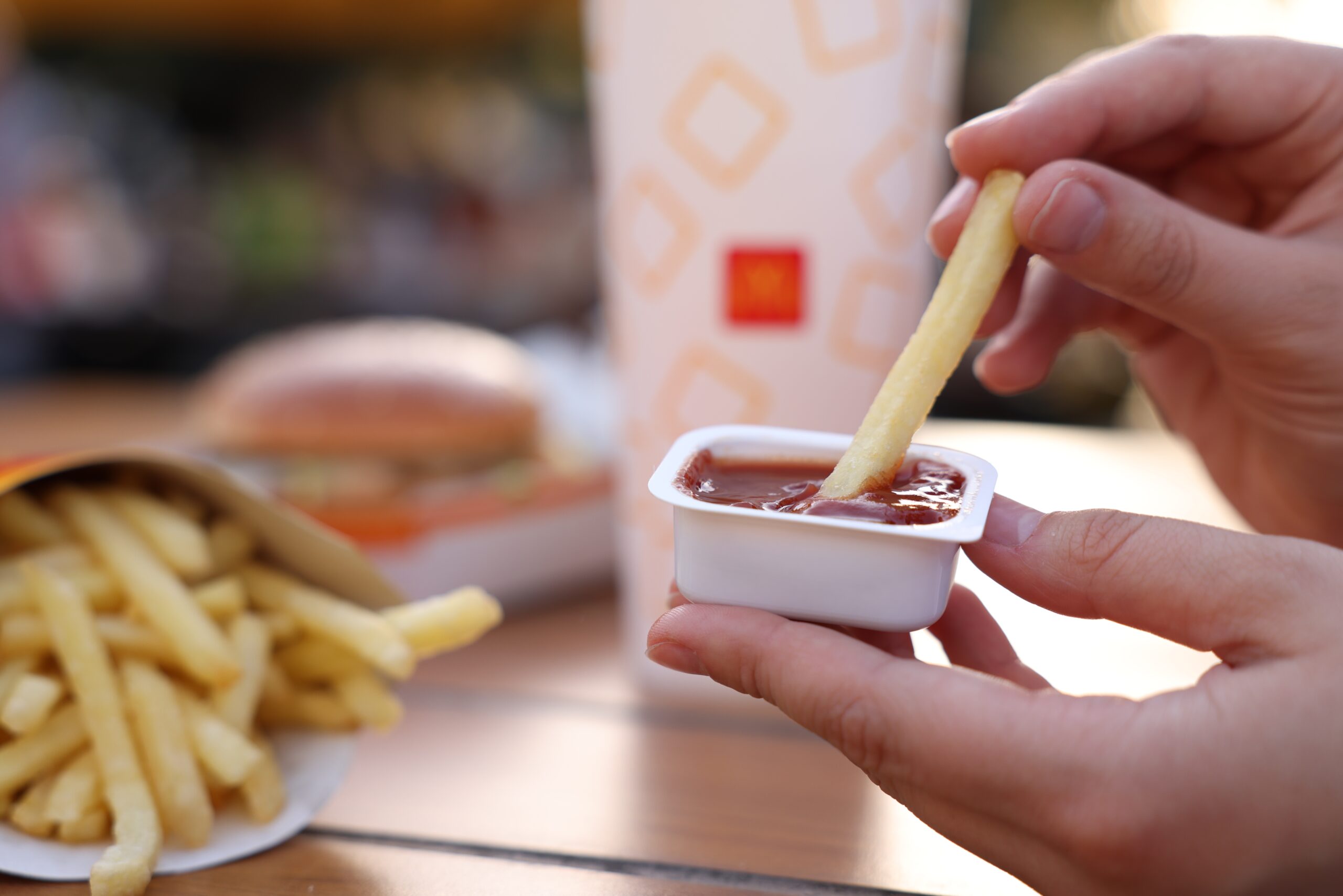
McDonald’s French fries have long been a major part of the chain’s identity, but a 1990 recipe change left some longtime fans missing the original flavor.
The company switched from frying its potatoes in beef tallow to using vegetable oil, changing a cooking method customers had become accustomed to over the years. The decision attracted criticism from people who believed the old preparation delivered a better taste and texture.
Even famous chef Julia Child wasn’t impressed. In a 1995 interview, she complained that the fries had become limp and hoped McDonald’s would reconsider.
The chain’s fry recipe has evolved further since then, but the original change remains a memorable example of how something as ordinary as cooking oil can alter customers’ attachment to a familiar food.
McDonald’s Replaces Its Fried Apple Pie
McDonald’s fried apple pie was once a beloved dessert with a distinctive crispy shell that made it different from an ordinary baked pastry.
That changed in 1992 when the company replaced the deep-fried version with a baked alternative across most of its American restaurants. The new preparation changed the crust’s texture, one of the dessert’s defining features.
Some longtime customers weren’t pleased, especially those who preferred the flaky, fried exterior. Years later, nostalgic fans still discussed the original and searched for locations serving fried versions.
The baked pie developed its own following, but for fans of the original, the change meant losing something that made their favorite dessert special.
McDonald’s Changes Its Apple Pie Again in 2018
McDonald’s baked apple pie became the center of another recipe controversy in 2018, proving that changing a familiar dessert once doesn’t necessarily end the discussion.
This time, the company introduced a revised recipe featuring less sugar, a simplified ingredient list, sliced American-grown apples, and cinnamon.
While the update was presented as an improvement, some customers immediately complained that they preferred the previous version. Others questioned why the company needed to change the dessert at all.
At the time, reactions were divided, not universally negative. Still, the complaints demonstrated how even relatively modest recipe adjustments can upset customers who have grown attached to a familiar flavor.
Chick-fil-A Replaces Its Original Barbecue Sauce
Chick-fil-A’s original barbecue sauce provides one of the clearest examples of customers successfully pushing back against a recipe change.
In July 2016, the chain replaced its familiar barbecue dipping sauce with a bolder Smokehouse Barbeque Sauce. Unfortunately for the company, many loyal customers didn’t want the replacement.
Complaints quickly spread across social media, with fans organizing petitions and demanding the return of the original flavor. Some were particularly frustrated because the old sauce had become a regular part of their orders.
By October, Chick-fil-A announced it was listening and would bring the original barbecue sauce back in November 2016.
The company even contacted some outspoken customers with bottles of the original sauce and branded merchandise. Sometimes, the customers really do get the final say.
Related: 9 Restaurant-Style Cooking Tricks That Can Make Your Home Food Taste Seriously More Expensive.
Pizza Hut Overhauls Its Original Pan Pizza
Pizza Hut’s Original Pan Pizza had built a loyal following around its familiar combination of crust, sauce, and cheese.
In May 2019, Pizza Hut announced a major overhaul, including a revised cheese-and-sauce blend and a redesigned pan meant to create a crispier, golden-brown crust.
The company said it took three years to develop the updated recipe, but some longtime fans weren’t convinced the changes improved it.
A customer petition soon appeared demanding that Pizza Hut restore the previous recipe. Although the petition doesn’t establish how most customers felt, it demonstrates how strongly some pizza lovers valued the original.
For those customers, an improved crust wasn’t necessarily better if it no longer tasted like the pizza they remembered.
Subway Replaces Its Sweet Onion Sauce
Subway’s Sweet Onion sauce was a favorite for customers who enjoyed its distinctive sweetness on different sandwiches and salads.
By 2022, customers were reporting that the familiar condiment had been replaced with Sweet Onion Teriyaki, a thicker, darker sauce with a noticeably different flavor.
The change frustrated some customers because the original sauce wasn’t limited to one particular sandwich combination. They enjoyed adding it to different orders, and the teriyaki replacement didn’t necessarily fit those preferences.
Complaints and an online petition followed, with customers requesting the return of the original Sweet Onion sauce.
The disagreement wasn’t necessarily about whether teriyaki tasted good. It was about losing a versatile condiment that customers had made part of their usual orders for years.
Subway Introduces Baja Chipotle Sauce
Subway’s Chipotle Southwest sauce built a loyal following, making its replacement another controversial moment for sandwich fans.
In October 2021, Subway officially introduced Baja Chipotle as part of its Eat Fresh Refresh initiative. The new sauce featured chipotle and guajillo peppers, along with seasonings including smoked paprika, cumin, oregano, garlic, onion, and lime notes.
Although the company promoted the new flavor as part of its menu improvements, some customers missed Chipotle Southwest enough to organize a petition to bring it back.
For those customers, the change affected more than a single condiment. It altered the familiar flavor combination they expected from their regular sandwiches.
A new sauce can be enjoyable on its own while still disappointing people who specifically wanted the old one.
KFC Gives Its Fries a New Seasoning
KFC introduced its signature fries in the United Kingdom and Ireland in 2023 to improve the chain’s familiar side dish.
Instead of reinventing the fries, KFC added an Original Recipe-inspired seasoning featuring black pepper, white pepper, paprika, sage, rosemary, and bay.
The update attracted mixed reactions. Some customers enjoyed the additional flavor, while others argued that seasoning wasn’t enough to address what they already disliked about KFC’s fries.
That disagreement makes this an interesting example of a menu change that didn’t satisfy every critic. Some wanted a different overall fry experience, not simply a more heavily seasoned version.
Unlike the Chick-fil-A barbecue sauce situation, this wasn’t a clear-cut customer rejection. But it showed how an upgrade can miss the specific improvement some diners hoped for.
Wendy’s Introduces Hot & Crispy Fries
Wendy’s Hot & Crispy Fries arrived in the United States and Canada in fall 2021 as part of the chain’s effort to improve one of its most recognizable sides.
The company tested more than 20 potato cuts before choosing a new design intended to maintain heat and crispness.
Not every customer welcomed the result. Critical coverage highlighted complaints from people who disliked the new taste or felt that the fries had lost some of their familiar potato flavor.
However, Wendy’s reported improved customer-quality scores and favorable testing results against a leading competitor. Those results suggest the reformulation appealed to many customers, even if some longtime fans preferred the earlier version.
The lesson? Sometimes, even a successful menu update can leave part of the customer base wishing nothing had changed.
When a Classic Recipe Changes, Nostalgia Comes With It
Fast-food chains may see recipe updates as improvements, but loyal customers often remember exactly what made the original special, proving that newer doesn’t always mean better for everyone.