Dinner sounds simple until real life gets involved. The kids are asking questions, the sink is full, the grocery bill still hurts, and everyone wants food before the evening turns into a family meltdown.
That is when kitchen shortcuts start looking like survival skills. You skip a step, rush the heat, eyeball the seasoning, or leave something on the counter because there are only so many hours in a day.
Most shortcuts do not look dangerous. They look practical, especially in a busy American kitchen where people are trying to save time, money, and patience at once.
Still, some tiny shortcuts can wreck the flavor on the plate and create bigger health risks than anyone expected.
Skipping Handwashing Before the Real Cooking Starts
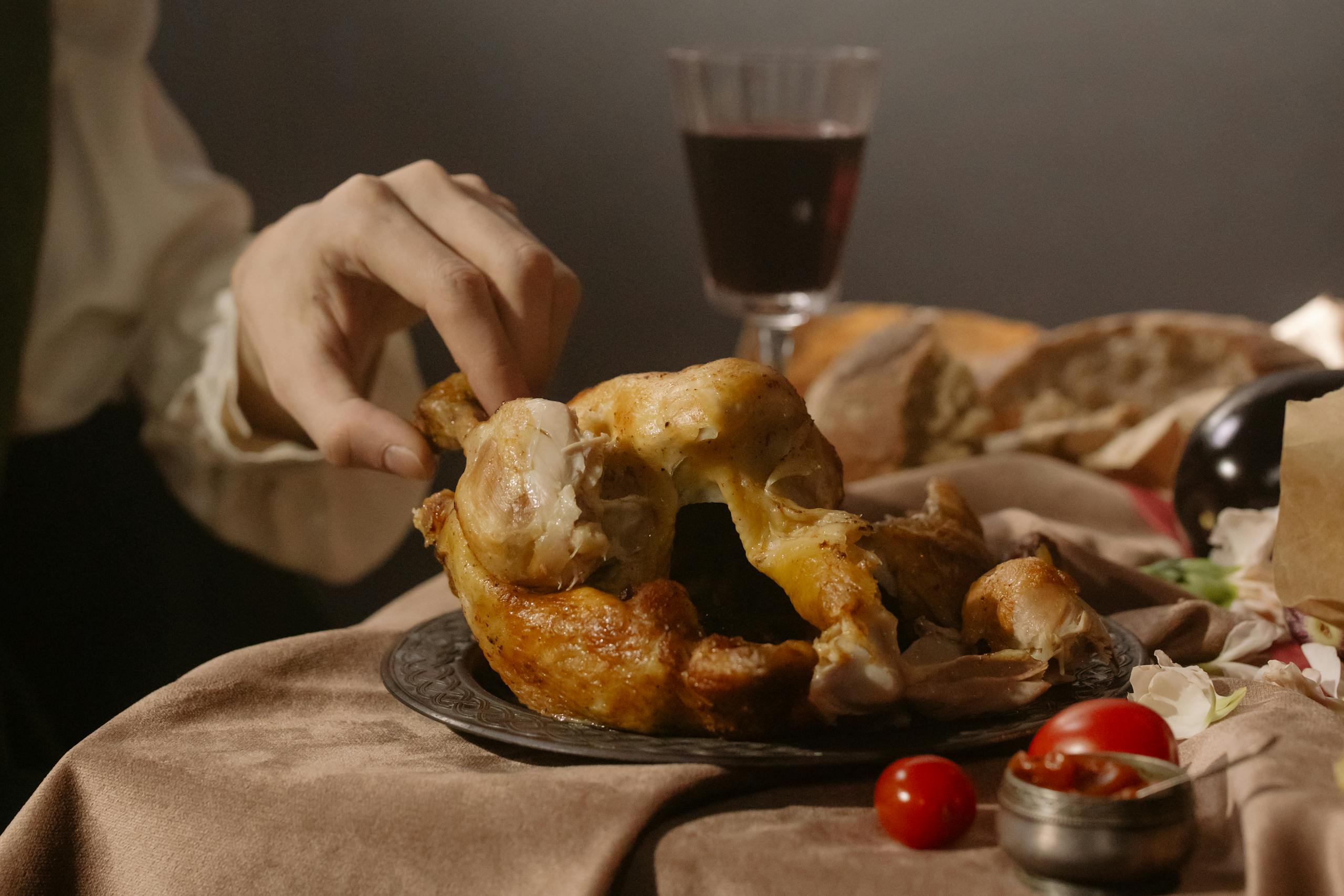
It feels harmless to rinse a tomato, grab the chicken, answer a text, and keep moving. The kitchen is busy, the pan is hot, and nobody wants to pause for one more small task. But hands can carry germs from phones, counters, packaging, pets, and raw food straight into dinner.
That quick skip can turn a good meal into a bad night. Washing hands before, during, and after food prep is one of the simplest ways to cut kitchen risk, especially after touching raw meat, eggs, flour, trash, or your phone. A rushed meal is never worth skipping clean hands first.
Using One Cutting Board for Everything
A single cutting board feels efficient. Raw chicken goes on it, then lettuce, then bread, then tomatoes, because nobody wants another dish in the sink. The shortcut saves two minutes and creates the perfect little highway for germs.
Cross-contamination can ruin a fresh salad before it ever reaches the plate. Keep one board for raw meat, poultry, and seafood, and another for produce or ready-to-eat foods. If a board has deep grooves, retire it before it becomes a hiding place for trouble.
Guessing Meat Temperatures Like a Kitchen Dare
Some home cooks trust color, steam, or confidence. They slice into chicken, see no pink, and call it done. The problem is that looks can lie, especially with poultry, casseroles, ground meat, and reheated leftovers.
A food thermometer is not fancy. It is a tiny insurance policy against undercooked food and dry, overcooked disappointment. Safe cooking depends on actual internal heat, not wishful thinking, so check the safe minimum temperatures before serving.
Leaving Food Out Because Everyone Is Still Grazing
Holiday tables, Sunday dinners, game-day spreads, and birthday buffets all have the same problem. People keep wandering back for “just one more bite,” and the food sits out as it has nowhere else to be.
Perishable food should not lounge on the counter all afternoon. Bacteria grow fast in the danger zone between 40°F and 140°F, and leftovers need to be refrigerated before the meal becomes a gamble. Store food promptly, especially when the house is warm, or guests are still circling the kitchen.
Thawing Meat on the Counter to Save Time
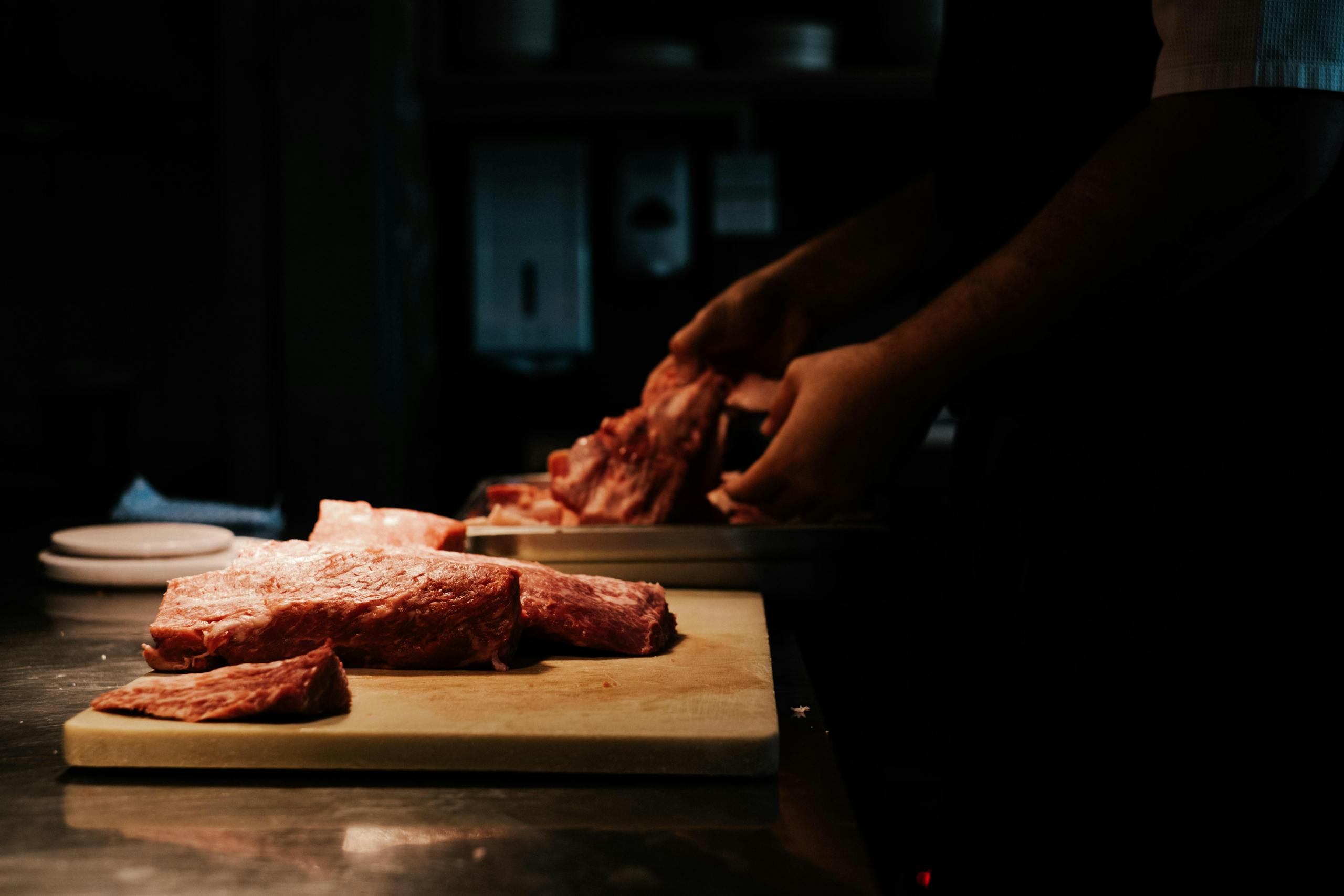
Counter thawing feels like common sense when dinner is frozen solid at 4 p.m. You set the package near the sink and hope it softens before everyone gets hungry. The outside warms up long before the inside thaws, giving bacteria time to multiply.
Safer thawing takes planning, but it does not have to be complicated. Use the refrigerator, cold water with changes, or the microwave when cooking right away. The shortcut may save you time, but it can also make dinner a risk.
Relying on Too Much Salt for Instant Flavor
Salt wakes up food, and that is why tired cooks reach for it fast. A bland soup, dull pasta, or flat stir-fry can seem fixed with a few extra shakes. The problem begins when salt becomes the only flavor tool in the drawer.
Many Americans already get more sodium than they need from packaged, prepared, and restaurant foods. At home, herbs, garlic, citrus, vinegar, pepper, spices, and slow browning can add flavor without making the meal feel heavy. Your heart will thank you for not using too much sodium as your main seasoning.
Tasting Raw Dough Because It Feels Nostalgic
Raw cookie dough has a powerful emotional pull. It tastes like childhood, holidays, and licking the spoon when nobody is looking. But raw flour and raw eggs can carry germs, which makes that sweet bite less innocent than it seems.
The safer move is simple. Bake the dough, use products labeled safe to eat raw, or make edible cookie dough with heat-treated flour and no raw egg. Nostalgia shouldn’t come with stomach cramps, so skip the raw-dough bite.
Crowding the Pan Until Food Steams Instead of Browns
A crowded pan looks efficient because everything cooks at once. In reality, vegetables turn limp, chicken releases water, and potatoes refuse to crisp. The shortcut steals the very flavor people were hoping to build.
Browning needs space. When food has room, moisture escapes, and the surface develops a rich, golden color. Cook in batches when needed, even if it feels slower, because soggy shortcuts often take the joy out of dinner.
Skipping the Resting Time After Cooking Meat

The smell of cooked steak, chicken, or pork can make patience disappear. People start slicing right away because dinner is ready and everyone is waiting. Then the juices run across the board, and the meat turns dry before the first bite.
Resting meat is not a chef trick meant to annoy hungry families. It helps juices settle, so the meal tastes better. A few quiet minutes can turn an ordinary piece of meat into something tender, juicy, and worth the wait.
Reheating Leftovers Only Until They Look Warm
Leftovers are the backbone of busy households. They save money, rescue lunch, and keep weeknights from becoming takeout marathons. But reheating until the top feels warm can leave cold spots where bacteria may survive.
Stir soups, casseroles, rice, and pasta halfway through reheating. Cover food to hold moisture and heat it evenly. Leftovers should be steaming throughout, not just warm around the edges.
Using Old Oil Because It Seems Wasteful to Toss It
Cooking oil is expensive, so it is tempting to keep using the same bottle, pan oil, or fryer batch past its best days. Old oil can smell stale, taste bitter, smoke quickly, and make good food taste like a tired diner kitchen.
Rancid or overheated oil can ruin flavor before seasoning even has a chance. Store oil away from heat and light, smell it before using, and toss anything that smells sharp, musty, or unpleasant. Saving a few cents is not worth spoiling the whole meal.
Ignoring the Recipe Until It Is Too Late
Plenty of cooks skim recipes as if they were speed limits. They miss the marinating time, forget an ingredient, skip the preheat, or discover halfway through that the dish needed a bigger pan. The shortcut turns cooking into a stressful guessing game.
Reading the recipe first saves you time and money on groceries. It helps you prep ingredients, avoid rushed substitutions, and spot safety steps before the stove is already busy. Good cooking often starts before the heat turns on.
Conclusion

The best meals are not built on panic. They come from small choices that protect flavor, save money, and keep people safe around the table.
That does not mean every dinner needs to be perfect. Real kitchens are loud, messy, rushed, and full of compromises. Still, the wrong kitchen shortcuts can spoil more than taste.
Wash your hands. Separate raw and ready foods. Use a thermometer. Chill leftovers. Give flavor time to happen. A few smarter habits can turn everyday cooking from a rushed gamble into something safer, calmer, and far more delicious.