A piece of unused city property in Manhattan is at the center of a bigger debate about what public land should actually be used for.
New York City Mayor Zohran Mamdani has announced a major affordable housing project that will transform an underused NYPD parking lot in the East Village into a residential development designed to provide deeply affordable homes for New Yorkers who need them most.
The project, known as The Aurea, is expected to create approximately 131 affordable apartments, along with a senior center, community spaces, and replacement parking facilities. Supporters say the plan represents a new approach to city-owned land, arguing that public property should be used to address public challenges such as the housing shortage.
“Public land should serve the public,” Mamdani said while announcing the project, highlighting his administration’s focus on expanding affordable housing opportunities across the city.
The development has quickly become one of the first major housing initiatives of Mamdani’s administration, placing his approach to housing policy under a national spotlight.
A parking lot becomes a housing opportunity

The transformation of the East Village site reflects a broader question facing many American cities: how should governments use valuable public land during a housing crisis?
For years, cities across the country have struggled with rising rents, limited housing supply, and growing demand for affordable homes. New York City has faced some of the most severe pressure, with many residents experiencing increasing housing costs while waiting lists for affordable units remain long.
The Aurea project aims to convert land that currently provides limited public benefit into housing that can serve hundreds of residents.
Instead of remaining an underused parking area, the property will become a mixed-use development that combines housing, senior services, and community facilities.
Supporters argue that projects like this demonstrate how cities can find creative solutions without needing to acquire large amounts of new land.
Thirty percent of homes reserved for formerly homeless New Yorkers
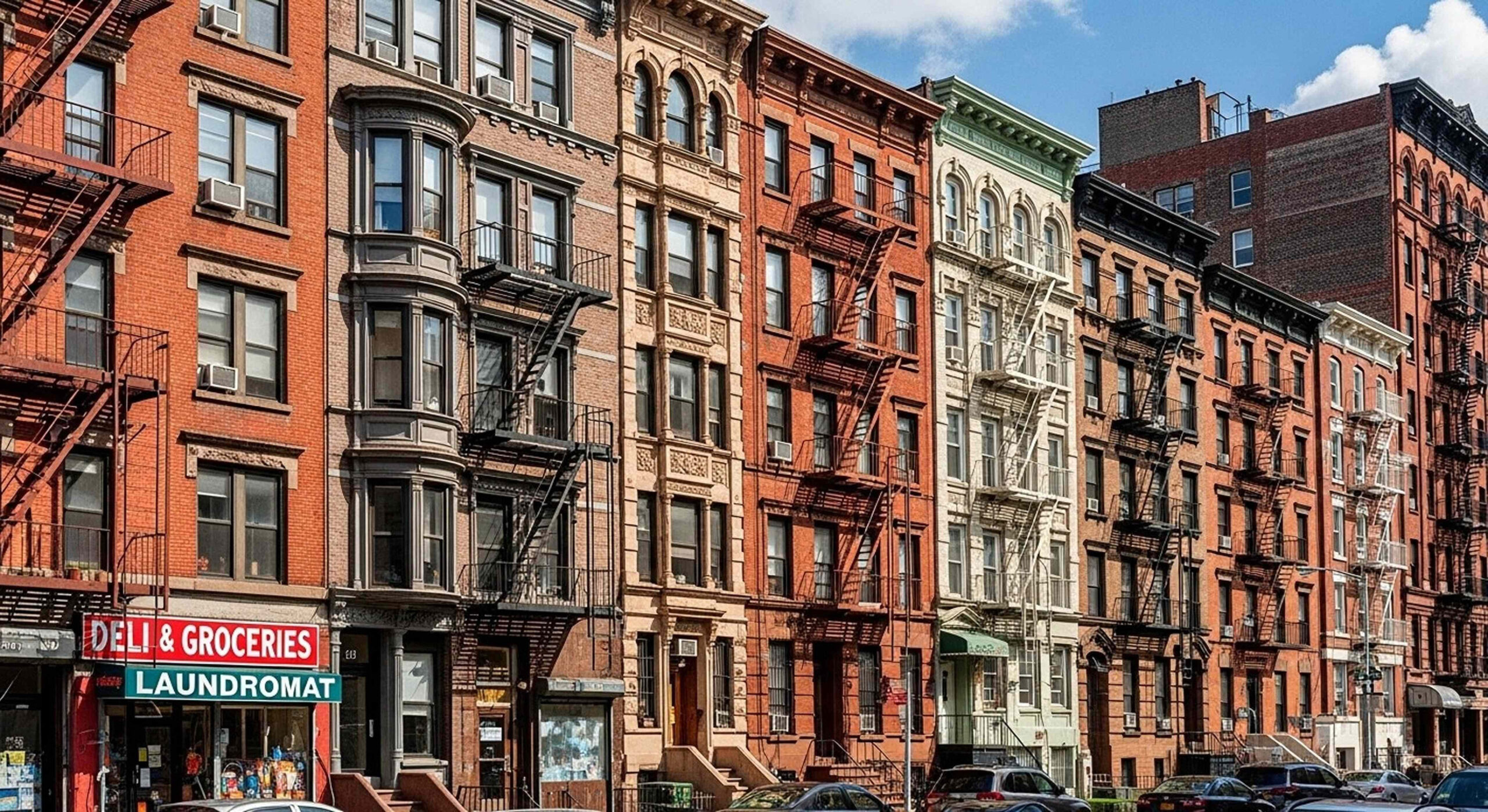
One of the most notable parts of The Aurea project is its commitment to formerly homeless residents.
According to the announcement, 30% of the apartments will be reserved for New Yorkers who have experienced homelessness. These residents will also have access to supportive services designed to help them maintain stable housing.
Supportive housing has become a major part of efforts to address homelessness in large cities. Research from housing organizations has consistently shown that combining affordable housing with services such as case management, healthcare connections, and employment support can improve long-term housing stability.
The project also includes deeply affordable apartments for low-income residents, including seniors who often face unique challenges in finding safe and affordable housing.
A focus on sustainability and long-term affordability
Beyond the number of apartments created, city officials have emphasized the environmental features planned for the development.
The Aurea is expected to include green roofs, landscaped terraces, and fully electric building systems designed to meet modern sustainability standards.
These features are part of a larger movement in urban development toward energy-efficient buildings that reduce environmental impact while lowering long-term operating costs.
The project also includes a community land trust as a development partner. Supporters say this structure helps protect affordability over time by preventing future market pressures from pushing homes out of reach for lower-income residents.
Community land trusts have gained attention nationwide because they allow neighborhoods to have a greater role in preserving affordable housing.
Community input played a major role
City officials say the project was shaped through years of community involvement, including public workshops and neighborhood discussions.
Nearly 400 residents reportedly provided feedback during the planning process, helping influence the final design and features of the development.
That community involvement has become a major talking point for supporters, who argue that housing projects are more successful when residents have a voice in shaping their neighborhoods.
The process also reflects a growing demand for more transparency in major urban development decisions.
Part of a much larger housing strategy
The Aurea is not being presented as a standalone project. It is part of Mamdani’s broader housing agenda, which includes a goal of investing nearly $5 billion to build 200,000 new affordable homes over the next decade.
On his first day in office, Mamdani signed an order creating a task force focused on identifying city-owned properties that could potentially be converted into housing.
The strategy centers on using government-controlled land as a resource for expanding housing supply.
Supporters believe this approach could help cities move faster by using properties they already own rather than waiting for private developers to create affordable units.
A political debate over New York’s future
The announcement has also become part of a larger political debate surrounding Mamdani’s leadership and policy priorities.
Critics have questioned his broader political vision and economic approach, while supporters argue that housing affordability requires bold action.
The conversion of a police parking lot into housing has become a symbolic example of that debate.
For supporters, the project represents a practical response to a housing shortage. They see it as evidence that government can directly address problems affecting everyday residents.
For critics, questions remain about cost, implementation, and whether large government-led housing initiatives can deliver results efficiently.
The bigger meaning behind the project
The Aurea project represents more than a new apartment building. It highlights a growing national conversation about how cities use limited space.
Across the United States, communities are debating whether public land should remain dedicated to traditional uses or be redirected toward urgent needs such as housing, healthcare, and community services.
New York’s decision to transform an NYPD parking lot into affordable housing places that question directly in the public eye.
The success or failure of the project will likely influence future conversations about similar developments.
For now, the East Village site stands as a visible example of a different approach to city planning: taking underused land and attempting to turn it into a resource for residents who need it most.