The 2026 World Cup was supposed to offer the United States a rare opportunity: a global celebration, a showcase of hospitality, and an economic boon. Fans would flood stadiums, cities would thrive, and the country could demonstrate its organizational power on a global stage. Instead, before a single whistle signals kickoff, the tournament is already marred by controversy, revealing cracks in travel, pricing, border policy, and America’s reputation.
The World Cup Was Built for Welcome, Not Suspicion
Soccer is a game of universality, capable of uniting strangers across continents. Fans from New York to Lagos, Tokyo to Buenos Aires, expect the host nation to extend a clear message: “You are welcome here.”
America had the infrastructure, stadiums, and cultural diversity to host a spectacular tournament. Yet visa denials, political rhetoric, and high-ticket pricing are undermining that promise. Instead of a universal welcome, many visitors feel uncertain, unwelcome, or even targeted.
High Ticket Prices Threaten the People’s Game
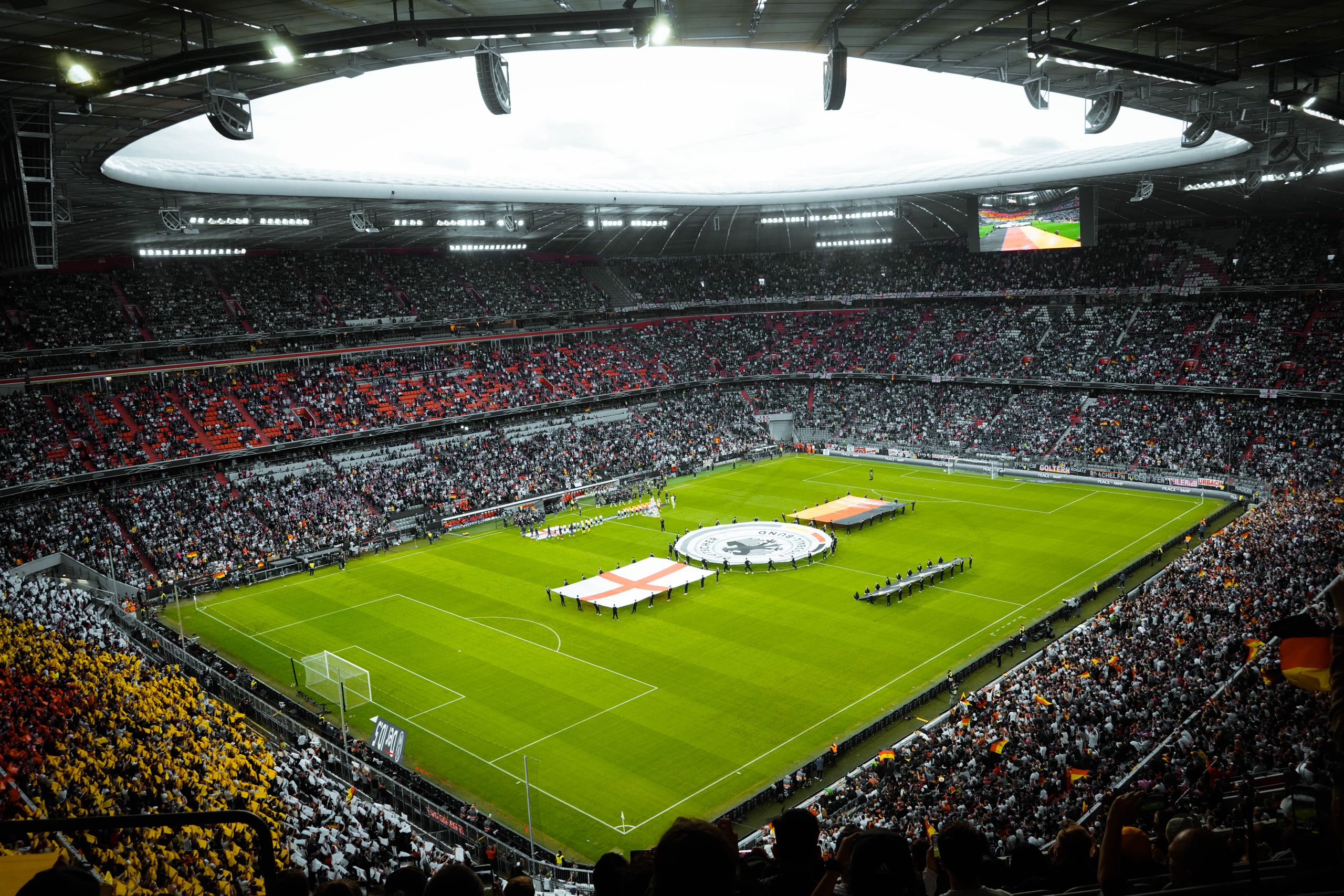
The 2026 World Cup has expanded to 48 teams and 104 matches, increasing revenue potential but also placing financial barriers on ordinary fans. Prices for regular seats for the U.S. opener reportedly start above $1,100, while premium seats reach over $2,700.
Soccer is meant to be accessible. When ticketing becomes a filter for wealth rather than a celebration of passion, the sport’s essence, the people’s game, is at risk. Families, youth fans, and local supporters may find themselves excluded from an event in their own country.

Visa Fear Turns Celebration Into Uncertainty
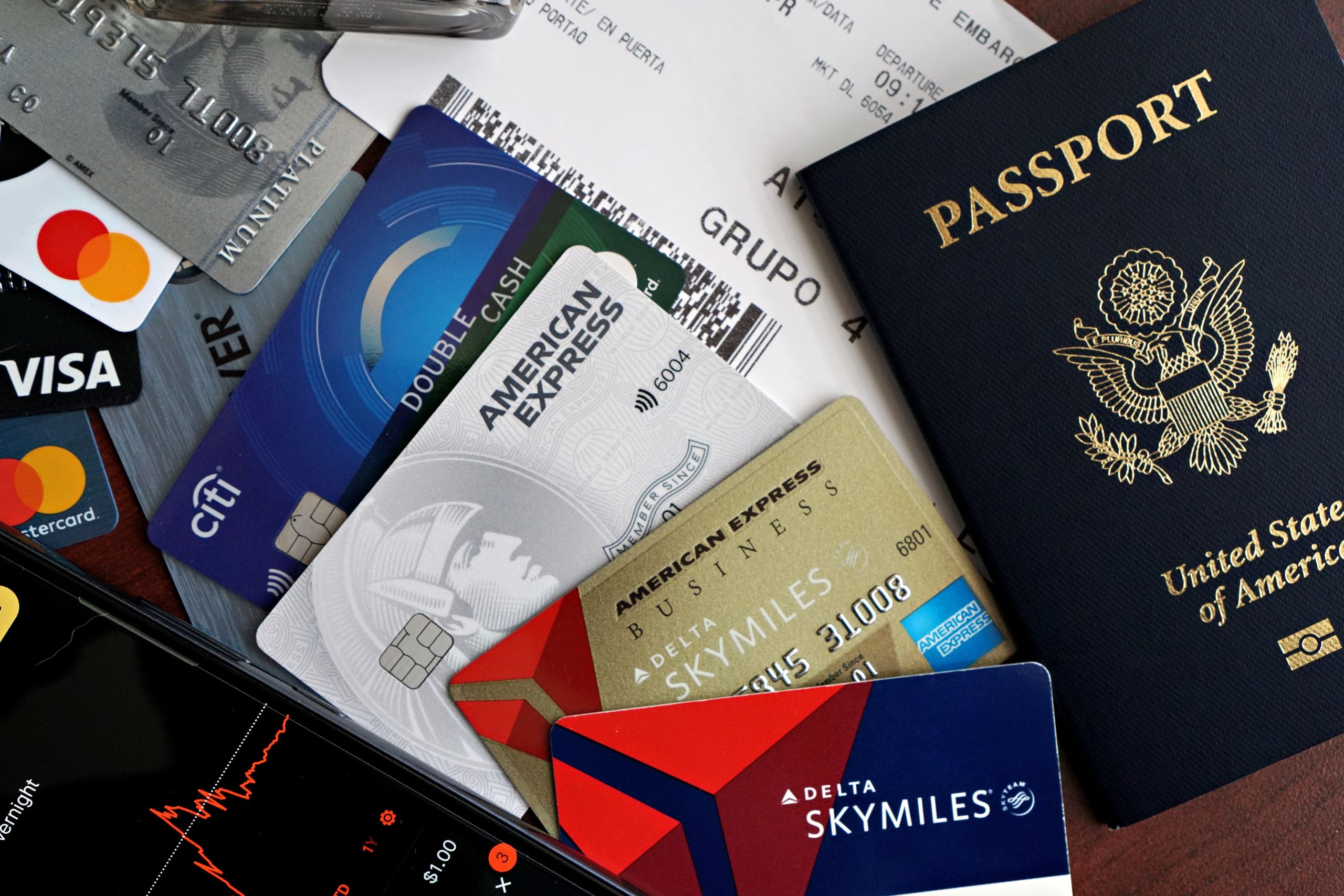
Omar Abdulkadir Artan, Somalia’s 2025 Referee of the Year, had valid documentation but was denied entry to the U.S., preventing him from officiating at the World Cup. This is not an isolated inconvenience; it signals to thousands of fans, officials, and journalists that entry is unpredictable.
When the “right papers” do not guarantee access, fear replaces excitement. Even legitimate travelers may hesitate, questioning whether their participation could be blocked arbitrarily.
FIFA Cannot Control the Host Country
FIFA President Gianni Infantino has defended the organization’s role in visa matters, noting that FIFA cannot override national immigration decisions. Expansion, new host cities, and increased revenue make the tournament more lucrative, but the global governing body has limited influence over local politics, border enforcement, or U.S. visa policy.
This lack of control undermines the promise of a seamless World Cup experience. A tournament advertised as a symbol of global unity is compromised when host nations introduce unpredictable obstacles.
Host Cities Bear the Brunt of Problems
Local organizers face the real consequences. Transit pressures, hotel occupancy, restaurant activity, and public safety rest on city officials. Empty stadiums or delayed arrivals due to visa confusion can create financial and logistical headaches for the neighborhoods hosting fans.
Greed at the top, through inflated tickets and FIFA profits, can result in a tangible loss for cities that expected tourism and commerce to flourish.
Press Freedom and Journalist Clearance
Journalists from Middle Eastern and African countries have faced visa denials or delays, raising concerns about coverage. Press freedom is not just symbolic; it is essential for transparency and for accurately capturing the event.
A tournament without full, fearless reporting compromises both the credibility and the global perception of the host nation.

American Soccer Fans Are Caught in the Middle
Local supporters have built American soccer culture through decades of youth leagues, MLS games, immigrant communities, and grassroots support. Now they face the embarrassment of having to explain why the tournament feels inaccessible or intimidating to visiting fans.
They are the unintended victims of high costs, political rhetoric, and bureaucratic barriers, forced to watch the World Cup experience become fractured in their own backyard.
Soft Power on the Global Stage
The World Cup serves as a form of soft power. Every stadium, airport, and city street reflects America’s capacity to welcome the world. Visa restrictions, inflated costs, and political messaging risk tarnishing the country’s image abroad.
A successful World Cup requires not just goals on the field but hospitality and openness off it. The early controversies suggest America may be failing in this critical dimension.
Expansion Brings Bigger Opportunities and Bigger Risks
The 48-team format and 104 matches increase exposure and revenue but also magnify logistical challenges: more teams, more officials, more journalists, and more fans navigating borders, cities, and infrastructure.
Expansion exposes vulnerabilities that smaller tournaments can mask, revealing the high stakes of hosting such a global spectacle in a politically charged environment.
Co-Host Contrast
The tournament spans the U.S., Canada, and Mexico. While each country has its own responsibilities, much of the controversy focuses on the U.S., highlighting inconsistencies in accessibility and signaling the fragility of North America’s global welcome.
America Wanted the World Cup’s Money. Now It Has to Prove It Wants the World
The 2026 World Cup could still be unforgettable. Stadiums can be filled, upsets can thrill, and new heroes can emerge. But true success is measured by whether visitors, officials, journalists, and fans alike feel welcome, valued, and safe.
A host nation that prioritizes profit over access risks losing more than applause. It risks credibility, trust, and the very cultural impact that the World Cup was meant to amplify. The U.S. has the infrastructure, the passion, and the talent to stage an extraordinary tournament, but only if it remembers that hospitality is as critical as spectacle.