Most families do not think about science while making school lunches, paying the electric bill, or sitting in traffic behind a delivery truck. Science feels far away until it shows up in the phone, the pharmacy, the grocery aisle, the doctor’s office, or the weather report.
That is the strange thing about progress. It can save lives, make work easier, grow food faster, and connect people across the country. It can also move so quickly that ordinary people only notice the risks after the tools are already everywhere.
The point is not to fear discovery. The point is to understand how good ideas can create bad side effects when money, speed, pride, or poor oversight gets ahead of caution.
Science is powerful because it changes the world. That power is exactly why mistakes can travel farther than anyone expected.
Why Good Science Still Needs Strong Guardrails
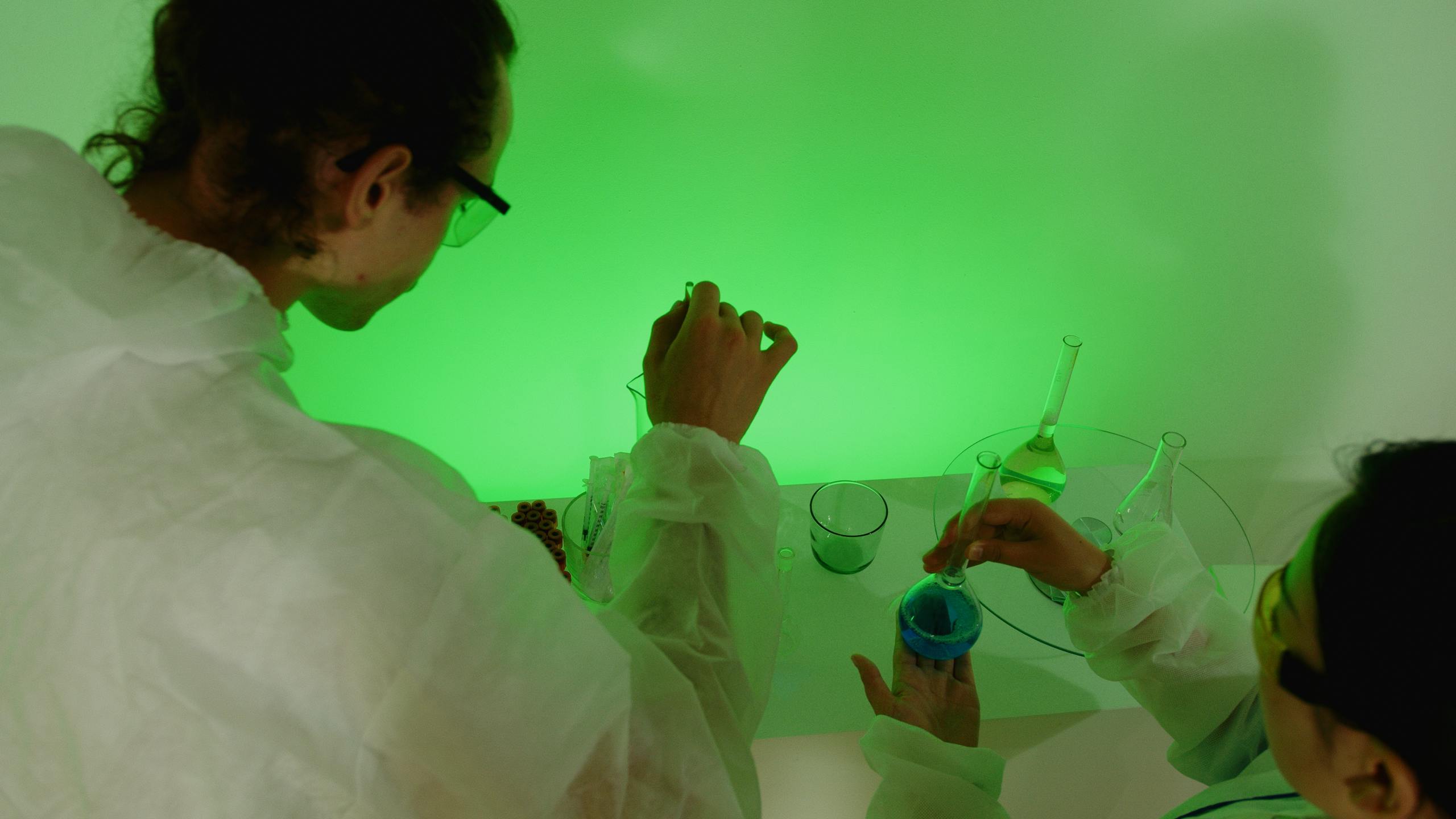
Science works best when curiosity meets discipline. Researchers test, question, repeat, review, and correct. But real life can pressure that process through funding races, political demands, corporate competition, and public panic.
The danger starts when discovery becomes a sprint with weak brakes. A tool may work in the lab, then behave differently in hospitals, farms, schools, markets, homes, or public systems. The gap between “possible” and “safe enough” is where trouble often begins.
AI Tools Could Make Bad Decisions Look Official
Artificial intelligence can help doctors read scans, banks detect fraud, schools organize learning, and companies spot patterns faster than humans. The risk is that people may trust AI because it sounds confident, even when it is wrong, biased, incomplete, or poorly tested.
That matters because AI decisions can affect jobs, loans, medical care, policing, insurance, and public services. Guidance around AI risk management exists because these systems can create harm when they are not transparent, fair, secure, and accountable. A smart tool can still make a dumb mistake at scale.
Lab Research Can Create Risks While Studying Threats
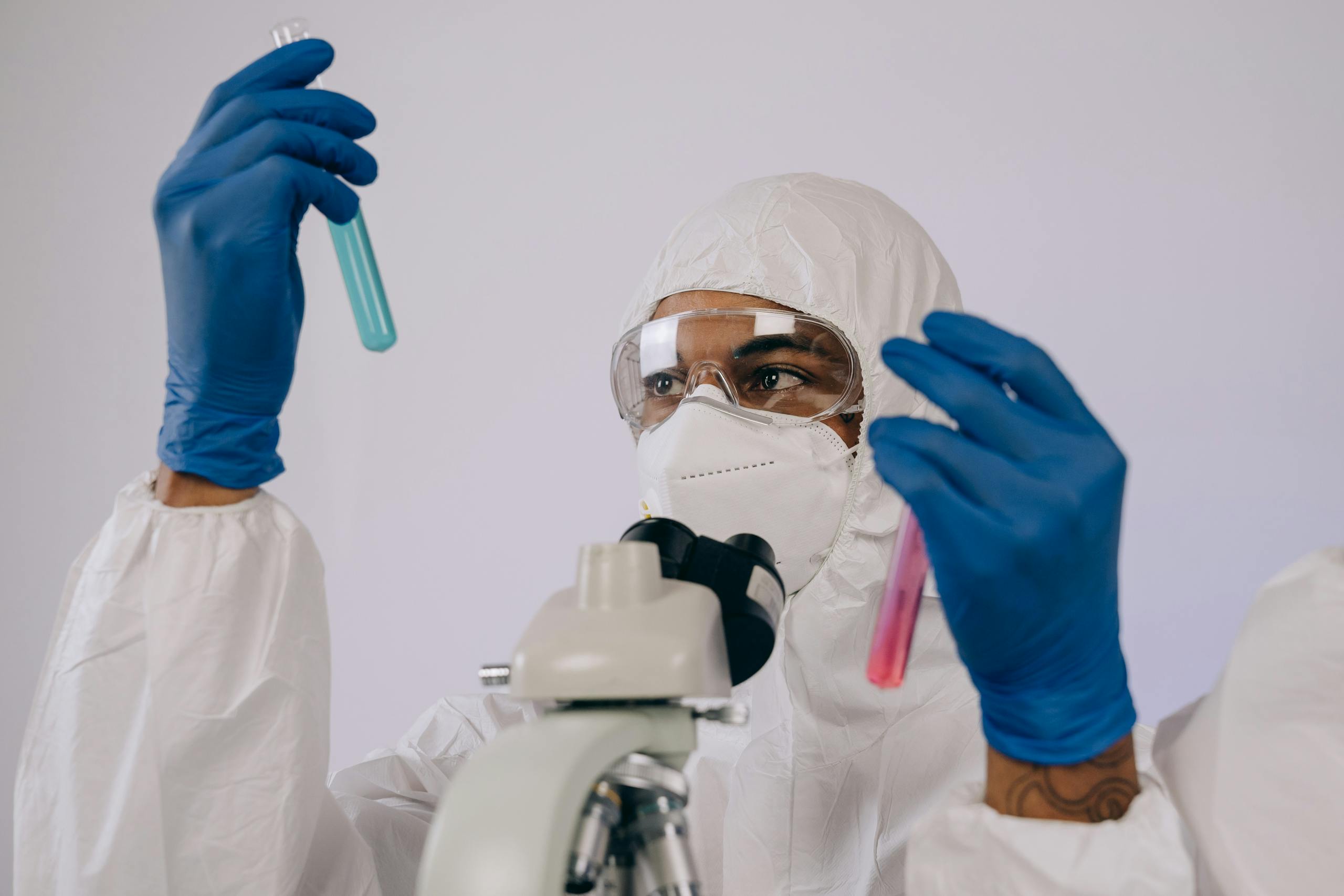
Some research studies dangerous pathogens so society can prepare better vaccines, treatments, and defenses. That work can be valuable, especially after the world has seen how fast disease can disrupt schools, families, travel, hospitals, and the economy.
Still, certain experiments raise serious questions because the same knowledge that helps protect people could be misused or mishandled. Oversight for dual-use research exists because some discoveries can carry both public benefit and public risk. The line between preparation and danger must be carefully watched.
Space Innovation Could Leave a Mess Above Earth
Satellites help Americans use GPS, forecast weather, monitor storms, connect phones, support banking, guide shipping, and gather climate data. Space technology now supports ordinary life in ways most people never notice. That makes it easy to forget how crowded orbit has become.
The problem is that broken satellites, spent rocket parts, and collision fragments can remain dangerous long after a mission ends. The orbital debris threat poses risks to spacecraft, space services, and future missions. One accident in orbit can create debris that causes more accidents, turning progress into a high-speed junkyard.
Gene Editing Could Fix Diseases and Create New Problems
Gene editing has the kind of promise that sounds almost miraculous. It could help treat inherited diseases, improve crops, and unlock answers that previous generations could barely imagine. For families facing serious illness, that hope is deeply personal.
The risk is that biology is not a simple machine with one clean switch. Changing a single part of a genome may have effects that researchers did not intend or do not yet fully understand. Science can move faster than ethics, and once living systems are altered, the consequences may not stay neatly contained.
Antibiotics Can Become Weaker Through Overuse
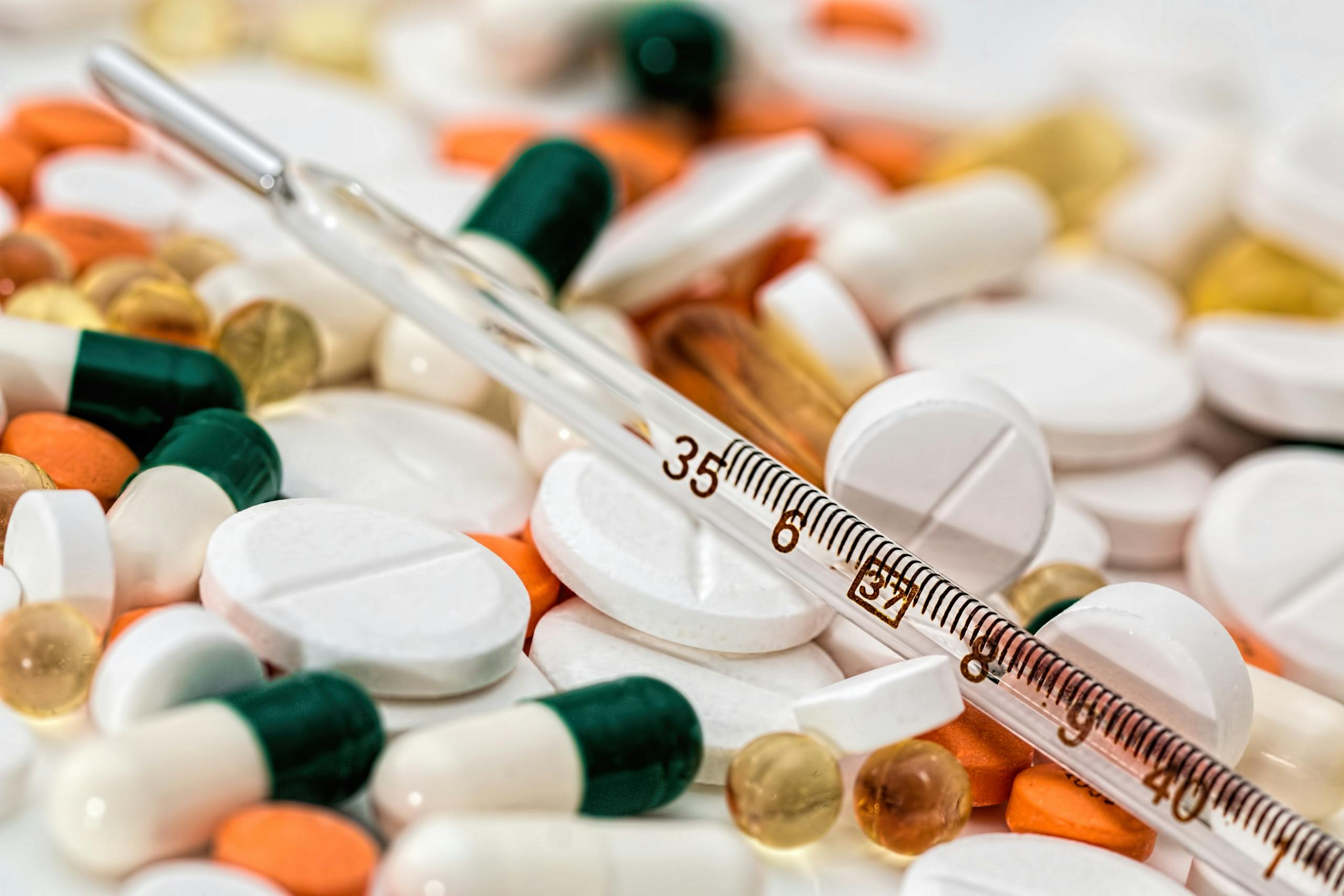
Antibiotics are among the greatest medical gifts of modern life. They turn once-deadly infections into treatable problems and protect people through surgery, childbirth, cancer care, and emergencies. It is hard to overstate how much ordinary medicine depends on them.
The danger comes when these drugs are overused, misused, or relied on too casually in human health, animal agriculture, and global supply chains. The threat of antimicrobial resistance grows as germs adapt and medicines lose effectiveness. A future where common infections become harder to treat would not feel futuristic. It would feel brutally old-fashioned.
Climate Fixes Could Trigger New Climate Fights
Some scientists study ways to cool the planet by reflecting sunlight or changing parts of the atmosphere. That sounds tempting, given that heat waves, floods, wildfires, and insurance costs are already stressing American households. People want solutions because the climate problem feels bigger every year.
But large-scale climate intervention could create new disputes over rainfall, farming, ocean systems, global power, and who gets to control Earth’s thermostat. Research into solar geoengineering shows why governance matters before anyone tries major experiments. A tool meant to reduce risk could create conflict if the world does not agree on the rules.
Nanotechnology Could Hide Big Risks in Tiny Materials

Nanotechnology works at sizes too small for the human eye to grasp. It can improve medicine, electronics, coatings, packaging, energy storage, and manufacturing. The appeal is obvious because tiny materials can behave in powerful new ways.
That is also the concern. Materials at very small scales may interact with the body or environment differently than larger versions of the same substance. If testing lags behind commercial use, everyday products could carry risks that were easy to miss because the danger was literally too small to see.
Medical Breakthroughs Can Outrun Public Trust
New medical science can save lives, but trust is fragile. A rushed rollout, a confusing message, a hidden conflict of interest, or a poorly explained side effect can make people suspicious, even when the medicine is useful. Once trust breaks, facts have to fight an uphill battle.
That can create danger in two directions. Unsafe products may spread too fast if oversight is weak, and safe treatments may be rejected if people feel misled. Science needs evidence, but it also needs honesty, patience, and clear communication that respects ordinary people.
Conclusion
Science is not the villain. It gives families cleaner water, safer surgery, stronger buildings, better communication, improved food systems, and longer lives. The real issue is that powerful tools need careful hands.
The biggest science dangers often begin with good intentions. Someone wants to cure a disease, prevent a disaster, improve convenience, or solve a problem faster than before. That ambition can help humanity, but it can also create new risks when humility disappears.
Progress should keep moving. It should also keep asking harder questions before the damage becomes impossible to ignore.