America’s spiritual burnout is starting to feel less like a private mood and more like a national weather pattern. People still smile, post, work, shop, pray, scroll, and pretend they are fine, but many feel hollow under the routine. Something deeper is happening beneath the noise, and these signs show why the soul of daily life feels so tired.
This is not about blaming any one faith, lifestyle, or generation. It is about the strange exhaustion people feel when meaning becomes hard to find, community feels thinner, and rest turns into another task on the calendar. So, why does America’s spiritual burnout feel louder now, even when everyone has more apps, advice, and self-care candles than ever?
People Feel Busy Yet Strangely Empty
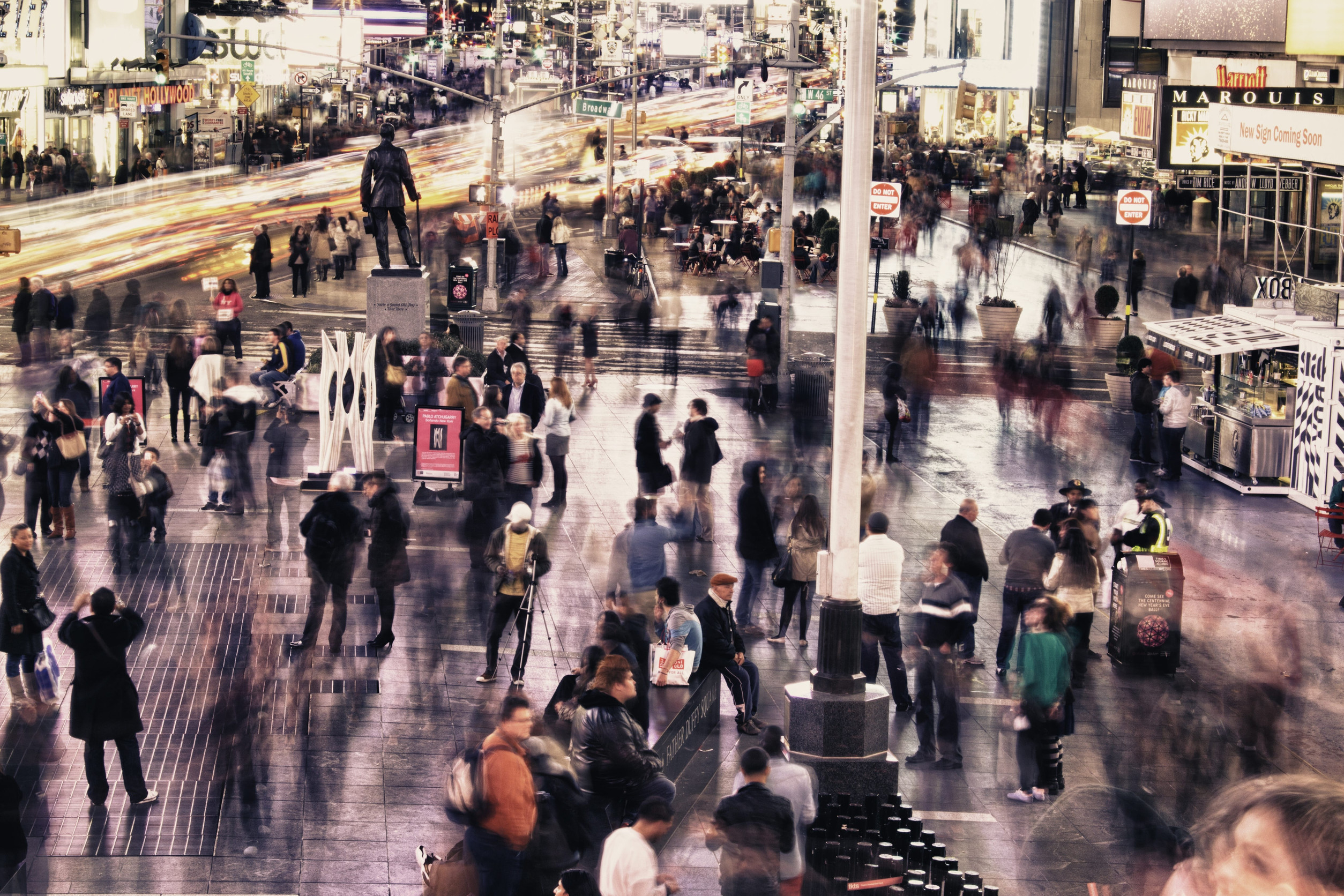
A clear sign of America’s spiritual burnout is how people stay busy but feel emotionally vacant. Calendars fill up, phones buzz, errands pile high, and still many people end the day asking what any of it meant. Does a packed schedule really count as a full life?
This kind of emptiness can hide behind productivity. People chase goals, answer messages, attend events, and keep proving they are useful. Yet the quiet moments can feel awkward because they reveal how little peace sits underneath the performance.
The problem is not ambition. The problem starts when achievement becomes a substitute for inner grounding. At some point, even the most organized life can feel like a beautiful suitcase with nothing inside.
Community Feels Harder To Trust
Another sign of spiritual burnout is the slow loss of trust in the community. Many Americans crave belonging, but they also feel guarded, judged, or tired of drama. It is hard to feel spiritually fed when every group chat feels like a tiny courtroom.
Community used to offer comfort, identity, and shared rhythm for many people. Now, friendships can feel transactional, neighborhoods feel distant, and even family gatherings can turn tense. People want connection, but they also want an escape route.
That tension creates a lonely middle ground. People want to be seen, but they fear being misunderstood. FYI, no amount of online likes can fully replace the relief of being known by real people who do not treat your life like content.
Faith Becomes Another Culture War
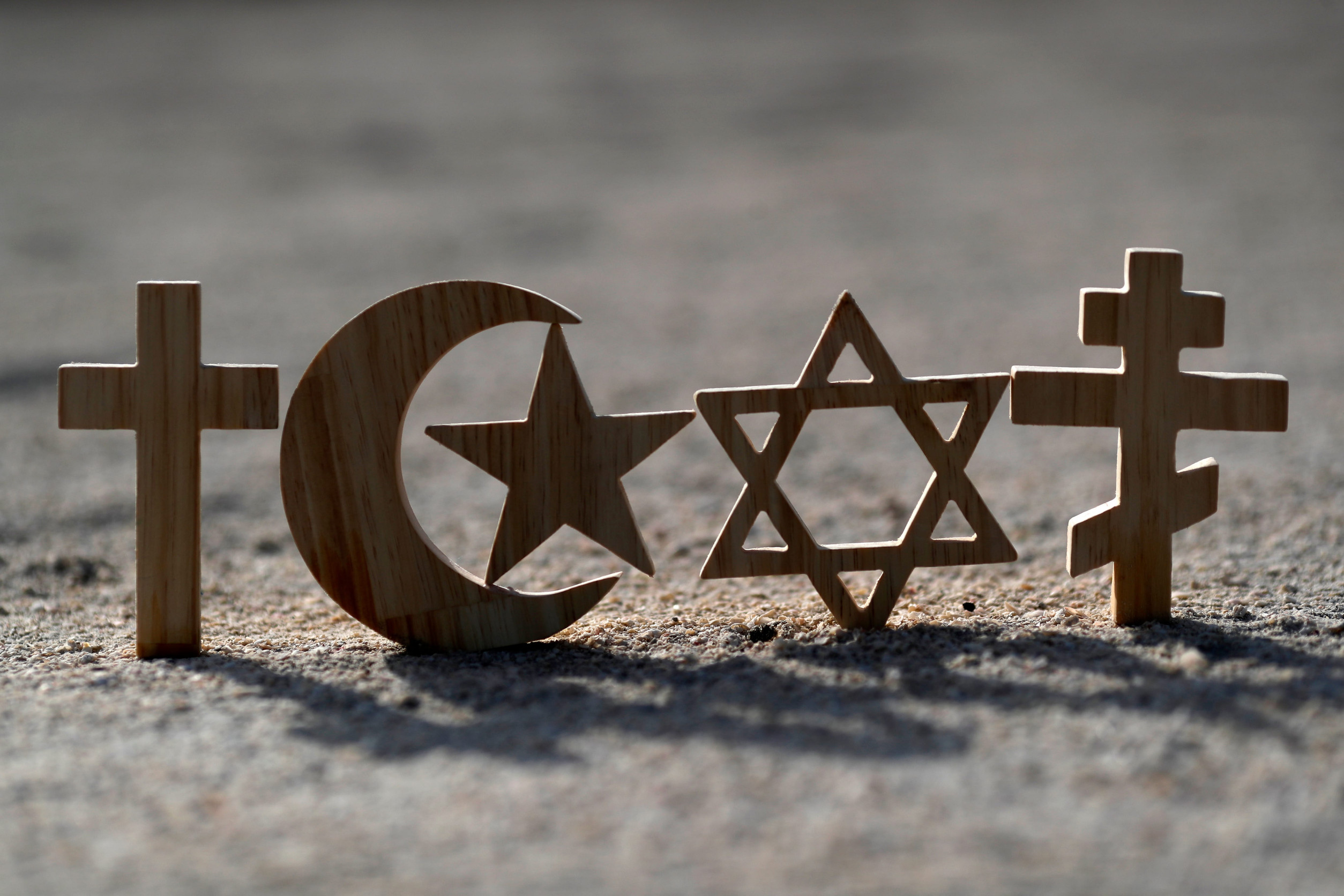
Faith once gave many people language for hope, forgiveness, service, and humility. Now, it often gets dragged into public fights, leaving everyone bruised. When spirituality becomes another shouting match, tired people naturally step back.
This does not mean people stop caring about God, purpose, or morality. It means they grow exhausted by the noise around those topics. Who wants to seek peace in a room where everyone keeps bringing a megaphone?
The tragedy is that sincere spiritual hunger can get buried under public performance. People may still long for grace, but they distrust the stage around it. That makes America’s spiritual burnout feel especially harsh because the cure can look tangled in the problem.
Rest Feels Like Something People Must Earn
A tired soul often reveals itself through the inability to rest. Many people treat rest like a prize they receive only after complete exhaustion. That mindset sounds productive, but let us be honest, it is basically burnout wearing a nice blazer.
Real rest asks people to stop proving their worth for a moment. That can feel scary in a culture that praises hustle like it invented oxygen. If someone slows down, guilt often rushes in and asks what they think they are doing.
Spiritual burnout deepens when rest feels suspicious. People need quiet, reflection, prayer, nature, laughter, and unplanned time. Without those spaces, the inner life starts running on fumes and sarcasm.
People Chase Wellness But Still Feel Unwell

The wellness world keeps selling calm, and many Americans keep buying it. There are journals, teas, retreats, routines, crystals, apps, powders, and chairs that cost more than rent. Yet many people still feel anxious, disconnected, and spiritually drained.
This does not mean wellness habits are useless. Many practices can help people slow down and care for their bodies. The trouble starts when wellness becomes another performance instead of a path back to honesty.
Spiritual burnout cannot always be solved by buying a better morning routine. Sometimes people need deeper repair, safer relationships, and a reason to keep hoping. IMO, no smoothie can carry the emotional weight of an entire broken support system.
Outrage Feels More Addictive Than Compassion
A spiritually tired culture often feeds on outrage. People wake up, check their phones, and enter a fresh parade of anger before breakfast. Is it any wonder the soul feels crispy by lunch?
Outrage can feel energizing because it gives people a target. It makes the world feel simple for a moment, with heroes on one side and villains on the other. Compassion takes more effort because it asks people to see complexity.
That is why constant anger drains spiritual life. It trains people to react before they reflect. Over time, the heart becomes good at fighting and bad at softening.
People Avoid Silence Because It Feels Too Loud
Silence can reveal what constant noise keeps hidden. Many people avoid it because quiet brings up grief, regret, doubt, fear, and questions they have postponed for years. A phone makes a very convenient shield, does it not?
Spiritual burnout grows when people lose the ability to sit with themselves. Every pause gets filled with podcasts, videos, errands, snacks, or scrolling. Silence starts feeling less like peace and more like an ambush.
Yet silence can also heal. It helps people hear what they actually need, not what the feed tells them to want. Without silence, the inner life becomes a crowded room where everyone talks except the soul.
Hope Starts To Feel Naive
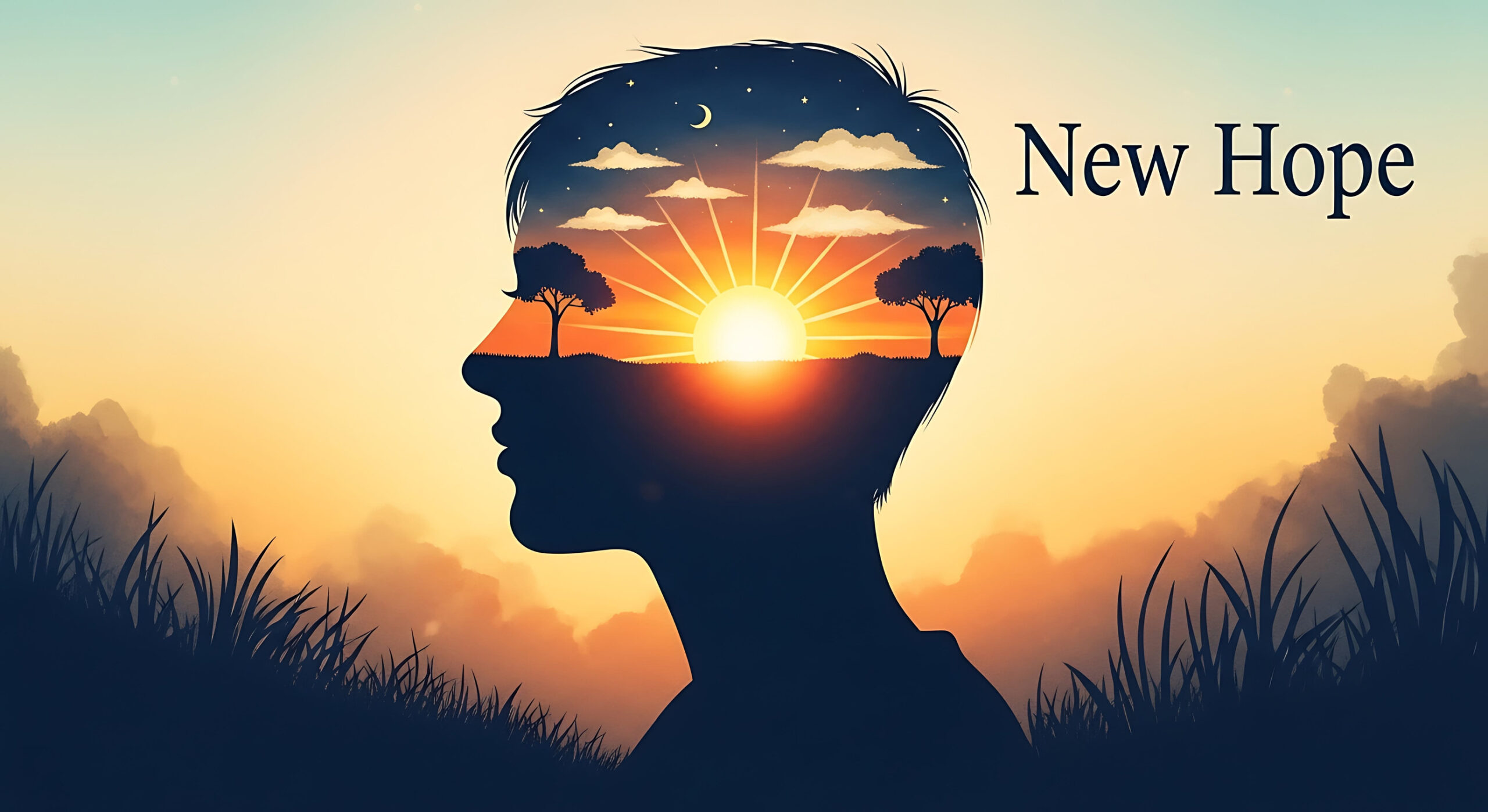
One of the harshest signs of spiritual burnout is the suspicion of hope. Many Americans want to believe life can get better, but they also feel trained by disappointment. Hope begins to look childish, like something people outgrow after enough bills, bad news, and awkward family texts.
Cynicism can feel smart because it protects people from looking foolish. It says, “Expect less, and you will hurt less.” Cute plan, except it also makes joy feel embarrassing and trust feel dangerous.
A culture cannot stay spiritually healthy without hope. People need reasons to repair, forgive, build, serve, and keep showing up. When hope feels naive, burnout has moved from the schedule into the spirit.
Conclusion
America’s spiritual burnout is not just about religion, church attendance, or personal belief. It shows up in emptiness, distrust, outrage, loneliness, restless ambition, and the fear of silence. It creeps into ordinary life until people can barely tell whether they are tired, numb, or simply used to living disconnected.
The good news is that burnout can be identified before it becomes normal. People can rebuild meaning through slower days, honest relationships, shared service, prayer, reflection, therapy, community, and kinder habits. None of that sounds flashy, but the soul rarely heals through flashy things.
Maybe the real question is not why people feel spiritually tired. Maybe the better question is: what are they feeding that tiredness? America’s spiritual burnout gets worse when people ignore it, but it can ease when people finally stop pretending noise is the same as life.