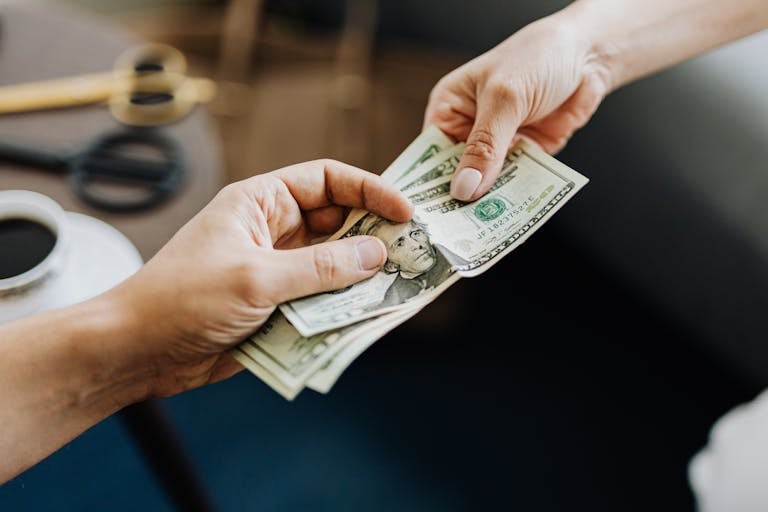
A plumbing emergency has a nasty way of making people panic with their wallets open. One minute, water is pooling under the sink, the toilet is gurgling like a warning siren, or the water heater has decided to retire without notice. The next minute, we are staring at a stranger in work boots who says the repair is urgent, expensive, and impossible to delay.
That pressure is exactly why plumber scams work so well. Most homeowners do not know what a fair price for a pipe repair, drain cleaning, fixture replacement, or sewer inspection should be, so a shady contractor can bury the truth under confident talk and scary warnings. We do not need to become plumbing experts, but we do need to know the tricks that separate a legitimate professional from someone trying to turn a household problem into a payday.
The Unlicensed Plumber With a Suspiciously Cheap Price
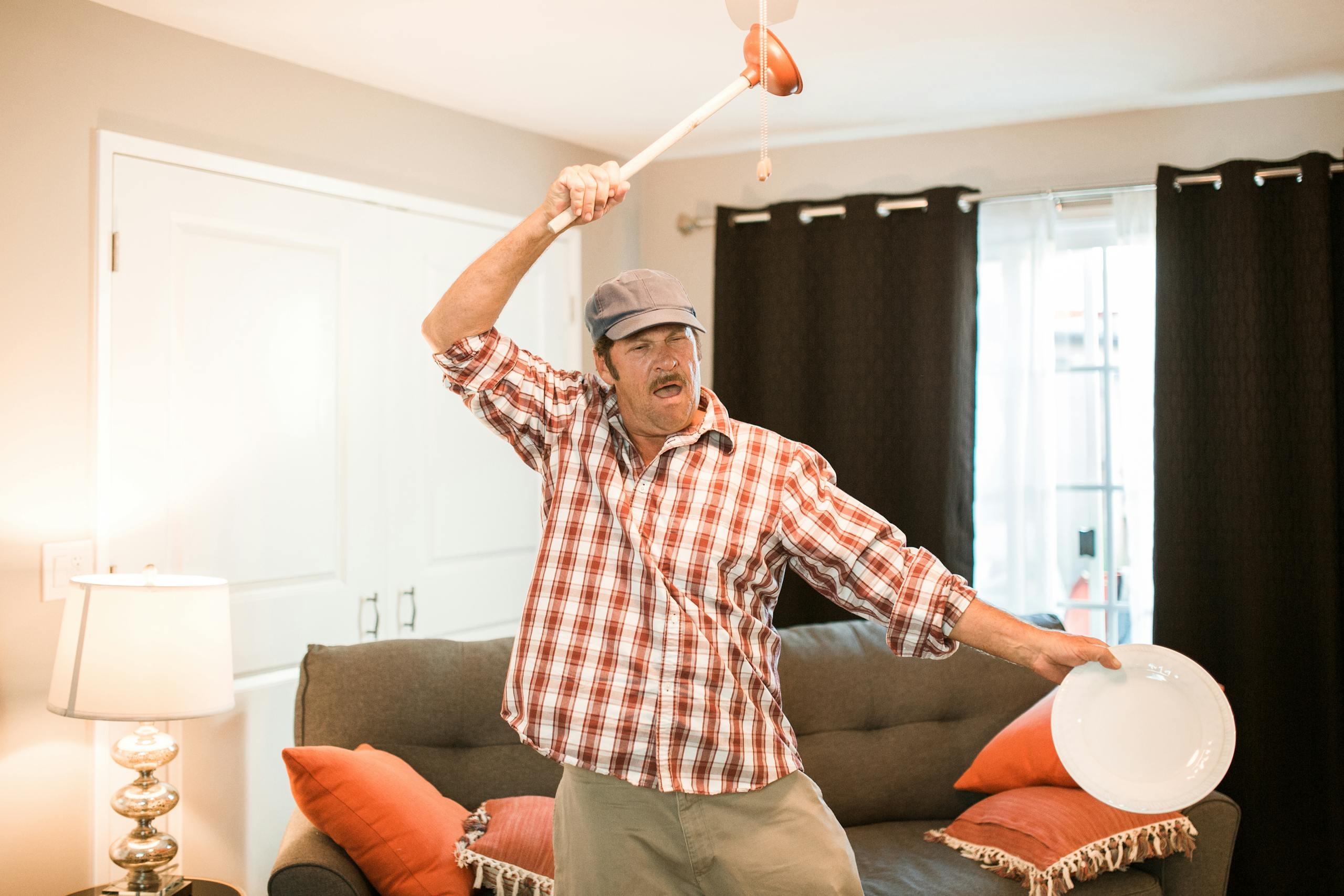
A cheaper quote can feel like a blessing when repair costs are already stressful. The danger starts when the person offering that low price cannot show a valid license, insurance, or proof that they are allowed to perform the type of work being offered. For basic tasks, a handyman may be suitable in some areas, but complex plumbing repairs often require licensed professionals.
The risk is not just poor workmanship. If an unlicensed worker damages a pipe, floods a room, breaks a fixture, or violates local code, the homeowner may have little protection. We should always ask for license details before work begins, especially for water heater installation, sewer work, major pipe replacement, bathroom remodeling, and anything that may require permits.
Five Minute Deals That Pressure Homeowners Into Paying
High-pressure sales tactics are a major warning sign in plumbing. A dishonest plumber may say the discount expires in minutes, the repair must happen immediately, or the house will suffer severe damage if the homeowner does not approve a large job on the spot. Urgency can be real in plumbing, but pressure is not the same as professional guidance.
A trustworthy plumber explains the risks, options, and timeline without cornering the homeowner. We should slow the conversation down by asking for the estimate in writing and requesting time to compare. If the plumber becomes irritated, dismissive, or threatening after basic questions, that behavior tells us a lot.
Too Many Choices Designed to Create Confusion
Choice can be useful, but too many vague options can become a sales trick. A plumber may overwhelm the homeowner with several repair packages, confusing technical language, and unclear price differences. The goal is to make the homeowner feel unqualified, then push them toward a more expensive option.
We should ask for the practical difference between each choice. What happens if we pick the basic repair? What does the higher-priced option solve? Is replacement truly necessary, or is repair still reasonable? A good plumber can make the decision easier, not more confusing.
Demands for Full Payment Before Work Begins
Some plumbing jobs require a deposit, especially when custom parts, major equipment, or large projects are involved. Full payment up front is different. A plumber who demands payment in full before doing any work poses a serious risk to the homeowner.
We should avoid paying the full bill before the job is complete. For larger projects, a written payment schedule is safer. That schedule should connect payments to progress, such as deposit, rough in completion, inspection stage, and final approval. If a contractor wants all the money before lifting a tool, we should walk away.
Extra Workers Added Without a Clear Reason

Some plumbing jobs truly need more than one person. Sewer line replacement, water heater removal, slab work, trenching, and large fixture installation can require extra hands. The scam occurs when a plumber brings unnecessary workers and bills the homeowner for a larger crew than the job requires.
We should ask who will perform the repair and how labor is charged. If the estimate includes multiple workers, the plumber should explain why. Clear communication prevents surprise labor charges and helps us understand whether we are paying for efficiency or being padded for profit.
Cheap Parts Swapped in Without Permission
A bait-and-switch can occur when a plumber promises one part but installs another. The homeowner may pay for a high-quality faucet, valve, water heater component, toilet part, or pipe material, only to receive a cheaper substitute. This is hard to catch if the receipt is vague.
We should request the make, model, brand, and warranty details for major parts before installation. After the job, the receipt should match what was installed. For expensive fixtures and equipment, it is reasonable to keep packaging, manuals, and model numbers for future warranty claims.
Cash Discounts With No Receipt

A cash discount is not automatically a scam, but a cash-only deal with no receipt is a problem. Without documentation, the homeowner has no record of payment, no proof of the work performed, and no support if the repair fails. That missing paper trail benefits the dishonest worker, not the homeowner.
We should insist on a receipt regardless of payment method. A real receipt should include the business name, date, service address, description of work, parts used, labor charges, payment amount, and warranty terms. If a plumber refuses to provide written proof, we should not trust the transaction.
Warranty Excuses After the Repair Fails
Some plumbing scams continue after the job is done. A plumber may offer a warranty, then refuse to honor it by blaming the homeowner for normal use. They may claim a toilet leak was caused by plunging, a faucet issue by hard water, or a pipe failure by unrelated household behavior.
We should get warranty terms in writing before paying the final bill. The warranty should state what is covered, how long coverage lasts, and what voids it. A fair warranty does not rely on vague accusations. It gives both sides clear expectations.
Emergency Fees That Appear Too Late

Emergency plumbing service often costs more, especially after hours, on weekends, or during holidays. That is normal when disclosed early. The scam occurs when emergency, dispatch, diagnostic, or fuel charges, or premium labor rates, are charged only after the plumber arrives.
We should ask about all visit charges before scheduling the appointment. A simple question helps: what will we owe if we do not approve the repair after the inspection? The answer should be clear before anyone is sent to the house.
Conclusion
A plumbing problem can already feel expensive before anyone opens a toolbox. We should not let fear turn a manageable repair into an inflated bill, an unnecessary replacement, or a cash deal with no protection. The best plumbers welcome questions because clear communication makes the job smoother for everyone.
When we know the common warning signs, we can hire with more confidence. We can spot the fake urgency, the suspiciously cheap quote, the vague receipt, the bait-and-switch, and the scary claim that lacks proof. The leak may be urgent, but our decision still deserves a clear estimate, a licensed professional, and a paper trail that protects our home long after the water stops running.