A used car may seem like a bargain—until expensive problems appear. Low prices quickly lose appeal when the transmission fails, the engine burns oil, or electronics malfunction, turning savings into a costly repair cycle.
That is why it’s important to look beyond surface appeal. Many used cars share issues that appear in recalls, owner complaints, service bulletins, repair reports, and reliability data.
This guide highlights used cars, SUVs, minivans, and crossovers that need extra caution. Some years are riskier than others. Without documented maintenance, recalls, clear ownership, and a proper inspection, these models can turn a good deal into a costly mistake.
Nissan Pathfinder: Transmission Trouble Can Ruin the Deal

The Nissan Pathfinder offers family space, four-wheel drive, and a trusted name, but risky years require caution. From 2005 to 2008, Pathfinders were known for radiator failures that mixed coolant and transmission fluid, causing severe damage that could sideline the SUV.
The scary part is how quietly transmission problems can begin. A Pathfinder may start with a shudder, delayed engagement, hesitation, whining noise, or rough acceleration. A seller may describe it as “normal for the model” or “just needs a fluid change.”
Do not accept that explanation without a specialist inspection. Transmissions are among the most expensive used-car repairs, and a cheap SUV with a weak transmission is often just an invoice waiting to happen.
For older Pathfinders, check for documented radiator replacement, transmission service history, and evidence that coolant never contaminated the transmission. For 2013 models, pay close attention to CVT behavior during low-speed acceleration and highway merging. Any vibration, slipping, warning light, or delayed response should be treated as a serious reason to walk away.
BMW X5: Luxury SUV Comfort With Luxury SUV Repair Bills
The BMW X5 is an attractive used luxury SUV because depreciation makes older models look affordable. But that price drop can be misleading. A used X5 may cost the same as a basic family crossover, but not in the repair shop. Parts, labor, diagnostics, tires, brakes, cooling-system work, oil leaks, suspension repairs, and electronic faults can all cost more than buyers expect.
The 2007 to 2013 BMW X5 demands special caution, especially high-mileage examples with incomplete records. These models may face oil leaks, cooling system failures, power steering and fuel issues, worn suspension, and electronic faults. A smooth test drive can hide years of missed maintenance.
Only consider a used X5 if it comes with extensive service records, proof of major maintenance, no warning lights, no active leaks, healthy cooling system behavior, clean diagnostic scans, and a budget for premium upkeep. Buyers who stretch to afford the purchase price often regret it because the real cost begins after ownership.
If the X5 has multiple previous owners, cheap mismatched tires, vague service history, or a seller who avoids questions, move on.
Mini Cooper: Charming Design, Frustrating Used-Car Risk

The Mini Cooper is fun and stylish, but certain 2007 to 2012 models are known for engine, timing chain, cooling, turbo, clutch, oil leak, and electrical issues. A small car does not guarantee small repair costs.
The risk grows when previous owners treated the car like a fashion accessory instead of a maintenance-heavy European compact. Minis need proper oil changes, cooling system maintenance, quality parts, and mechanics who understand the platform.
A neglected Mini can punish the next buyer with rattles, warning lights, overheating, rough idle, smoke, or expensive timing-chain noise. A cheap Mini with no records should be a warning sign, not a source of excitement.
Check cold-start noise carefully. A rattling sound from the engine area, a history of overheating, coolant smell, oil leaks, slipping clutch, or turbo lag should raise immediate concern. A well-maintained Mini can still be enjoyable, but bargain examples often exist because the current owner knows the next repair is on the horizon.
Ford Focus: PowerShift Transmission Complaints Make It a Risky Used Buy
The Ford Focus seems like a smart buy, but 2012 to 2016 models with the PowerShift transmission have a reputation for shuddering, jerky starts, clutch issues, and rough low-speed behavior.
Be careful because transmission complaints can be disguised during a quick test drive. The car may behave decently once moving, then reveal the problem in traffic, parking lots, slow turns, and stop-and-go driving. Warning signs include shaking on takeoff, delayed acceleration, slipping, grinding sensations, repeated software updates, and service records showing clutch work.
A manual-transmission Focus can be a different conversation, but the automatic versions from the affected years need extra scrutiny. Test the car cold, drive it slowly, accelerate gently from a stop, creep in traffic, reverse up a slight incline, and scan for transmission codes. If the transmission feels strange, do not negotiate. Walk away.
Ford Fiesta: Cheap Used Prices Can Hide Costly Transmission Frustration
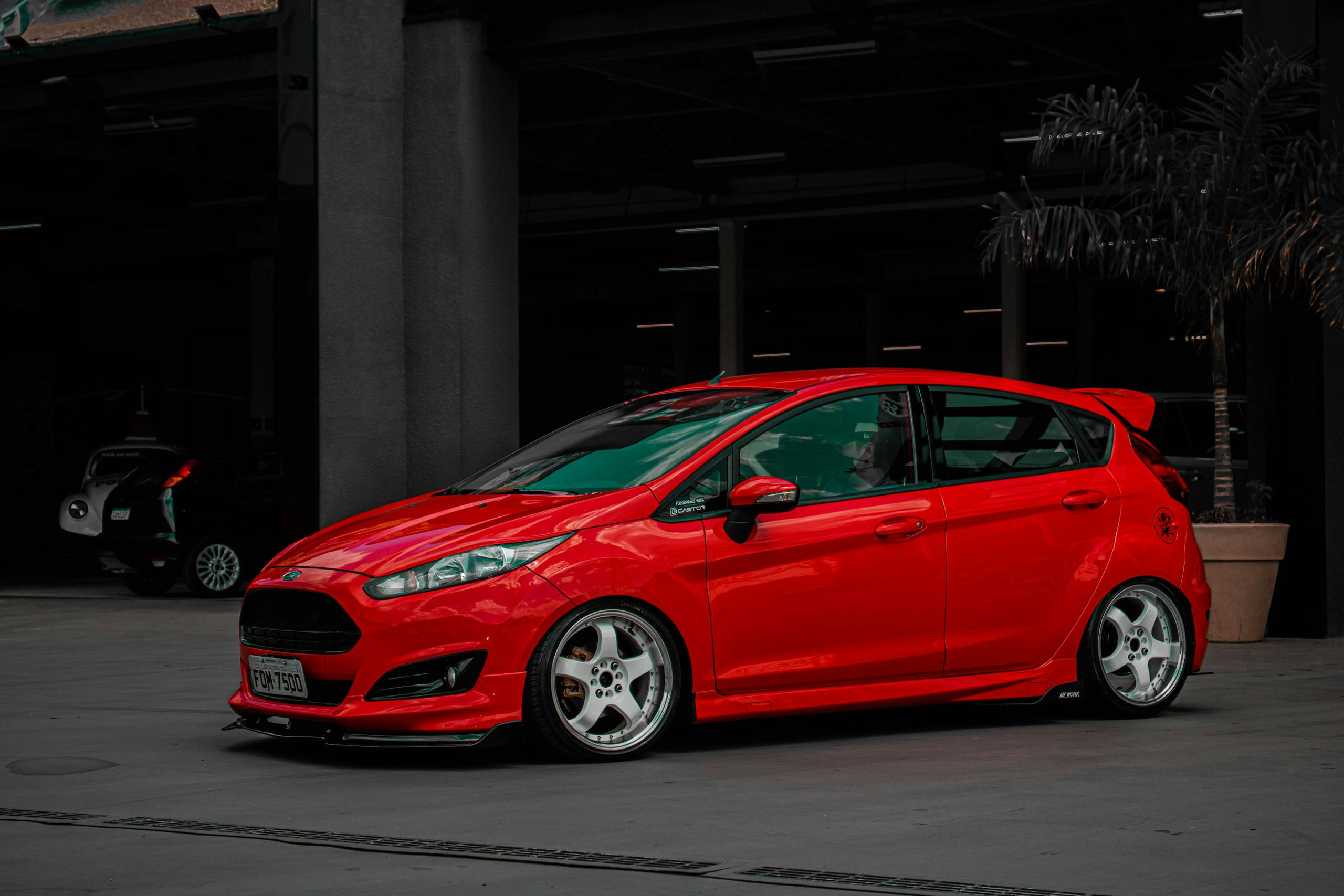
The Ford Fiesta shares Focus’s PowerShift transmission issues. Low prices attract budget buyers, but shuddering, jerking, and clutch work can quickly erase any savings.
The riskiest years include 2011 to 2016, with extra caution for 2014 to 2015 models covered by clutch-shudder warranty programs. A Fiesta with the automatic transmission may feel acceptable during a gentle test drive, but symptoms often appear during slow acceleration, uphill starts, traffic crawling, and parking-lot movement. Many buyers skip those conditions during a rushed inspection.
Do not buy an automatic Fiesta from these years without proof of repair history and a careful mechanical inspection. If the car has a manual transmission, clean service records, and no hidden crash or flood history, consider it more seriously. However, the automatic versions deserve a firm warning, as the transmission’s reputation is well known.
Chevrolet Equinox: Oil Consumption Can Turn Into Engine Trouble
The Chevrolet Equinox (2010–2014) with the 2.4-liter engine is known for excessive oil consumption. Failure to monitor and service can lead to timing-chain wear and engine damage.
The danger is simple. Many used-car buyers assume oil problems would be obvious, but they are not. A vehicle can look clean and pass a short test drive. It can still be consuming oil at a high cost. By the time warning lights appear, the engine may already be worn. That is why Equinox service records matter so much. We want proof that oil changes were on schedule, and any known oil-consumption repairs were handled properly.
Avoid any Equinox from the risky years if the seller cannot show maintenance records. Also, check the dipstick before and after the test drive, inspect for timing-chain noise, look for smoke, scan for engine codes, and ask directly about oil use between changes. A seller who says “just add a quart now and then” may be describing exactly why not to buy it.
GMC Terrain: The Same Engine Warning in a Different Suit
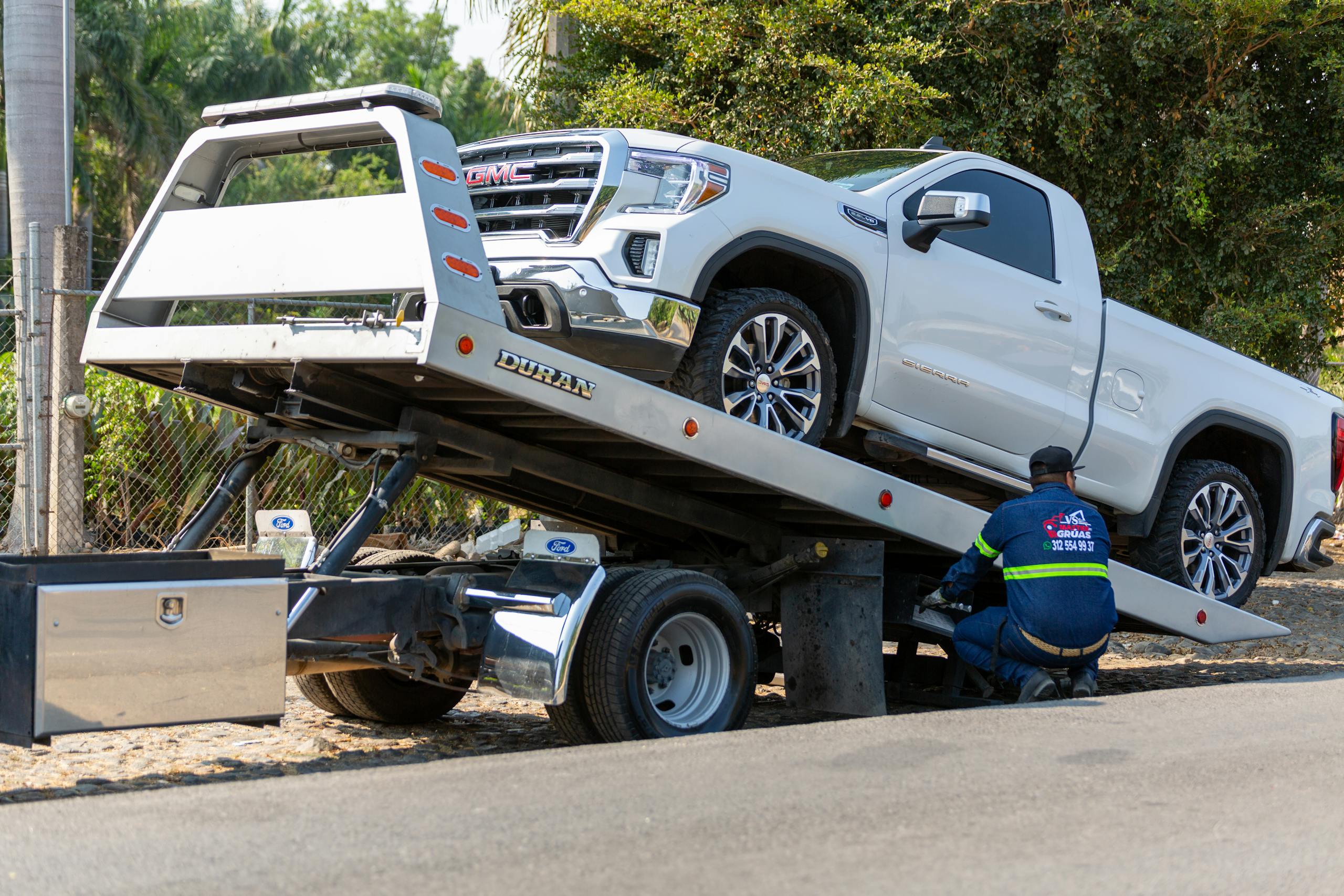
Early 2010s GMC Terrain models with the 2.4-liter engine share Equinox’s oil consumption, piston-ring, timing-chain, and engine-wear risks despite their upscale looks.
The Terrain can also attract buyers who want a comfortable, affordable compact SUV without paying Toyota RAV4 or Honda CR-V money. That is understandable, but price alone should not guide the purchase. A cheaper used crossover can cost more over two years if it needs engine work. Used-car value is not the lowest asking price.
Real value is the combination of the purchase price, reliability, maintenance costs, resale value, and the odds that the vehicle will not surprise us with a major repair.
Before buying a used Terrain from these years, we would demand oil-change records, check for engine noise, inspect for leaks, scan for codes, and ask a mechanic to evaluate the timing-chain condition. If records are missing or the seller seems vague about oil consumption, we would walk away.
Audi Q7: Premium SUV Features With Premium Repair Exposure
The Audi Q7 can feel like a luxury bargain after depreciation. It offers three-row utility, a high-end cabin, strong engines, and a prestigious badge. The challenge is that older Q7 models can carry expensive risks involving fuel-system components, carbon buildup, timing-related concerns on some engines, air suspension, cooling systems, electronics, and labor-intensive repairs.
The 2007 to 2015 range needs serious inspection. A cheap used Q7 is rarely cheap to maintain. Tires, brakes, suspension parts, diagnostic work, and engine repairs can all cost more than mainstream SUV buyers expect. The vehicle may feel solid and refined, but age and complexity work against the second- or third-owner.
We would avoid any Q7 with deferred maintenance, warning lights, rough idle, fuel smell, suspension sag, coolant leaks, or incomplete service history. A proper pre-purchase inspection should include a scan tool, a lift inspection, a leak check, a suspension evaluation, and a review of recall work. If the buyer cannot afford premium maintenance, the Q7 is the wrong used SUV.
Mercedes-Benz GL-Class: Big Luxury, Big Repair Risk

The Mercedes-Benz GL-Class is spacious, comfortable, powerful, and impressive on the road. It also has the kind of complexity that can punish used buyers who shop solely on depreciation. Older GL models can involve air-suspension problems, diesel-system costs, brake recalls, electronic faults, drivetrain wear, and expensive maintenance that does not care about the purchase price.
The riskiest years depend on engine, trim, maintenance history, and recall completion, but we would be especially careful with 2007 to 2015 models. The GL is a heavy luxury SUV, and heavy luxury SUVs wear expensive parts. Brakes, tires, suspension components, control arms, sensors, air compressors, and emissions systems can all create major bills. A low-priced GL with no service records is not a luxury hack. It is a gamble.
We would only consider one with dealer or specialist service history, no suspension sag, no warning lights, clean diesel emissions behavior where applicable, completed recalls, and a realistic repair budget. A buyer who wants low-cost family transportation should look elsewhere.
Nissan Altima: CVT Concerns Can Follow the Used-Car Buyer Home
The Nissan Altima is one of America’s most commonly used sedans, making it easy to find and finance. The caution applies to CVT-equipped models from several years, especially those with high mileage, poor fluid service history, or jerky acceleration. CVT problems can involve whining, slipping, overheating, delayed response, limp mode, and full transmission replacement.
The frustrating part is that Altima often looks like a sensible commuter car. They are roomy, efficient, and familiar. That makes buyers lower their guard. Yet transmission concerns have followed Nissan CVT models long enough that we would never buy one without careful evaluation. The lowest-priced Altima on a used lot may be cheap because someone else already sensed the transmission was getting tired.
We would test-drive the car for at least 20 minutes, including stop-and-go traffic and highway acceleration. We would listen for whining, feel for hesitation, scan for transmission codes, and check service records for CVT fluid maintenance. Any seller who says the transmission “just needs a reset” should not get our money.
Conclusion
The worst used cars are not always the ones that look old or badly kept. Some look clean, polished, and affordable until transmission trouble, oil consumption, electrical faults, engine failure, theft risks, or luxury repair bills begin to show.
That is why every risky model year deserves proof before purchase. Check the VIN, review service records, study the history report, take a proper road test, and get an independent mechanic to inspect it. If the seller resists, walk away.
A good used car should save money, not cause panic every time a dashboard light comes on. The best deal is the one that still feels smart after the first repair bill never comes.