A person can come home from war and still hear it in the grocery store. A dropped can becomes a blast. A crowded Walmart aisle feels too tight. Fireworks on the Fourth of July stop sounding like a celebration and start sounding like a warning.
The uniform may be folded away. The boots may be stored in a closet. The neighbors may say, “Thank you for your service,” then expect life to return to normal by Monday morning.
But war does not always end when someone survives it. War changes people in ways that can follow them into marriages, parenting, sleep, work, church, traffic, cookouts, and quiet nights on the couch. The body may come home before the mind does.
Survival is a victory. It is not always the same as peace.
The Nervous System Stays on Guard

War teaches the body to notice everything. A sound, a shadow, a fast movement, a stranger’s hands, a car parked oddly near the road. In combat, that alertness can keep someone alive. At home, it can make normal life feel dangerous.
That shift can look like tension, irritability, jumpiness, or constant scanning. A veteran may choose the restaurant seat facing the door or feel uneasy in crowds. Trauma symptoms can include nightmares and flashbacks, along with sleep problems, anger, relationship strain, and emotional numbness that outsiders may mistake for coldness.
Sleep Becomes a Battlefield
For many survivors of war, bedtime is not peaceful. Darkness may bring memories closer. Dreams may replay scenes the person is trying to bury. Even when the house is quiet, the mind may keep listening for danger.
This kind of sleep trouble can age a person from the inside. Exhaustion affects patience, memory, mood, and the ability to feel safe. Some people sleep lightly for years, waking at small noises or avoiding deep rest because deep rest once felt risky.
Ordinary Noise Can Feel Like a Threat
A backfiring car, a slammed door, thunder, fireworks, or construction work can feel like more than noise. The body may react before the mind can explain. Heart pounding, muscles tightening, breath changing, eyes searching for cover.
That reaction can embarrass people who survived war. They may know they are in a safe neighborhood, but the body remembers danger faster than logic can calm it. This is one reason war can turn simple American moments, like July Fourth fireworks or a crowded ballgame, into something complicated.
Guilt Can Outlive the War
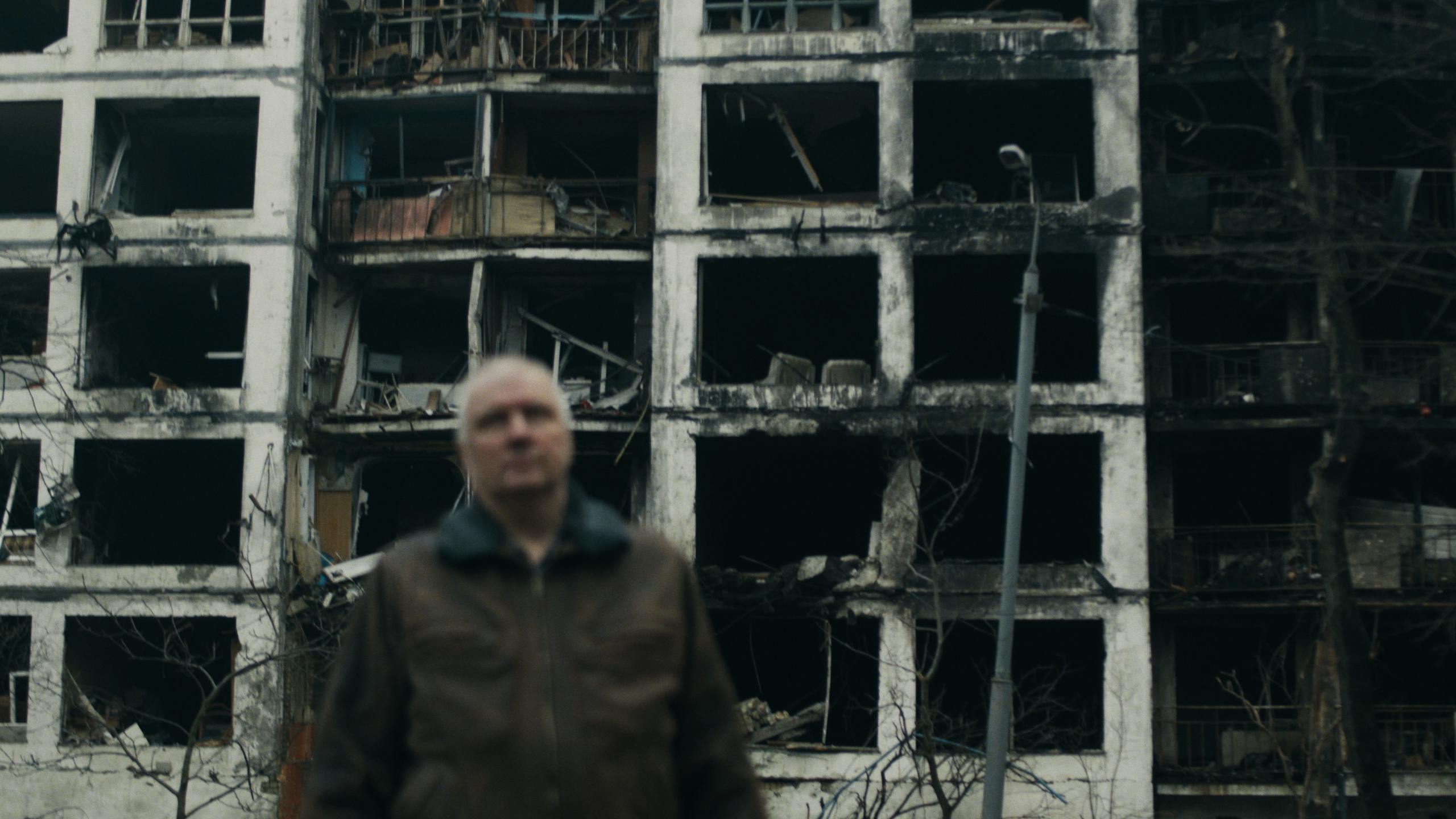
Surviving can bring its own kind of pain. Some people carry guilt over friends who died, civilians who suffered, orders they followed, choices they made, or moments they could not control. That guilt can sit quietly behind everything.
This is not always the same as fear. Sometimes it is moral pain. War can place people in situations that violate what they believed about themselves, the world, or right and wrong. That kind of wound can involve guilt, shame, betrayal, and it may take years to name.
Relationships Start Feeling Foreign
Coming home can be harder than people expect. Family members may imagine one joyful reunion and a quick return to normal. But the person who left and the person who returned may not feel exactly the same.
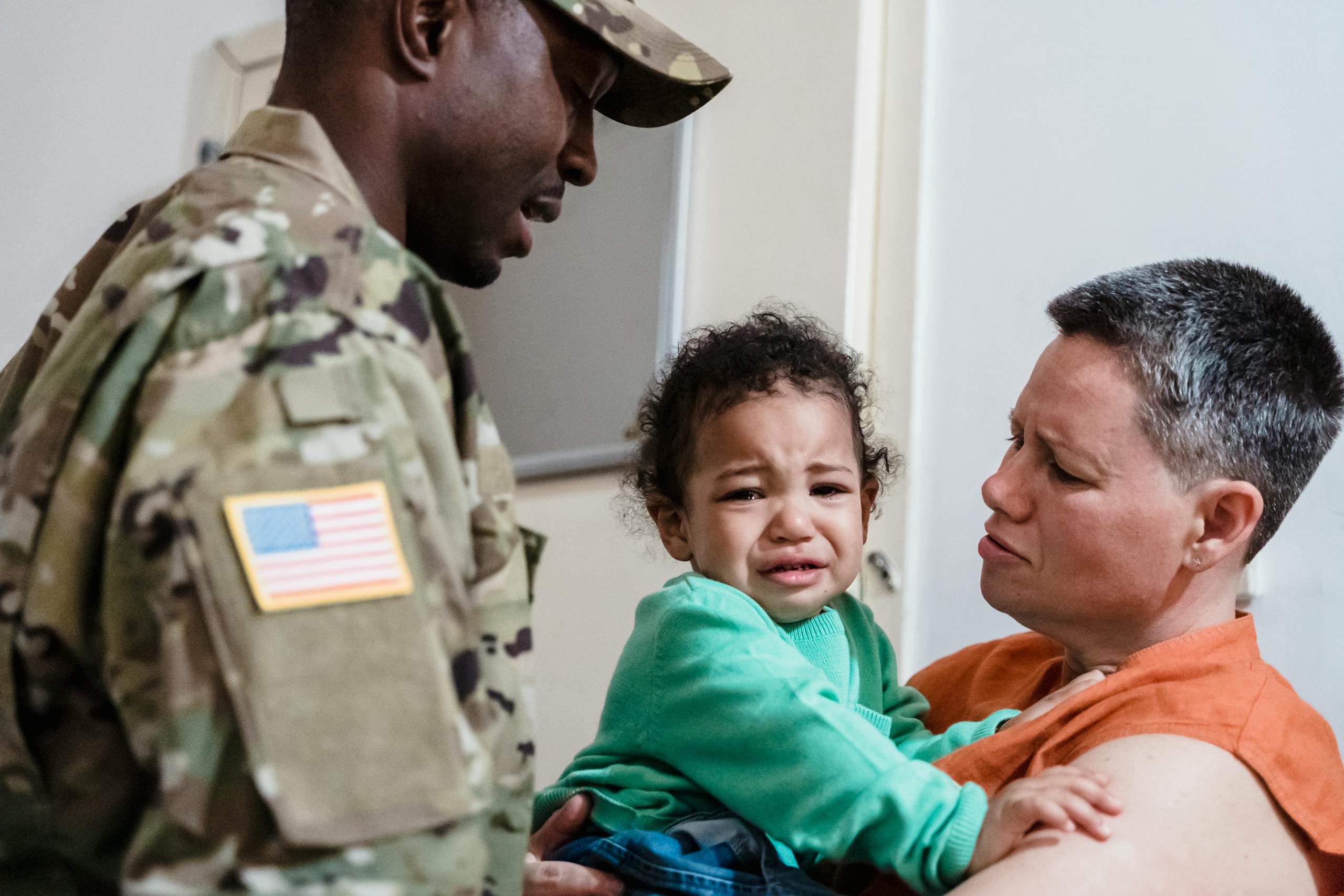
Partners may struggle with silence, anger, distance, or changes in routine. Children may not know how to reconnect. Parents may want the old version of their loved one back. Research on military families has shown that deployment and reintegration can affect mental health, children’s behavior, divorce risk, and family stress.
The Body Carries Invisible Damage
Not every wound is obvious. War can leave people with headaches, ringing ears, memory issues, balance problems, pain, or sensitivity to light and sound. A person may look fine at dinner but feel trapped inside a body that no longer works the same way.
Blast exposure and traumatic brain injury can be especially hard to explain because symptoms may overlap with stress or trauma. Difficulties with vision, thinking, and hearing can reshape daily life in ways others do not see, from work performance to family patience.
Trust Becomes Harder to Give
War can teach people that trust is expensive. Trusting the wrong road, person, signal, or silence can carry consequences. After enough danger, suspicion can feel smarter than openness.
That habit may follow someone into civilian life. A friendly question may feel like prying. A crowded room may feel unsafe. A harmless delay may feel like a setup. Loved ones may experience this as emotional distance, but the survivor may experience it as protection.
Anger Moves Closer to the Surface
Anger can become a fast shield after war. It creates space. It covers fear. It keeps people from asking too much. It may feel easier than sadness, helplessness, or grief.
At home, that anger can cause significant damage. A spilled drink, a traffic jam, a loud child, or a minor disagreement can trigger a reaction that feels too big for the moment. The survivor may regret it afterward, but the body may reach for anger before softer emotions have time to speak.
Civilian Problems Can Feel Unreal
After a war, everyday complaints can sound strange. Office drama, slow Wi-Fi, restaurant delays, neighborhood gossip, and small inconveniences may feel meaningless compared with what someone has seen. That gap can make the connection harder.
The person may feel isolated in rooms full of people. Others may laugh, complain, and plan weekends while the survivor sits there feeling like they are visiting from another planet. War changes the scale of what feels urgent, and that can make ordinary life feel both precious and absurd.
Identity Gets Split in Two

Some people feel divided between who they were before the war and who they became during it. The old version may have had simple hopes, familiar reactions, and ordinary worries. The new version may feel heavier, sharper, quieter, or harder to explain.
This split can affect work, faith, friendship, marriage, and self-worth. A person may miss the old self while feeling unable to return to it. They may also feel guilty for not being “grateful enough” for simply surviving. Survival can become complicated when the person is still trying to recognize themselves.
Healing Takes Longer Than People Want
Families, employers, and communities often want recovery to fit a calendar. The person came home. The danger passed. The next chapter should begin. Real healing rarely obeys that schedule.
Rebuilding can take counseling, medical care, peer support, patience, spiritual work, honesty within the family, and time. Guidance on returning home often reminds families that reunion takes adjustment because reintegration is not one emotional hug. It is a process that can bring joy, tension, confusion, and repair.
Conclusion
War changes people even when they survive because survival is only one part of the story. The mind remembers. The body reacts. Sleep changes. Trust changes. Love changes. Noise changes. Even a quiet home can feel unfamiliar after years of danger.
That does not mean survivors are broken beyond repair. Many rebuild meaningful lives. They raise families, lead communities, mentor others, work hard, love deeply, and find peace in pieces. But healing should never be rushed for the comfort of people who did not live through the war.
The truth is simple and heavy. Coming home is not the same as being home. For many survivors, the longest battle begins after everyone else thinks the war is over.