Sesame beef can disappear from the table before anyone remembers to ask for seconds because crisp edges, tender beef, toasted sesame, and a glossy sauce all come together in one bite.
Takeout can deliver that combination, but sesame beef is also one of those dishes that becomes surprisingly rewarding once you understand what happens between the cutting board and the pan. The difference is not an expensive ingredient or restaurant equipment. It comes down to the small decisions, how the beef is sliced, how the coating is built, how much room the meat gets, and exactly when the sauce meets the crust.
The Beef Needs More Attention Than the Sauce
A great sauce cannot rescue beef that is tough, thickly sliced, or cooked until every piece has lost its tenderness.
Flank steak is a popular choice because it has plenty of flavor and works well with quick, high-heat cooking, although sirloin and skirt steak can work too. The important part is the cut. Slicing thinly against the grain means cutting across the muscle fibers rather than following them, which makes the finished beef easier to chew. Some recipes also recommend partially freezing the steak first, giving you a firmer surface for making those thin, even slices.
Then comes velveting, the step many home cooks skip. The Woks of Life’s sesame beef recipe uses a marinade of cornstarch, sesame oil, Shaoxing wine, oyster sauce, and a small amount of baking soda, and the beef marinates for about an hour. This extra prep helps create the tender texture often associated with restaurant-style Chinese beef.
The Sesame Seeds Belong in the Crunch
The best sesame beef isn’t just tender meat covered in sauce; the outside needs enough texture to make every bite interesting.
Cornstarch creates the foundation for that crisp coating, but one clever detail is to mix toasted sesame seeds directly into the cornstarch before coating the beef. They toast alongside the meat, becoming part of the crust instead of being left behind as a garnish.
That small change adds another layer of texture. You get the crisp coating first, followed by tender beef and those little bursts of toasted sesame. That is one reason sesame beef feels considerably more satisfying than simply browning steak and pouring sauce over it afterward.
Give the Beef Room to Actually Brown
If your sesame beef keeps coming out pale and soft, the problem may be the crowded pan rather than the recipe.
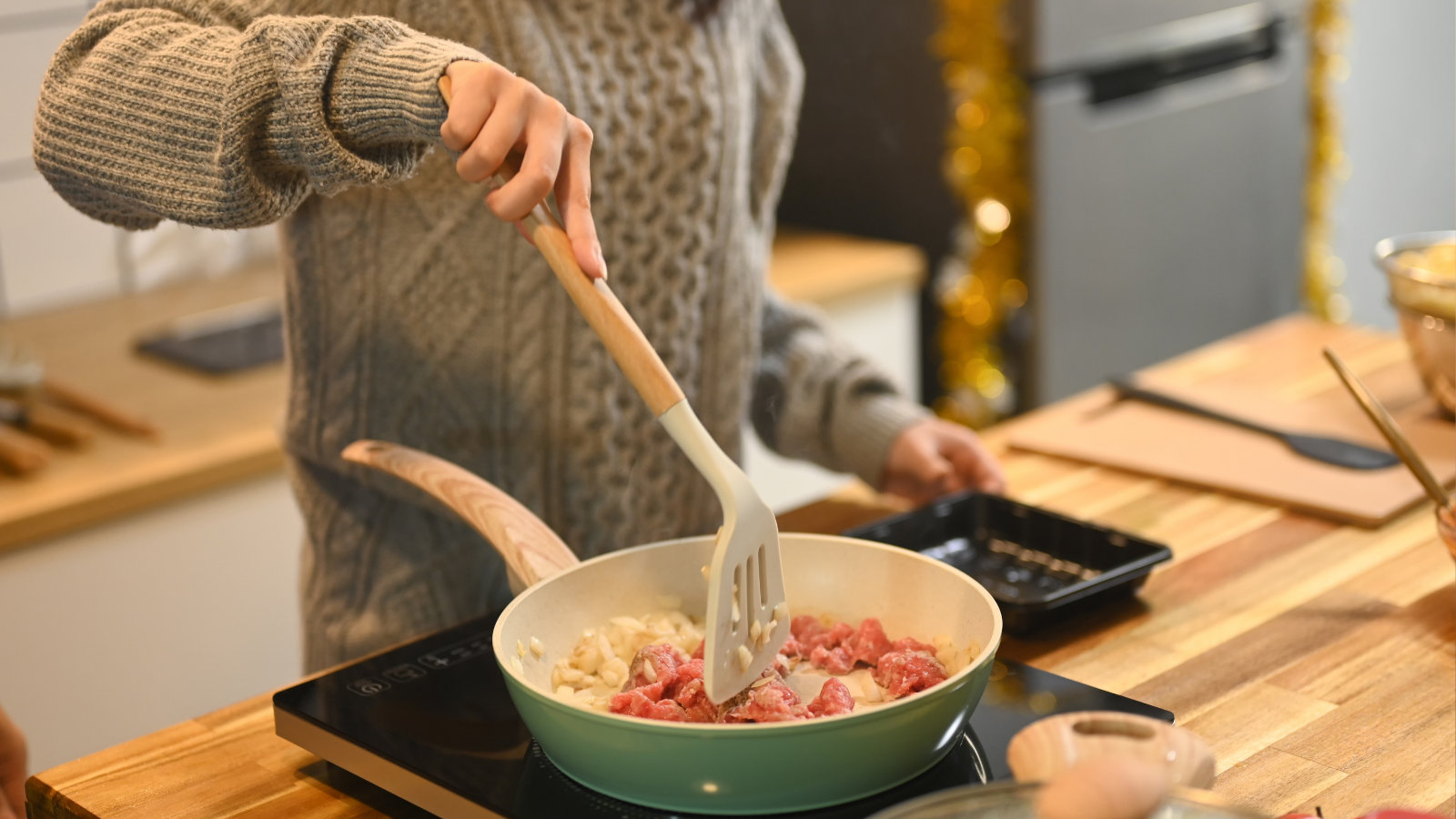
Too much beef in the pan releases moisture faster than the cooking surface can evaporate it. The temperature drops, the slices begin steaming, and the browned edges you were expecting never really develop.
Cook in batches when needed, and give each piece enough room to contact the hot surface. Omnivore’s Cookbook’s sesame beef method similarly spreads the beef without overlapping, letting it brown before you add the sauce.
Another easy detail to miss: keep the cooked beef in a single layer while the remaining batches finish. Piling hot pieces together traps steam and can soften the crust you just worked to create.
The Sauce Needs a Little More Personality
A memorable sesame sauce should taste sweet, salty, tangy, and savory at the same time, not simply like sugar mixed with soy sauce.
Soy sauce supplies salt and umami, while brown sugar gives the sauce its familiar sweetness. Rice vinegar adds acidity, sesame oil provides the roasted aroma that makes the dish recognizable, and garlic and ginger bring warmth. Depending on the recipe, oyster sauce and chili can add another layer of savory depth or heat.
Consistency matters as much as flavor. The sauce should be thick enough to cling to the beef without becoming sticky candy. A little cornstarch slurry can help it reach that glossy texture, but thicken it before the crispy beef returns to the pan.
That order protects the coating. The longer fried beef sits in liquid, the more moisture it absorbs.
Homemade Gives You Control Takeout Cannot
The real advantage of making sesame beef yourself is that you get to decide what kind of meal ends up on the plate.
Broccoli, peppers, snap peas, bok choy, or asparagus can turn the dish into a fuller dinner without changing its character. You can also control the amount of sugar, salt, oil, and chili instead of discovering after delivery that the restaurant’s version is much sweeter than you expected.
That flexibility also makes it easier to think about the overall energy and mood of a meal, particularly when you are balancing protein, vegetables, and other foods rather than treating the beef as the entire dinner.
It is also a good reason to serve sesame beef with something simple. Steamed rice absorbs the extra sauce without competing with it, while a crisp vegetable on the side adds freshness.
The Last Thirty Seconds Matter
Once the sauce is ready, the final toss should be quick because crispy beef has a very short window before that crunch begins to disappear.
Let the sauce simmer until it reaches the right consistency, then add the beef and toss just long enough for every piece to become glossy. Finish with scallions and another scattering of sesame seeds, then get everything onto the table while it is still hot.
Other versions show how much variation the basic idea can handle. Food Network’s sesame-orange beef uses orange juice, honey, oyster sauce, and sesame seeds, showing that the familiar sweet-savory combination can move toward citrus without losing its identity.
The key is knowing what should remain constant: tender beef, high heat, strong texture and a sauce that complements rather than overwhelms it.
It Feels Better When You Actually Make It
There is something different about putting a sizzling plate of sesame beef on the table compared with opening a takeout container that has spent twenty minutes traveling across town.
The beef is still crisp around the edges. The sauce is glossy rather than congealed, the sesame is fragrant, and the scallions are still fresh. Even the imperfect pieces, the ones that browned a little more than the others, look like evidence that someone actually cooked dinner rather than unpacked it.
And homemade gives you one more advantage: ,wellness, you can make the meal fit the rest of your day.
So, Does Sesame Beef Really Beat Takeout?
The point isn’t that homemade sesame beef will beat your favorite restaurant every time; it is that you finally understand why the great versions taste so good.
Slice the beef properly. Give it time to tenderize. Build a crust with cornstarch and sesame. Keep the pan from becoming overcrowded. Balance the sauce instead of making it overwhelmingly sweet, and wait until the last moment to combine the beef and sauce.
None of that requires a professional kitchen. It simply requires paying attention to the little things. And when the first bite gives you crisp edges, tender beef, toasted sesame, and that glossy sauce all at once, takeout suddenly has some serious competition.
Would you still order sesame beef from your favorite takeout spot after discovering these tricks, or would you rather make your own version at home?