Apple pie may own the spotlight, but apple crostata has a quieter trick: it makes homemade dessert feel relaxed, generous, and completely at home on a family table.
Instead of enclosing the fruit beneath a carefully shaped top crust, a crostata leaves the center open and folds the pastry around the apples in loose pleats. The result looks rustic by design, not by accident, giving this Italian-style tart its own personality.
Crostata is also more than one fixed dessert. The broader Italian tart tradition includes fillings such as jam, pastry cream, and fruit, while modern bakers have turned the free-form style into a canvas for experimenting.
It Does Not Need a Perfect Pie Pan
The first thing you notice about a crostata is what it doesn’t demand of you.
You don’t need to build tall sides, crimp a decorative rim, or worry about whether every inch of dough looks identical. Roll the pastry into a circle, place the apples in the middle, and fold the border over the filling. A classic apple crostata from Simply Recipes follows that same free-form spirit.
That makes the dessert feel wonderfully forgiving. A crooked fold becomes part of the finished look, and those uneven edges can make the pastry seem even more inviting.
The Apples Can Change the Whole Personality
The apple you choose can quietly steer the dessert from sharply tangy to mellow and sweet.
No single apple owns the crostata. Ina Garten’s version uses McIntosh, Macoun, or Empire apples, while other established versions use Golden Delicious or combinations of different varieties. Garten’s apple crostata also brings orange zest, cinnamon, and allspice into the filling, giving it a warmer, more layered character.
That flexibility is useful in a home kitchen. You can mix varieties for contrast instead of treating the dessert as a rigid formula.
The Pastry Is Part of the Attraction
A good crostata is not just about the apples; the crust gets enough attention to make every slice feel substantial.
The pastry is built around butter, flour, and careful handling, with chilling helping the dough stay workable and creating the flaky texture associated with a rustic tart. Different versions put their own spin on that foundation, including toppings made with almonds or crumbs.
It can also be surprisingly practical for a gathering. Bon Appétit’s apple crostata lets you prepare the crust ahead, giving a host one less thing to tackle at the last minute.
It Is Apple Pie’s Less Formal Cousin
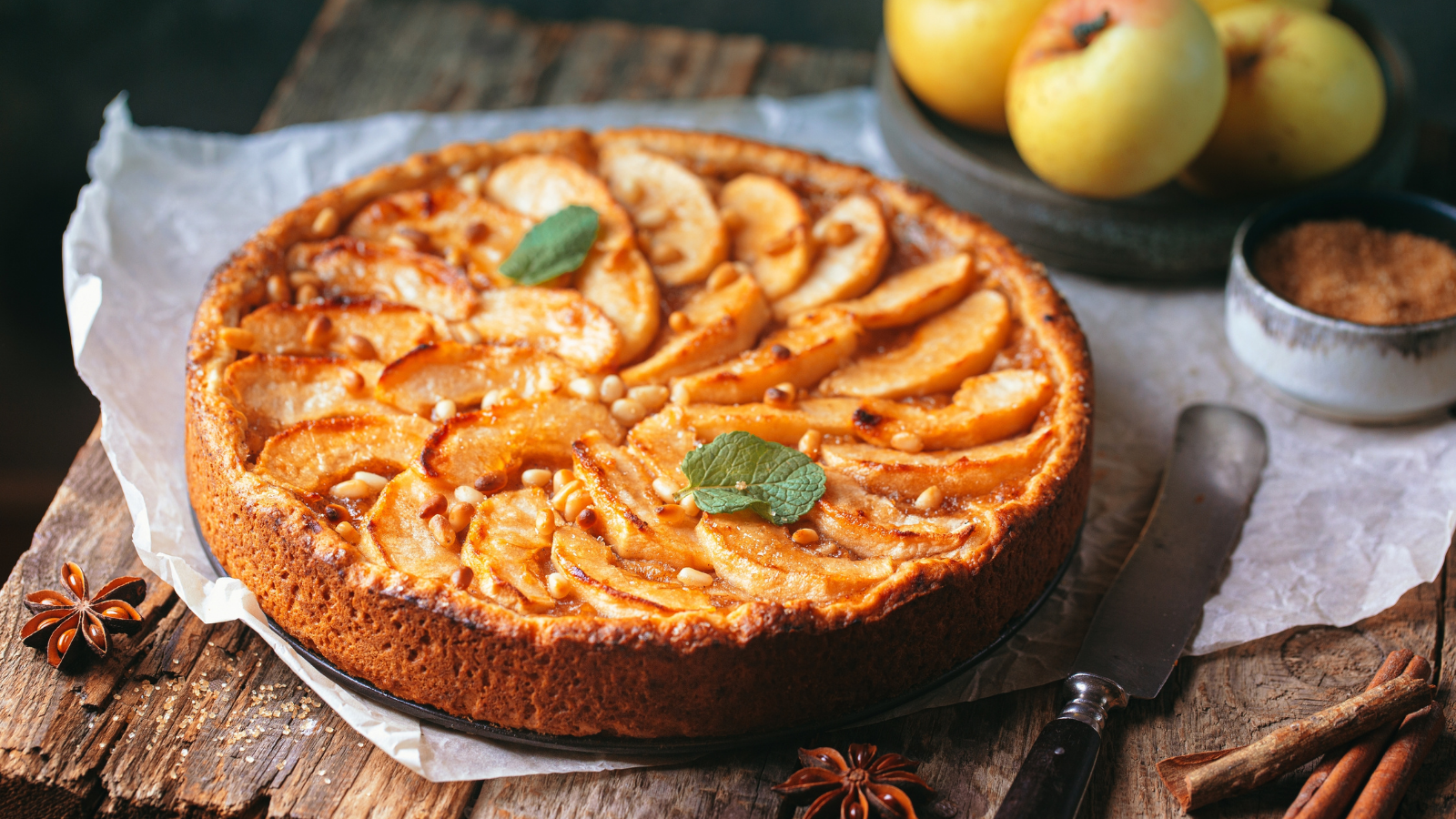
Put the two desserts side by side, and the difference is obvious: one is carefully structured, while the other looks like it just rolled into dinner wearing its best sweater.
Apple pie generally keeps its filling enclosed between a defined bottom and top crust. Crostata leaves the apples visible, making the fruit part of the presentation rather than something hidden until the first slice.
That changes the experience before anyone even tastes it. The apples become the centerpiece while the pastry frames them, giving the dessert a distinctly casual character.
You Can Take the Flavor in Different Directions
Cinnamon is familiar, but crostata leaves plenty of room for a more interesting supporting cast.
Depending on the version, apples can meet lemon, orange zest, nutmeg, allspice, maple syrup, vanilla, or almond. Other crostata variations move even farther away from the classic apple profile, using different fruits, preserves, and toppings.
That flexibility is part of the fun. The dessert has a recognizable structure, but the flavor does not have to stay locked into one formula.
Its Story Has a Human Side
Sometimes the best argument for a dessert has less to do with technique and more to do with who keeps making it.
Elise Bauer’s Simply Recipes story includes a memorable detail about her father, Tom, who was 85 when she wrote about the dessert. He liked apple crostata partly because it did not demand the visual perfection associated with traditional pie. Bauer also recalls planting an apple tree that finally produced seven apples, only for the fruit to disappear before she could harvest it, leaving her to suspect raccoons or squirrels.
That little family story gives the dessert something recipes alone cannot provide. It sounds less like a pastry designed for a magazine cover and more like something that belongs in an actual kitchen.
It Looks Better When It Looks Homemade
The cracks, uneven pleats, and bubbling fruit are not flaws to hide; they are part of what makes a crostata feel authentic.
That visual freedom is especially appealing in a world where food is often photographed before anyone eats it. A crostata can arrive at the table looking handmade rather than manufactured, and its imperfections tell you exactly what it is.
Ina Garten has also spoken about her first crostata, which she learned from her friend Johanne Killeen’s cookbook. She later explored other sweet and savory versions, showing how the basic format can keep evolving without losing its identity. Garten’s account of discovering crostata adds another layer to the dessert’s story.
So, Why Give It a Place Beside Pie?
Apple crostata does not need to beat apple pie to be worth making; it simply offers a different kind of pleasure.
It is open rather than enclosed, rustic rather than formal, and flexible rather than rigid. It can feel familiar without becoming predictable, giving the baker room to make choices while leaving perfection off the guest list.
That may be why it deserves attention. The best desserts are not always the ones that look flawless; sometimes they are the ones that look like someone made them especially for you.
Would you take a homemade apple crostata to your next family gathering instead of a traditional pie, and what twist would make it your own?