The host stand is packed, the kitchen is backed up, and everyone in the dining room looks like they came straight from a long workday, a traffic jam, or a grocery bill that felt personal. Eating out is supposed to feel like a break, but lately, even dinner can carry the mood of a country running on stress.
That is why small behavior at restaurants can feel louder than people realize. A sharp tone, a messy table, a phone on speaker, or a fake smile after a bad tip can turn a normal meal into a quiet character test.
Restaurant habits that seem rude usually do not stem from a single dramatic scene. They come from tiny choices that tell everyone around you how much respect you give to shared spaces, service workers, and the people eating with you.
Servers, hosts, bussers, cooks, and managers are often juggling impatient guests, complicated orders, food safety rules, low margins, and unpredictable shifts. Once you understand the pressures behind restaurant workers’ realities, it becomes harder to excuse behavior that makes their jobs harder.
Snapping Fingers at the Server
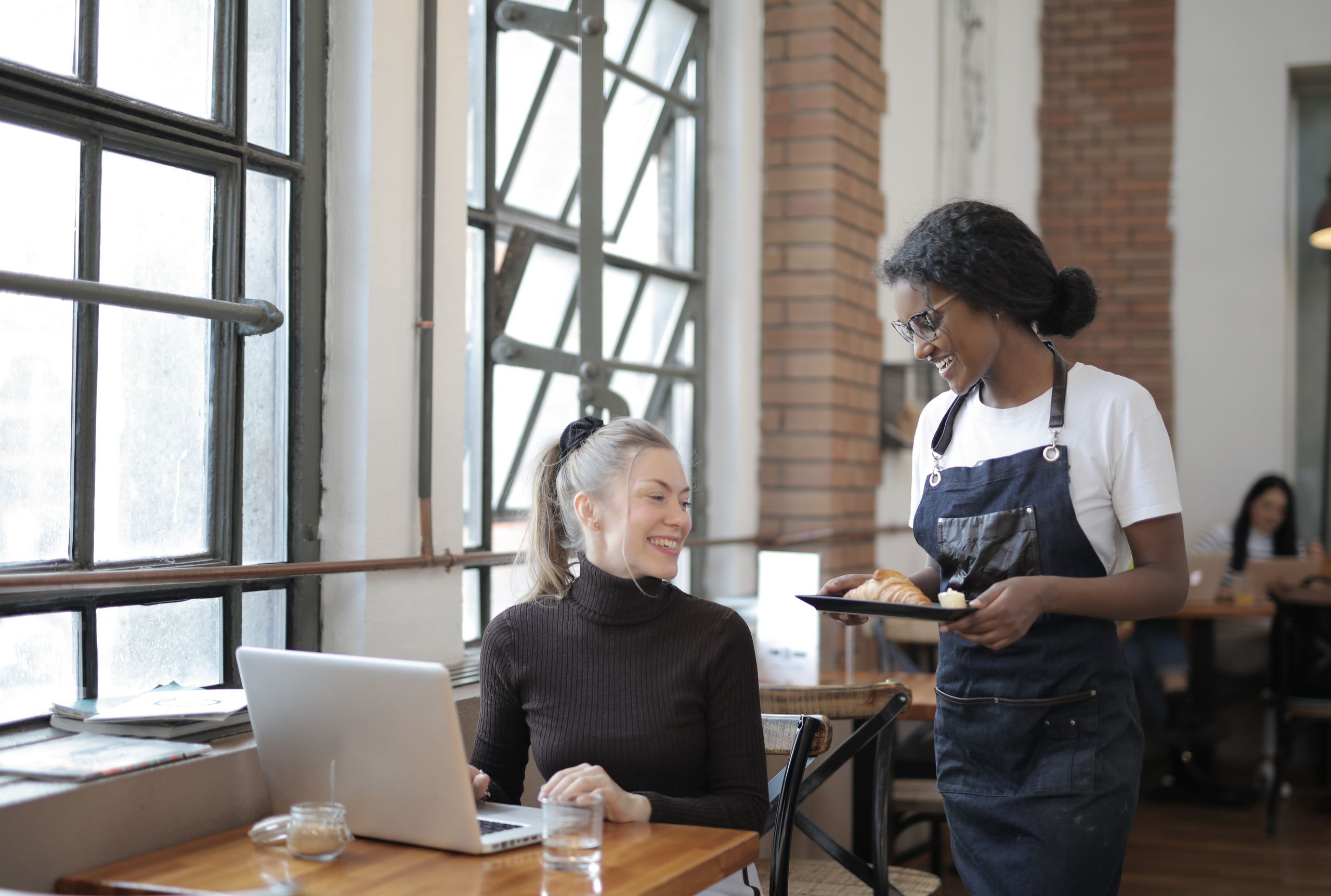
Snapping fingers at a server may feel quick to the person doing it, but it almost always looks disrespectful. It treats another adult like a remote control rather than a person already managing several tables, refills, orders, complaints, and kitchen delays.
A simple wave, eye contact, or polite “Excuse me” works better. People notice how you treat service staff, especially on dates, family dinners, and business meals. The quickest way to make yourself look rude is to act powerful in a room where someone is paid to stay polite.
Restaurant Habits That Look Rude Before the Meal Starts
Showing up late for a reservation and acting annoyed that the table wasn’t held forever is one of the restaurant habits that immediately looks rude. Restaurants plan tables around time, staff, kitchen flow, and other guests waiting for their turn.
Being late happens, especially with traffic, childcare, parking, and long workdays. The rude part is acting as if your delay should become everyone else’s problem. A quick call, a little patience, and a normal tone can save the whole entrance from becoming awkward.
Talking Loudly Like the Room Belongs to You
Restaurants are public spaces, not private living rooms with appetizers. Loud phone calls, booming stories, speakerphone videos, and shouting across the table can make nearby diners feel trapped inside your noise.
Good energy is welcome, but volume matters. Guests pay for the atmosphere as much as the food. If the whole room knows your breakup details, office drama, vacation plans, or medical update, the problem is not the restaurant’s acoustics.
Treating the Table Like a Trash Can
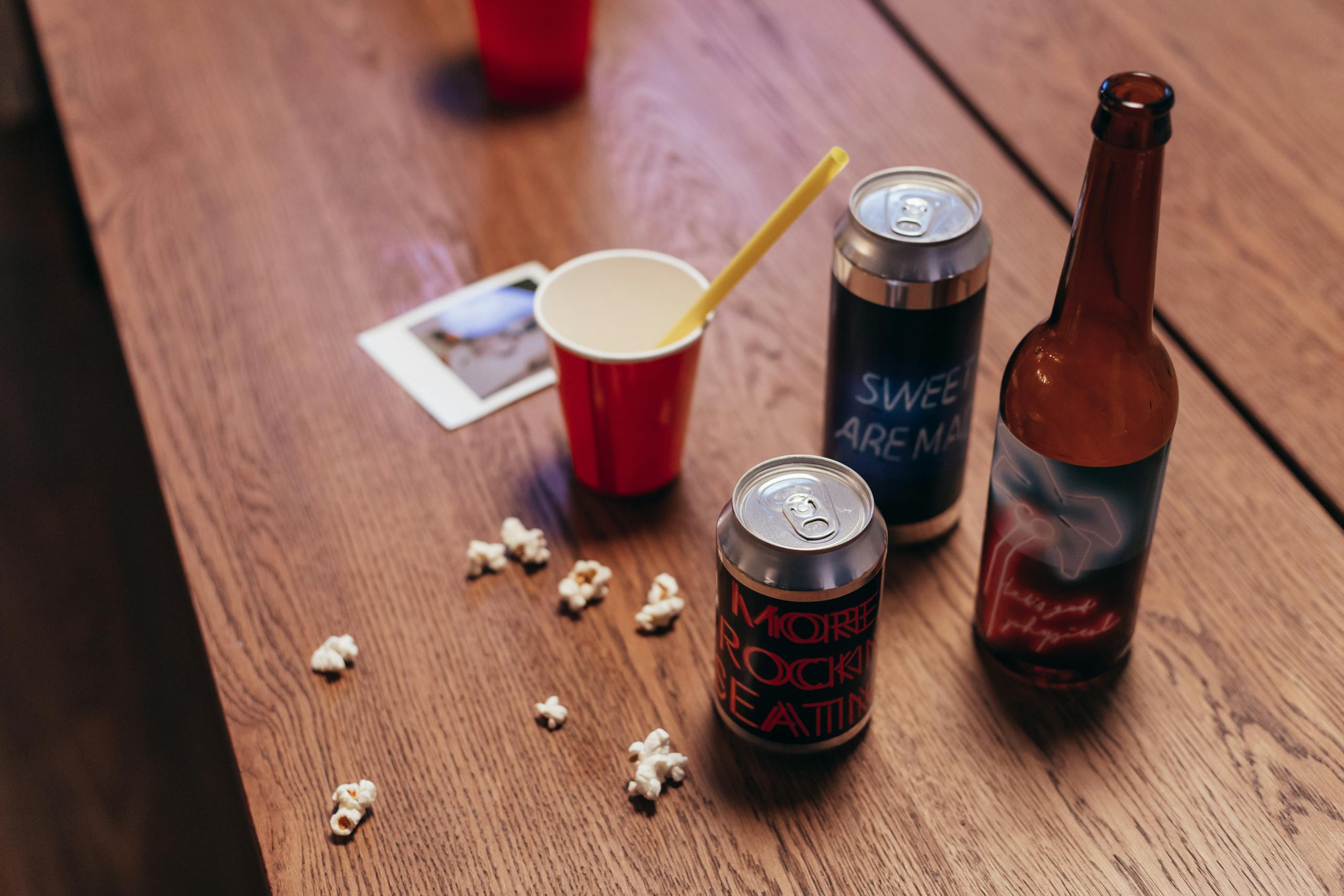
Napkins on the floor, straw wrappers everywhere, spilled sauce left to dry, and crushed crackers under the chair can make a guest look careless fast. Nobody expects diners to deep-clean the booth, but basic respect for the space speaks volumes.
Restaurants are designed for turnover, and every messy table slows down someone else’s meal. Leaving a disaster behind may seem harmless because staff will clean it up, but that attitude is exactly what makes it seem rude.
Making Food Allergies Sound Like a Trend
Food allergies should be taken seriously, and guests should be honest about them. The rude habit is exaggerating a preference as an allergy, then casually eating the same ingredient when it shows up in a dessert or someone else’s plate.
That behavior can make it harder for staff to manage real allergy needs. Clear communication matters because food allergy safety affects how kitchens prevent cross-contact and protect guests. If you dislike onions, say that. If onions can send you to the hospital, say that clearly.
Sending Food Back With a Performance
Sometimes food truly needs to go back. Meat may be undercooked, an order may be wrong, or a dish may arrive cold. The rude part is turning a fixable mistake into a public performance filled with eye rolls, insults, and dramatic speeches.
Most restaurant staff want the guest to leave satisfied. Calm details help them solve the issue faster. Embarrassing the server rarely improves the meal, especially when the problem may have happened in the kitchen, at the pass, or during a rush nobody at the table can see.
Ignoring Basic Hygiene at the Table
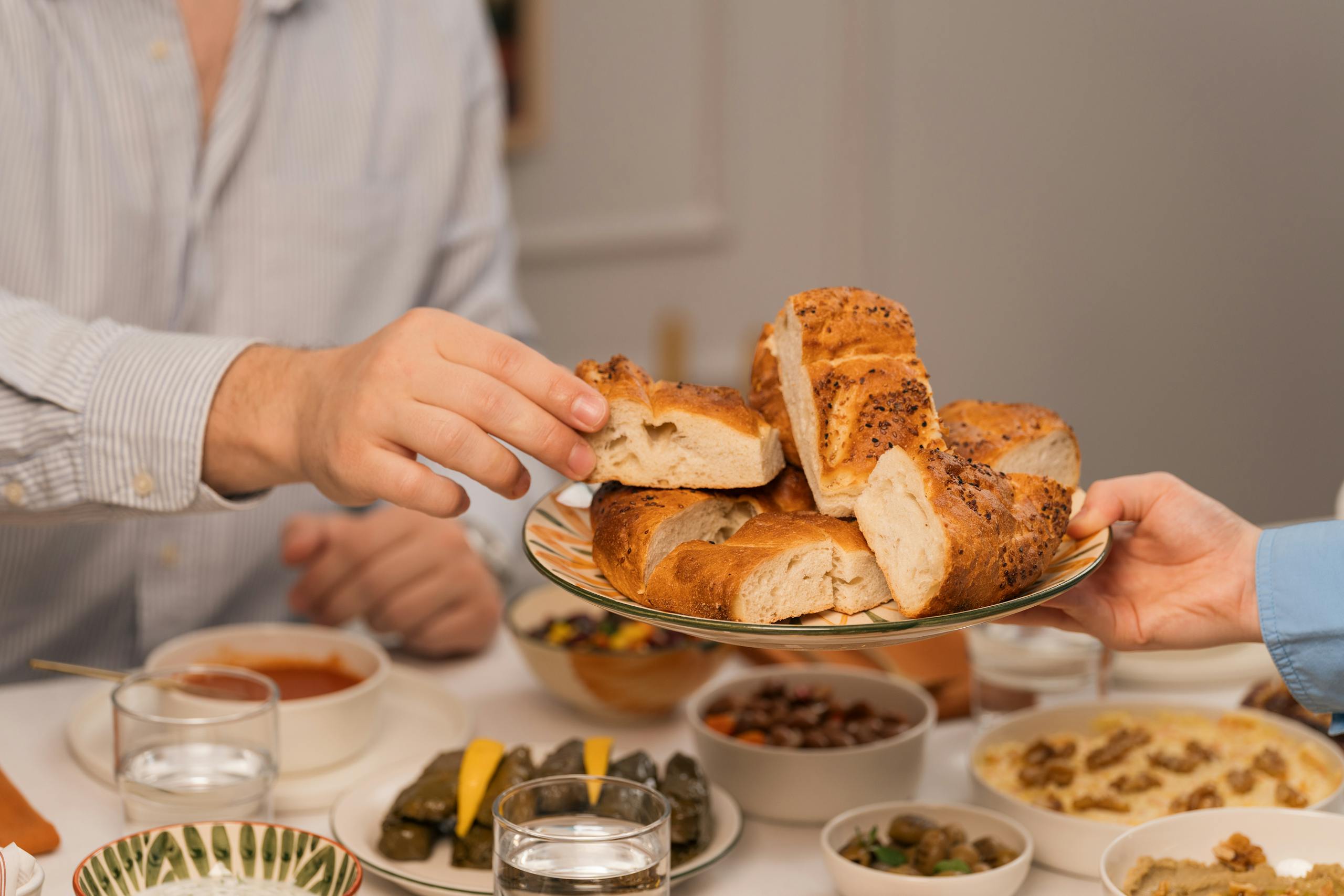
Coughing into the air, touching shared bread after licking fingers, changing a baby on the dining table, or walking out of the bathroom without washing hands make people quietly recoil. Dining is social, but it is also deeply connected to trust.
Nobody wants to think about germs while eating. Basic hygiene matters because proper handwashing steps help reduce the spread of germs in everyday life. At a restaurant, clean behavior is part of basic courtesy.
Camping at the Table After Paying
Lingering can be lovely when the restaurant is slow, and nobody is waiting. But taking over a table for an extra hour during a busy rush can hurt the server, the host stand, and the next guests hoping to sit down.
The issue becomes sharper when the tip does not reflect the time spent. Tipping is already a tense American ritual, and modern tipping pressure has made many diners more aware of service expectations. If you want to stay longer, order something else or read the room.
Letting Kids Run Wild
Children have bad moments, and most reasonable diners understand that. The rude habit is ignoring children who are screaming nonstop, running between tables, blocking servers, touching other guests’ things, or treating the restaurant like a playground.
Parents deserve to eat in public, and children deserve patience. Still, servers carrying hot plates should not have to dodge a toddler sprinting through the aisle. A little supervision protects the child, the staff, and everyone else’s meal.
Taking Frustration Out on the Staff
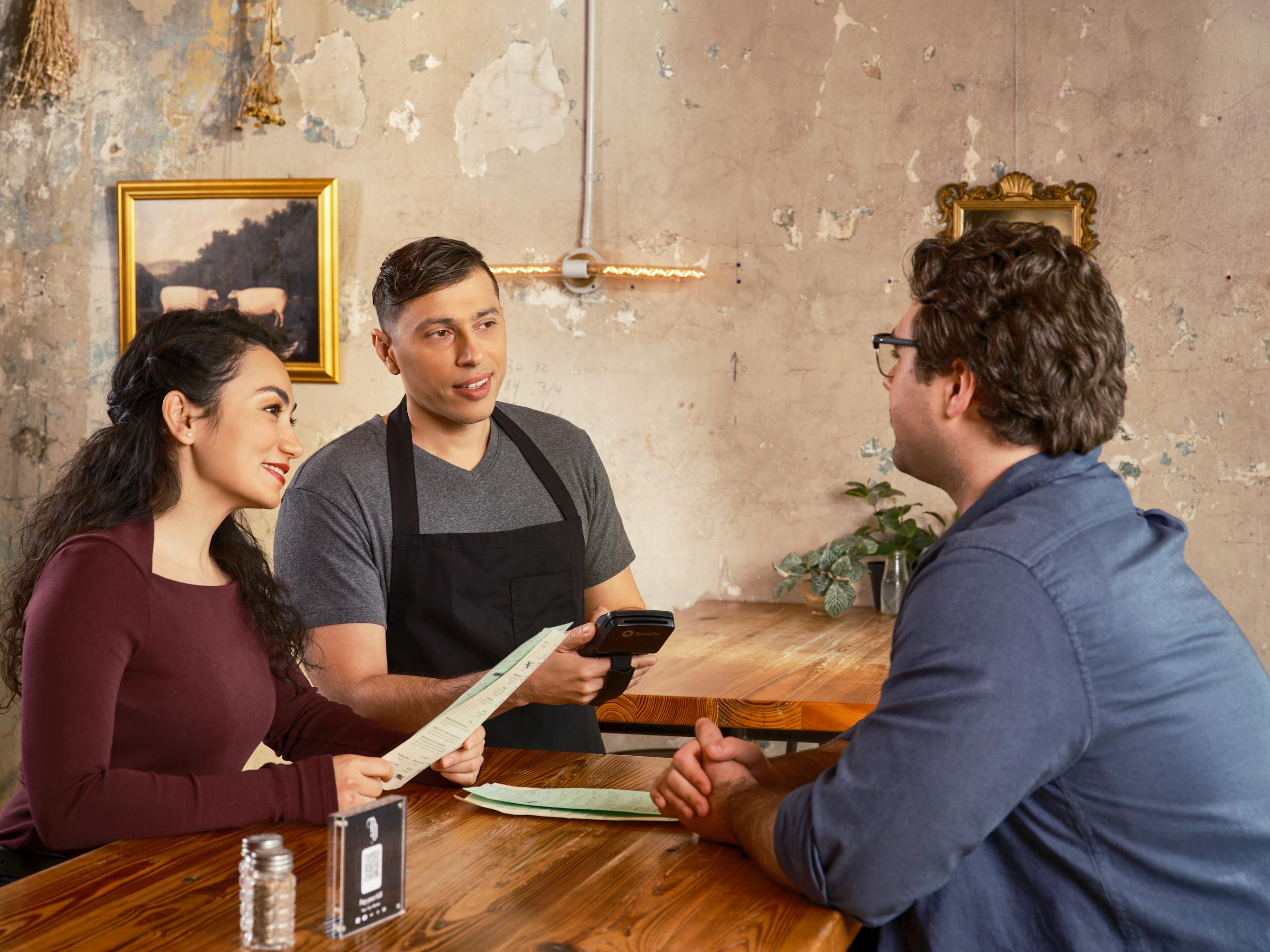
Long waits, missing items, and rising menu prices can test anyone’s patience. Still, yelling at staff, insulting workers, or making threats over a delayed entrée makes a person look far worse than the original problem.
Service workers should not become emotional punching bags for traffic, inflation, bad moods, or personal stress. Public-facing jobs can involve real workplace safety concerns, and basic respect helps keep tense situations from turning ugly.
Tipping Poorly After Demanding Everything
A complicated order is not automatically rude. Asking for extra sauce, separate checks, refills, substitutions, and careful timing is part of restaurant life. The rude part is demanding constant attention, praising the service, then leaving a tip that feels like a final insult.
Servers often depend on tips as part of their income, and tipped worker rules make that reality more important than many guests realize. If someone expects premium attention, patience, and problem-solving, should their final gesture match the way they wanted to be treated?