A bad meal does not always begin with a bad recipe. Sometimes it starts with a rushed hand, a crowded pan, a dull knife, or that one kitchen habit we keep defending because “we’ve always done it this way.” The funny part is that many of these mistakes look harmless until the food comes out dry, bland, soggy, uneven, or strangely disappointing.
We can buy better pans, prettier plates, and expensive seasonings, but none of that saves a dish from poor timing or careless prep. A great kitchen is built on small habits that make cooking easier, safer, and more flavorful. When we stop making these common mistakes, dinner immediately starts tasting more intentional.
Here are the kitchen habits that quietly sabotage good food before it ever reaches the table.
Skipping the Recipe Until Trouble Starts
Reading only the first few lines of a recipe is one of the fastest ways to create chaos in the kitchen. We start with confidence, then discover halfway through that the dough needs to rest, the butter needs to soften, the oven should have been preheated, or the sauce requires a step we completely missed. Suddenly, cooking feels less like creativity and more like panic with onions.
A recipe is not just a list of ingredients. It is a timing guide, a prep map, and a warning label for the parts that can go wrong. When we read the entire recipe before cooking, we catch hidden steps, special tools, and timing problems early. That one habit keeps us from standing over a hot pan, frantically searching for something that should have been ready ten minutes ago.

Crowding the Pan Until Everything Turns Soggy
A crowded pan may look efficient, but it often ruins texture. When we pile too much food into one skillet, the ingredients release moisture, the pan temperature drops, and browning almost disappears. Instead of crisp potatoes, golden chicken, or nicely seared vegetables, we end up with pale, steaming food.
Good browning needs space. Every piece of food needs contact with heat and enough room for moisture to escape. Cooking in batches may feel slower, but it usually gives us better flavor, better color, and a cleaner finish. The pan is not a waiting room. If everything is packed together, dinner will taste crowded too.
Using Dull Knives That Crush Food Instead of Cutting It
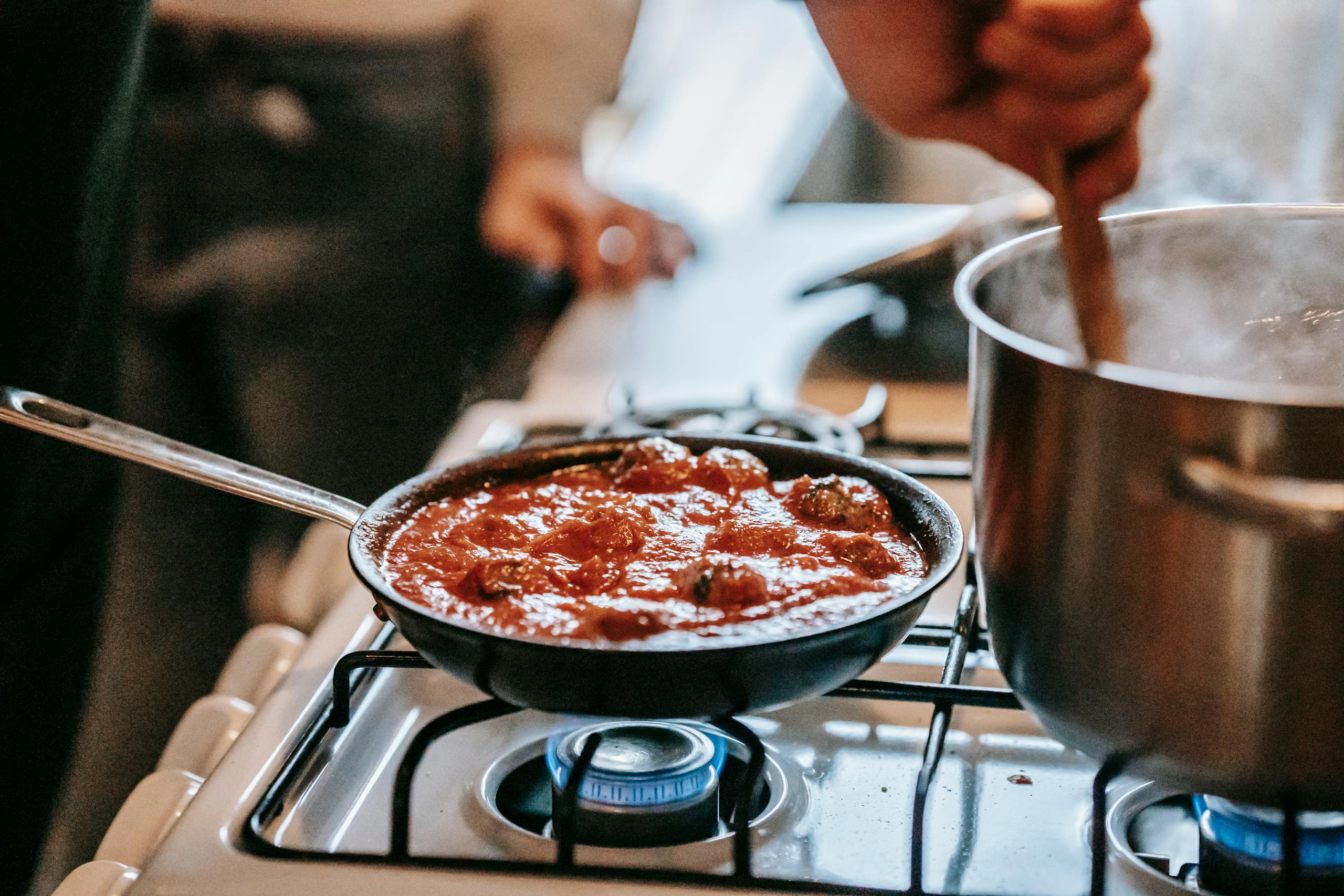
A dull knife is one of the most frustrating tools in the kitchen. It smashes tomatoes, bruises herbs, tears meat, and makes onions harder to slice cleanly. Even worse, it forces us to press harder, increasing the risk of slipping and cutting ourselves.
Sharp knives make prep faster and safer because they give us control. We do not need a chef-level knife collection to cook well, but we do need blades that can actually do their job. Regular honing, occasional sharpening, and a proper cutting board can make everyday cooking feel smoother. A dull knife does not make us careful. It makes the kitchen harder than it needs to be.
Forgetting to Preheat the Oven
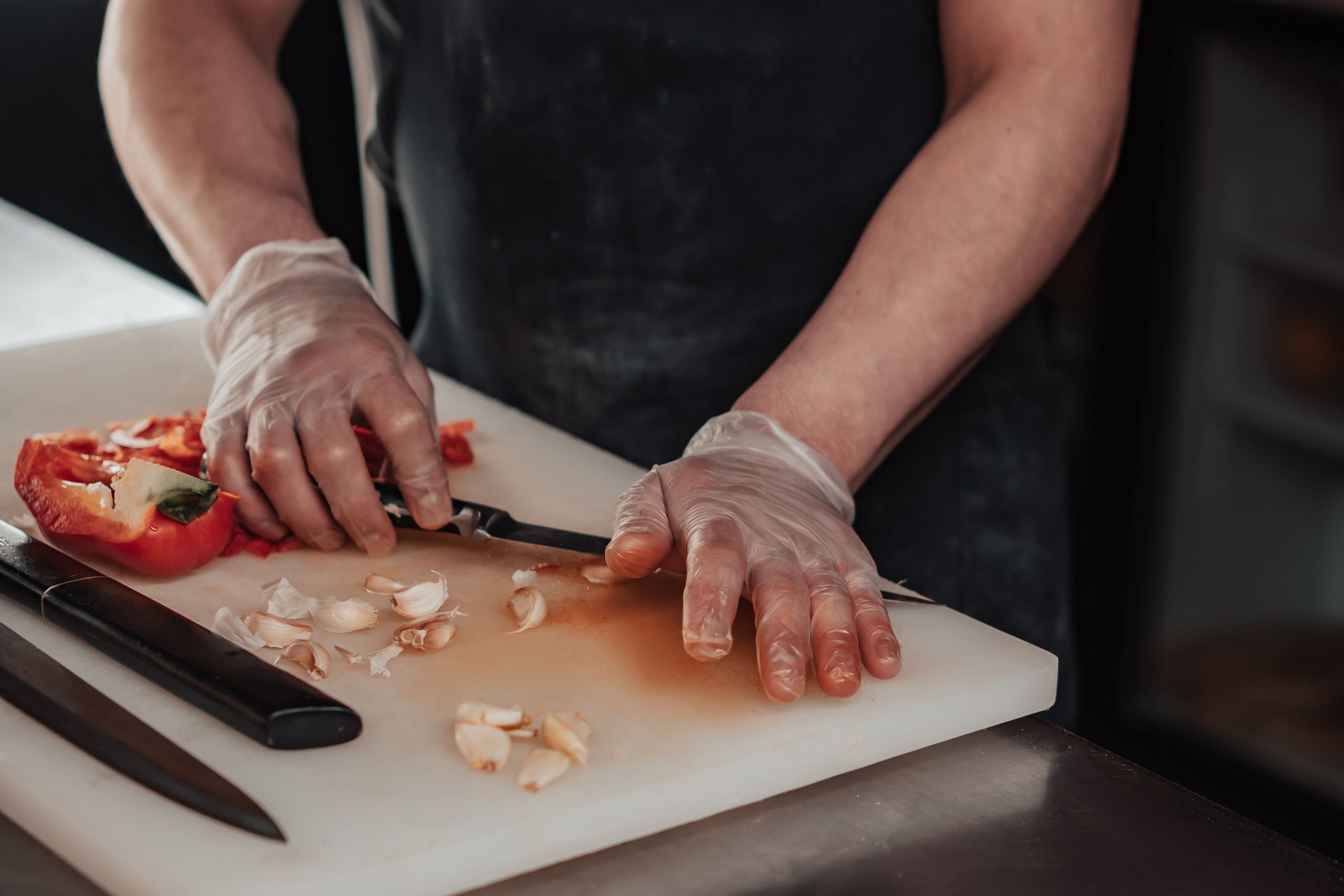
Skipping the preheat step is a quiet way to sabotage baked and roasted food. Cakes may rise unevenly, cookies can spread too much, vegetables may turn limp, and meat can cook at the wrong pace. The recipe expects the oven to be at the right temperature when the food goes in, not slowly warming up after the dish has already started cooking.
Preheating gives food the heat it needs at the right moment. Baking depends on structure, steam, fat, and timing. Roasting depends on enough early heat to create color and texture. When we ignore the preheat, we are changing the recipe before it even begins. The oven needs time to get ready, just like the cook does.
Seasoning Only at the End
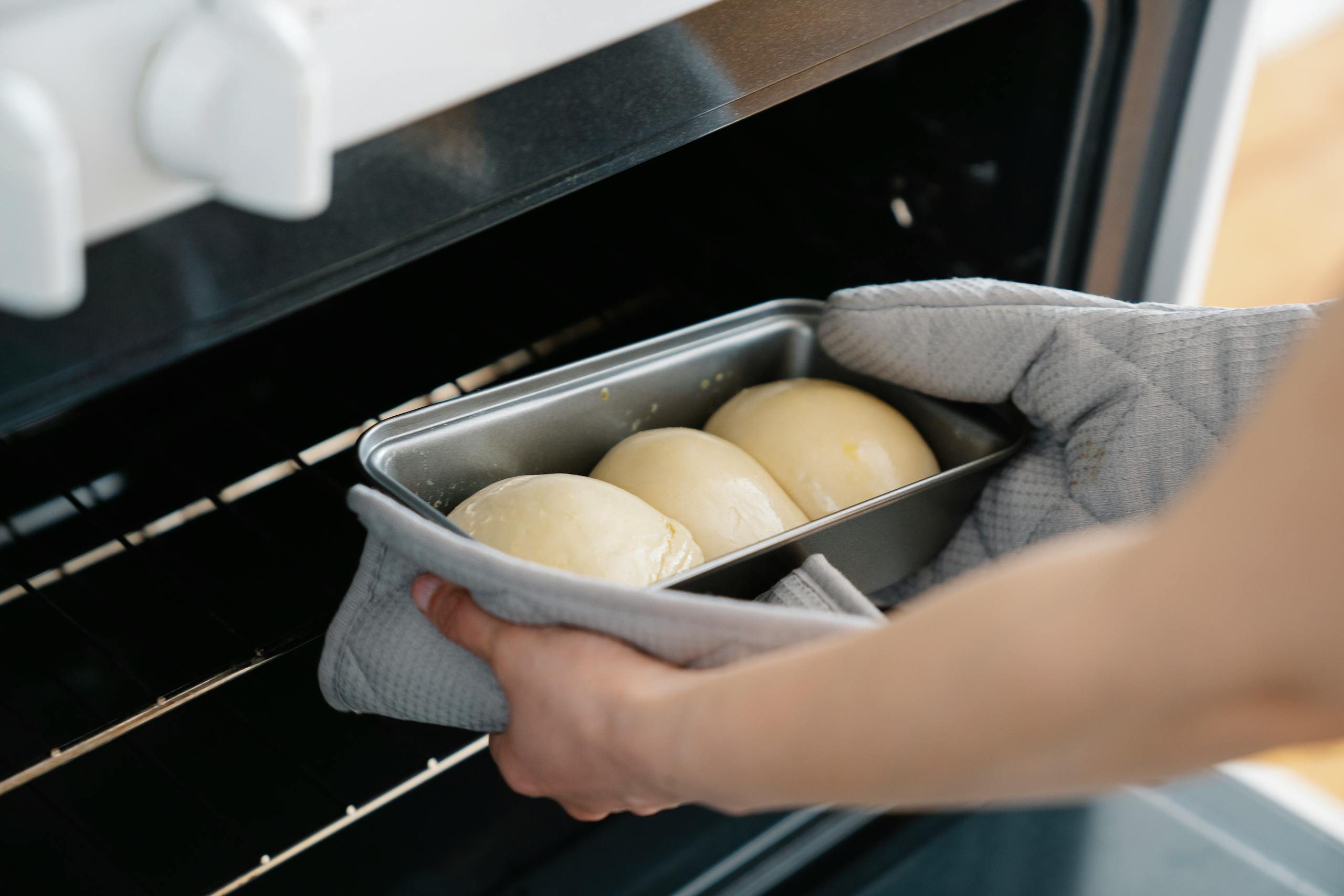
Adding salt at the end may help a little, but it cannot fully rescue bland food from the beginning. Seasoning works best when it builds in layers. Onions need a little salt as they soften; meat needs seasoning before it hits the pan; pasta water needs salt before the noodles go in; and sauces need tasting as they reduce.
Food tastes better when its flavors develop throughout the cooking process. If we wait until the final minute, seasoning stays on the surface instead of becoming part of the dish. This is why some meals taste salty and bland at the same time. We get stronger results when we season gradually, taste often, and adjust before the food reaches the plate.
Guessing When Meat Is Safe Instead of Using a Thermometer
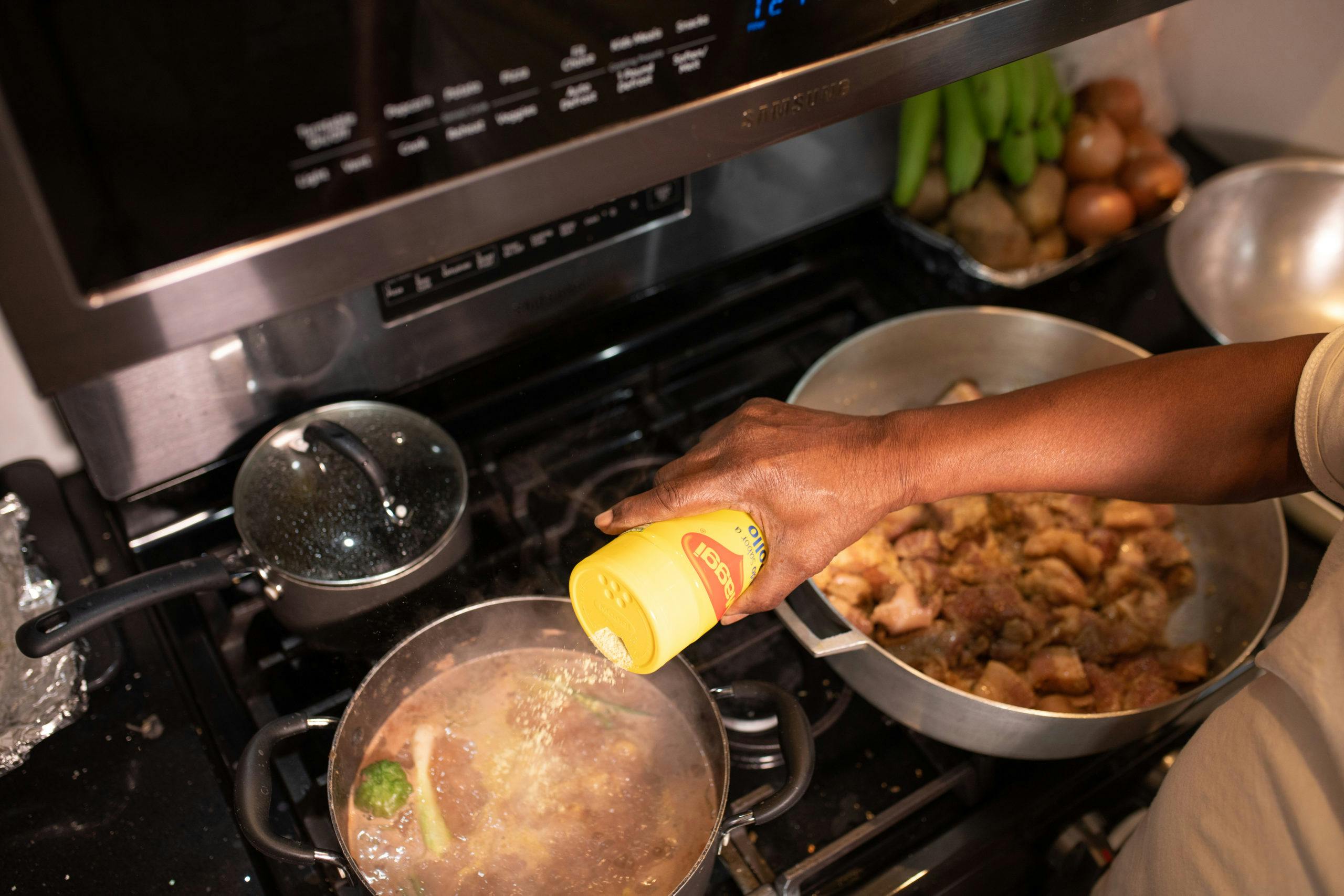
Color can fool us. Chicken can look done before it reaches a safe internal temperature, and burgers can brown on the outside while the center still needs more heat. At the same time, fear of undercooking can push us too far, leaving meat dry, tough, and disappointing.
A food thermometer removes the guesswork. It tells us when food is safe and when it is time to stop cooking. This matters for poultry, ground meat, pork, fish, and leftovers. We do not need to cut everything open or rely on hope. A thermometer protects both the people eating and the food’s quality.
Cooking Everything on High Heat
High heat feels powerful, but it is not the answer to every cooking problem. It can burn garlic, toughen eggs, dry out fish, scorch onions, and break delicate sauces. Some ingredients need speed and intensity, but many need patience and control.
Better cooking comes from matching the heat to the food. A steak may need a ripping-hot pan, but scrambled eggs need gentler treatment. Vegetables may need medium-high heat to brown, but soups and sauces often need time to develop slowly. Heat is not a race. When we treat every dish like an emergency, the food usually shows it.

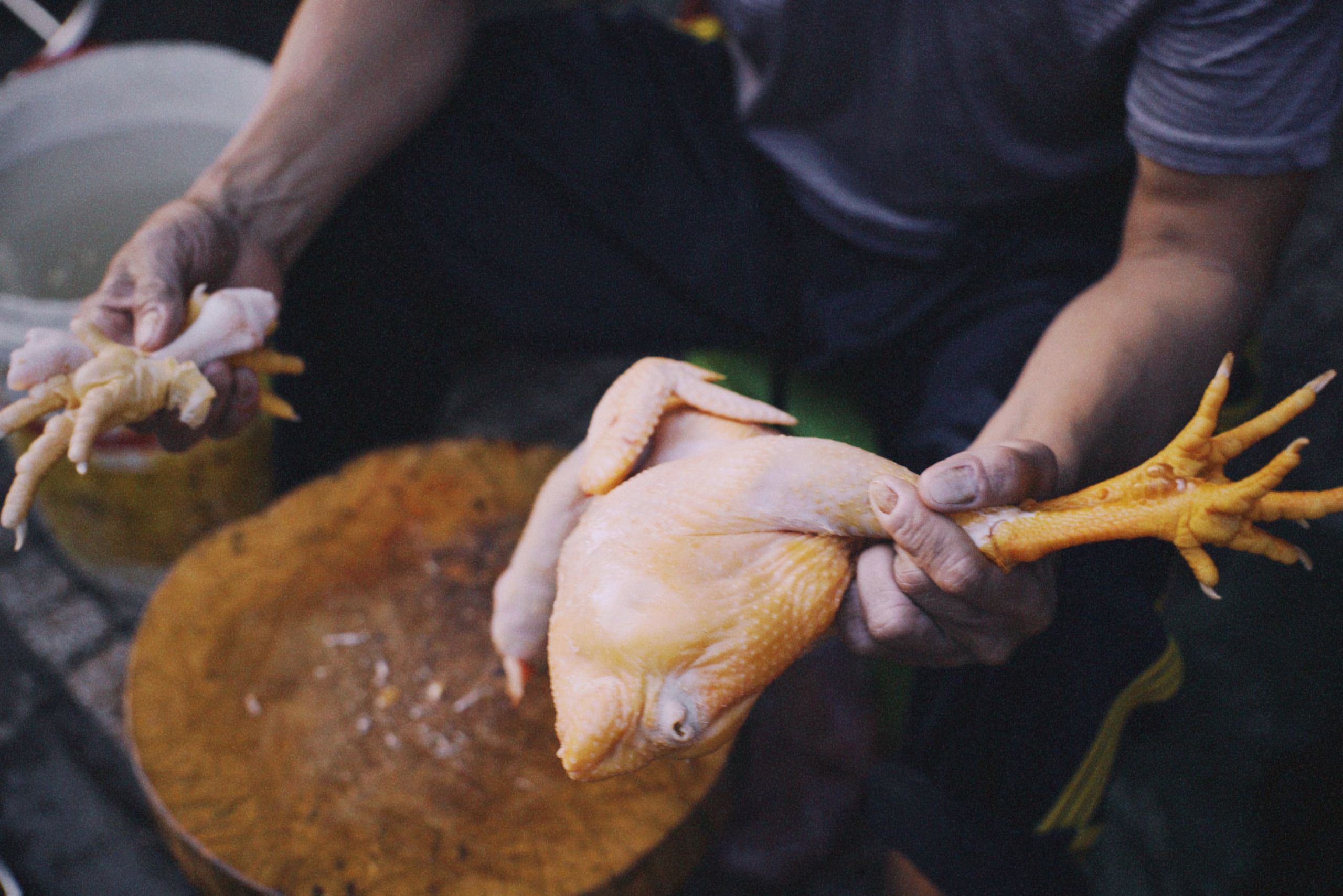
Rinsing Raw Chicken in the Sink
Rinsing raw chicken feels like cleaning, but it can spread bacteria around the sink, faucet, counter, dishes, and nearby surfaces. The water does not make the chicken safer. Proper cooking does that. What looks like a harmless rinse can turn the sink area into a cross-contamination zone.
A better method is to pat the chicken dry with paper towels, throw the towels away, wash hands properly, clean the work area, and cook the chicken to the right internal temperature. Drying the surface also helps the chicken brown better. We get safer food and better texture without splashing raw poultry juices across the kitchen.
Cutting Meat Before It Has Time to Rest
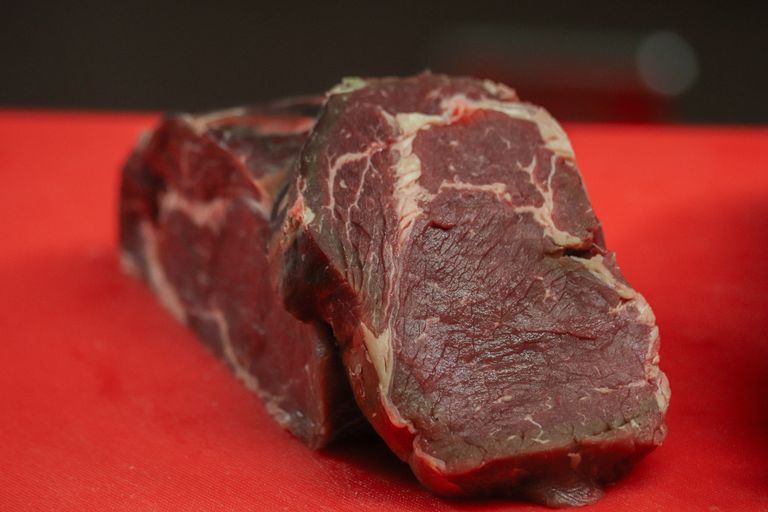
Slicing meat the moment it leaves the pan is tempting, especially when it smells amazing. The problem is that the juices run onto the cutting board, leaving the meat drier than it should be. That puddle may look rich, but it belongs inside the food.
Resting gives the juices time to settle back through the meat. Smaller cuts may take only a few minutes, while larger roasts may take longer. This short pause can make chicken, steak, pork, and roasted meats taste juicier and more balanced. Good cooking does not end when the heat turns off. Sometimes the best thing we can do is wait.
Storing Raw and Cooked Food Too Close Together
Raw and cooked foods should never be treated like casual neighbors in the fridge. Raw meat, poultry, and seafood can leak juices that contaminate leftovers, vegetables, or ready-to-eat meals. This mistake often happens when the fridge is crowded, and everything gets shoved wherever it fits.
Safe storage starts with separation. Raw meat should stay sealed and stored below cooked foods, produce, and leftovers. Cutting boards, utensils, plates, and containers should also stay separate during prep. A clean kitchen is not just about wiping counters. It is about preventing invisible problems before they reach the plate.
Key Takeaway
Most kitchen mistakes are not dramatic. They are small habits that quietly weaken flavor, ruin texture, slow us down, or create safety risks. We improve our cooking when we read before we start, give food space, season in layers, control heat, use sharp tools, check temperatures, and store food properly.
The best home cooks are not perfect. They are simply more aware of the tiny choices that shape every meal. Once we fix those choices, the kitchen becomes calmer, the food tastes better, and dinner stops feeling like a guessing game.