The rent is due, the grocery receipt looks insulting, and the car needs another repair right when the school sends home a new fee. For many American families, settling down has become less about chasing a dream and more about finding a place where life does not feel like a weekly emergency.
Parents want simple things. They want safe streets, decent schools, reliable services, manageable housing, steady work, and enough money left after bills to give their children more than stress.
That is why the worst U.S. cities for families can feel so personal. These cities may have proud histories, hardworking residents, deep culture, and strong neighborhoods, but they also carry pressures that make family life harder to sustain.
A recent comparison of more than 180 cities examined family-ranking factors such as affordability, education, child care, health, safety, recreation, and economic conditions. In a country already shaped by daily stress, those factors can determine whether a family feels rooted or worn down.
Detroit, Michigan

Detroit often looks affordable compared with coastal cities, but lower housing prices do not automatically make family life easier. Parents may still face concerns around school quality, neighborhood safety, job access, transportation, and whether public services feel strong enough to support long-term stability.
The city has character, history, and residents who fight hard for their communities. Still, settling down can feel complicated when a family has to weigh cheaper housing against the daily pressure of safety concerns, uneven opportunity, and the extra work required to find the right neighborhood.
Memphis, Tennessee
Memphis has music, food, culture, and a strong identity that many families love. Yet for parents trying to settle down, safety can become the first concern before parks, schools, housing, or weekend activities even enter the conversation.
Family life changes when parents have to think carefully about errands, school routes, after-dark movement, and where children can play. National violent crime data helps explain why safety remains one of the biggest quality-of-life concerns for families choosing a city.
Cleveland, Ohio
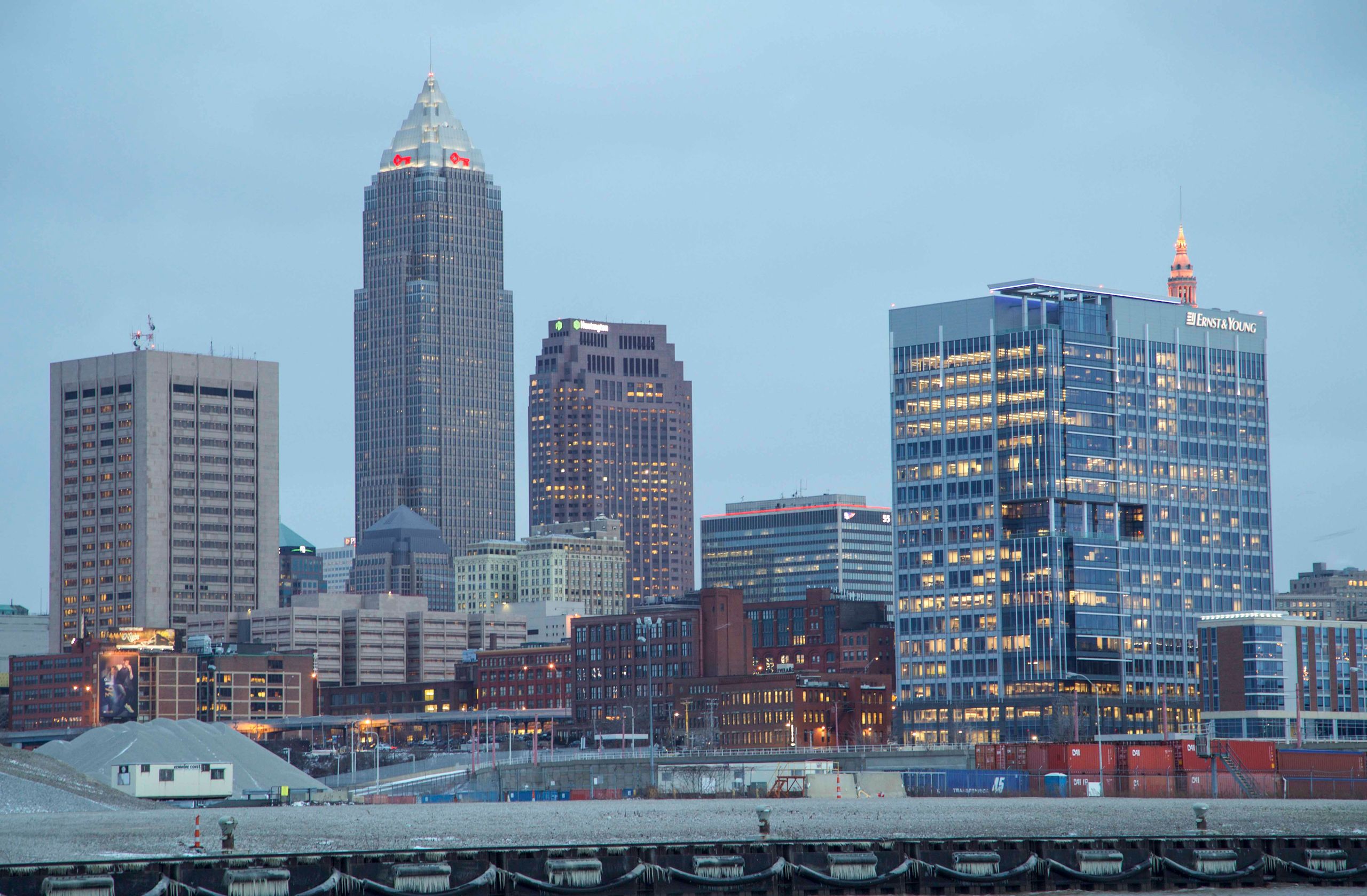
Cleveland has major hospitals, sports pride, lakefront energy, and neighborhoods with real personality. Families can find affordability and community here, but they may also face sharp differences in schools, safety, income, and neighborhood conditions.
That unevenness can wear parents down. A city can have impressive strengths and still feel difficult if the basics depend too heavily on ZIP code. Families need more than potential. They need daily confidence that their children can grow in a stable environment.
Gulfport, Mississippi
Gulfport can look appealing to families who want water views, warmer weather, and a slower rhythm. The problem is that coastal life can bring risks that do not always show up in a real estate photo or weekend visit.
Parents have to think about storms, insurance pressure, evacuation plans, property damage, and whether the long-term cost of living near the coast is truly manageable. For families living near vulnerable areas, storm-surge risk can turn a beautiful location into a serious household concern.
Baltimore, Maryland

Baltimore has historic neighborhoods, medical institutions, universities, waterfront attractions, and a creative pulse that gives the city real depth. Still, families trying to settle down may face concerns around crime, school consistency, taxes, and neighborhood inequality.
The difficult part is that Baltimore can offer opportunity and pressure at the same time. Parents may love the city’s character but still feel forced to calculate every decision around safety, commute, school fit, and whether the neighborhood feels secure enough for children.
Newark, New Jersey
Newark gives families proximity to New York City jobs, major transit, airports, culture, and a dense regional economy. That access can be valuable, especially for working parents trying to stay close to opportunity without living directly in Manhattan.
Still, big-city access can come with crowding, high rent pressure, and limited financial breathing room. With many households facing a record renter burden, families in expensive metro areas may feel every rent increase like another warning.
Jackson, Mississippi
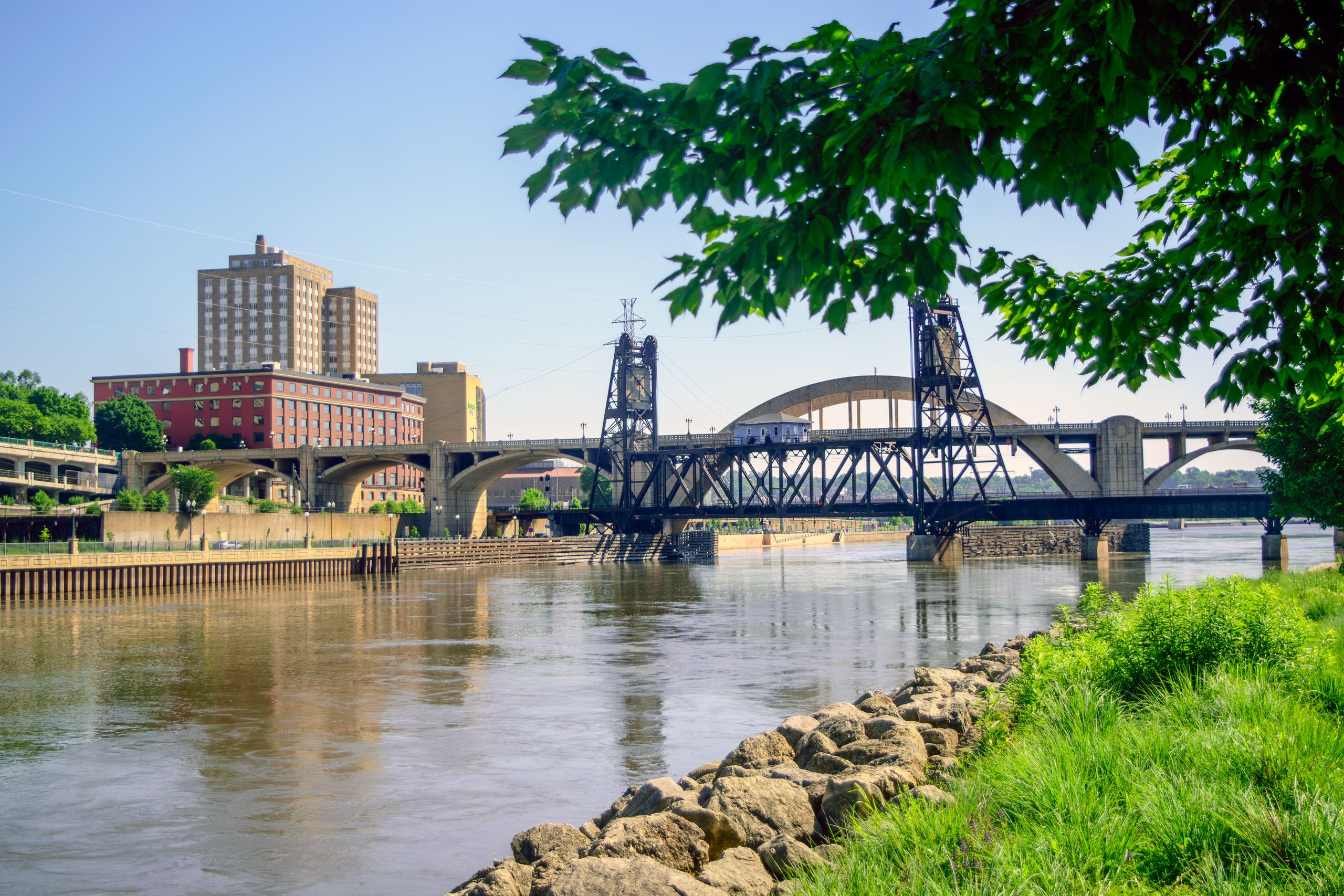
Jackson has a deep history, cultural roots, and communities that continue to push forward through difficult conditions. For families, though, concerns around infrastructure, schools, poverty, and public services can make settling down feel uncertain.
Parents need to work in their daily lives. Water, roads, emergency services, schools, and safe neighborhoods are not luxuries. The city of Jackson’s drinking water issues show why basic reliability matters so much when families are deciding where to build their future.
Shreveport, Louisiana
Shreveport offers affordability, local pride, and a slower pace that may appeal to families tired of the stress of larger metros. Yet parents may still worry about school strength, safety, job growth, access to health care, and whether the city can support long-term progress.
A family needs more than just a place to sleep. It needs a place where children can imagine opportunity, parents can feel steady, and daily life does not drain every ounce of hope. If settling down is supposed to feel like planting roots, what happens when a city makes those roots feel harder to hold?