Marriage is often sold as a soft landing, a lifelong shelter where love, loyalty, and companionship protect people from life’s rough weather. At its best, that is exactly what it can be. A healthy marriage can calm the nervous system, reduce loneliness, create emotional safety, and give two people the confidence to face stress together.
But marriage is not magic. A ring does not automatically erase anxiety, loneliness, depression, resentment, or emotional exhaustion. The truth is sharper than most romantic stories admit: marriage can strengthen mental health when it is respectful and balanced, but it can quietly damage it when conflict, control, silence, or unfair expectations take over.
Marriage Can Reduce Loneliness When Emotional Support Is Real
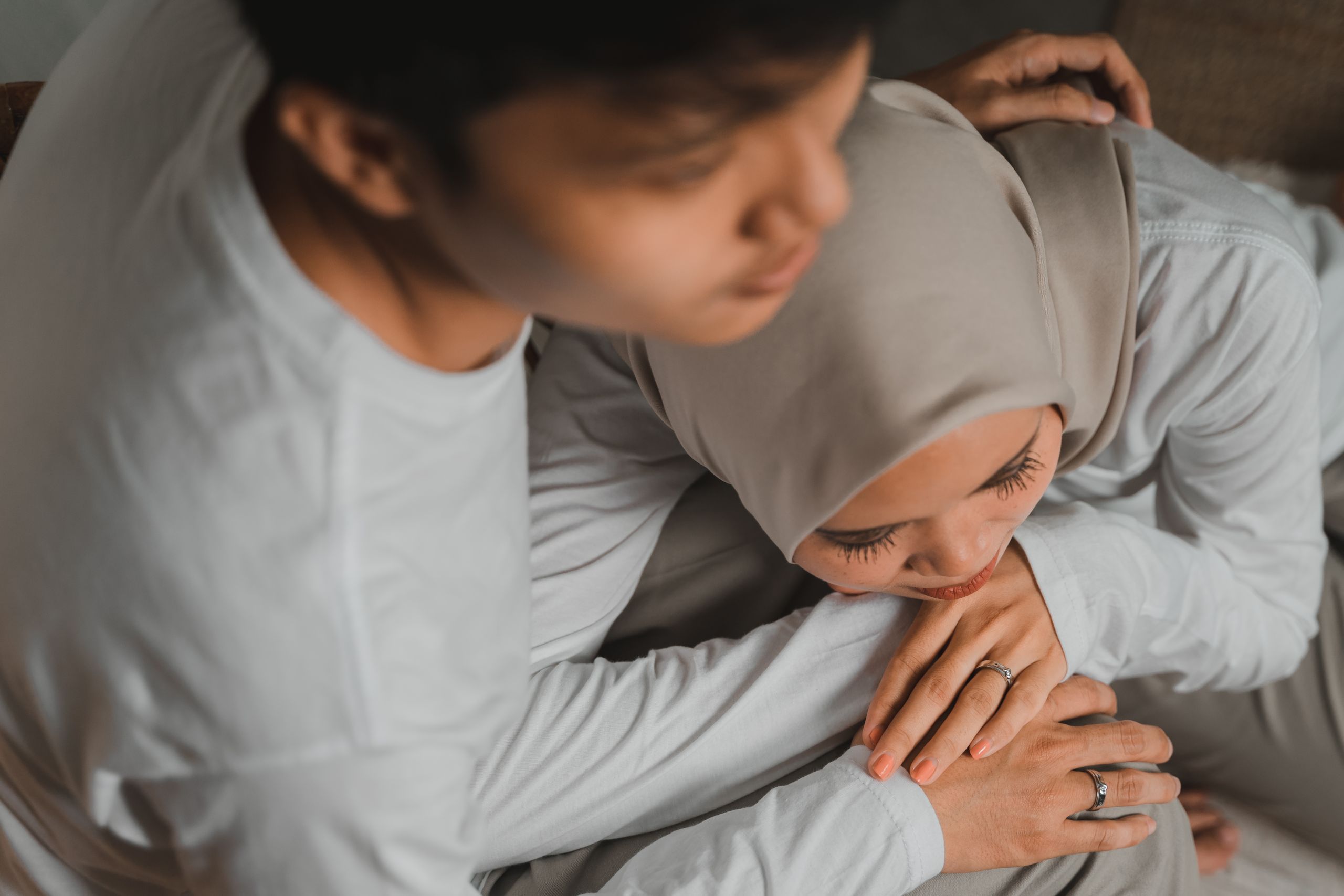
One of the strongest mental health benefits of marriage is companionship. Having someone to talk to after a hard day, share small victories with, and lean on during stressful moments can make life feel less heavy. A supportive partner becomes more than a spouse; they become a steady emotional witness who helps make pain feel less isolating.
This kind of support matters because loneliness can quietly affect mood, sleep, motivation, and self-worth. In a healthy marriage, both partners feel seen, heard, and emotionally protected. That steady connection can create a sense of belonging that helps people handle pressure with more confidence and less fear.
A Healthy Marriage Can Make Stress Easier To Carry
Life brings bills, job pressure, family demands, health worries, and unexpected setbacks. Marriage can make those burdens easier when both partners approach problems as a team rather than as opponents. Shared decision-making can turn stressful situations into manageable challenges because neither person feels completely alone.
The problem begins when one partner carries most of the emotional weight. If one person manages the home, remembers every responsibility, handles the conflict, and absorbs everyone’s moods, marriage becomes another source of stress instead of relief. Mental health improves when support is mutual, not when one person becomes the unpaid emotional manager of the household.
Marriage Can Improve Stability When The Relationship Feels Safe
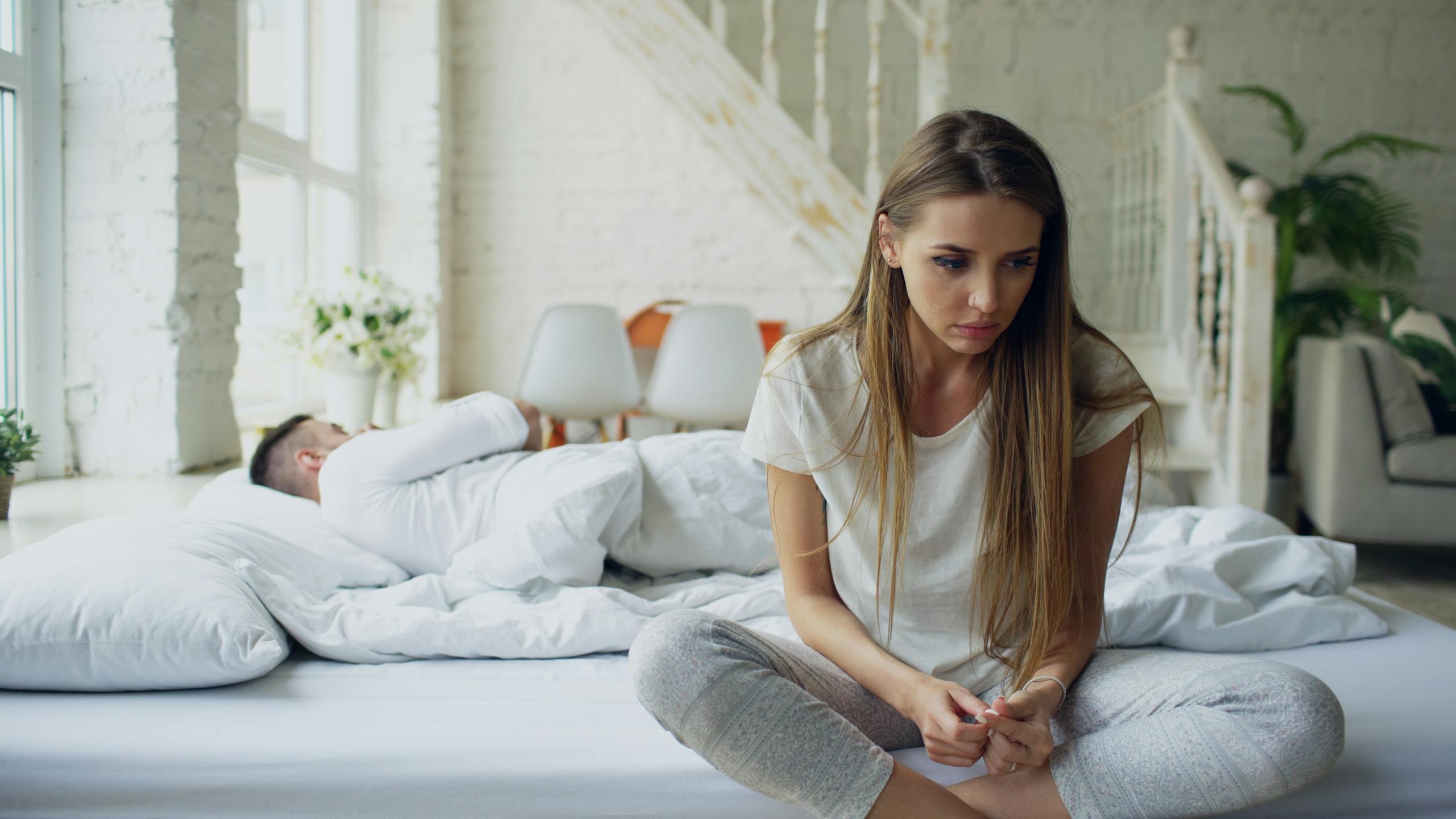
Emotional safety is one of the quiet gifts of a good marriage. When partners trust each other, communicate honestly, and treat each other with care, the relationship becomes a stable base. That stability can help reduce fear, insecurity, and the constant mental tension that comes from wondering where you stand.
A safe marriage does not mean every day is perfect. It means disagreements do not turn cruel, mistakes do not become weapons, and vulnerability does not get punished. When people know they can be honest without being mocked, ignored, or attacked, the marriage becomes a place where the mind can breathe.
Conflict Can Turn Marriage Into A Mental Health Burden
Constant fighting can wear down even the strongest person. When marriage becomes a cycle of criticism, blame, silent treatment, shouting, or emotional withdrawal, the home stops feeling peaceful. Instead of being a place to recover from the world, it becomes the place where stress begins.
Long-term conflict can create anxiety, sadness, irritability, and emotional exhaustion. Some people start walking on eggshells because they never know what will trigger the next argument. Over time, this kind of tension can make marriage feel less like a partnership and more like survival.
Unequal Responsibilities Can Create Deep Resentment

Marriage becomes emotionally dangerous when one person is expected to do too much without recognition. Household chores, childcare, caregiving, scheduling, emotional labor, and family obligations often fall unfairly on one partner. Even when both people work, one may still carry the invisible burden of keeping everything together.
That imbalance can slowly turn love into resentment. The exhausted partner may feel unseen, used, or emotionally abandoned. When responsibility is not shared fairly, marriage can become a daily reminder that one person’s comfort is built on another person’s burnout.
Gender Roles Can Quietly Damage Mental Health
Traditional expectations can place heavy pressure on husbands and wives in different ways. Some men are taught to hide fear, avoid vulnerability, and carry financial stress without complaint. Some women are expected to sacrifice personal dreams, manage the home, stay emotionally available, and keep the marriage peaceful, even when they are exhausted.
These roles can trap both partners in performances rather than allowing them to be fully human. A marriage becomes healthier when both people are free to rest, speak, feel, grow, and ask for help. Love should not require one person to disappear so the relationship can look successful from the outside.
Children Feel The Emotional Climate Of A Marriage
Marriage does not affect only the couple. Children often absorb the emotional temperature of the home, even when adults believe they are hiding the tension well. A stable and respectful marriage can give children a strong sense of security, routine, and emotional protection.
But a high-conflict marriage can create fear, confusion, and stress for children. They may become anxious, overly responsible, withdrawn, or constantly alert to changes in their parents’ moods. Children do not need perfect parents, but they do need a home where love does not feel like a battlefield.
Marriage Works Best When Love Comes With Emotional Maturity

Marriage can support mental health when both people bring more than affection to the relationship. Love matters, but emotional maturity matters just as much. Couples need patience, honesty, accountability, forgiveness, boundaries, and the courage to repair damage rather than pretend it never happened.
A strong marriage is not built by avoiding problems. It is built by facing them before they become walls between two people. When both partners are willing to listen, change, apologize, and grow, marriage can become one of the most powerful sources of emotional strength in a person’s life.
Final Thoughts
Marriage can be healing, but it can also be heavy. It can give people comfort, stability, companionship, and purpose, yet it can also create anxiety, resentment, and emotional pain when the relationship becomes unfair or unsafe. The difference is rarely the wedding itself; it is the quality of the daily life two people build after it.
The healthiest marriages are not the ones that look perfect in public. They are the ones where both people feel respected in private. When marriage becomes a place of support, honesty, fairness, and emotional safety, it does more than protect mental health. It helps both partners become stronger, calmer, and more fully themselves. money.