It usually starts with embarrassment, not danger. Someone feels curious, avoids buying a safer product, reaches for something nearby, and convinces themselves it is harmless because it is already in the house.
Then the moment changes. A sharp edge cuts skin. A product burns. An object gets stuck. A rash appears the next day, and a private choice suddenly becomes a medical problem.
Doctors have seen enough cases to know the pattern. Improvised intimacy can lead to bleeding, infections, allergic reactions, chemical irritation, burns, and emergencies involving retained rectal objects.
This is not about shaming adults. It is about stating clearly that household items are designed for kitchens, bathrooms, drawers, and living rooms, not for intimate use on the body.
Glass bottles and Jars
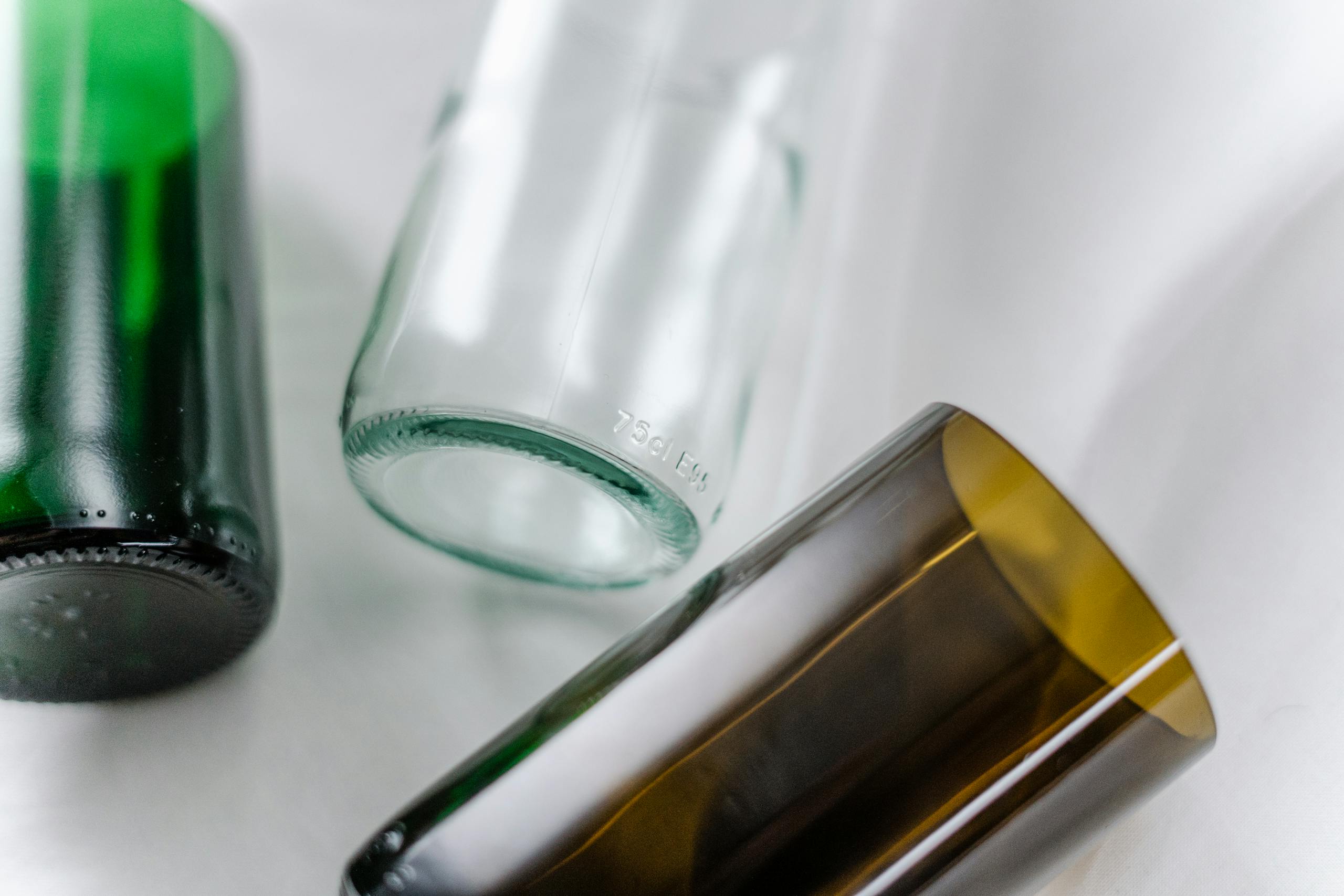
Glass looks smooth, but that does not make it safe. Bottles and jars can crack, chip, or break under pressure, especially if they were never made for body contact. Even a tiny damaged edge can cut sensitive tissue before someone notices the danger.
Some glass objects can also create suction or become difficult to remove. Panic makes that worse because people may try unsafe at-home removal instead of getting medical care. A product designed to store drinks or food should never be treated as a body-safe object.
Candles
Candles feel romantic because they belong to the mood of a room. That does not mean they belong on the body. Hot wax, fragrance oils, dyes, and open flames can quickly injure skin, especially around sensitive areas.
The danger is not only heat. Many household candles contain scents and additives made for the air, not intimate skin. What smells pleasant on a nightstand can cause burning, redness, or irritation when it comes into contact with the wrong place.
Food
Food often looks harmless because people have already put it in their mouths. That logic fails quickly when food is used during intimacy. Sugar, sauces, spices, oils, and sticky textures can irritate the skin or leave residue that is hard to clean off.
The body has delicate areas where bacteria and pH balance matter. Mayo Clinic notes that vaginitis can involve discharge, itching, and pain, often linked to infection or changes in the normal balance of bacteria. A snack may be safe to eat, but that does not make it safe for intimate contact.
Vegetables
Vegetables are often treated as jokes in movies and online stories, but the risk is real. They can have rough skin, uneven shapes, pesticide residue, dirt, weak spots, or hidden cracks. If one breaks, the situation can become painful and frightening fast.
Washing a vegetable does not make it medical-grade. It may still carry bacteria or leave pieces behind. Anything that can snap, crumble, peel, or splinter belongs in the kitchen, not in a private moment.
Lotions and Oils
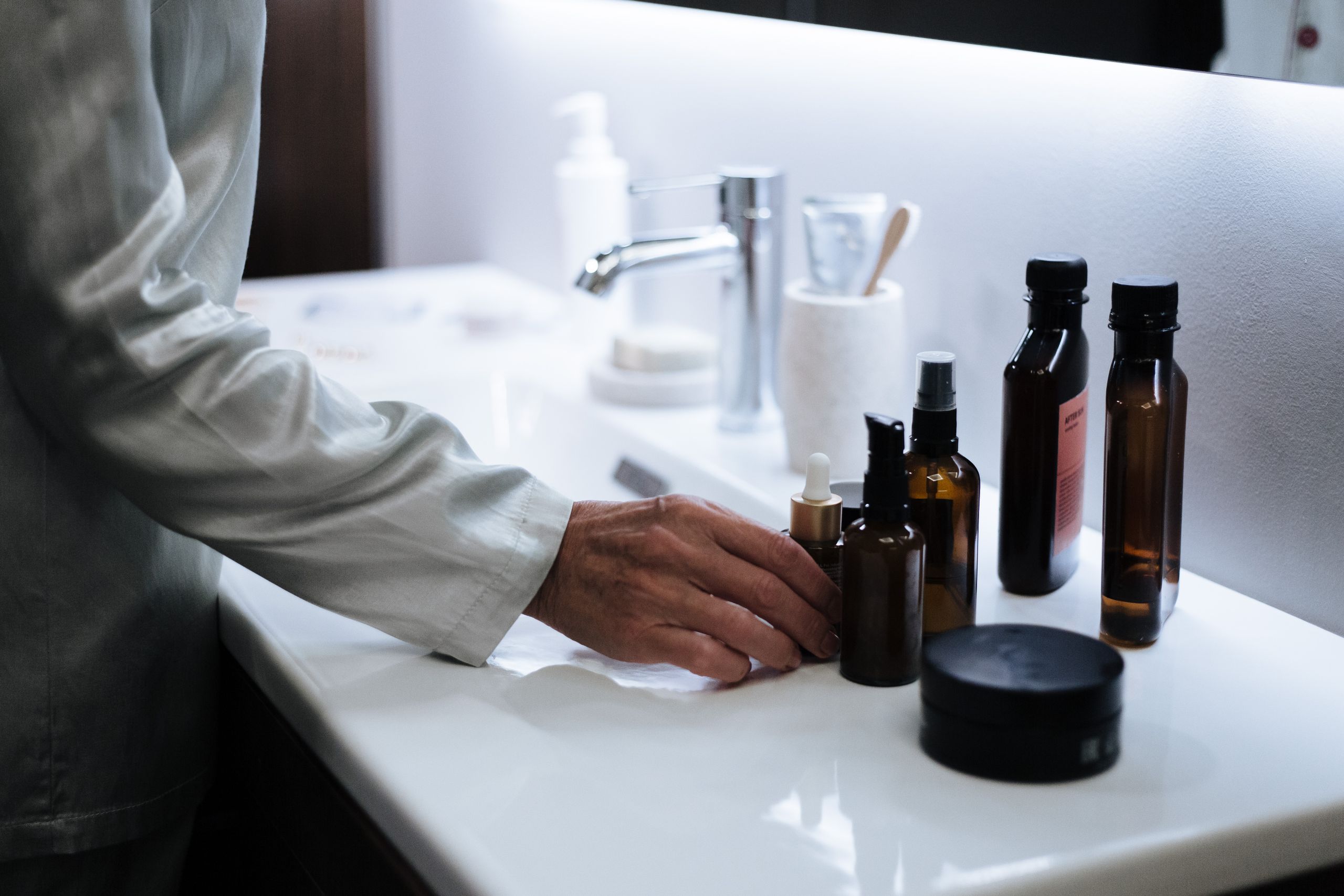
Household lotions, petroleum jelly, baby oil, cooking oil, and scented body oils may seem like easy substitutes for lubricant. They are not the same thing. Many contain fragrances, preservatives, or ingredients that can irritate sensitive tissue.
The condom risk matters too. FDA guidance warns that oil-based lubricants can damage latex condoms, including products made with petroleum jelly, mineral oil, vegetable oil, or cold cream. A cheap shortcut can raise the risk of condom failure, infection exposure, or pregnancy.
Plastic bags and Wraps
Plastic wrap, sandwich bags, and thin household plastics may seem like a possible barrier in a desperate moment. They are not. These products are not designed, tested, or shaped to protect people during intimacy.
They can tear, slide, bunch up, trap moisture, and create friction. They also do not offer reliable protection against pregnancy or infections. CDC guidance says correct condom use can help prevent sexually transmitted diseases, but kitchen plastic is not a condom and should not be treated like one.
Toothbrushes and Grooming Devices
Electric toothbrushes, razors, trimmers, and grooming tools may vibrate or move, but that does not make them safe for intimate use. They often have bristles, blades, seams, removable parts, rough edges, or battery openings. Those features can scratch, cut, pinch, or trap bacteria.
The bathroom also carries its own germ problem. Items stored near sinks, toilets, counters, and makeup bags are rarely as clean as people assume. A tool made for teeth, hair, or shaving should stay in that lane.
Hairbrush handles and Makeup tools
Hairbrush handles, makeup brushes, mascara tubes, and cosmetic containers may look smooth at first glance. Look closer, and many have ridges, caps, seams, hard plastic edges, or decorative shapes. Those details can cause hidden scratches or pressure injuries.
Cleanliness is another concern. Makeup tools can carry oils, powders, bacteria, and chemical residue from the face or bathroom counter. A glossy surface does not mean the item is sterile, nonporous, or safe for intimate contact.
Cleaning Products and Sprays
Household cleaners, disinfectants, deodorizing sprays, perfumes, and heavily scented products should never be used for intimate freshness or stimulation. These products are made for surfaces, rooms, fabrics, or air. They are not made for delicate tissue.
The damage can happen fast. Chemical irritation can feel like burning, stinging, swelling, or intense discomfort. A product that seems harmless on a countertop can be extremely painful on the body.
Phones and Remotes
Phones, remote controls, gaming controllers, and small electronics are handled constantly and cleaned poorly. They move from couches to beds, bags, bathrooms, tables, cars, and hands. That alone makes them a bad choice for intimate contact.
They also have hard edges, buttons, seams, charging ports, batteries, and surfaces that can crack or heat up. Electronics are not body-safe just because they are nearby. If a private moment depends on grabbing a device from the coffee table, is that really worth the medical risk?