Some everyday habits that older generations considered ordinary are becoming popular again among younger Americans.
From writing shopping lists by hand to brewing coffee at home, people are rediscovering simple routines that don’t rely entirely on modern technology or convenience services.
The return of these habits does not necessarily mean younger generations are rejecting modern lifestyles. Instead, some people are combining traditional practices with newer tools to make daily life more practical.
Here are 10 old-school habits finding a place in modern routines.
Writing Things Down With Pen and Paper

Smartphones can store reminders, appointments, and shopping lists, but handwritten notes still have a place in everyday life.
Some people use notebooks and planners to organize their schedules, track spending and record personal ideas.
Paper planners also provide a break from switching between several applications.
Making Coffee at Home
Buying coffee from a café can become an expensive routine when you do it every day.
Preparing coffee at home gives people control over the ingredients, serving size, and equipment they use.
French presses, drip machines and reusable coffee makers have made home preparation accessible to different budgets.
Hanging Clothes to Dry
Clotheslines and drying racks remain useful alternatives to using a tumble dryer for every load.
Some households use them to reduce electricity consumption or handle garments that require gentler care.
Indoor drying racks are also practical for people who live in apartments without outdoor space.
Writing Handwritten Letters
Text messages and emails are convenient, but handwritten letters offer a different experience.
Some people still send birthday cards, thank-you notes, and postcards because they enjoy the personal effort involved.
A handwritten message can also become something the recipient keeps for years.
Playing Board Games
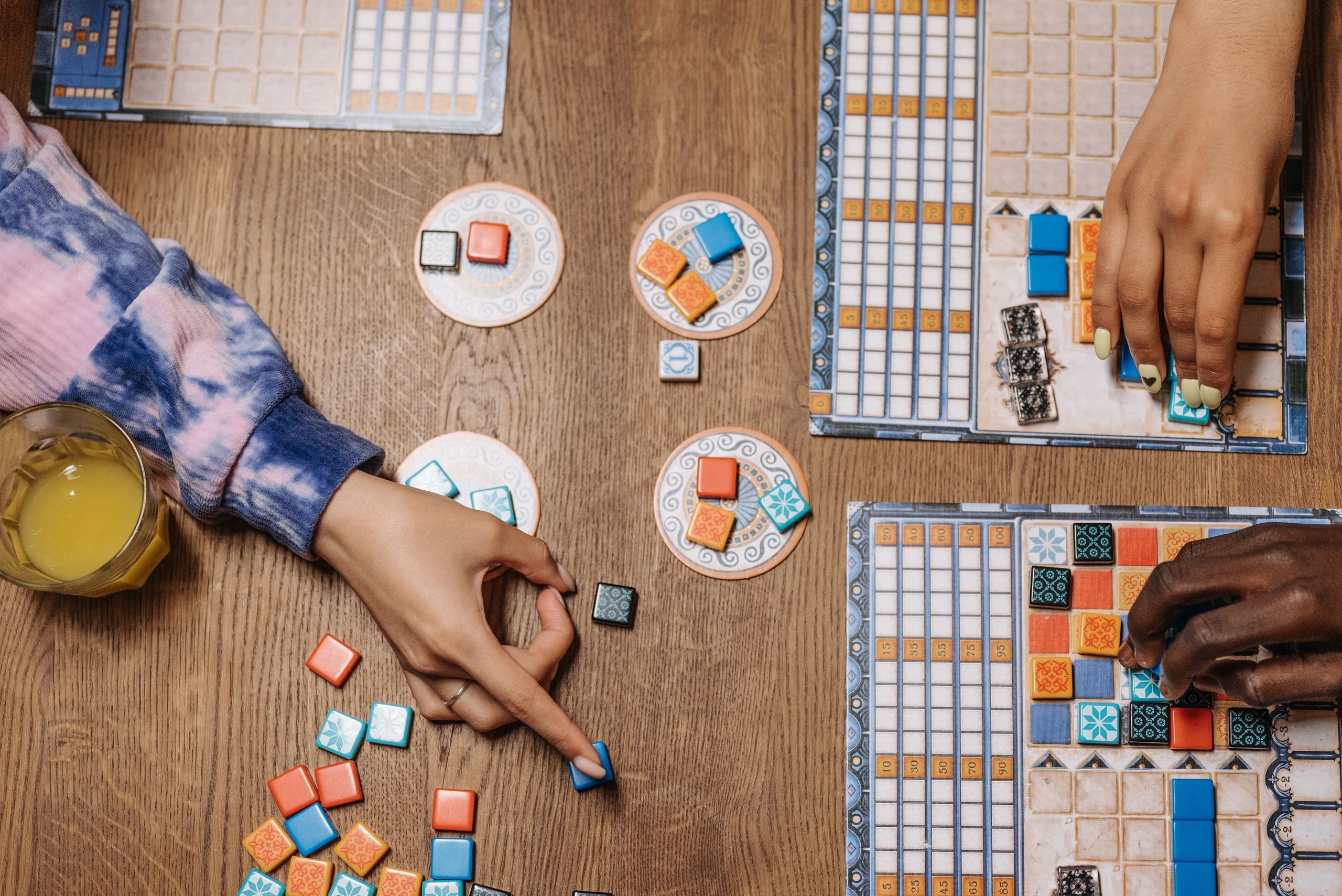
Board games give family members and friends a chance to spend time together without everyone focusing on separate screens.
Chess, Scrabble, Monopoly and card games remain familiar options.
Some households organize regular game nights as an alternative to watching television.
Shopping at Second-Hand Stores
Thrift shopping has become popular among people searching for affordable clothing, furniture, books, and household items.
Online resale platforms have also made it easier to find pre-owned products.
For buyers, the appeal may be lower prices, unusual finds, or the chance to reuse items instead of buying everything new.
Carrying Reusable Bottles
Reusable water bottles and travel mugs have become common accessories.
They let people carry drinks from home instead of repeatedly buying disposable bottles or takeaway cups.
Modern designs may look different from older thermoses, but the basic idea is familiar.
Joining Local Clubs
Some people are rediscovering community activities such as bowling leagues, hobby clubs, and neighborhood groups.
These gatherings provide opportunities to meet people with similar interests outside work and social media.
They also encourage participation in local community life.
Growing Plants at Home
Home gardening is another traditional activity finding new audiences.
Some people grow herbs on kitchen windowsills, while others maintain balcony gardens or dedicate backyard space to vegetables.
Even a small collection of plants can make a home feel more personal.
Using Physical Cash for Everyday Spending

Some younger adults are experimenting with cash-based budgeting methods.
They divide cash into categories such as groceries, entertainment, and personal purchases.
This approach makes the amount available for each category visible and can help people monitor spending.
Final Thought
Modern technology has changed the way people work, shop, communicate, and organize their lives. However, not every traditional habit has become outdated.
Some old routines remain useful because they are simple, practical and easy to adapt.
The renewed interest in these habits shows that people can enjoy modern convenience while keeping selected traditions in their everyday lives.