A crime can look obvious from the outside. There may be a victim, a suspect, a motive, a history of suspicious behavior, and enough public outrage to fill every internet comment section. Still, the person everyone suspects may never face a conviction is where public trust begins to crack.
We often imagine justice as a straight road from crime to arrest to trial to punishment. Real life is messier. Criminals get away with crimes for reasons that include weak evidence, slow investigations, frightened witnesses, legal mistakes, unreported offenses, money, influence, overloaded courts, poor policing, and the simple fact that proving guilt is much harder than suspecting it.
Money Gives Some Defendants a Better Fight

Wealth does not automatically make someone guilty or innocent, but it can change the quality of defense. A wealthy suspect can hire experienced attorneys, private investigators, forensic experts, jury consultants, crisis managers, and public relations teams. They can challenge every filing, scrutinize every search, and stretch a case until the other side runs out of energy.
Poor defendants often face a different reality. Public defenders do vital work, but many carry heavy caseloads. A person with money may receive more time, more strategy, and more expert support. That imbalance does not mean every rich suspect escapes justice, but it does mean the courtroom is rarely as equal as people want to believe.
Criminal accountability should not depend on a person’s bank balance. Yet in practice, resources can shape how long a case lasts, how aggressively evidence gets challenged, and how much pressure prosecutors face before trial.
Weak Evidence Can Destroy a Strong Case
Evidence is the backbone of the criminal justice system. Without it, even the most shocking crime can become legally fragile. Physical evidence can be lost, contaminated, mislabeled, delayed, or challenged by defense attorneys. Digital evidence can be incomplete, deleted, encrypted, or obtained in violation of procedure.
A single mistake can create a major opening for the defense. If officers mishandle a weapon, fail to document where evidence was found, or collect data without a proper warrant, the court may exclude key material. Once that happens, a case that seemed strong can suddenly become too weak to prosecute.
Slow Investigations Give Criminals Time to Adapt
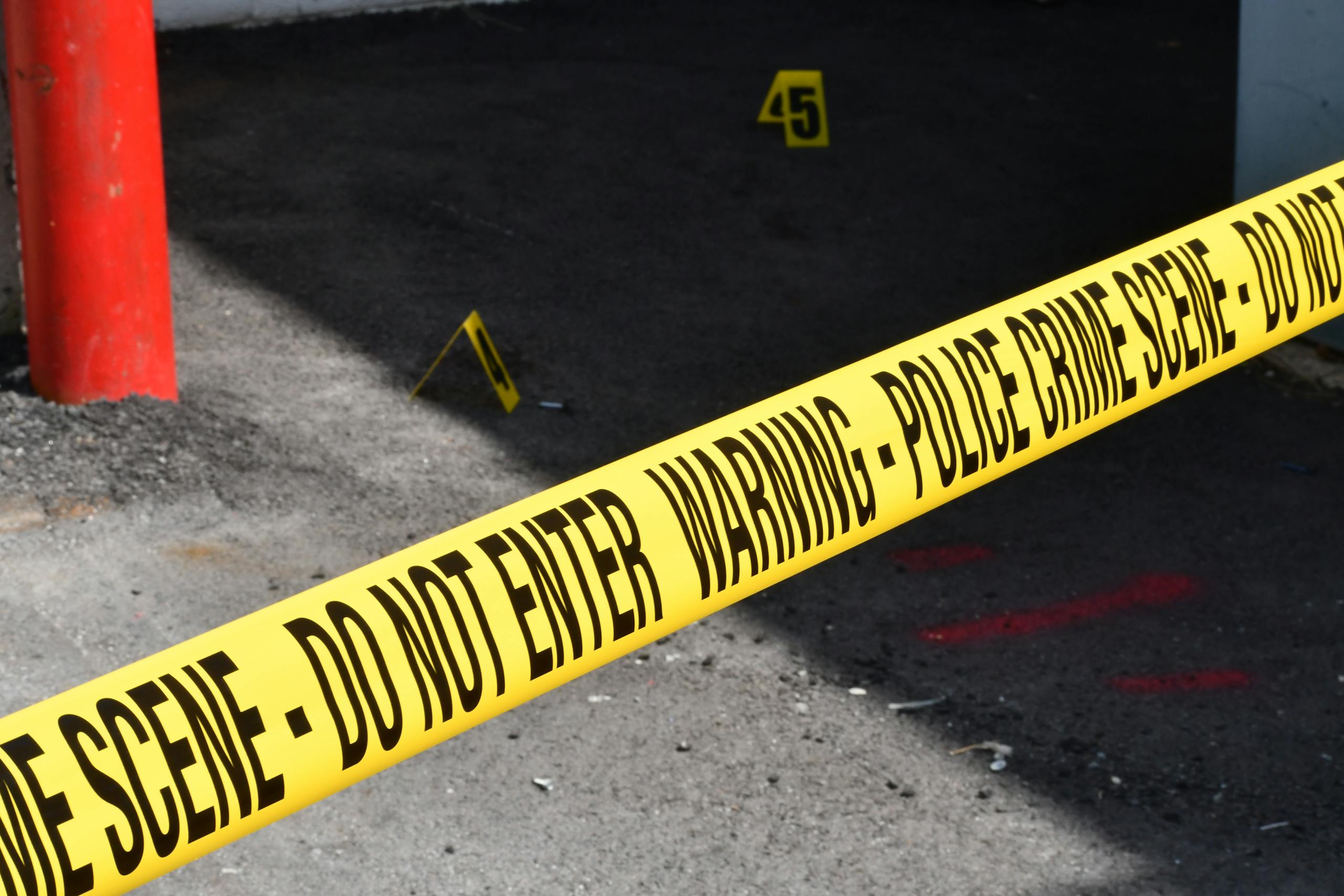
Time is one of the criminal’s greatest allies. The longer an investigation takes, the more chances a suspect has to destroy evidence, influence witnesses, hide assets, flee, or develop a convincing story. Delays can also weaken human memory, which matters because many cases depend on what people saw, heard, or experienced.
Police departments and forensic labs often face heavy caseloads. Prosecutors may also struggle with backlogs, staffing shortages, and complex legal requirements. When a case moves slowly, the victim may lose hope, witnesses may become harder to reach, and the defense may gain room to challenge the reliability of the evidence.
Justice delayed is not just emotionally painful; it is also harmful. It can become practically weaker. Every month that passes can make it harder to prove the truth.
Forensic Backlogs Can Let the Guilty Stay Free Longer
Many people believe DNA, fingerprints, ballistics, phone records, and surveillance footage instantly solve crimes. Real investigations rarely work that cleanly. Forensic evidence must be collected, stored, processed, analyzed, reviewed, and explained in court. Each step takes time, and each step can become a bottleneck.
DNA testing is especially powerful, but it is not magic. A backlog can delay results for weeks or months, and a delayed result can slow down arrests or weaken a prosecutor’s timeline. In some cases, the suspect remains free while the lab processes evidence. In others, the delay gives the defense room to question the handling of the material.
Witness Fear Keeps Many Criminals Protected
Witnesses are often the difference between an arrest and a dead end. In violent crime, domestic abuse, gang activity, organized fraud, corruption, and sexual violence cases, the justice system may depend on people who are scared to speak. That fear is not weakness. It is survival.
A witness may fear retaliation against themselves, their children, their job, their immigration status, their housing, or their reputation. In small communities, the threat does not always need to be direct. A stare, a rumor, a message through a friend, or a past example of violence can be enough to silence someone.
This is one of the hardest truths about criminal justice. The system can ask people to “do the right thing,” but it cannot always protect them from the consequences. When witnesses refuse to cooperate or change their statements out of fear, prosecutors may lose the case before it reaches trial.
Many Crimes Are Never Reported at All
A criminal cannot be caught by a system that never hears about the crime. Many offenses remain hidden because victims do not report them. This is especially common in domestic violence, sexual assault, harassment, cybercrime, wage theft, elder abuse, fraud, and crimes involving shame or personal exposure.
Victims may stay silent because they fear not being believed. Others worry the process will be humiliating, expensive, slow, or dangerous. Some do not trust law enforcement. Others feel the crime is too minor to matter, especially in cases of online scams or minor theft. Criminals understand this silence and often target people who are less likely to report.
Influence Can Distort Investigations Before Court Begins
Influence can be more subtle than bribery. It can involve political pressure, professional networks, family status, celebrity, business power, or personal relationships inside institutions. A powerful suspect may receive softer treatment long before a judge sees the case.
Influence can affect whether a complaint is taken seriously, how quickly investigators act, how aggressively evidence is pursued, and how willing witnesses feel to come forward. In corruption cases, the problem becomes even harder because the people accused may understand the system from the inside. They may know who to call, which records to hide, and how to delay accountability.
Legal Rights Can Help Guilty People Escape Punishment

Legal protections are not loopholes in the cheap sense of the word. They are safeguards. The right to remain silent, the right to counsel, the right against unlawful searches, and the right to confront witnesses all exist because government power can be abused.
Still, guilty people can benefit from those safeguards. If police search a home without proper authority, key evidence may be excluded. If an interrogation violates a suspect’s rights, a confession may be thrown out. If prosecutors fail to disclose important material, the case may be damaged or dismissed.
Low Clearance Rates Can Encourage Repeat Offenders
When criminals believe the chance of being caught is low, punishment becomes less frightening. Harsh sentences may sound tough, but deterrence depends heavily on certainty. A long prison term means little to someone who believes arrest is unlikely.
This is why clearance rates matter. If many crimes go unsolved, offenders may come to see the system as a weak threat. They may commit new crimes because past experience taught them that police response is inconsistent, witnesses are afraid, and evidence is hard to collect.
A justice system that wants to prevent crime cannot rely only on severe punishment after the fact. It must increase the likelihood that offenders are identified, arrested, prosecuted, and held accountable quickly enough for consequences to feel real.
Prosecutors May Decline Cases They Believe Are Too Risky
A prosecutor may believe a suspect committed a crime and still decline to file charges. That decision can shock victims, but prosecutors are expected to consider whether the evidence can win in court. A weak case can result in an acquittal, and once a person is acquitted, retrial for the same offense is usually barred.
This means prosecutors sometimes wait for stronger evidence or choose lesser charges. They may also decline cases involving unreliable witnesses, missing records, unclear intent, or evidence collected through questionable procedures. To the public, that can look like indifference. Inside the system, it may be a strategic decision to avoid losing permanently.
Poor Police Work Can Hand Criminals an Advantage
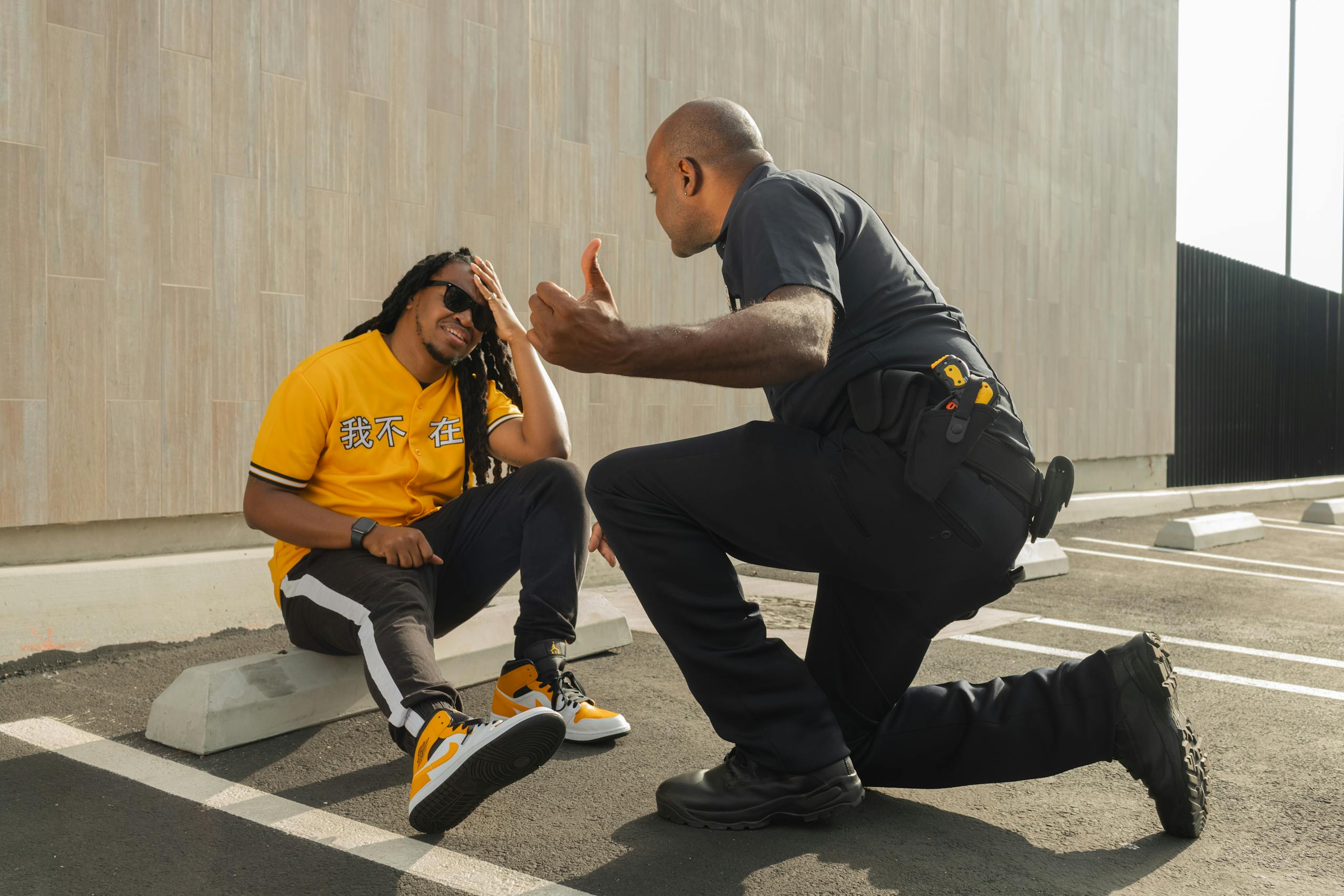
Good policing solves crimes. Poor policing protects criminals by accident. A rushed interview, an incomplete report, a missed camera, an ignored lead, a biased assumption, or a mishandled scene can create weaknesses that never fully disappear.
The first hours after a crime often matter most. If officers fail to secure the scene, separate witnesses, collect time-sensitive evidence, or document statements accurately, the case may suffer later. Defense attorneys are trained to find these errors and use them to challenge the prosecution’s story.
Police work must be both urgent and careful. Speed without precision creates mistakes. Precision without urgency creates delay. Criminals benefit when the system fails at either one.
Public Attention Can Help Some Cases and Hurt Others
Media attention can pressure authorities to act, uncover new witnesses, and keep a case alive. It can also create problems. Public outrage may spread misinformation, pressure witnesses, contaminate jury pools, and encourage people to mistake rumor for evidence.
Some criminals benefit from confusion. They may use publicity to present themselves as victims, attack the credibility of witnesses, or create alternate theories online. In the age of social media, a case can become a public performance before it becomes a courtroom matter.
Justice needs public accountability, but it also needs discipline. When the noise becomes louder than the evidence, guilty people can hide inside the chaos.
Organized Crime Uses Fear, Loyalty, and Silence
Organized criminals rarely rely on one person’s secrecy. They build networks of fear, money, loyalty, and intimidation. That makes them harder to prosecute because each participant may know only part of the operation, and witnesses may face serious risks for cooperating.
Gangs, trafficking networks, fraud rings, and corruption groups often use layers. The person committing the visible act may not be the person controlling the operation. Money may pass through intermediaries. Orders may be delivered indirectly. Violence may be implied rather than openly stated.
Conclusion
Criminals get away with crimes because justice is not automatic. A crime must be reported, investigated, documented, prosecuted, and proven. If one link breaks, the entire case can fail.
A better justice system does not need more outrage. It needs faster investigations, stronger witness protection, cleaner evidence handling, better forensic capacity, smarter prosecution, and public trust. When the chance of being caught becomes real, consistent, and timely, fewer criminals get to treat justice like a gamble they can win.