Arizona’s latest food fight does not begin in a grocery aisle. It begins with a federal funding cut that may sound like another government budget story until it reaches a school cafeteria, a food bank line, or a farmer staring at produce that suddenly has fewer buyers.
The Trump administration’s decision to cancel about $21 million in Arizona local food funding has raised a bigger question about who pays when Washington pulls money from community food systems. Schools were expected to receive about $13.1 million for local food purchases, while food banks were expected to receive about $8.1 million. On paper, those numbers belong to programs and agencies. In real life, they touch children, parents, seniors, cafeteria workers, food bank volunteers, and Arizona farmers trying to stay in business.
School lunches may become less local.

For many Arizona students, school meals are not just a convenience. They are part of the daily safety net that helps children focus, learn, and make it through the day without hunger, sitting beside them in class.
Local food funding gave schools more room to buy fruits, vegetables, dairy, and other products from nearby growers rather than relying solely on larger national supply chains.
When that money disappears, cafeteria teams may have fewer choices. They still have to serve meals. They still have to meet nutrition rules. They still have to deal with rising costs.
The difference is that they may now have less flexibility to put fresh Arizona-grown food on the tray. That turns a budget decision into something a child can see at lunch.
Food banks may have to stretch thinner boxes.
Food banks already know how to stretch a dollar until it squeaks. They manage donations, delivery schedules, volunteer hours, storage limits, and rising demand from families who may be working but still cannot keep up with rent, gas, and groceries.
The lost food bank funding was meant to help hunger-relief groups buy from local producers and move that food to people who needed it.
Without that support, food banks may have to rely more heavily on whatever donations arrive. That can mean less fresh food and more shelf-stable items, even when families need balanced meals. A box of food can still help, but the quality matters.
Fresh produce, protein, and local staples can make the difference between emergency help and real nourishment.
Farmers lose a buyer they could plan around.
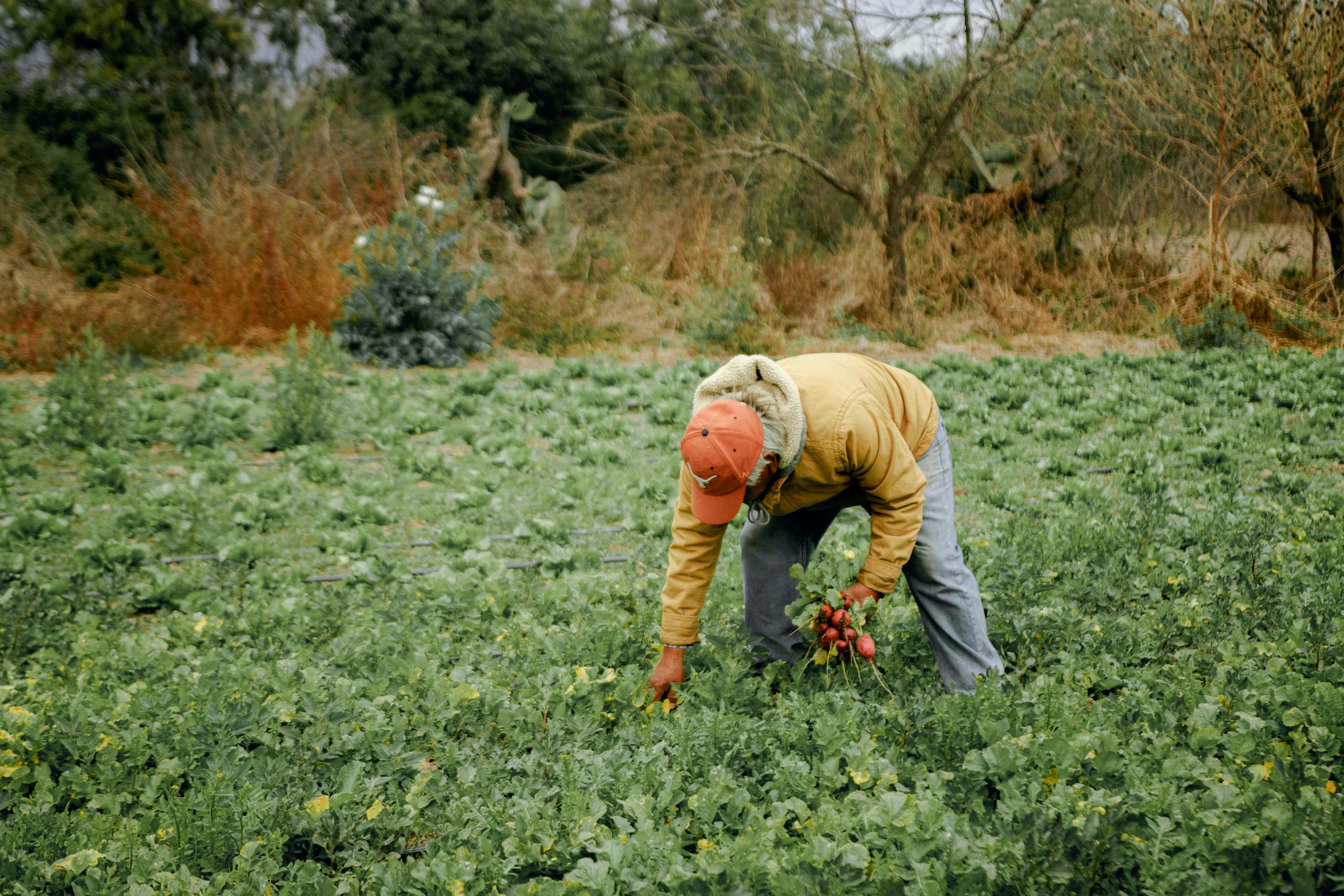
This cut not only hits families receiving food. It also hits the people growing it. Local food programs gave Arizona farmers and producers a more dependable way to sell what they raised. That matters because farming is built around planning months ahead, not reacting overnight.
A farmer cannot simply undo planted crops because a government program vanished. Seeds, labor, irrigation, transportation, and packaging all cost money before the food reaches a buyer.
When schools and food banks lose purchasing power, producers may be left scrambling for new markets. That uncertainty can make small farms think twice before planting, expanding, or trusting future public food programs.
The local food chain becomes more fragile.
The promise behind these programs was simple. Keep more food dollars close to home, help schools and food banks serve fresh food, and support local agriculture at the same time. That kind of system is not glamorous, but it is practical.
It makes communities less dependent on distant supply chains that can break during pandemics, extreme weather, labor shortages, or fuel price spikes.
Cutting the funding weakens that local loop. Instead of Arizona dollars helping Arizona producers feed Arizona communities, schools, and food banks, they may be pushed back toward cheaper, larger, and more distant suppliers.
That may solve a short-term budget problem, but it creates a long-term resilience problem. A state that cannot easily connect its farms to its own hungry families is leaving itself exposed. Healthy eating goals get harder to defend. Politicians often talk about healthier children, better meals, and stronger families.
Those goals sound good until the money to support them disappears. Fresh food is not free. Local delivery is not free. Kitchen labor is not free. Schools cannot serve better meals on good intentions alone. That is why this cut feels especially frustrating for nutrition advocates.
Schools are asked to improve food quality, reduce waste, meet federal standards, and satisfy children who may reject unfamiliar meals. Local purchasing programs helped make that work easier by giving districts access to fresher food and regional suppliers. Removing that support makes the healthy-meal conversation feel hollow.
Working families may face one more quiet burden.

Many Arizona families are already doing grocery math every week. They compare prices, switch brands, skip extras, and hope nothing unexpected happens before payday. When school meals and food banks become less supported, families feel the pressure in small but painful ways.
A weaker school meal program can mean parents must spend more to pack lunches. A strained food bank can mean fewer fresh options during a hard month. A struggling local farm can mean less community food access down the line.
None of these effects always appears immediately, but they build. Families rarely experience a cut as a headline. They experience it as one more problem added to an already crowded kitchen table.
Arizona now faces a wider choice.
The $21 million cut raises a larger question about what kind of food system Arizona wants to protect. A strong local food network does more than feed people. It supports farmers, keeps public money circulating in communities, gives schools better options, and helps food banks offer more than emergency calories.
Now, local leaders, school districts, nonprofits, and producers may have to find ways to fill the gap. That will not be easy. Private donations can help, but they rarely replace consistent public funding. State and local partnerships can soften the blow, but they may not reach every community equally.
The risk is that people with the fewest backup options will feel the most severe consequences.
Arizona’s food funding cut may look like a fight over federal spending, but it is really a test of priorities. A state can talk about children, farmers, families, and healthy communities all day. The harder question is whether those values still hold when the money is pulled away.