The world did not ease gently into the final days of May 2026. It lurched, sparked, warned, and rattled through one heavy headline after another.
A rare Ebola outbreak pulled Central Africa, East Africa, Europe, and the United States into the same urgent health story. U.S. strikes in Iran shook oil markets.
A climate warning landed with the weight of a siren. AI money moved fast, cave rescuers raced against oxygen, and space ambitions hit another fiery pause.
This is the kind of week that makes the news feel less like distant information and more like weather moving toward the window. Some stories carry immediate danger.
Others feel quieter, but their consequences could stretch for years. Together, they depict a world under pressure from disease, war, technology, politics, climate change, and fear.
As of May 28, 2026, these are 10 alarming world events unfolding this week.
The American Ebola Case Abroad Is Raising Serious Concern
An American who was exposed to Ebola while working with patients in the Democratic Republic of Congo tested positive for Ebola Bundibugyo disease in May 2026.
The patient was moved to Germany for treatment, and health authorities have stressed an important distinction: this is an American-linked case, not a confirmed Ebola case inside the United States.
That detail matters because fear travels faster than facts, especially when a disease as deadly as Ebola enters the conversation.
The case is still alarming because it sits inside a wider outbreak spreading through parts of Congo and Uganda. Bundibugyo is a rare Ebola strain, and outbreaks become harder to control when they collide with weak health systems, conflict zones, frightened communities, and exhausted medical workers.
One infected American abroad can suddenly turn a regional emergency into a global policy test, forcing governments to answer difficult questions about evacuation, quarantine, treatment, and public trust.
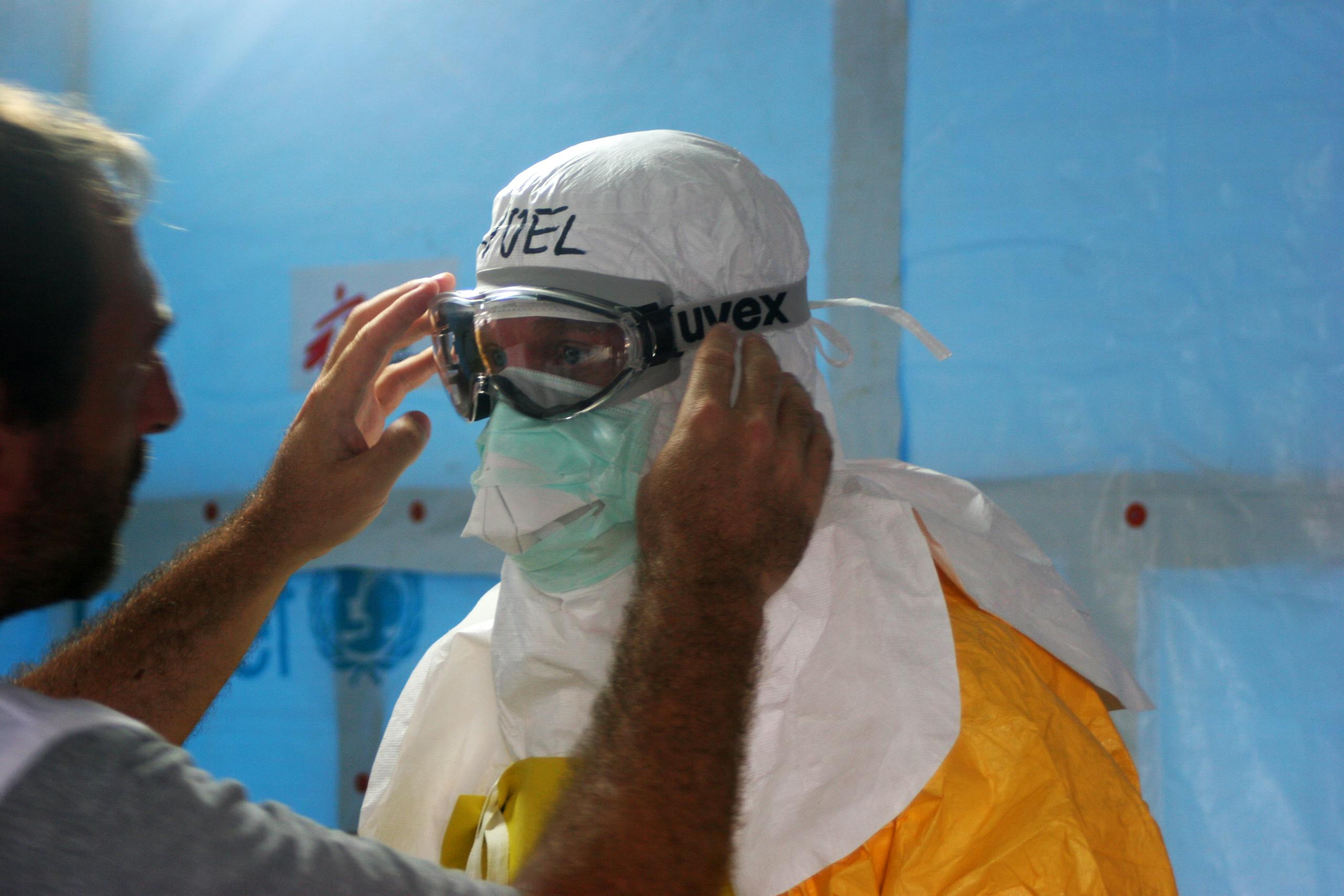
The U.S. Plans to Use a Kenya Facility for Ebola-Exposed Americans
The Trump administration is planning to send Americans exposed to Ebola abroad to a new facility in Kenya rather than automatically bringing them back to the United States.
The reported plan marks a major shift from the 2014 Ebola response, when infected American health workers were flown back to specialized U.S. hospitals for care.
Officials have framed the Kenya facility as a way to provide treatment closer to the outbreak zone and reduce the risks of long-distance evacuations. The controversy is sharp because the decision touches medicine, politics, ethics, and fear all at once.
Public health experts worry that Americans working in outbreak zones may hesitate to volunteer if they believe they will not be brought home after exposure.
Kenya’s role also raises questions about consent, readiness, and local protocols. The deeper issue is simple but heavy: when people risk their lives fighting a deadly outbreak, what exactly does their country owe them?
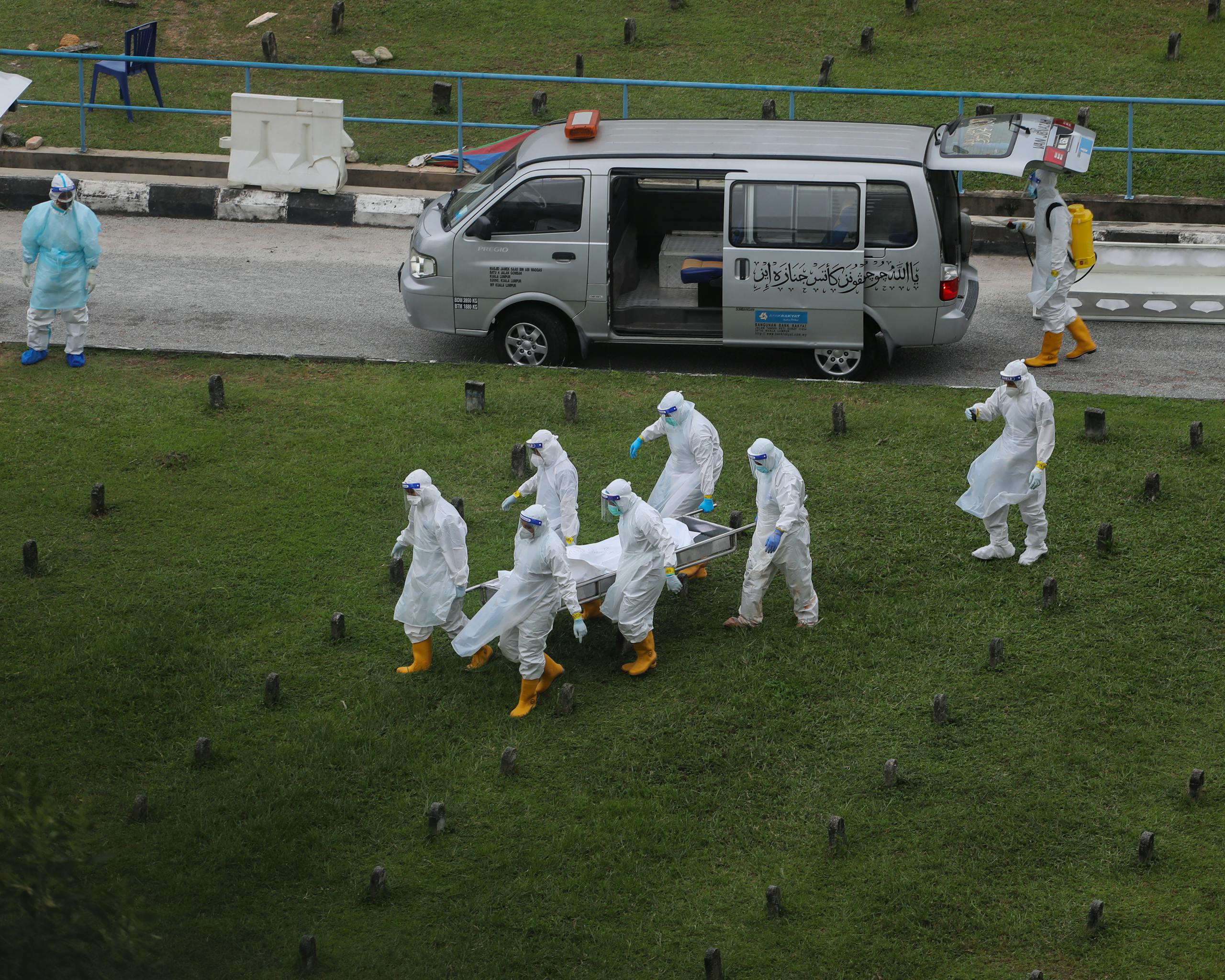
Uganda Closed Its Border With Congo Over Ebola Fears
Uganda temporarily closed its border with Congo after confirmed Ebola cases appeared in Uganda and suspected cases surged in eastern Congo. The move came despite global health guidance that often warns against broad border closures during outbreaks.
Officials allowed limited emergency, cargo, security, and humanitarian movement, but anyone crossing under emergency rules could face strict isolation.
The decision shows how fear can rewrite public policy almost overnight. Closing a border may sound decisive, but it can also push people toward informal crossings where screening is weaker, and contact tracing becomes harder.
In border communities where trade, family, and survival often depend on movement, disease control cannot rely solely on force. It needs trust, clear communication, and enough health workers to find people before the virus does.
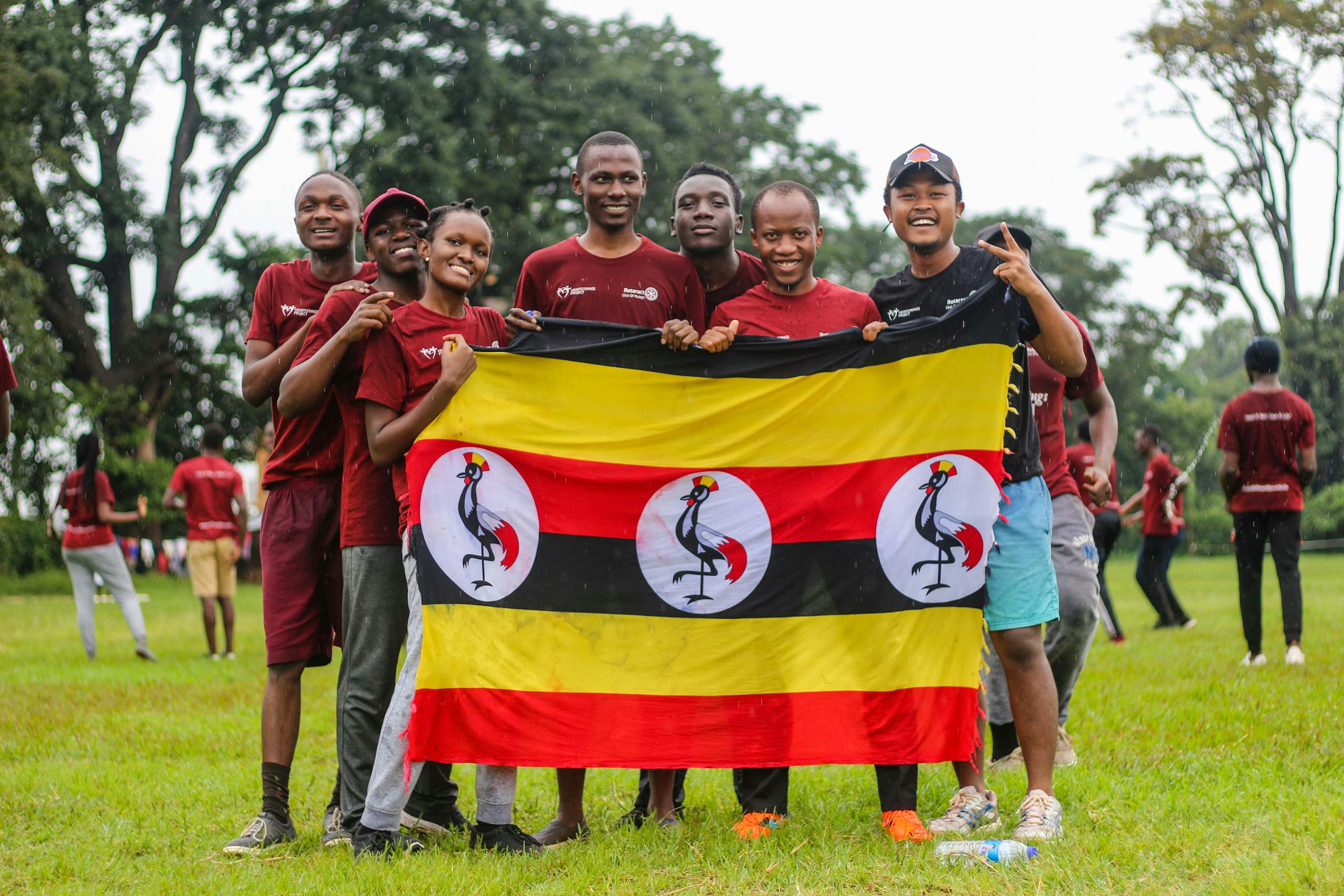
U.S. Strikes in Iran Shook an Already Fragile Middle East
Fresh U.S. military strikes in Iran deepened the tension around one of the world’s most dangerous flashpoints. The strikes came as talks to reduce the conflict were still moving, creating the kind of uncertainty that makes diplomats cautious and markets nervous.
Any military action near Iran carries extra weight because of the Strait of Hormuz, a shipping route that sits at the center of global oil anxiety.
This story matters far beyond military circles. A strike in Iran can ripple through gas prices, airline fares, shipping costs, and global inflation concerns.
It can also push allies and rivals into harder positions, where one wrong move can turn pressure into escalation. In a week already crowded with global emergencies, the Iran crisis is one of the clearest reminders that war rarely stays where it starts.
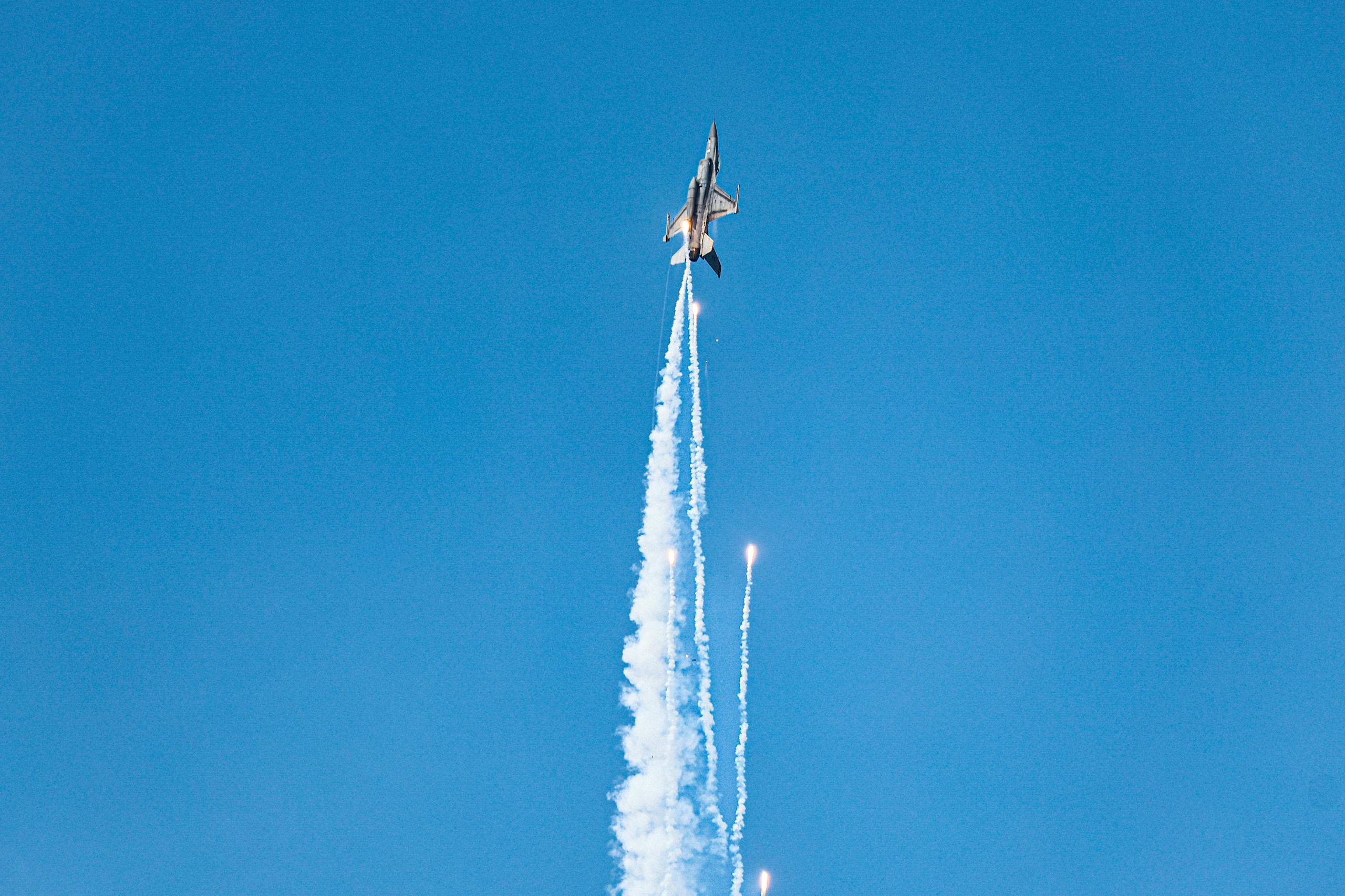
Oil Prices Jumped as Markets Reacted to Iran Tensions
Oil prices rose after U.S. strikes in Iran reduced hopes for a smooth reopening of shipping flows through the Strait of Hormuz. Brent crude moved higher as traders weighed the possibility of wider disruption, and world shares felt the pressure.
Markets do not need a full-scale war to panic. They only need enough uncertainty around energy routes to start pricing in risk.
For ordinary families, this is where global tension becomes personal. Higher oil prices can raise transport costs, increase airline fares, pressure food distribution, and make everyday goods more expensive.
A headline about military action may feel distant in the morning, then show up later in the week as a higher pump price. That is why energy shocks remain one of the fastest ways foreign conflict enters household life.
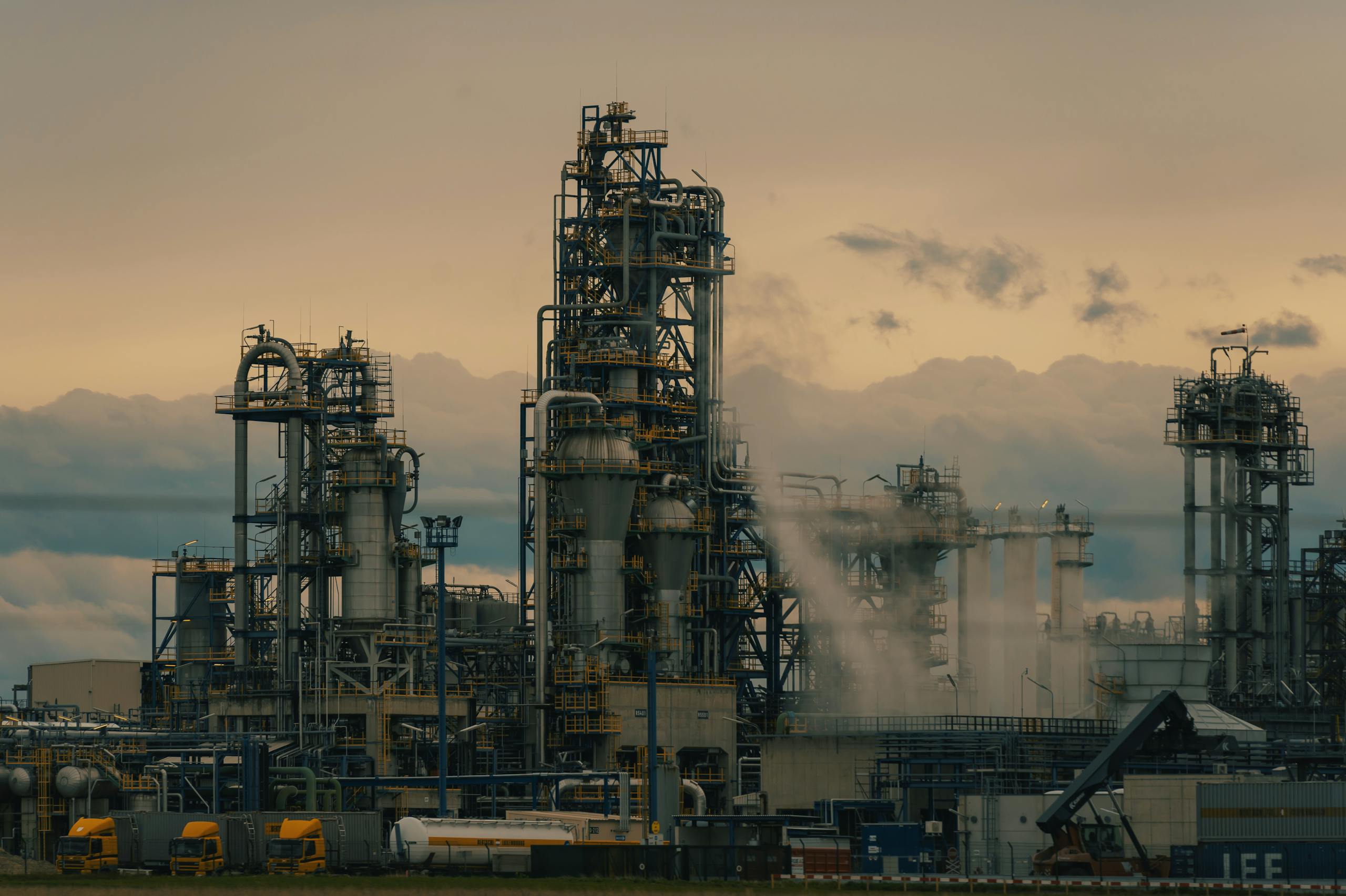
The UN Warned Another Record-Hot Year Is Likely by 2030
A new World Meteorological Organization warning this week added a grim climate layer to the global news cycle. The report says there is a high chance that at least one year between 2026 and 2030 will become the hottest year ever recorded.
It also warns that global temperatures may temporarily exceed the 1.5°C threshold again during that period, with a possible El Niño event adding even more heat pressure.
The warning is alarming because heat is no longer just a matter of climate charts. It is a hospital problem, a power-grid problem, a farm problem, a school problem, and a household budget problem.
Extreme heat can damage crops, strain electricity systems, worsen droughts, and put elderly people, outdoor workers, and children at higher risk. Climate change used to sound like a slow emergency. Now it feels like a calendar filling up with warnings.
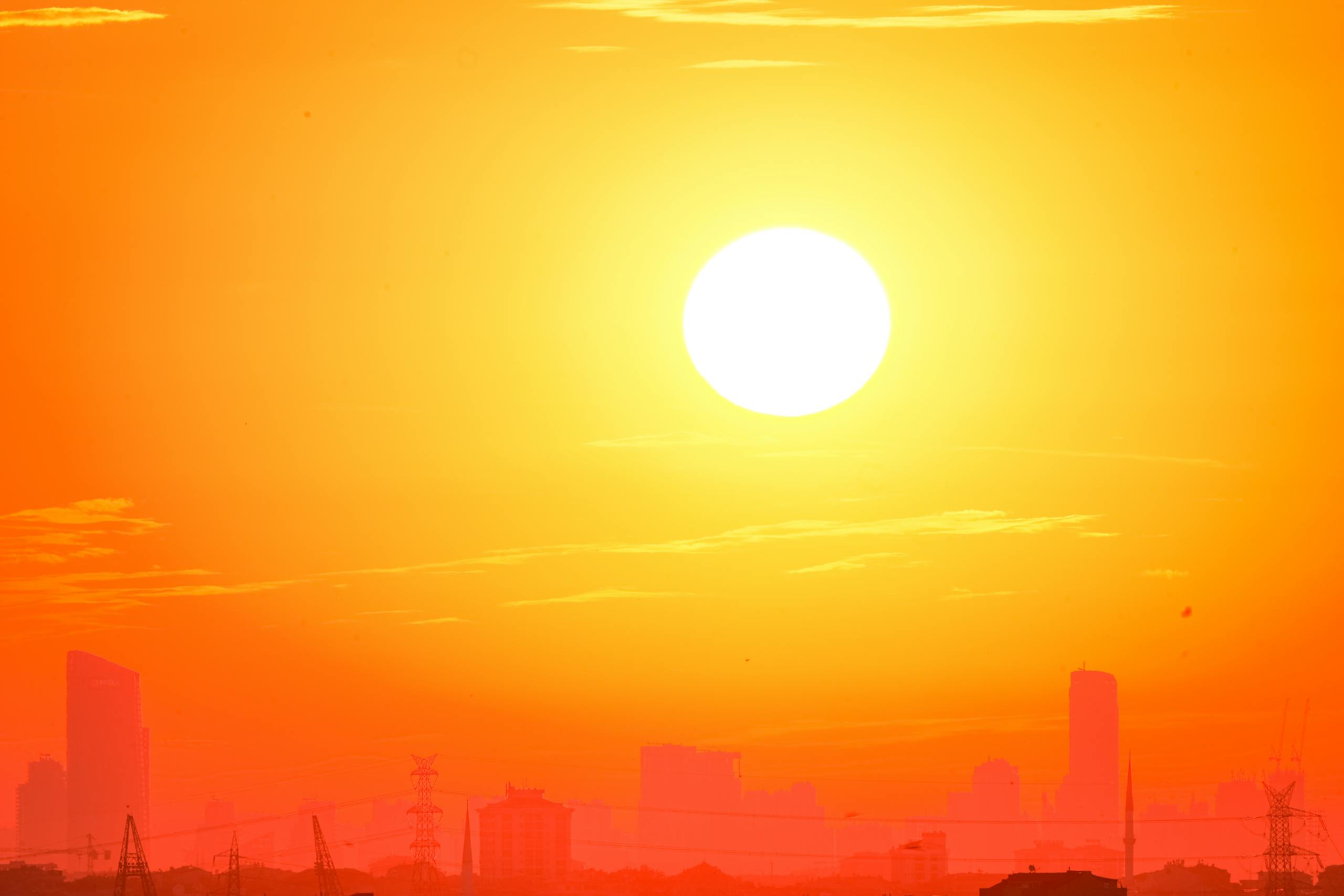
SpaceX’s Starship Program Hit Another Safety Roadblock
The Federal Aviation Administration ordered SpaceX to investigate a mishap involving the Super Heavy booster during a Starship test flight. The booster crashed into the Gulf of Mexico after stage separation, though officials reported no public injuries or public property damage.
SpaceX will need corrective actions approved before the Starship-Super Heavy system can return to flight. This is more than a setback for a rocket company.
Starship is tied to the future of reusable launch systems, satellite deployment, lunar missions, and long-term Mars ambitions. Every test carries the promise of cheaper access to space, but every failure reminds the public that giant reusable rockets still sit on the edge of controlled chaos.
Space exploration is thrilling because it looks impossible until it works. It is alarming because the road to making it work is often loud, risky, and explosive.
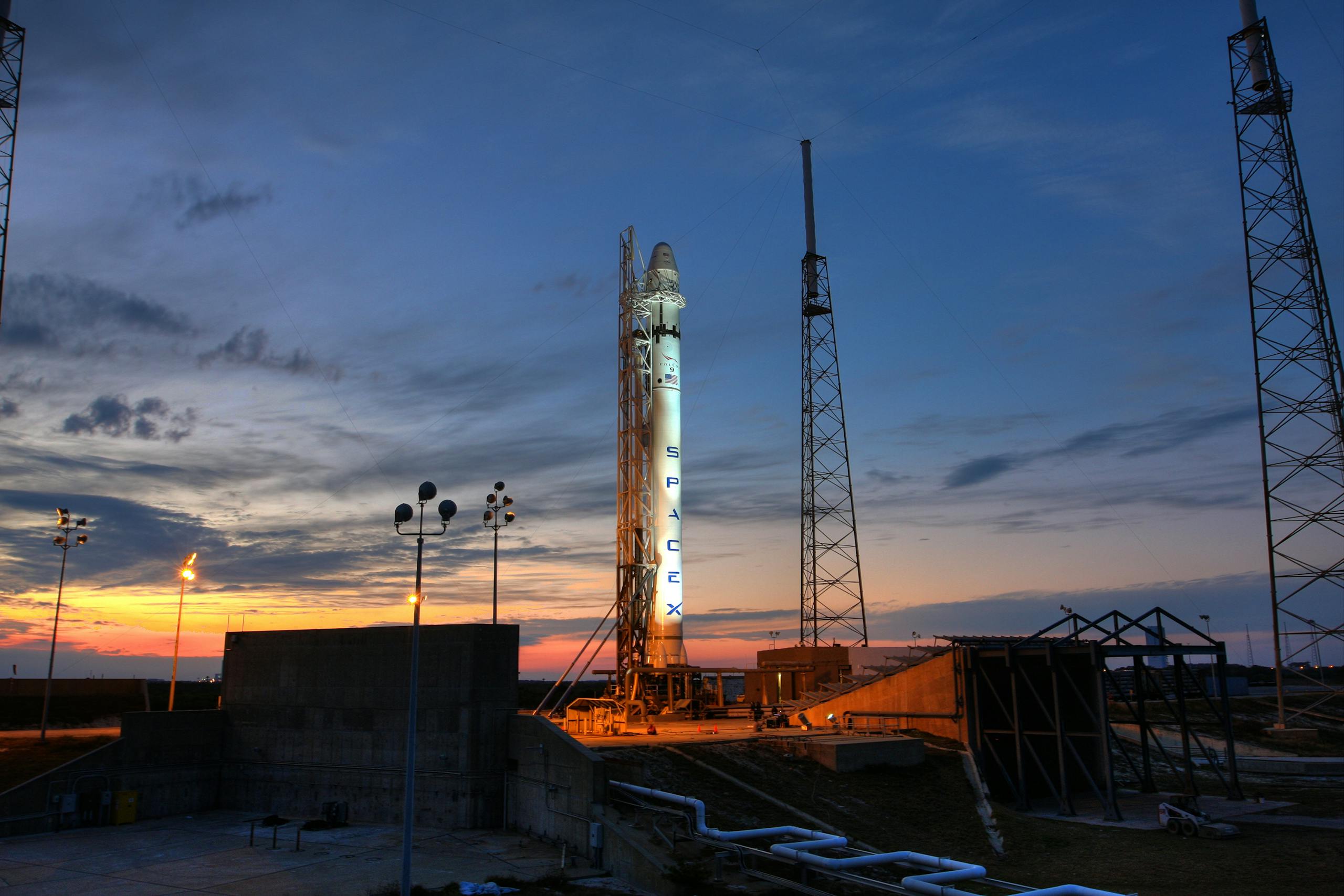
Canada Chose European Radar Planes Over U.S. Options
Canada announced plans to buy Saab airborne early warning and control aircraft built on Bombardier’s Global 6500 platform, choosing that European-linked option over two American alternatives.
Prime Minister Mark Carney framed the decision around defense capability, domestic production, and a broader push to reduce reliance on U.S. military spending channels.
The aircraft are expected to strengthen Canada’s ability to detect aerial and maritime threats, especially across vast northern regions.
The decision sends a quiet but powerful geopolitical message. Canada remains a close U.S. ally, but it is also signaling that dependence has limits.
In a world where Arctic defense, trade tensions, and military supply chains are becoming more sensitive, choosing a non-U.S. option is not just about procurement. It is a strategy. The skies over the Arctic are becoming more important, and Canada is preparing to watch them with different eyes.
OpenAI Put $250 Million Toward AI Disruption.
The OpenAI Foundation committed $250 million to help workers and economies deal with the disruption caused by artificial intelligence. The money is expected to support research, grants, partnerships, and direct programs focused on how AI changes the labor market.
The size of the commitment shows that AI is no longer treated solely as a tool for growth. It is also being treated as a force capable of unsettling people’s livelihoods.
That is what makes the story so important. AI has moved from novelty to workplace reality with startling speed. Writers, coders, designers, analysts, customer service teams, teachers, marketers, and office workers are already feeling the ground shift beneath them.
A fund cannot solve every job fear, but it does confirm the obvious: the AI revolution has costs, and workers want more than speeches about innovation. They want protection, retraining, bargaining power, and a future that still has room for them.
Rescuers in Laos Are Racing to Save Trapped Divers
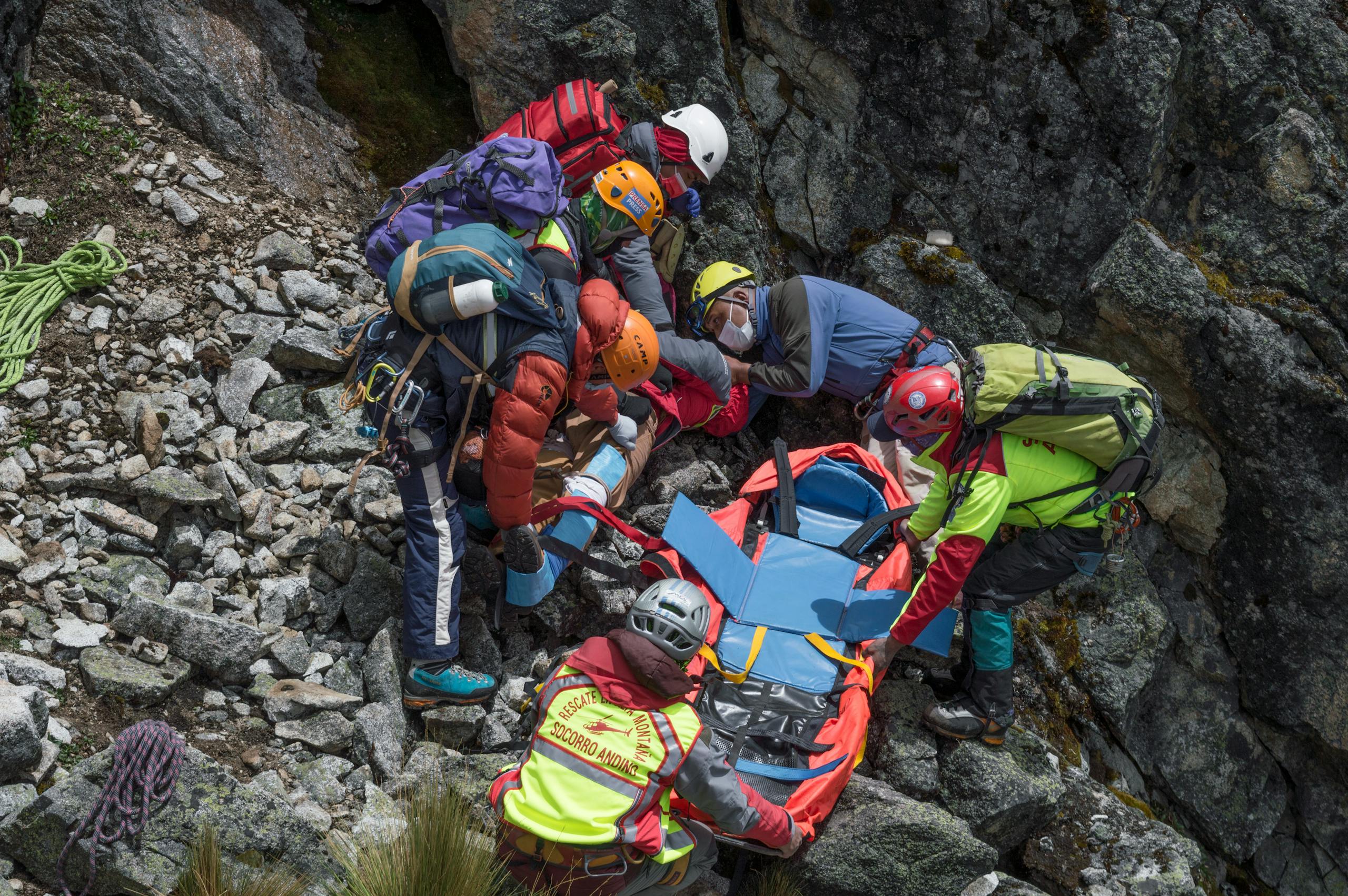
In Laos, rescuers are working urgently to save seven divers trapped in a cave in Xaisomboun province after heavy rain and a landslide blocked their exit.
At least five people have reportedly been found alive, though the rescue remains dangerous and complicated. Teams have appealed for more oxygen tanks and support as they try to complete the mission safely.
The story is terrifying because cave rescues leave almost no room for error. Narrow passages, low oxygen, floodwater, darkness, and panic can turn every movement into a life-or-death decision.
The operation has drawn comparisons to the famous 2018 Thailand cave rescue, but every cave has its own dangers. For the trapped divers, time is not an idea. It is air, water, fear, and the sound of rescuers trying to reach them before conditions change again.
A U.S. Judge Allowed Trump’s Mail-In Voting Order to Move Forward
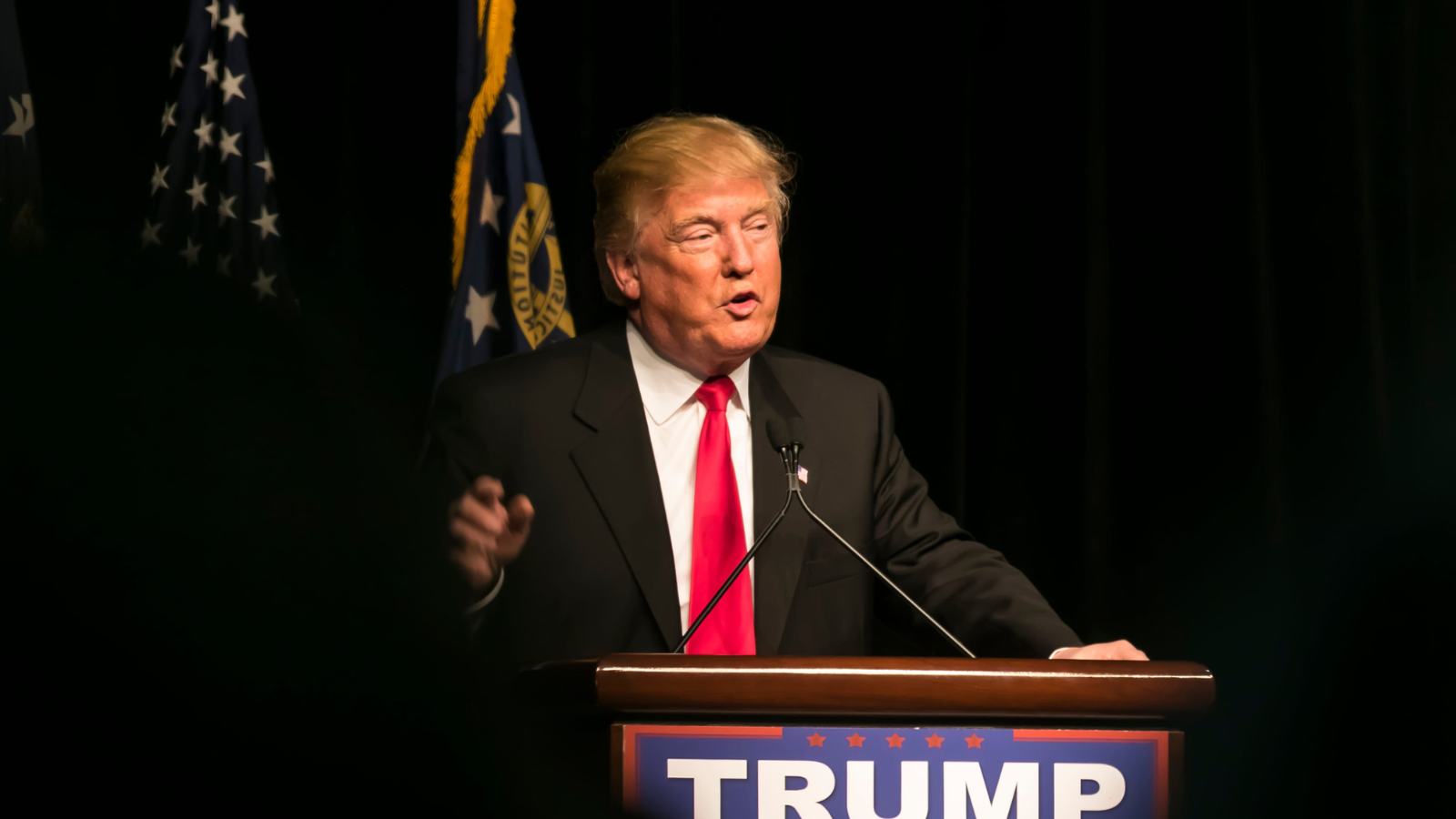
A federal judge allowed President Donald Trump’s executive order tightening rules around mail-in voting to move forward for now. The order directs federal agencies to compile verified lists of eligible voters and requires the Postal Service to deliver ballots only to voters on approved state lists.
Democrats argued the order could disenfranchise voters, but the judge said the challenge was premature because agencies had not yet taken concrete action under the policy. The ruling matters because voting rules are never just paperwork in an election year.
They shape access, trust, turnout, and political legitimacy. Supporters may describe tighter verification as election security, while critics fear eligible voters could be wrongly excluded because of outdated or mismatched data.
With midterm elections ahead, this legal fight is likely to grow louder. In America, the rules of voting are often where democracy’s biggest arguments begin.
actionsports/ 123rf
Final Thoughts
The most alarming part of this week is not that one major event happened. It is that so many different crises are moving at once. Ebola is testing global health systems.
Iran is testing diplomacy and energy markets. AI is testing the future of work. Climate warnings are testing the limits of preparation. Spaceflight, elections, border policy, and rescue operations are all forcing governments and communities to make hard decisions under pressure.
This is what the modern world looks like when the warning lights start blinking in different rooms at once. Some stories may fade quickly, but others could shape the months ahead.
The real question is not whether the world can absorb another shocking week. It is how many alarms people can hear before they stop treating them like background noise.