The Everyday Strain at the Pump
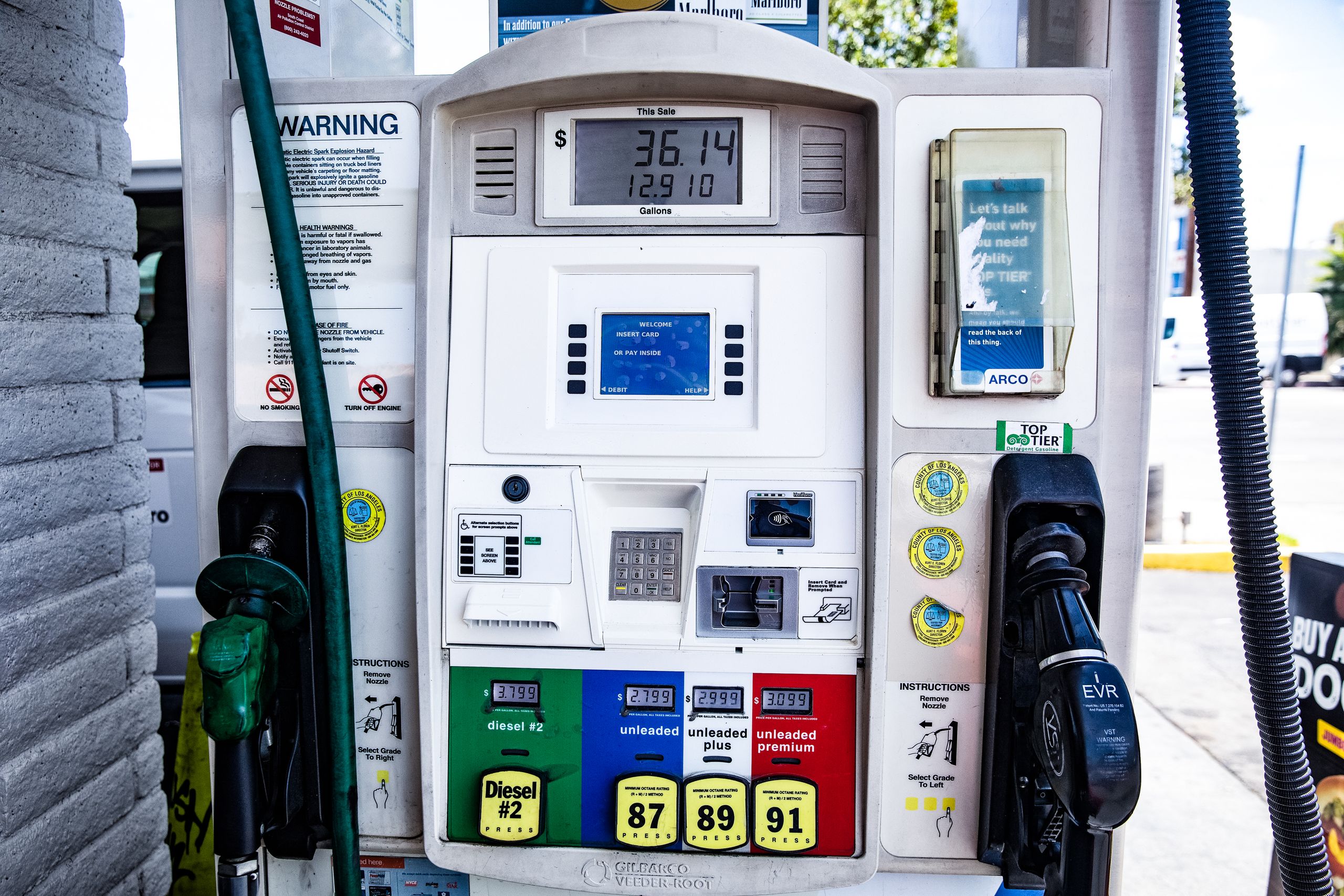
Across the country, ordinary families are feeling extraordinary pressure. For many lower-income households, fuel costs have become a major budget constraint, forcing careful calculation on every trip to the gas station.
Walmart’s recent comments about lower-income shoppers stress confirm what economists have observed: rising gasoline prices and energy costs are increasingly dictating household choices, from grocery purchases to weekly essentials.
As these families allocate more of their paychecks to fuel, discretionary spending on items like home goods, toys, and apparel is taking a hit. Walmart’s position at the intersection of affordability and accessibility gives it a clear view into these trends. When the retailer reports that lower-income customers are showing stress, it signals a broader financial squeeze affecting millions of American households.
Fuel Costs Are a First-Dollar Drain on Budgets
Lower-income consumers often have little flexibility in their fuel expenses. Gasoline, a mandatory cost for commuting, school, and essential errands, now consumes a larger portion of monthly income. Sam’s Club data shows members purchasing smaller quantities of gas more frequently, a clear sign of cautious budgeting.
This behaviour reflects more than just price sensitivity; it reveals a tactical approach to cash flow. Families are breaking up larger expenses into smaller chunks to maintain liquidity, underscoring that the stress of Walmart’s lower-income shoppers is not abstract; it is measured, visible, and immediate.
Cautious Spending Across Every Basket
Stress manifests beyond the pump. Lower-income shoppers at Walmart are carefully managing each basket, prioritising essentials while cutting discretionary items. Groceries, cleaning supplies, baby products, and personal care items remain top priorities, while snacks, decor, and non-urgent purchases are often left behind.
These adjustments can mask true hardship. While total spending may appear steady, the number of items purchased is shrinking, and households feel the pinch in real terms. Rising prices, combined with strategic trimming, highlight the practical reality behind the stress among Walmart’s lower-income shoppers.

Higher-Income Customers Boost Sales Amid Stress
While lower-income households retrench, higher-income shoppers are increasingly frequenting Walmart for convenience and value. They may use pickup, delivery, or private-label options to maximise efficiency, spending more across categories without experiencing the same stress.
This creates a divided retail reality. Walmart can see strong revenue growth even as a substantial portion of its customer base is financially strained. The contrast between cautious, lower-income shoppers and more active, higher-income customers illustrates the nuanced dynamics of retail in 2026.
Price Rollbacks and Private Labels Mitigate Stress
Walmart’s 7,200 rollbacks in recent quarters highlight the retailer’s strategy to proactively address household strain. These rollbacks, combined with the company’s private-label offerings like Great Value and Member’s Mark, allow lower-income shoppers to maintain essential purchases without sacrificing quantity or quality.
Private-label adoption is particularly significant, accounting for roughly 25–30% of grocery sales. During periods of fuel cost pressure and inflation, these alternatives help families stretch budgets further, offering relief without undermining Walmart’s margins.

Fading Tax Refunds and Inflation Amplify Pressure
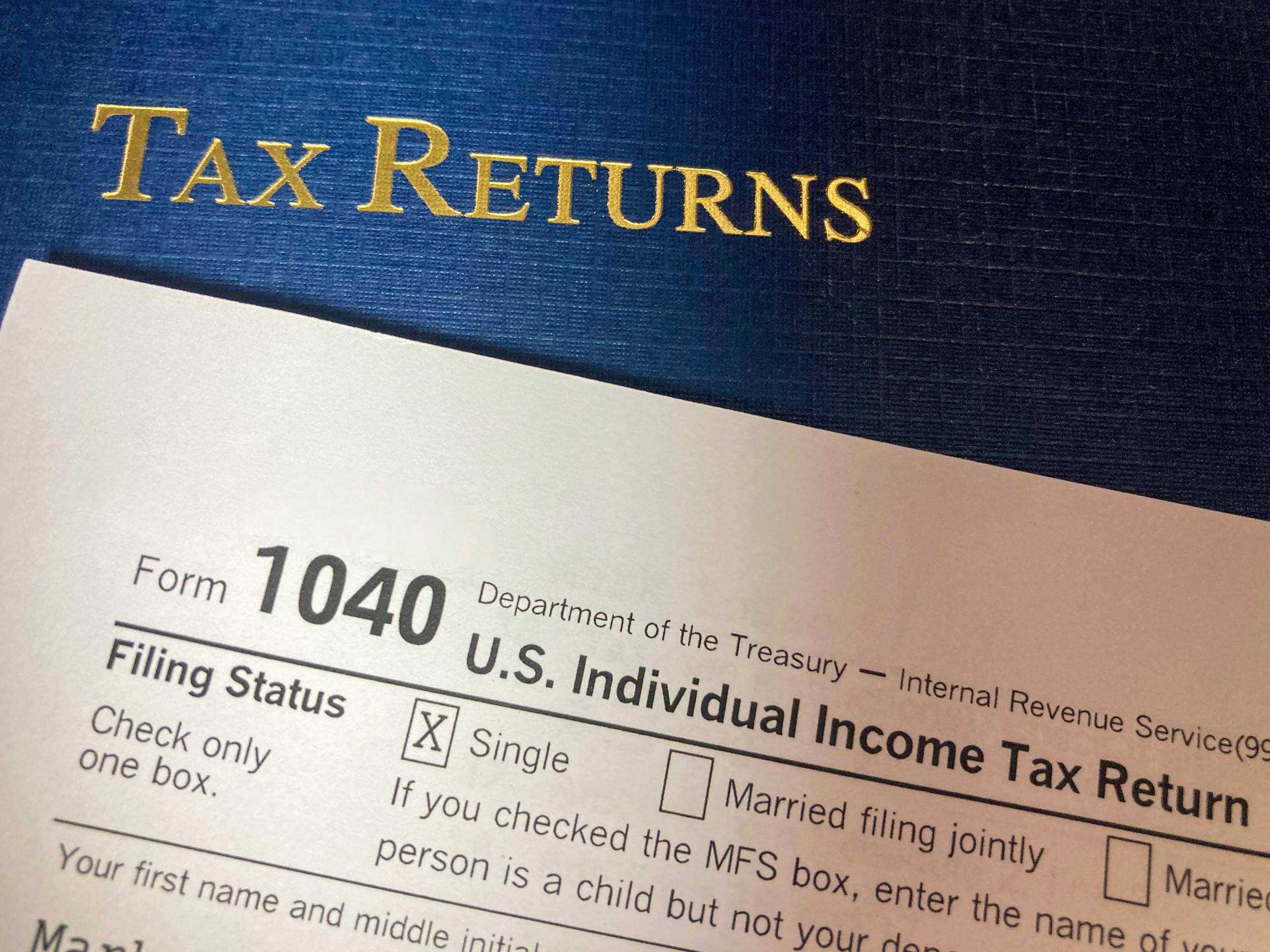
Tax refunds previously provided a temporary cushion, enabling households to catch up on bills, fuel, and groceries. With 2026’s child tax credits reduced and one-time refunds no longer providing relief, lower-income households face compounded financial pressure.
Inflation continues to outpace wage growth, meaning that even if total spending remains similar, the real value of that spending has declined. When fuel, food, and household energy costs climb simultaneously, the stress becomes cumulative and persistent, reinforcing Walmart’s lower-income shoppers’ stress as a critical economic signal.
Strategic Retail Advantage in Essentials
Walmart’s focus on everyday necessities positions it advantageously. Families stressed by fuel costs and rising living expenses often consolidate shopping trips to reduce transportation expenditures. Walmart’s one-stop model, combining groceries, pharmacy items, household goods, and affordable private-label options, offers efficiency that is increasingly valued under these constraints.
Lower-income shoppers’ behaviour, reflected in cautious basket management and smaller fuel purchases, demonstrates a clear trend: households are prioritising efficiency and essential purchases over discretionary spending. Retailers without this breadth and pricing strategy face higher vulnerability when consumer stress intensifies.
Broader Implications for Retailers
The insights from Walmart extend beyond one retailer. Stress on lower-income shoppers signals that everyday American households are recalibrating spending behaviour under economic pressure. Retailers that cannot combine affordability, convenience, and essential assortment risk losing relevance to the very families driving volume in stores like Walmart.
Walmart’s lower-income shoppers’ stress is more than a snapshot of fiscal caution; it is a warning of structural shifts in consumer behaviour. It underscores that in a world of rising fuel and energy costs, household strategies are evolving in real time, shaping retail dynamics, competitive advantage, and the broader economy.