A Texas woman’s lawsuit against McDonald’s has turned one of America’s most familiar breakfast orders into the center of a disturbing food safety fight.
The complaint, filed in Manhattan Supreme Court, claims Yvette Hinds allegedly became violently ill after eating a Sausage McMuffin with Egg from a McDonald’s location in Midtown Manhattan. The filing alleges the sandwich was contaminated and unfit for human consumption, language that instantly pushed the case beyond a routine customer complaint.
We do not yet have a court ruling, a public trial record, or a confirmed finding that McDonald’s or the franchisee did anything wrong. What we do have is a lawsuit that raises a serious question many fast-food customers rarely stop to ask before breakfast: what happens when a quick meal allegedly becomes a medical crisis?
McDonald’s Sausage McMuffin Lawsuit Centers on Alleged Contaminated Breakfast Food
According to the complaint, Hinds bought the Sausage McMuffin with Egg on May 25, 2023, at a McDonald’s restaurant on 51st Street and Broadway in Manhattan. The location is tied to the lawsuit against McDonald’s Corporation and a franchisee, 18884 Food Corporation.
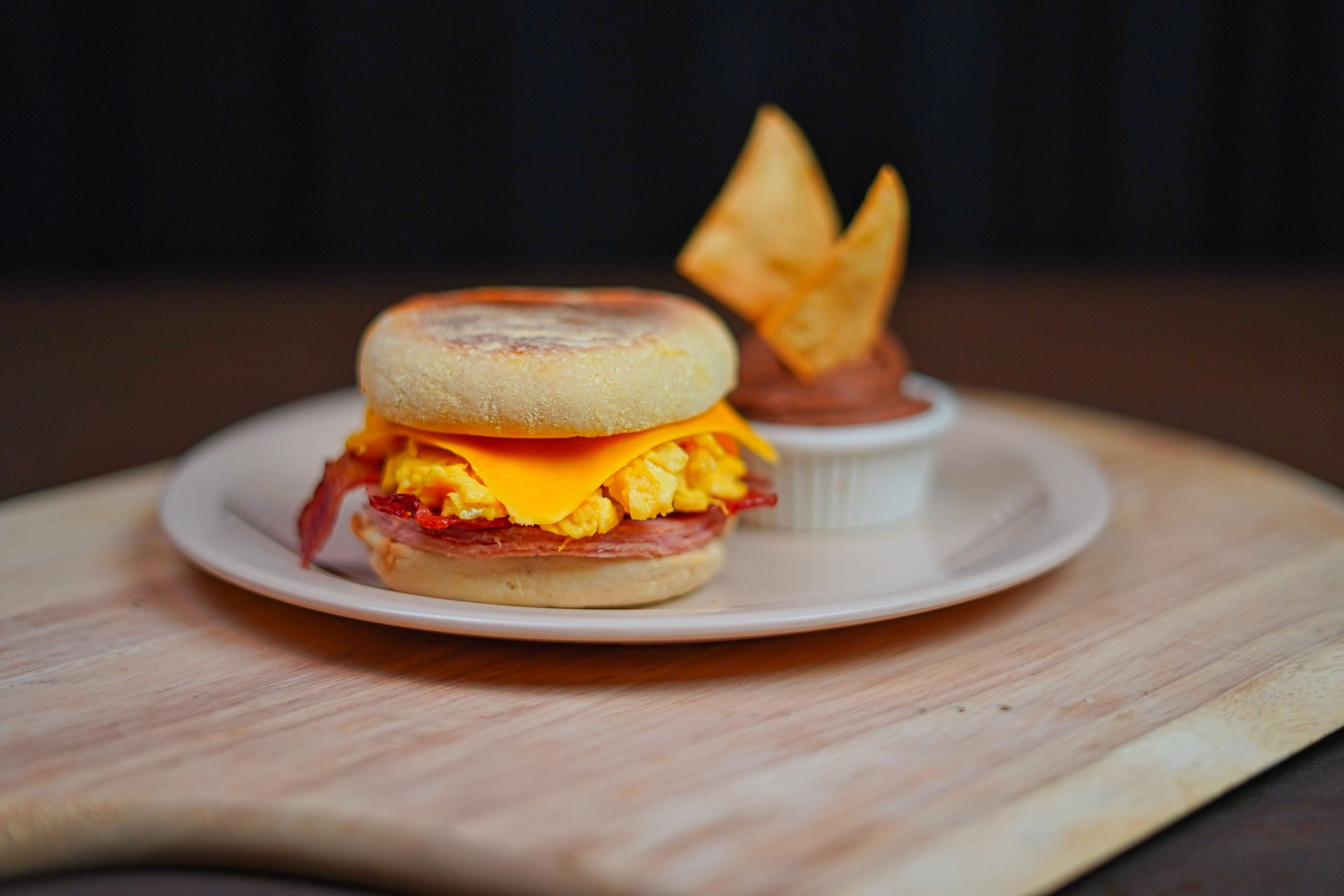
The sandwich at the center of the case was not some obscure menu item. It was a standard McDonald’s breakfast staple, a sausage patty, egg, cheese, and English muffin order that millions of customers recognize instantly. That familiarity is exactly what makes the allegation so unsettling.
The lawsuit claims Hinds believed the food was safe, wholesome, and fit to eat when it was sold to her. Instead, the complaint alleges the sandwich contained contaminants, bacteria, germs, organisms, or other harmful substances that caused serious injuries.
What the Texas Woman Claims Happened After Eating the McMuffin
The complaint says Hinds became violently ill and nauseated after finishing the sandwich. It also claims she suffered severe pain and distress throughout her body.
The filing goes further, alleging that her physical, nervous, and mental systems were seriously and permanently injured. It claims she required several operations, procedures, and treatments because of the allegedly contaminated food.
We should be careful here. These are allegations from a civil complaint, not medical findings released by a court. Still, the claims are serious because they describe more than a short stomach illness. They describe a plaintiff who says that one fast-food breakfast changed her health, daily life, and ability to manage ordinary duties at home.
Why the Lawsuit Uses Strong Language About Food Safety
The complaint reportedly describes the McMuffin as contaminated, tainted, poisonous, injurious, and wholly unfit for human consumption. That kind of wording is common in lawsuits involving alleged foodborne injury, but it is still powerful because it frames the sandwich as a dangerous product rather than a disappointing meal.
In food-related civil cases, plaintiffs often argue that a restaurant had a duty to serve food that was reasonably safe. If the food was allegedly contaminated, the lawsuit may claim negligence, breach of warranty, or failure to properly handle, inspect, store, or prepare the item.
That appears to be the central idea in Hinds’s case. The lawsuit alleges that McDonald’s and the franchisee represented the sandwich as safe for normal consumption, while Hinds claims she had no way of knowing it was unsafe before eating it.
McDonald’s and the Franchisee Face Questions Over Handling and Inspection
The lawsuit accuses the defendants of negligence and carelessness in the preparation, service, furnishing, testing, handling, cleaning, inspecting, guarding, storing, warning, distributing, controlling, and protecting the food.
That is a broad list, but it matters because fast-food safety depends on a chain of small steps. Ingredients must be sourced, shipped, stored, cooked, held, assembled, and served under proper conditions. A breakdown at any point can become the focus of a lawsuit if a customer later claims injury.
For McDonald’s, the brand issue is especially sensitive. The company is built on speed, repetition, and customer trust. A breakfast sandwich is supposed to feel predictable. This lawsuit challenges that sense of predictability by claiming the ordinary item was unsafe.
One Breakfast Sandwich Has Become a Larger Public Concern
Fast-food customers often judge risk by convenience. If the line is moving, the bag is warm, and the order looks normal, most people assume the meal is safe. Foodborne illness claims disrupt that assumption because contamination is not always visible, smellable, or obvious before the first bite.
That is why lawsuits like this attract public attention. They are not only about one sandwich. They tap into a broader anxiety about high-volume restaurants where hundreds or thousands of meals can move through a single kitchen in a day.
We should not treat the lawsuit as proof of contamination. But we can recognize why the allegation lands hard. A customer says she bought a normal breakfast item from one of the world’s most recognizable brands and later faced serious medical consequences.
Food Poisoning Symptoms Can Range From Mild to Severe
Foodborne illness can cause symptoms such as nausea, vomiting, stomach cramps, diarrhea, and fever. Some cases pass quickly, while others can become dangerous, especially if dehydration, prolonged diarrhea, high fever, or serious complications occur.
The lawsuit claims Hinds’s symptoms were severe and long-lasting. It also says she incurred major medical expenses and expects to continue facing future treatment costs.
That is one reason the case could become more complicated if it moves forward. The court may need to consider medical records, timing, expert testimony, potential lab evidence, restaurant records, ingredient handling, and whether the alleged illness can be traced to the sandwich.
The Legal Burden Could Become the Hardest Part of the Case
Food contamination cases can be difficult because the plaintiff must connect the illness to a specific food item. That can require more than saying the person became sick after eating.
A plaintiff may need evidence showing when symptoms began, what else was eaten, whether medical testing identified a pathogen, whether other customers reported illness, and whether the restaurant had inspection problems or handling failures. The defense may argue that other causes are possible.
That does not mean the lawsuit is weak or strong. It means the legal fight may turn on proof. In court, the emotional force of a disturbing food claim must be supported by evidence that can survive scrutiny.
Previous McDonald’s Lawsuits Add to the Public Attention
The complaint comes after other reported food-related lawsuits involving McDonald’s customers. Those separate cases included claims involving alleged foreign objects in food, alleged allergy exposure, and alleged spoiled or unsafe menu items.
Each case must stand on its own facts. One lawsuit does not prove a pattern, and allegations from one customer do not automatically validate allegations from another.
Still, the repetition of food safety claims involving a major chain can influence public perception. Customers may begin to ask whether rare incidents are handled transparently, whether franchise locations are closely monitored, and whether complaints receive prompt attention.
Why Franchise Ownership Matters in the McDonald’s Case
The lawsuit names both McDonald’s Corporation and the franchisee connected to the Midtown Manhattan restaurant. That matters because many McDonald’s restaurants are operated by franchisees rather than directly by the corporation.
In lawsuits involving franchise restaurants, responsibility can become a major issue. The plaintiff may argue that the national brand, the local operator, or both had duties related to safe food service. The defendants may dispute how responsibility should be divided.
For customers, the distinction is often invisible. Most people do not think about corporate structure when they order a McMuffin. They see the arches, the menu board, and the bag. In court, however, those business relationships can become central.
What Hinds Is Seeking From the Court
Hinds is seeking money damages, attorney’s fees, and court costs. The amount would be determined through the legal process if the case advances.
The lawsuit claims she suffered serious injuries, medical expenses, and loss of ability to perform customary duties at home. Those claims suggest the damages request could involve medical costs, pain and suffering, future care, and other alleged losses.
At this stage, the case is still based on the plaintiff’s complaint. McDonald’s and the franchisee may deny the allegations, challenge the claimed cause of injury, dispute damages, or seek dismissal depending on how the case proceeds.