Some things look harmless until you realize how many hands touched them before yours. That shiny door handle, the restaurant menu, the grocery cart, and even your own phone can silently collect germs from strangers, food, pets, bathrooms, and bags, many of which can survive for hours on surfaces. Every touch counts, and it only takes one contact with your eyes, mouth, or food for germs to travel straight into your system.
The good news is simple. You do not need to live in fear of every surface, but knowing the everyday items that require a quick handwash makes a big difference. Before eating, preparing food, touching your face, or handling children, wash your hands to drastically reduce the chance of picking up harmful bacteria or viruses.
Handrails, Handles, and Doorknobs

High-traffic surfaces like escalator rails, bus poles, train handles, restroom doors, elevator buttons, and office doorknobs are shared by thousands daily. Handrails, handles, and doorknobs are common hotspots for bacteria and viruses, including flu pathogens. While not every contact leads to illness, these surfaces make germs easy to transfer. Use sanitizer when soap isn’t nearby and wash your hands as soon as possible to stay safe.
Restaurant Menus
Menus may look clean, but they are touched by dozens of people daily. Research shows a single menu can carry thousands of bacteria, making it dirtier than some restroom surfaces. The worst habit is touching a menu, then immediately grabbing bread or fries. Make it a rule: wash your hands or use sanitizer before your meal begins, especially if you’re handling finger foods.
Money
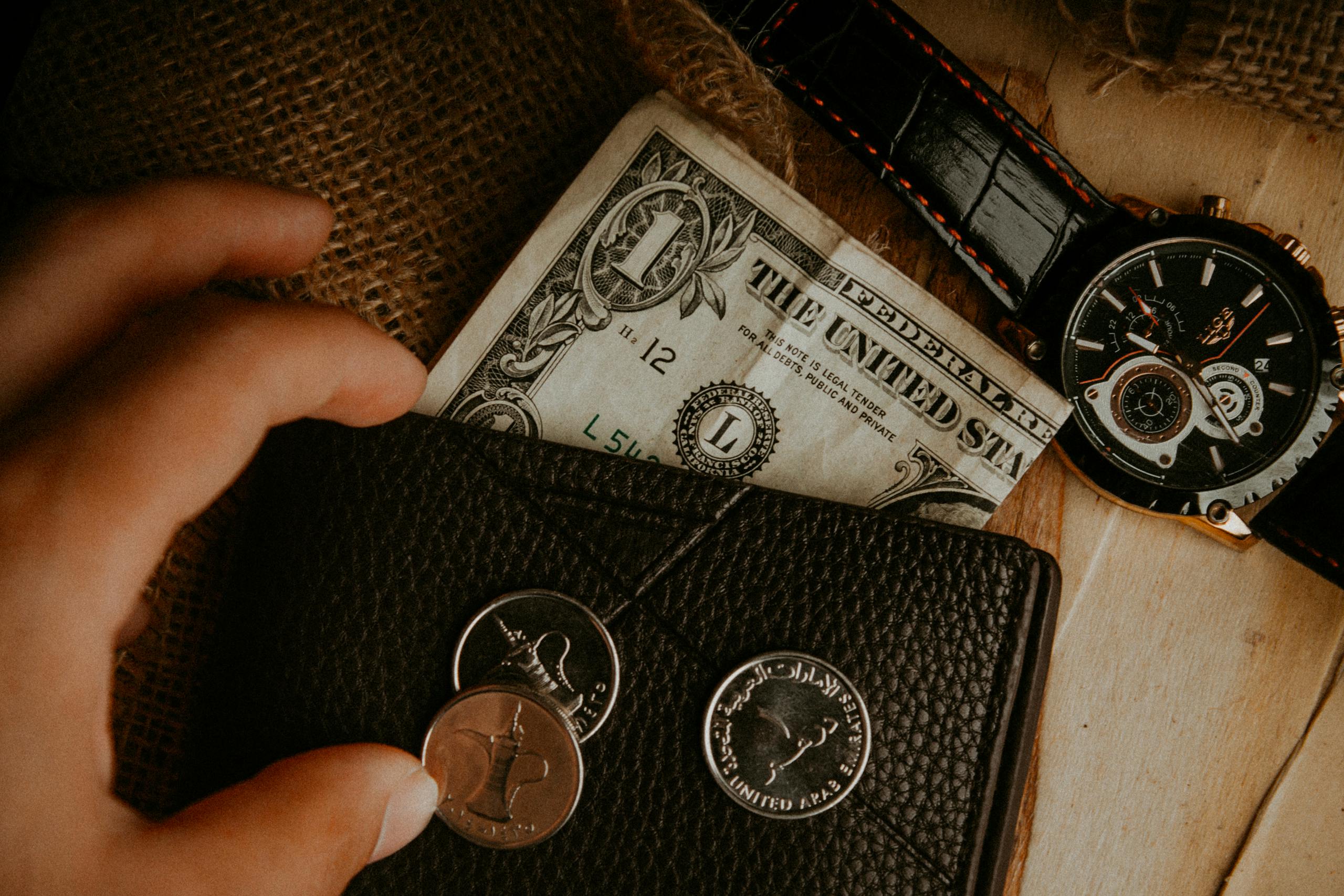
Cash is a germ magnet. Banknotes and coins travel through wallets, counters, vending machines, taxis, restaurants, and countless hands, many of which haven’t seen soap in days. Studies have found paper money can carry bacteria, including E. coli, Salmonella, and even antibiotic-resistant strains. Avoid touching your face or food immediately after handling cash. Digital payments may feel safer, but credit card machines, PIN pads, and phones all carry their own invisible germs.
Public Touchscreens
Airport kiosks, self-checkout machines, ticketing screens, and pharmacy pads are modern conveniences loaded with microbes. Every tap, swipe, or click deposits germs from countless hands. These public touchscreens may carry more bacteria than toilet seats. A quick handwash or alcohol-based sanitizer after touching them dramatically lowers your risk of infection, particularly before meals or handling children.
Animals and Pet Items
Pets bring joy, but they also bring germs. Fur, paws, mouths, cages, litter boxes, toys, and bedding all can carry bacteria, including Salmonella and Campylobacter. Even well-groomed animals may pick up pathogens outdoors or through contact with other animals. Wash your hands after feeding, cleaning cages, handling waste, or playing with pets, especially if you are around children, older adults, or anyone with a weaker immune system.
Kitchen Sponges and Dishcloths
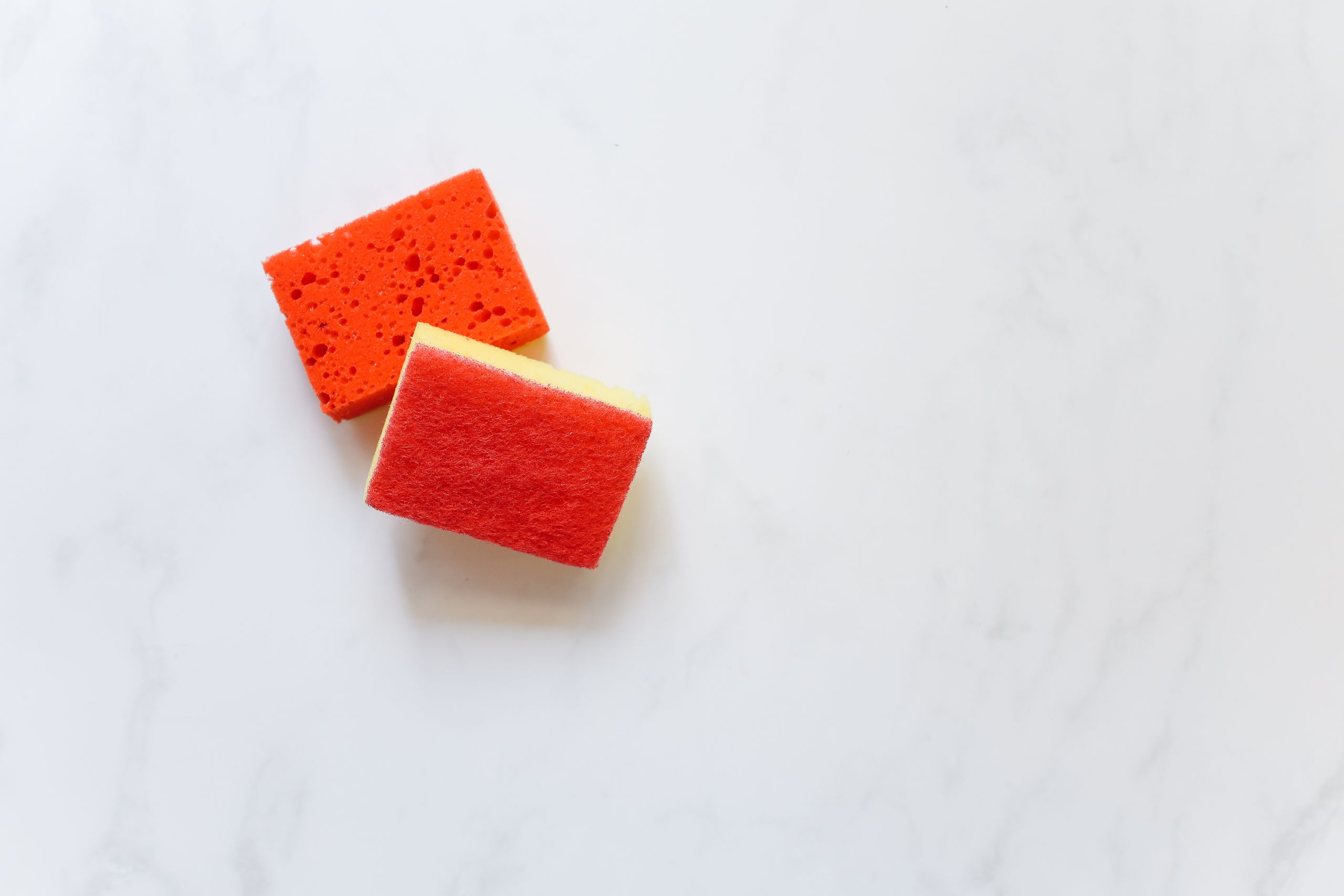
The humble kitchen sponge is a bacteria factory. Moist, warm, and full of food scraps, sponges can host hundreds of species of bacteria, including Salmonella and Staphylococcus. Cutting boards, dishcloths, and counter towels compound the problem if they’re reused without proper cleaning. Wash your hands after wringing out a sponge, handling raw meat, or touching surfaces that have been in contact with uncooked food. Regularly replace sponges and cloths to reduce microbial buildup.
Raw Meat, Poultry, Seafood, and Eggs
Cross-contamination is sneaky in the kitchen. Touch chicken, then a spice jar or fridge handle, and bacteria hitch a ride. Handling eggs, ground beef, or seafood can transfer pathogens to surfaces and utensils if you’re not careful. Wash your hands thoroughly before and after touching raw food. Stop, wash, then continue preparing other ingredients to break the contamination chain.
Animals and Pet Items
Pets bring joy, but they also bring germs. Fur, paws, mouths, cages, litter boxes, toys, and bedding all can carry bacteria, including Salmonella and Campylobacter. Even well-groomed animals may pick up pathogens outdoors or through contact with other animals. Wash your hands after feeding, cleaning cages, handling waste, or playing with pets, especially if you are around children, older adults, or anyone with a weaker immune system.
Airport Security Trays
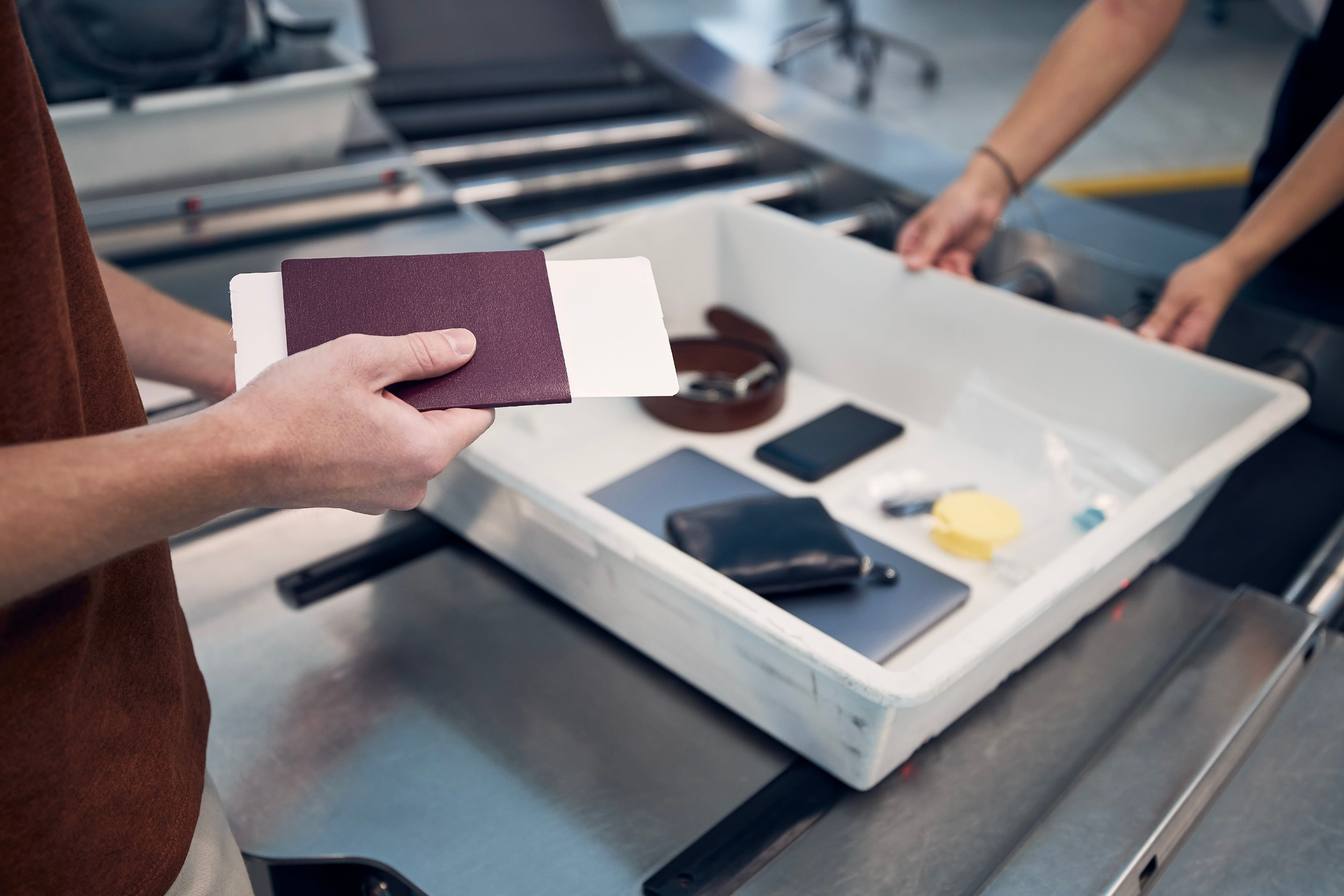
Airport security trays are shared by millions of travelers every day. Shoes, laptops, jackets, belts, backpacks, and toiletry bags all deposit germs on these bins, which are rarely sanitized between uses. Research shows these trays can harbor hundreds of times more bacteria than some public toilets. Wash or sanitize your hands immediately after security to avoid bringing germs to food, face, or personal items.
Your Phone
Phones are the personal germ carriers we rarely consider. They sit on counters, bathroom surfaces, tables, gym equipment, and bedside tables, then return directly to our hands and face. Mobile phones harbor bacteria, including potentially pathogenic strains, if handled often and cleaned rarely. Washing your hands and disinfecting your device periodically breaks the cycle of contamination and keeps your tech from spreading germs.
Gas Pump Handles and Payment Pads
Gas pumps may seem harmless, but handles and payment pads are touched by countless drivers daily. Steering wheels, food wrappers, wallets, phones, and car doors all add to the bacterial mix. If you eat, scratch your face, or handle children after fueling without washing, germs get a free ride. Sanitizing your hands immediately after pumping gas keeps these everyday pathogens from hitching a ride home.
Grocery Carts
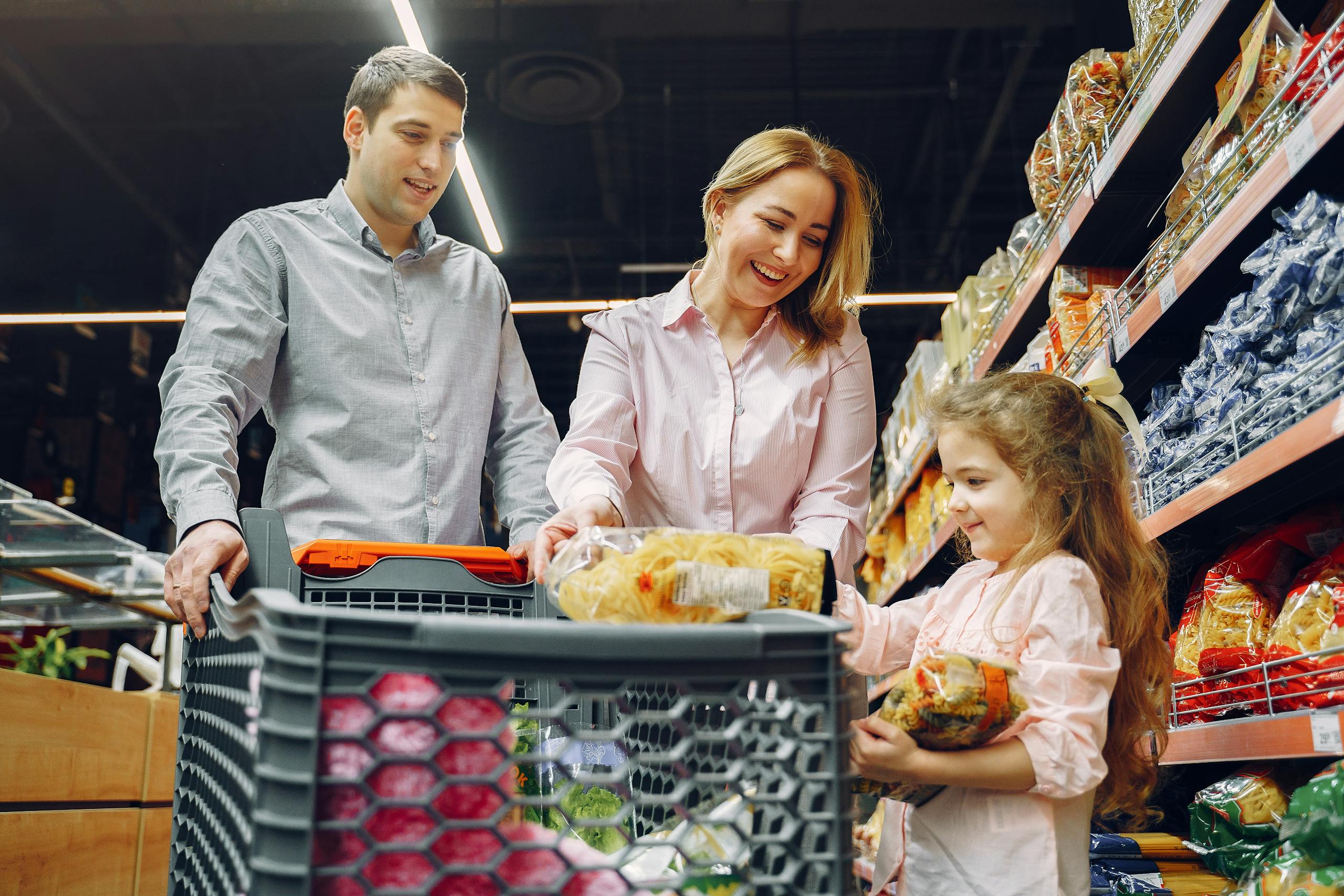
Grocery cart handles and seats are one of the grossest high-touch surfaces in daily life. Raw meat packages, produce, purses, reusable bags, and hundreds of other shoppers all contribute to a bacterial mix, including coliform bacteria and E. coli. Studies show cart handles harbor more germs than many public restroom surfaces. Even using store wipes isn’t enough; wash your hands immediately after shopping to stop cross-contamination before it reaches your food.
The Simple Rule That Makes This Easier
You do not need to panic at every surface, but pattern recognition is key. Wash your hands after touching shared public surfaces, raw foods, animals, money, dirty kitchen items, travel bins, and any objects handled by many strangers.
Soap and running water remain the gold standard. Scrub for 20 seconds, rinse well, and dry with a clean towel or air dryer. When soap isn’t available, use hand sanitizer with at least 60 percent alcohol. Your hands work hard every day, give them a reset before they carry germs to your face, food, or loved ones.