Buying an RV can feel like buying freedom with wheels, a kitchen, and a bed tucked inside it. Then the leaks begin, the slide-out groans, the breaker keeps tripping, the cabinet door falls off on the interstate, and suddenly the dream starts sounding like a very expensive rattle box.
The truth is simple: no RV brand is perfect, but some brands and model lines deserve a much harder look before anyone signs a loan agreement, wires a deposit, or drives one off the dealer lot.
The RV market is huge, competitive, and packed with beautiful floor plans that look better under showroom lights than they do after six months of rain, heat, vibration, and campground hookups. A low price can hide thin materials. A famous badge can hide years of repeated recall patterns. A luxury label can still come with electrical faults, brake issues, loose trim, or warranty headaches.
Forest River
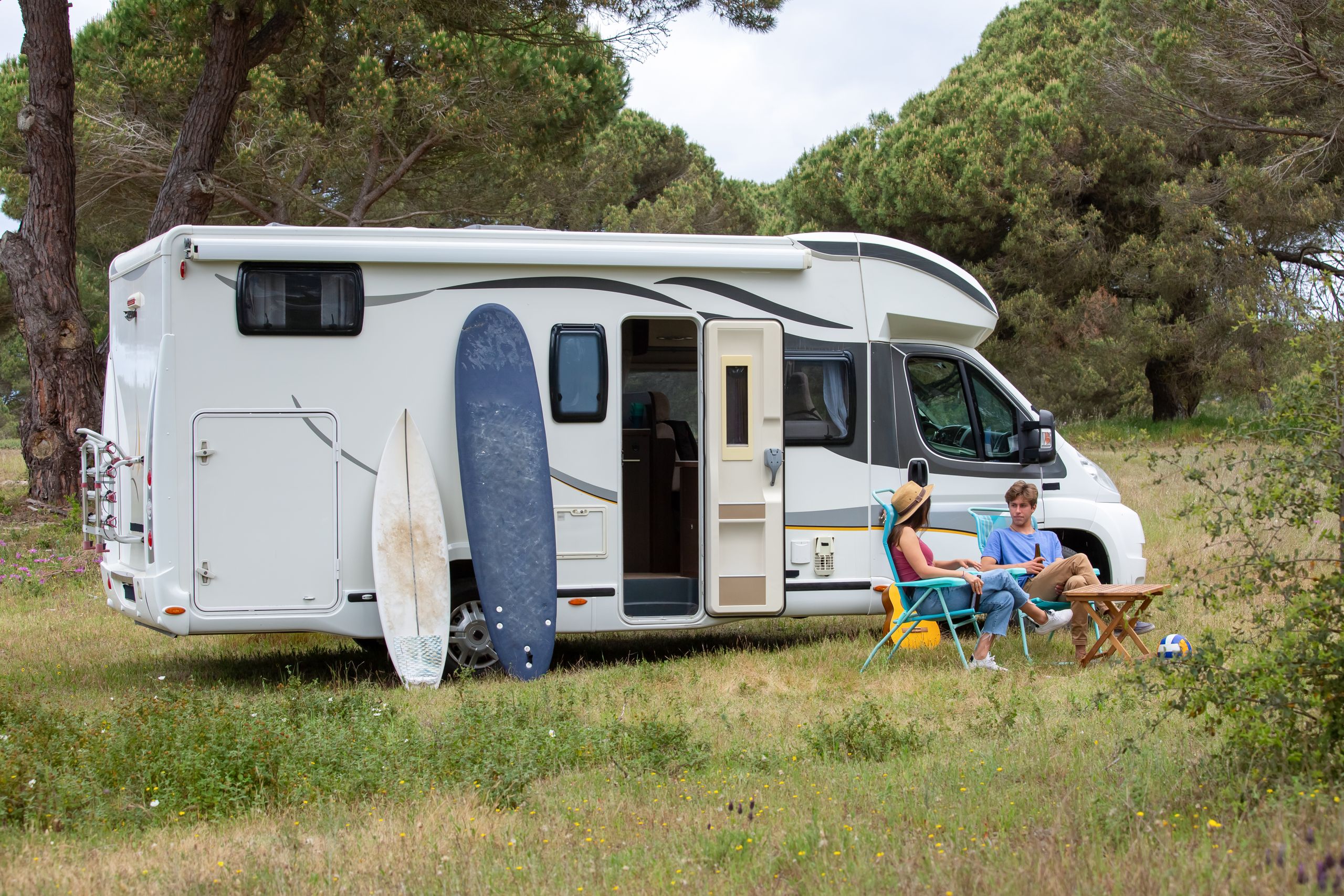
Forest River is one of the biggest names in the RV world, which means it sells a massive number of units across many sub-brands, including Cherokee, Rockwood, Salem, Wildwood, Flagstaff, Sunseeker, and more. That size makes Forest River easy to find on dealer lots, but it also makes it harder to trust quality consistency.
Buyers often complain about rushed assembly, leaks, trim problems, electrical gremlins, soft flooring, roof seal failures, and warranty repairs that take longer than expected.
The biggest concern is not that every Forest River RV is bad. The concern is variation. One unit may be fine, while another from the same model line may arrive with loose wiring, poor caulking, misaligned doors, or water intrusion waiting to happen.
Forest River buyers should inspect the roof seams, slide seals, underbelly, plumbing joints, electrical panel, propane connections, tires, and weight labels before delivery. A low monthly payment means very little if the RV spends its first camping season parked behind a service bay.
Jayco
Jayco has a loyal fan base and a long history, but buyers should not confuse brand familiarity with guaranteed quality. Some Jayco owners report trouble with plumbing leaks, appliance failures, weak trim, loose fixtures, ventilation issues, and electrical problems. The brand’s travel trailers and motorhomes can be comfortable, but quality can vary by model year and price tier.
A Jayco Jay Flight may serve one family well for years, while another buyer may spend months chasing warranty fixes.
The key risk with Jayco is the mix of high production volume and complex systems. Water heaters, wiring, hitches, labels, and safety equipment need careful attention before purchase. Buyers should test every switch, outlet, water fixture, appliance, awning, slide, tank sensor, and exterior light during inspection.
They should also look for soft spots near the shower, toilet, windows, and entry door. A Jayco can be a fine RV, but buying one without a detailed walkthrough is asking for an unpleasant surprise.
Coachmen
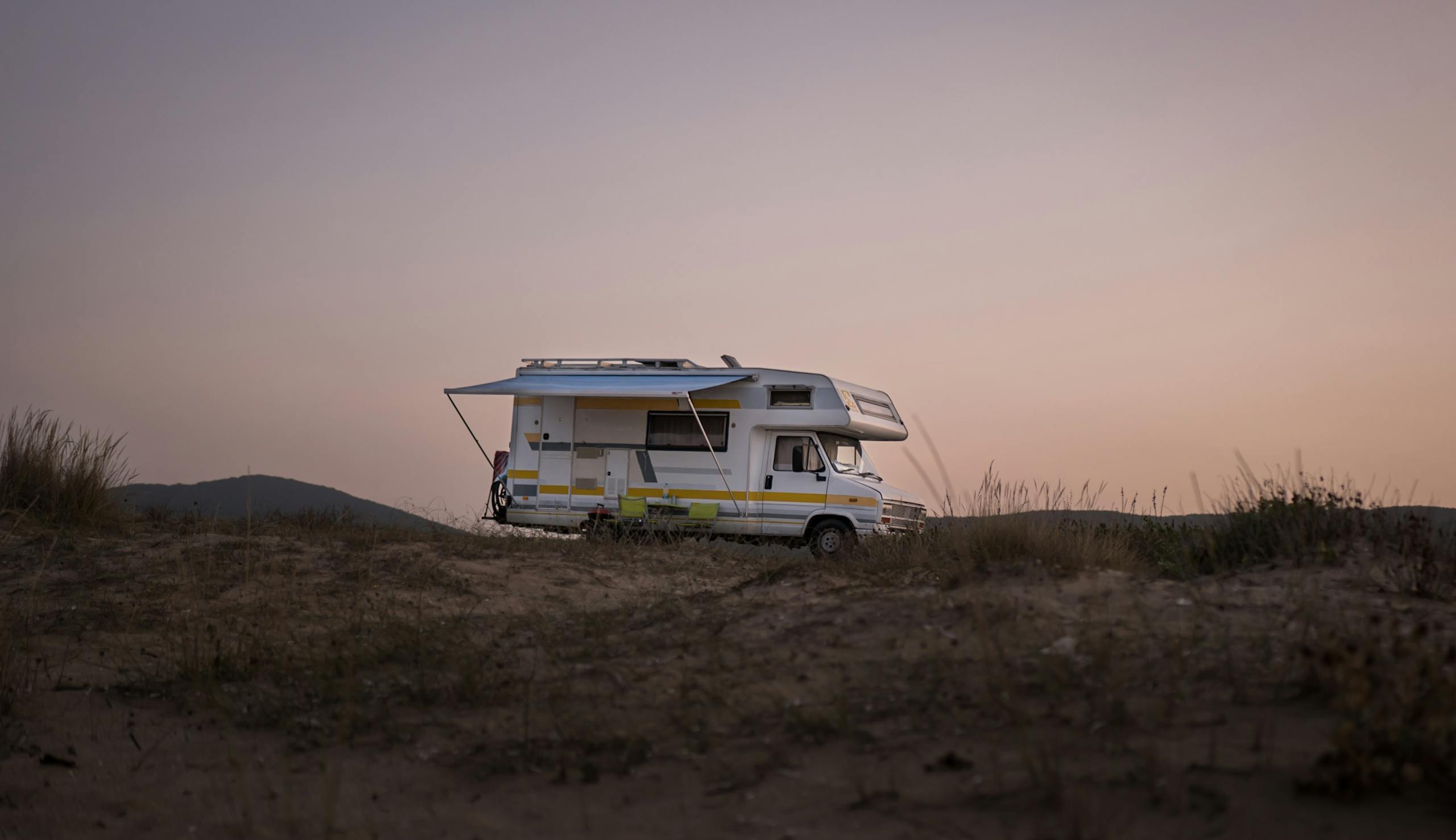
Coachmen, now under the Forest River umbrella, makes a wide range of travel trailers, fifth wheels, Class C motorhomes, and Class A models. The brand has been around for decades, but age alone does not protect buyers from quality issues. Common complaints include slide-out leaks, roof-sealing issues, plumbing problems, loose trim, and inconsistent workmanship.
Some Coachmen models offer excellent layouts for families, but buyers should treat slide systems and water intrusion as the first two things to inspect.
Slide-outs are among the biggest selling points of modern RVs, yet they are also among the easiest places for problems to start. A poorly sealed slide can let water creep into flooring and wall cavities. A misaligned slide can damage seals, gears, flooring, and exterior trim.
Coachmen buyers should inspect the slide room from inside and outside, check for staining, smell for mildew, and ask the seller to operate it several times. A spacious floor plan is not worth much if the slide becomes a recurring repair bill.
Gulf Stream
Gulf Stream RVs often attract buyers looking for affordable travel trailers and compact motorhomes. The layouts can be practical, and the price can feel friendly, but water intrusion is a major concern. Owners have reported leaks around roofs, windows, doors, bathrooms, and exterior seams. In an RV, leaks are not small annoyances. Water can rot floors, stain walls, damage insulation, create mold, and turn a budget camper into a financial trap.
Anyone considering a Gulf Stream should inspect it like a detective after a rainstorm. Look under mattresses, inside cabinets, around windows, behind the toilet, near the shower, along ceiling seams, and under exterior storage compartments. Press gently on floors near corners and walls. Look for bubbling wallpaper, musty odors, patched caulk, uneven paneling, and suspicious stains.
A Gulf Stream can work for careful buyers, but it should not be purchased without a professional moisture inspection.
Coleman
Coleman-branded travel trailers are often marketed to entry-level buyers who want camping comfort without a luxury price. That makes them tempting, especially for families buying their first rig. The danger is that low-cost trailers can come with low-cost materials. Owners often complain about weak furniture, cheap fixtures, thin mattresses, loose trim, cabinet issues, and small repairs that appear too early.
A budget trailer can still be a smart purchase, but only when the buyer understands what was sacrificed to hit the price.
Coleman buyers should not expect premium construction at a starter price. The smart move is to inspect the roof, walls, flooring, seals, windows, stabilizers, appliances, and furniture before accepting delivery. Pay close attention to how the trailer feels when doors close, drawers slide, and cabinets flex.
If parts already feel flimsy on the dealer lot, they may not age well after bumpy highways and summer heat. Coleman is best for buyers who camp lightly, maintain carefully, and keep repair expectations realistic.
Holiday Rambler
Holiday Rambler once carried a strong reputation in the motorhome world, and many buyers still associate the name with upscale travel. The trouble is that luxury branding does not address concerns about workmanship. Buyers have reported issues with seat belts, shades, brake-related components, trim, wiring, and interior systems.
In a large motorhome, a loose shade is irritating, but a seat belt or brake concern is serious. Safety-related defects deserve more attention than cosmetic flaws.
Holiday Rambler buyers should carefully inspect the cockpit area. Confirm that seat belts retract, latch, and mount properly. Test the windshield shades, dash systems, lights, generator, leveling system, and braking feel. Check the roof, slide-outs, and electrical compartments as well.
A Holiday Rambler can be a pleasant coach when maintained well, but buyers should not assume the badge automatically means premium quality. The inspection should match the price.
Itasca
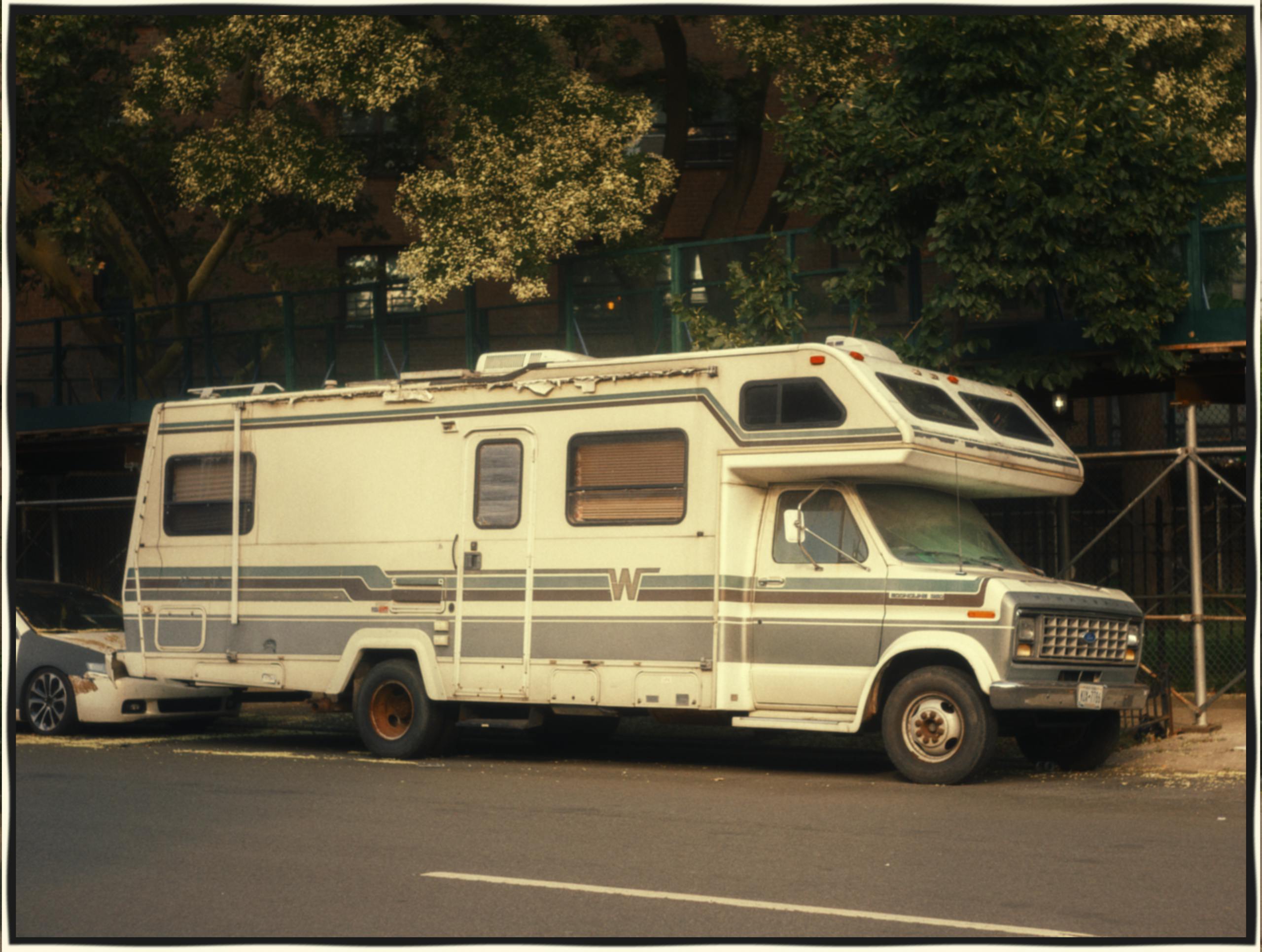
Itasca was Winnebago’s sister brand, and many Itasca motorhomes remain on the market. Since these coaches are now older, the biggest risks usually come from age, deferred maintenance, electrical issues, transmission concerns, fridge systems, braking performance, and worn interior components.
A used Itasca may look like a bargain compared with a newer motorhome, but buyers should remember that older RVs can become expensive very quickly.
The danger with used Itasca units is that sellers may focus on the pretty parts: clean upholstery, a shiny exterior, or a livable floor plan. Buyers need to focus on the expensive parts. Inspect the roof, chassis, generator, transmission, brakes, tires, fridge, propane system, batteries, converter, inverter, and water lines. Any old motorhome can become a money pit if the previous owner skipped maintenance.
Newmar
Newmar is known for luxury diesel pushers and higher-end motorhomes. Many RVers respect the brand, and for good reason. Still, a high price does not eliminate risk. Newmar coaches can include complex electrical systems, power management, slide-outs, leveling systems, luxury appliances, heated floors, multiplex controls, and advanced electronics. When those systems work, the coach feels impressive. When they fail, repairs can be painful.
Newmar buyers should treat complexity as the main warning sign. A six-figure or seven-figure motorhome should receive a deeper inspection than a basic trailer, not a lighter one. Test every slide, outlet, inverter, charger, thermostat, appliance, awning, shade, camera, leveling jack, and lighting system.
Review service history and confirm recall work. A Newmar may be worth the money for the right buyer, but skipping inspection because it is a luxury brand is a costly mistake.
Tiffin
Tiffin has a loyal following and is often praised for livable layouts and customer support, but buyers should still inspect carefully. Luxury motorhomes are packed with systems, and Tiffin models have faced concerns involving brakes, refrigerator components, coolant or refrigerant issues, electrical systems, and appliances in certain models. The Allegro line is popular, but popularity does not guarantee a trouble-free unit.
Tiffin buyers should focus on safety and major systems first. Inspect the braking system, tires, chassis, refrigerator, generator, electrical bay, roof, slide rooms, and plumbing. Ask for records showing completed recalls and major services. A well-maintained Tiffin can be a strong coach, but a neglected one can drain money quickly. The better the brand reputation, the easier it is for buyers to relax too early. Do not relax until the inspection is complete.
Champion
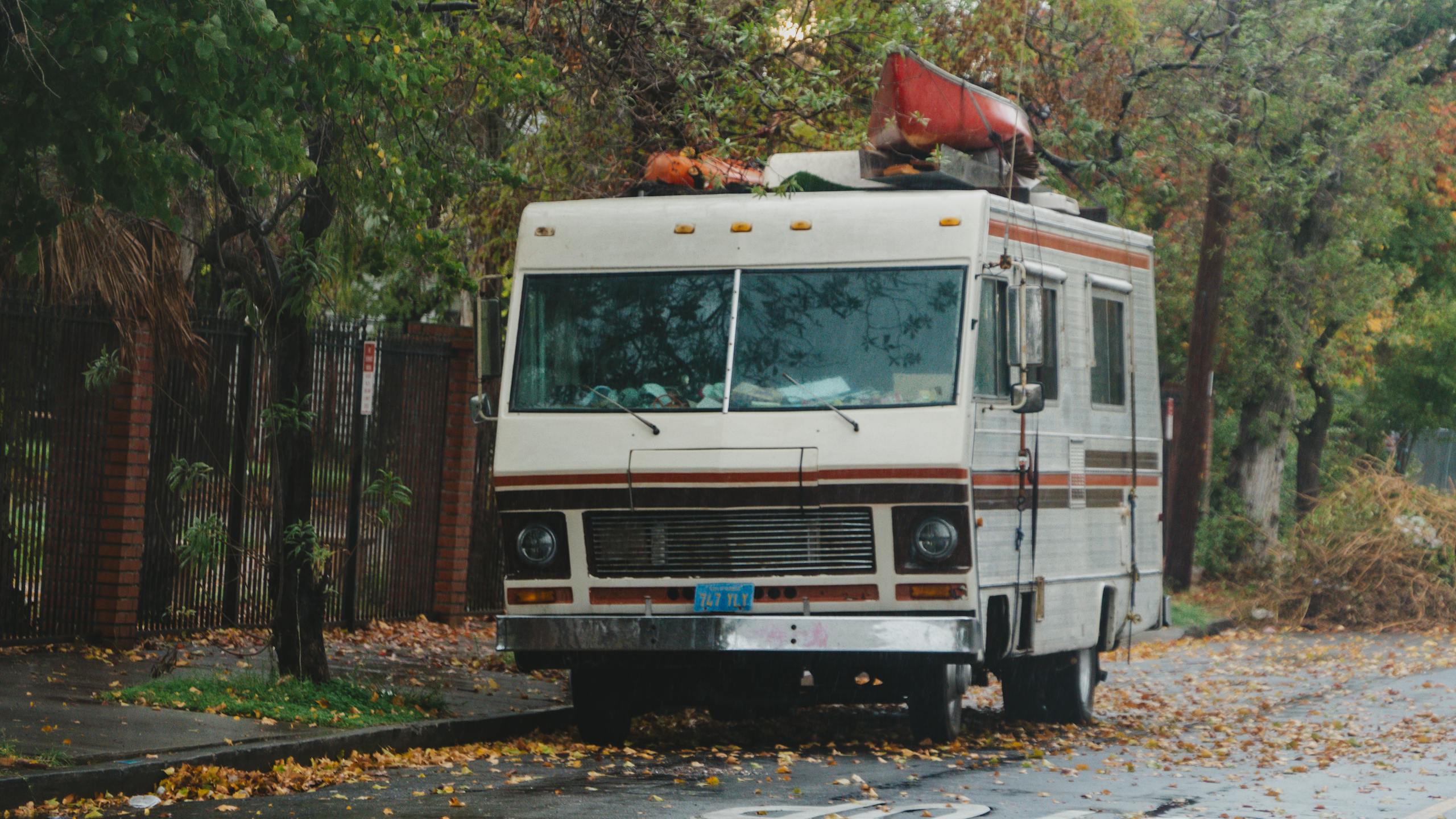
Champion is less discussed than the biggest RV brands, but buyers should be cautious with units involving seat, restraint, and workmanship concerns. Any RV with seat belt mounting issues, loose seats, weak interior construction, or poor safety design deserves close review. RV interiors are not just furniture. In a crash, loose seating, weak restraints, and unsecured objects can become dangerous.
Champion buyers should inspect seating areas, belt mounting points, cabinetry, flooring, and wall attachments with special care. If the RV will carry passengers, the restraints must be treated as a non-negotiable safety item. Do not accept vague reassurance from a seller. Confirm the exact model year, check recalls, inspect the hardware, and walk away from any unit with questionable safety equipment unless the repair is documented and professionally completed.
Conclusion
The RV brands most worth avoiding are not always the ones with bad logos or ugly floor plans. The real danger comes from rushed construction, weak materials, water intrusion, electrical faults, unsafe towing components, poor warranty support, and buyers who fall in love too fast.
Forest River, Keystone, Jayco, Thor, Coachmen, Gulf Stream, Coleman, Dutchmen, Fleetwood, Holiday Rambler, Winnebago, Itasca, Airstream, Newmar, Tiffin, and Champion all deserve extra research before purchase.
That does not mean every RV from these brands should be crossed off forever. It means buyers should treat every unit like a case file. Check recalls. Demand records. Hire an inspector. Test every system. Walk away from pressure. The open road is wonderful, but it becomes a lot less romantic when your dream camper leaks, shorts, rattles, or sits in the repair shop during the best weeks of summer.
Buy slowly, inspect deeply, and let the RV prove itself before it gets your money.