The war in Iran may have begun with confident claims of decisive wins, nuclear dismantlement, and strategic dominance, yet months later, the landscape tells a far harsher story. Energy routes remain blocked, and global oil and LNG prices are soaring.
U.S. allies are questioning Washington’s intentions, and Iran seems to be dictating the pace of events. What was sold as a clear victory is now shaping up as a complex trap that could damage America’s credibility and the global economy for years. Here’s why the Iran conflict has become a quagmire for Trump and a cautionary tale in modern geopolitics.
The Strait of Hormuz Blocks Global Trade.
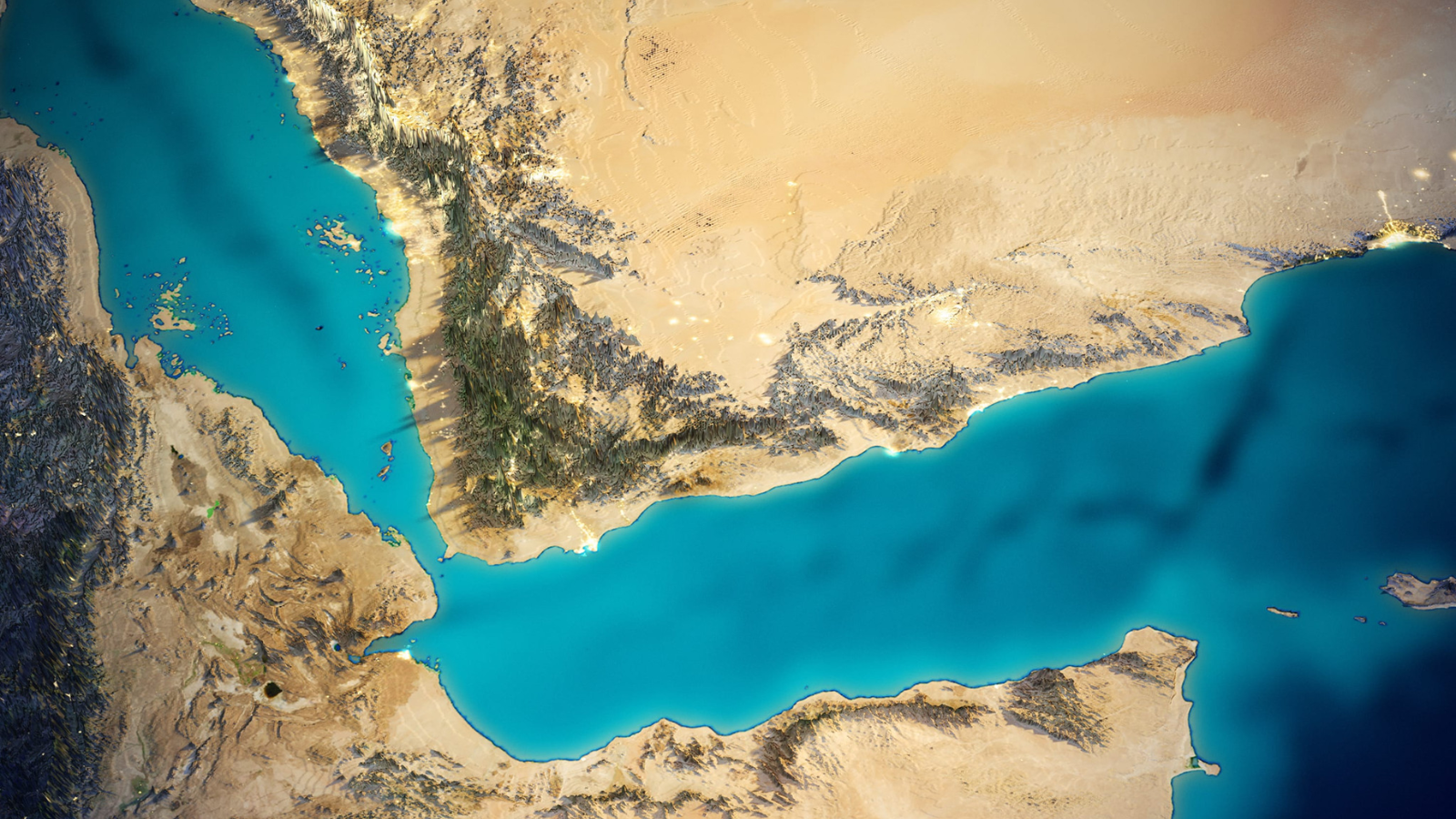
The Strait of Hormuz is more than a narrow waterway; it is the lifeblood of global energy. Nearly 20% of the world’s oil passes through it, alongside vast quantities of natural gas. Iran’s military control and periodic restrictions have disrupted international shipping, forcing tankers to reroute or halt operations entirely.
Insurance premiums for vessels have spiked; shipping delays have cascaded across industries, and global energy markets are in turmoil. Even if Washington claims tactical success by targeting Iran’s nuclear and military infrastructure, control over Hormuz is a strategic bottleneck that Tehran now exploits.
This shift from tactical to strategic leverage means the conflict’s effects are felt far beyond the battlefield, turning economic disruption into a longterm bargaining tool.
Oil and Energy Prices Hit Households Hard.

The economic fallout is immediate and tangible. Brent crude jumped to over $117 per barrel in April, compared with $71 per barrel just two months prior, largely due to the strait’s restricted flow. This surge trickles down to consumers, affecting gasoline prices, heating costs, and the overall cost of living in the United States and Europe.
Energy shocks are politically toxic. Families experience the consequences firsthand, while businesses face rising input costs and strained supply chains. The disconnect between Trump’s proclamations of victory and the economic reality on the ground is stark, making claims of triumph appear increasingly hollow.
Iran Still Holds the Most Painful Leverage.
Iran does not need to win a conventional battle to control the narrative. By maintaining authority over maritime routes and delaying negotiations, Tehran has positioned itself as the arbiter of both access and outcome. The country demonstrates that survival, timing, and leverage matter more than destruction of facilities alone.
This asymmetric advantage embarrasses Washington. The U.S. cannot dictate terms on its own timeline, and the global perception of strength is now tilted in favor of Iran. Allies and adversaries alike are watching closely, noting who truly holds control over the flow of energy, diplomacy, and global perception.
Nuclear Limits Remain Unresolved
One of the war’s central goals was to neutralize Iran’s nuclear capabilities. Yet key issues remain unresolved. Iran maintains that it will continue peaceful nuclear enrichment under strict safeguards, while Washington demands irreversible dismantlement.
This ongoing deadlock undermines any notion of a definitive victory and raises questions about the effectiveness of prolonged airstrikes. Without clear nuclear resolution, the administration struggles to define a tangible achievement.
Tactical strikes have destroyed infrastructure, but Iran’s broader nuclear strategy remains intact, giving the regime both leverage in future negotiations and a narrative of resilience that counters U.S. claims of success.
Allies Are Losing Trust.
Wars are not just judged by the battlefield; they are judged by reliability and outcomes. European and Middle Eastern allies expected predictability and competence, yet rising energy prices and uncertainty over Iran’s nuclear status have shaken confidence.
Strategic relationships are strained as partners experience both the economic and diplomatic consequences of a conflict that does not clearly favor Washington.
The erosion of trust carries longterm implications. Even if Trump publicly claims victory, skeptical allies are likely to withhold full support in future regional security initiatives, preferring caution over alignment with an administration whose actions seem reactive rather than coordinated.
Domestic Politics Are Turning Against the Campaign.

Public approval has dropped as Americans experience rising fuel and commodity costs firsthand. Polls show that only about one third of citizens approve of the Iran conflict, while a majority believe the administration has failed to clearly explain why the war was necessary.
This domestic pressure limits the administration’s ability to shape a positive narrative. When citizens see higher gas prices, longer shipping delays, and increased consumer costs, confidence in the stated objectives of the war erodes, making bold proclamations of victory increasingly disconnected from reality.
Global Perception Is Embarrassing.
Iran’s ability to dictate terms and control maritime traffic has not gone unnoticed. Russia and China appear to observe the situation with confidence, recognizing that Washington’s control over the region is more limited than public messaging suggests. Even countries aligned with U.S. concerns are growing wary of the administration’s handling of the conflict.
Global perception now favors Tehran. The war may technically weaken Iranian military capabilities, but Iran has successfully portrayed itself as resilient, patient, and capable of shaping outcomes, effectively flipping the narrative of strength and influence.
Strategic Exit Options Are Narrow.
Every path forward carries a risk. Concessions could be interpreted as capitulation, damaging credibility with voters and allies. Refusal to negotiate prolongs the disruption of energy flows and heightens economic pressure on consumers and companies. The administration is effectively trapped in a high stake balancing act with no simple exit strategy.
This strategic deadlock creates a situation in which every decision, whether to pursue a deal or maintain a blockade, has significant consequences. Political spin cannot fully mask the complexity, and the gap between tactical accomplishments and strategic success widens with every passing month.
Victory Narrative Is Out of Sync with Reality.
Despite repeated claims of success, the facts tell a far different story. Shipping remains restricted, nuclear negotiations continue, energy prices remain volatile, allies are uncertain, and Iran controls the pace of developments. This misalignment between messaging and reality highlights the danger of declaring triumph prematurely.
A victory that is invisible to the global economy, domestic markets, and international partners is not a victory at all. The Iran conflict has demonstrated that tactical gains cannot compensate for the strategic, diplomatic, and economic consequences now shaping the global narrative.
Key Takeaway.
Trump’s Iran campaign highlights the limits of military action in light of strategic reality. Tactical strikes may destroy infrastructure, but global leverage, economic disruption, allied trust, and domestic pressure define the true outcomes of modern conflicts.