Donald Trump may have thought he was telling a quick story about a photo. Giorgia Meloni treated it as an insult to an entire country. What looked like a small summit moment quickly turned into a bigger fight over pride, respect, and power.
The Italian prime minister fired back after Trump reportedly claimed she had “begged” him for a picture during the G7 summit in France. Meloni rejected the claim and made it clear she would not let the story stand. Her message was sharp, simple, and impossible to miss; neither she nor Italy ever begged.
That one line changed the whole mood around the story. Suddenly, the issue was no longer just about whether two leaders posed for a photo. It became a public test of how much disrespect America’s allies are still willing to accept from Trump.
A Small Photo Became A Big Political Problem
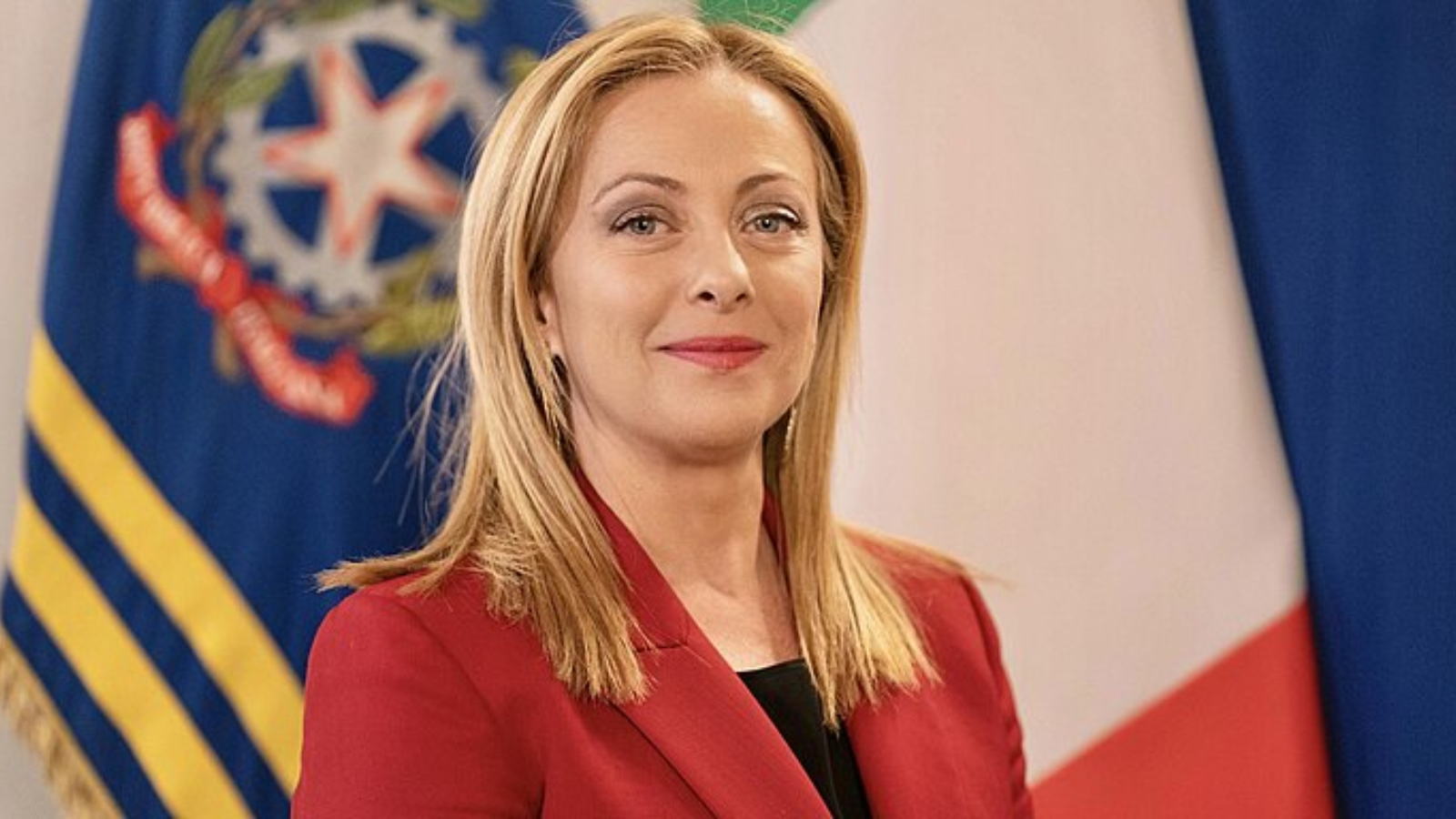
Governo Italiano, CC BY 3.0 IT, via Wikimedia Commons
On the surface, the dispute sounds almost too small to matter. It started with a photo, a comment, and a denial. But in politics, small moments can become powerful symbols when pride and public image are involved.
A photo between world leaders is not only a picture. It can suggest friendship, influence, access, and status. It can also be used to show who appears powerful and who appears eager for attention.
That is why Trump’s claim landed so badly. Meloni has built her image around strength, national dignity, and the idea that Italy should not be treated like a junior partner. The suggestion that she begged for a photo struck directly at the center of that image.
If Meloni stayed quiet, the story could make her look weak. If she laughed it off, critics at home could say she allowed Italy to be mocked. Instead, she turned the comment into a national stand.
By saying Italy does not beg, Meloni made the moment bigger than herself. She turned a personal insult into a public defense of the country she leads. That is why the story quickly moved beyond gossip and became a diplomatic problem.
Meloni Was Supposed to Be Trump’s Friend
The most surprising part of this clash is not that Trump angered a foreign leader. He has done that many times before. The surprising part is that the leader pushing back is Meloni.
For a long time, Meloni was seen as one of Trump’s closest ideological friends in Europe. She shared some of his language on borders, national identity, and political toughness. She also understood his style better than many European leaders, who often seemed uncomfortable around him.
That made her useful to Trump. It also made Trump useful to her. Meloni could present herself as a leader with a direct line to Washington at a time when many European governments were unsure how to handle Trump’s return to power.
But that strategy came with risk. Being close to Trump can bring attention, but it can also bring embarrassment. One friendly moment can quickly become a public story where Trump looks powerful, and everyone else looks smaller.
That appears to be the line Meloni refused to cross. Her response showed that even leaders who once tried to stay close to Trump may not accept humiliation as the price of access. In that sense, the photo fight became a warning sign for Trump’s relationships with other allies.
Italy’s Response Made the Clash Serious
If Meloni had been the only person to respond, the controversy might have stayed in the world of political drama. It could have been treated as another angry statement after another Trump remark. But Italy’s foreign minister, Antonio Tajani, canceled a planned visit to the United States after the backlash.
That move gave the dispute real diplomatic weight. Government trips are not usually canceled over small insults. When a top diplomat pulls out of a U.S. visit, it sends a clear message that the issue has moved beyond personal feelings.
Italy was saying this was not only rude. It was serious enough to affect official business. That made the story much harder to dismiss as just another Trump controversy.
Trump has often used personal comments as political weapons. He praises some leaders, mocks others, and keeps attention fixed on himself. But when allies respond with official consequences, the performance begins to cost something.
The Old Flattery Strategy Is Wearing Out
For years, many foreign leaders handled Trump with a careful strategy. They praised him, gave him attention, and avoided public fights whenever possible. Sometimes that approach worked well enough to keep meetings calm and protect their own interests.
But the strategy also created a trap. If the leader flatters Trump too much, they may look weak at home. If they stay silent after being insulted, they may look powerless in front of their own voters.
Meloni’s situation shows how difficult that balance has become. She once looked like a bridge between Trump and Europe. Now she is publicly rejecting his version of events and defending Italy’s dignity against him.
That shift says something important about the mood among America’s allies. Many still want a strong relationship with Washington. But fewer seem willing to be treated like background characters in Trump’s political show.
There is a difference between being an ally and being a prop. Meloni’s response made that difference clear. She showed that closeness to Trump does not mean accepting every public slight without answering back.
Trump’s Style Depends on Dominance

Trump’s foreign policy style has always been deeply personal. He often talks about leaders as strong or weak, loyal or ungrateful, smart or foolish. He turns meetings into stories about who needed him more and who held the power.
That style can work politically with supporters who enjoy seeing him project dominance. But it creates real problems for foreign leaders who also have voters, pride, and national images to protect. No elected leader wants to return home looking like they were publicly belittled by another country’s president.
Diplomacy depends on respect, trust, and careful language. It also depends on the belief that private moments will not later become public weapons. If leaders believe every handshake could be retold as a humiliation, they will start acting differently.
They may still attend summits and smile for the cameras. They may still sit across the table and discuss trade, security, and global crises. But the trust behind those moments can begin to weaken.
That is what made Meloni’s reaction so important. She seemed to understand that the story was not really about a picture. It was about power, status, and whether Italy’s leader could be made to look small.
The Bigger Story Is A Loss of Patience
The real story here is not in the photo. The real story is that foreign leaders appear less willing to pretend Trump’s style is harmless. For years, allies often treated his comments as background noise because the relationship with America was bigger than any one insult.
In many ways, that is still true. The United States remains too powerful to ignore, and no major ally can casually walk away from Washington. But maintaining an alliance is not the same as accepting humiliation.
Meloni did not reject the United States. She rejected the idea that Italy’s leader could be publicly belittled without consequence. That is why this moment matters beyond one summit and one sharp quote.
The photo became a fight. A claim became a national insult. A former ally became a public critic.
Inside that clash is a warning for Trump. The leaders who once smiled through the spectacle may no longer be willing to play along. The cost of staying quiet may now feel higher than the cost of answering it back.
The cameras are still flashing. The handshakes are still happening. But this time, the photo moment did not make Trump look stronger.
It made one of his closest allies finally say enough. It showed that even friendly leaders have limits. And it proved that in Trump’s second act on the world stage, the old rules of flattery may no longer be enough.




.jpg)