Ever followed a recipe perfectly, only to end up with dry chicken, soggy vegetables, or cookies that taste nothing like the picture promised? Sometimes, the ingredients aren’t the problem. It’s those tiny cooking steps we barely think about.
An extra minute of mixing, or the wrong butter temperature, can completely change a dish. Even experienced home cooks occasionally overlook these details, especially when dinner needs to happen fast.
The good news? Most cooking mistakes are surprisingly easy to fix once you understand what’s going wrong. Here are common kitchen slipups that can turn a promising recipe into a disappointment, plus simple ways to avoid them.
Overcrowding the Pan
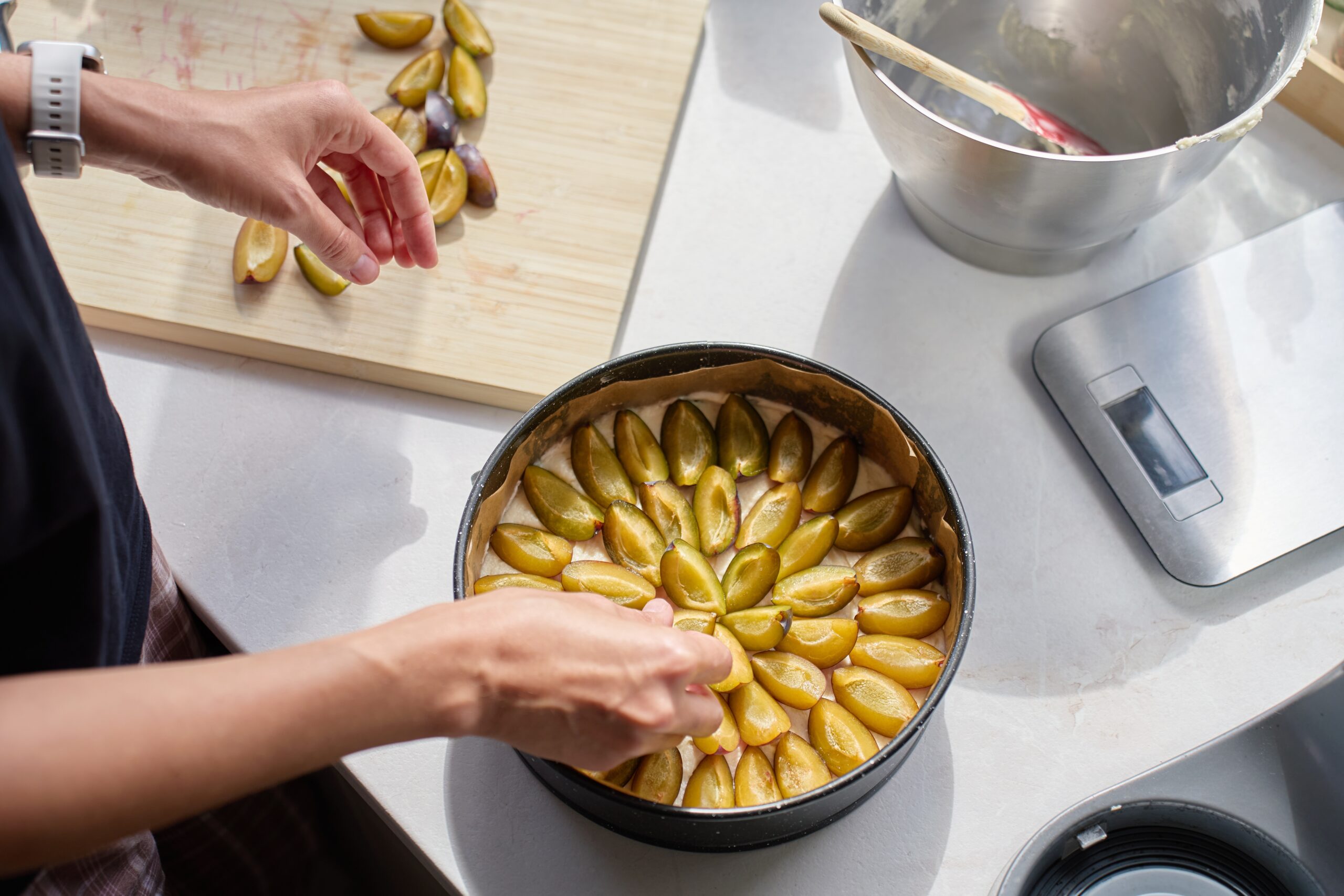
Overcrowding the pan is one of the easiest ways to turn beautifully roasted vegetables into a soggy disappointment. When ingredients are piled too close together, they release moisture that creates steam instead of letting the surfaces brown.
Imagine preparing roasted Brussels sprouts, cauliflower, or sheet-pan chicken with vegetables. Everything looks promising going into the oven, but the ingredients emerge softer and wetter than expected because the pan couldn’t accommodate them properly.
The fix is simple: spread the ingredients into a thinner layer, and use another pan or cook in batches when necessary. Giving food room encourages browning, though cooking temperature and ingredient moisture also matter.
Rushing Caramelized Onions
Rushing caramelized onions can take French onion soup from wonderfully rich to disappointingly bitter. Proper caramelization requires patience because the onions need time to soften and develop their characteristic sweetness.
Turning up the heat may seem like a clever shortcut, but it can brown or burn the outside before the onions develop the flavor you want. Suddenly, those golden onions look darker than intended, and the sweetness you expected hasn’t arrived.
Some French onion soup recipes allow approximately one to two hours for caramelization after initially softening the onions. Watch their color and texture, and add a little water if the browned bits start to threaten to burn.
Adding Minced Garlic Too Early
Adding minced garlic too early can spoil an otherwise delicious pan of sautéed mushrooms. Garlic brings wonderful flavor, but finely chopped pieces can burn before longer-cooking ingredients are ready.
The trouble often begins when someone assumes onions, shallots, garlic, and other aromatics should all enter the pan at once. They don’t necessarily need the same amount of cooking time.
For garlic-and-thyme mushrooms, add minced garlic near the end so it cooks briefly without burning. Follow the recipe’s order rather than treating every aromatic the same, remembering that some dishes intentionally brown garlic earlier.
Measuring Flour Incorrectly
Scooping flour directly from the bag might seem harmless, but it can dramatically change your cookies, cakes, and muffins. When you pack flour into a measuring cup, you may accidentally add much more than the recipe intended.
King Arthur Baking explains that a densely packed cup of all-purpose flour can contain as much as 160 grams, compared with the 120 grams used in its recipes. That difference can throw off the balance between flour and the other ingredients, affecting the finished texture.
For better results, use a kitchen scale when the recipe provides measurements in grams. Otherwise, fluff the flour, spoon it gently into the measuring cup, and level the top as the recipe developer instructs.
Related: Common Cooking Mistakes That Ruin Dinner, and the Simple Fixes That Actually Work
Overmixing Muffin Batter
Overmixing muffin batter is a classic example of good intentions producing disappointing results. You want a perfectly smooth mixture, so you keep stirring until every little lump disappears.
Unfortunately, excessive mixing can develop more gluten than tender muffins need, creating a tougher, chewier texture. That fluffy bakery-style result you were hoping for becomes much harder to achieve.
King Arthur Baking recommends gently combining wet and dry ingredients, with its basic muffin recipe calling for roughly 20 seconds of mixing. A few lumps are perfectly acceptable, so resist the temptation to keep stirring unless your particular recipe instructs otherwise.
Using Butter at the Wrong Temperature
Using butter at the wrong temperature can change how cookies and cakes turn out before they even reach the oven. When a recipe tells you to cream softened butter with sugar, the butter’s consistency matters more than you might think.
Butter that’s too cold won’t cream as intended, while overly warm, greasy butter can interfere with the process. Proper creaming creates tiny air pockets that contribute to the finished bake’s structure.
The best approach is to check the butter rather than simply watching the clock. It should feel slightly cool and allow a finger indentation while still offering some resistance, unless the recipe specifically calls for melted or cold butter.
Swapping Different Salts Without Adjusting
Substituting different salts spoon for spoon sounds like an innocent kitchen shortcut, but it can leave a dish much saltier than expected. The problem isn’t necessarily the salt itself, but how different crystals fit into a measuring spoon.
Table salt, Morton kosher salt, and Diamond Crystal kosher salt have different crystal structures. Serious Eats stated that table salt delivers about twice as much salt by volume as Diamond Crystal kosher salt.
That difference matters in soups, sauces, doughs, and brines where seasoning quantities are important. Follow the recipe’s specified salt type or weight, and use reliable conversions when switching varieties.
Forgetting to Save Pasta Water
Draining pasta completely before adding sauce can mean missing one of the simplest ways to improve your pasta dishes. That cloudy cooking water might look unimportant, but its starch can help sauces thicken and cling more evenly to noodles.
Think about spaghetti aglio e olio or shrimp scampi. Instead of pouring sauce over a pile of fully drained pasta, finish the noodles in the sauce briefly to create a more cohesive dish.
Before draining, save some cooking water, then gradually add small amounts while tossing the pasta with its sauce. You don’t need to use every drop, and tasting as you go helps you avoid over-salting the liquid.
Judging Meat Doneness by Appearance Alone
Judging meat doneness by color alone can leave you guessing about what is happening inside a roast, burger, or chicken breast. A beautifully browned exterior doesn’t automatically reveal the center temperature.
Different meats and cuts also require different cooking targets, so relying on one visual trick for everything isn’t particularly helpful. According to USDA guidance, poultry should reach 165°F, ground beef 160°F, and whole beef and pork cuts 145°F followed by at least three minutes of resting.
A food thermometer removes much of that guesswork. Check the thickest appropriate section, avoiding bone or large pockets of fat, and remember that a recipe’s preferred final texture may require additional cooking beyond the minimum temperature.
A Good Recipe Deserves Good Technique
The difference between an ordinary dinner and a fantastic one often comes down to small details, so give your ingredients the time, space, and attention they deserve.