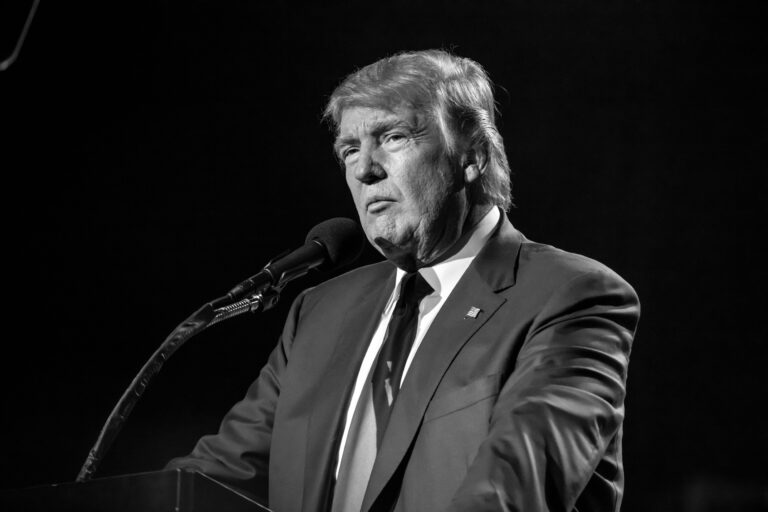
Washington Dulles International Airport is preparing for the largest transformation in its history. President Donald Trump announced a $22.5 billion Dulles Airport modernization plan on July 29, 2026, promising to replace aging passenger facilities, remove the airport’s controversial mobile lounges, and create a more direct journey from the terminal entrance to the boarding gate.
The proposed redevelopment reaches far beyond cosmetic renovations. We are looking at more than 5 million square feet of new or upgraded facilities, including modern concourses, expanded AeroTrain service, a central pedestrian tunnel, improved security areas, faster baggage systems, new international arrival facilities and a parking structure designed to hold approximately 32,000 vehicles. Officials say the work would unfold in phases while the airport remains operational.
The redevelopment represents a major expansion of an existing $7 billion modernization program already approved for Dulles. The Metropolitan Washington Airports Authority, United Airlines and the U.S. Department of Transportation are now seeking to accelerate and broaden those earlier plans.
Trump’s Dulles Airport Overhaul Targets a Decades-Old Design Problem
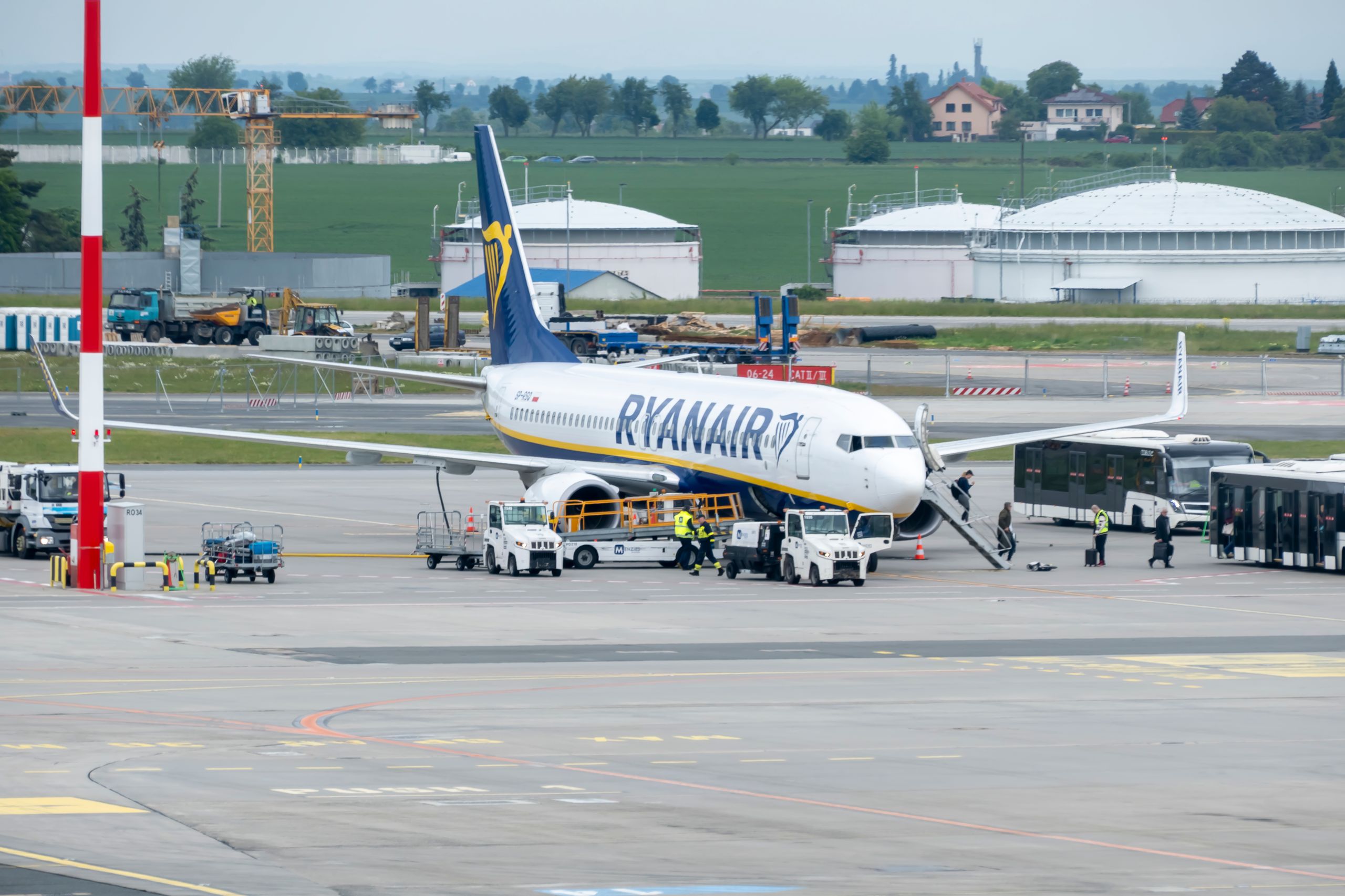
Dulles opened in 1962 with a striking main terminal designed by Finnish-American architect Eero Saarinen. Its sweeping concrete roof and glass façade created one of the most recognizable pieces of airport architecture in the United States. The original terminal will remain at the center of the redevelopment, even as much of the passenger infrastructure around it is replaced.
The challenge is that Dulles was designed for a different era of aviation. Early planners expected passengers to move quickly from the main terminal to aircraft using mobile lounges rather than walking through long concourses. The airport promoted the concept as a convenience because travelers initially needed to walk only a short distance before boarding a lounge that carried them across the airfield.
As passenger numbers increased and airlines adopted hub-and-spoke operations, the airport added satellite concourses, underground rail service, new gates and longer pedestrian routes. Those additions allowed Dulles to grow, but they also produced a fragmented passenger experience. Travelers may encounter a train, a mobile lounge, escalators, moving walkways and lengthy corridors during a single connection.
Trump described the distances inside Dulles as unreasonable and called the airport’s overall layout poorly designed. Although his language was severe, the underlying criticism reflects concerns that airport officials, airlines and passengers have raised for years. The new plan attempts to preserve Saarinen’s architectural landmark while rebuilding the operational system surrounding it.
Dulles People Movers Would Finally Be Phased Out
The most visible part of the Washington Dulles Airport renovation is the planned retirement of the mobile lounges, commonly called people movers. Dulles operates a fleet of 19 vehicles, with each lounge capable of carrying as many as 102 passengers. They travel directly across active airport surfaces between the main terminal, international arrival areas and selected concourses.
The vehicles were innovative when they entered service, but their role became increasingly difficult to justify as Dulles expanded. Mobile lounges must share parts of the airfield with aircraft, service vehicles and ground crews. Their movements can create operational conflicts, particularly when aircraft and lounges need to cross the same areas.
Passenger frustration has also grown. Travelers frequently wait inside crowded lounges before or after long international flights. A lounge may arrive at a concourse far from the passenger’s gate, meaning the ride does not necessarily eliminate walking. The vehicles also require specialized maintenance because they use unusual lifting and docking systems.
Safety concerns intensified after a mobile lounge crash in November 2025 sent 18 people to hospitals. The incident did not create the debate over the vehicles, but it added urgency to calls for a more reliable passenger transportation system.
Under the new plan, Dulles would expand its underground AeroTrain network into a U-shaped system serving more concourses. A central passenger tunnel, moving walkways, and more direct pedestrian connections would provide alternatives when trains are crowded or temporarily unavailable.
The final result would be a more predictable system. Instead of waiting for a large vehicle to cross the airfield, passengers could follow a fixed route using trains and climate-controlled walkways. That change could reduce uncertainty during tight connections and separate passenger movement from aircraft operations.
New Dulles Concourses Would Replace Aging C and D Facilities
The planned removal of the people movers depends on rebuilding the airport’s concourse network. The Transportation Department says the existing C and D concourses would be replaced with modern facilities capable of serving more aircraft, including larger planes used on long-distance international routes.
Concourses C and D currently handle a significant share of United Airlines flights at Dulles. Although parts of the facilities have been renovated, the buildings still reflect temporary and transitional designs developed decades ago. Low ceilings, congested seating areas, limited natural light and crowded gate zones can make the facilities feel outdated during peak travel periods.
The proposed concourses would include wider boarding areas, dedicated workspaces, expanded seating and more concessions. Plans also call for additional United Club facilities and one of the largest United Polaris lounges in the airline’s network. The new buildings would support larger aircraft and provide more flexible gate configurations.
Modern gates could also improve airline operations. More space around aircraft allows crews to move baggage, catering equipment and maintenance vehicles with fewer conflicts. Improved passenger circulation reduces crowding near boarding lanes, while updated electrical and data systems make it easier to support modern airline technology.
The first visible piece of the broader transformation is already under construction. Concourse E, a 435,000-square-foot facility with 14 United gates, is scheduled to open in fall 2026. It will connect directly to the AeroTrain system and include approximately 44,000 square feet of dining and retail space.
Concourse E is separate from many elements of the newly announced $22.5 billion program, but it demonstrates how Dulles intends to expand without closing major sections of the airport. New facilities can open first, allowing airlines to relocate operations before older buildings are demolished or reconstructed.
A Larger Customs Facility Could Transform International Arrivals
Dulles is the Washington region’s primary international airport, making its customs and immigration facilities central to the airport’s performance. The redevelopment would create a direct, walkable route from international gates to a larger U.S. Customs and Border Protection facility.
The current arrival process can require passengers to use mobile lounges before entering the international arrivals building. That system adds another transportation step at the end of a long flight and can create bursts of passengers arriving at inspection areas simultaneously.
A walkable connection would allow passengers to move continuously from the aircraft to immigration and baggage claim. Airport planners could design the route with clearer signs, wider corridors and better separation between arriving, connecting and departing travelers.
The customs expansion could also support more international flights. Dulles must be able to process arriving passengers efficiently before airlines add large numbers of new overseas services. Immigration booths, baggage inspection areas, secure corridors and rechecking facilities all affect the number of international passengers the airport can handle.
United Airlines has described the redevelopment as an investment in the future of its Dulles hub. The airline controls approximately 70 percent of airport traffic and operates an extensive domestic and international network from Northern Virginia. A larger customs facility, additional gates and improved transfers could strengthen Dulles as a connecting hub between North America, Europe, Africa, Asia, the Middle East and Latin America.
The 32,000-Space Parking Garage Would Reshape Airport Access.
The proposed above-ground parking structure would place approximately 32,000 vehicles closer to the main terminal. That capacity would make it one of the most prominent components of the Dulles redevelopment and could significantly change how drivers enter the airport.
Dulles sits roughly 25 miles from downtown Washington, making road access important despite the opening of the Silver Line rail extension in 2022. Many passengers travel from areas of Virginia, Maryland and West Virginia where public transportation may not provide a practical airport connection.
A close-in garage could reduce dependence on remote parking shuttles. Passengers would park nearer to check-in areas and reach the terminal through enclosed pedestrian connections. Digital guidance systems, reserved spaces, electric vehicle charging and automated payment technology could further reduce delays, although the final technical specifications have not been released.
The garage also raises important planning questions. A structure of that size would require carefully designed entry roads, pickup areas and traffic management systems. Without coordinated roadway improvements, additional close-in parking could move congestion from remote lots to the terminal approach.
The transformation therefore depends on more than constructing a large building. Airport planners will need to integrate private vehicles, taxis, ride-hailing services, hotel shuttles, buses, employee transportation and Metrorail passengers into a unified ground transportation system.
Dulles Airport Funding Would Rely Heavily on Municipal Bonds
Officials say the airport authority and airlines will finance much of the project through municipal bonds. These bonds generally allow public airport authorities to borrow at lower interest rates than private companies. Revenue from airport operations, airline agreements, parking, concessions and passenger charges may then support debt repayment.
MWAA President and CEO Jack Potter said the project would use airport-generated revenue and airline contributions rather than requiring direct federal funding. The announced structure also leaves room for public-private partnerships to finance selected commercial or infrastructure components.
The funding question remains one of the most important unresolved parts of the plan. Officials have not published a complete breakdown showing how much each airline would contribute, how many bonds would be issued, or which facilities might be developed through private partnerships.
Travelers could eventually help finance the work through parking charges, rents paid by concession operators, airline ticket costs or passenger facility charges. Airlines may also pass portions of their airport expenses to customers, particularly if construction increases landing fees or terminal rents.
Aviation analyst Henry Harteveldt cautioned that some federally supported spending could still emerge for customs, security, runway safety or related infrastructure. His assessment does not prove that taxpayers will finance the announced terminal program. Still, it highlights the difference between an initial financing framework and the final cost structure of a decade-long project.
We should therefore view the claim that the renovation will require no federal money as an announced objective rather than a permanently settled fact. Financing conditions, construction costs, interest rates, and security requirements can change substantially before the final phase is completed.
Congressional Approval and Environmental Reviews Remain Important
The Dulles redevelopment is an announced capital program, not a fully completed construction contract. Trump acknowledged that Congress would need to approve certain parts of the plan. Transportation Secretary Sean Duffy said construction could begin as early as spring 2027, but the full transformation will occur in phases over several years.
Congress has a role because the federal government owns the airport property. MWAA operates Dulles under a long-term lease authorized by Congress, while the Department of Transportation retains title to the property. The airport authority has broad operating and development powers, but some changes may still require federal legislative, regulatory, or administrative action.
Environmental review will also influence the final design. An April 2026 environmental assessment examined terminal and concourse redevelopment, fuel-storage expansion and development in the airport’s southern area. The review found no significant overall environmental impact, but it identified potential effects on approximately 20.6 acres of wetlands and 3,322 linear feet of perennial streams.