Your refrigerator works hard, but it shouldn’t be the center of every food-storage decision. Some ingredients develop better flavor on the counter, others lose their best texture in the cold, and a few need to move into the fridge once they ripen or are cut. According to the University of California, Davis, its produce-storage guide divides foods into three groups: refrigerate, ripen on the counter before refrigerating, and store at room temperature.
The secret is knowing which group your groceries belong to. These 11 foods offer a practical starting point, with advice from UC Davis, UC Davis Health, food experts interviewed by PEOPLE, and other sources. Most of these recommendations focus on freshness, flavor, and texture, not on any claim that refrigeration makes food dangerous.
Unripe Bananas
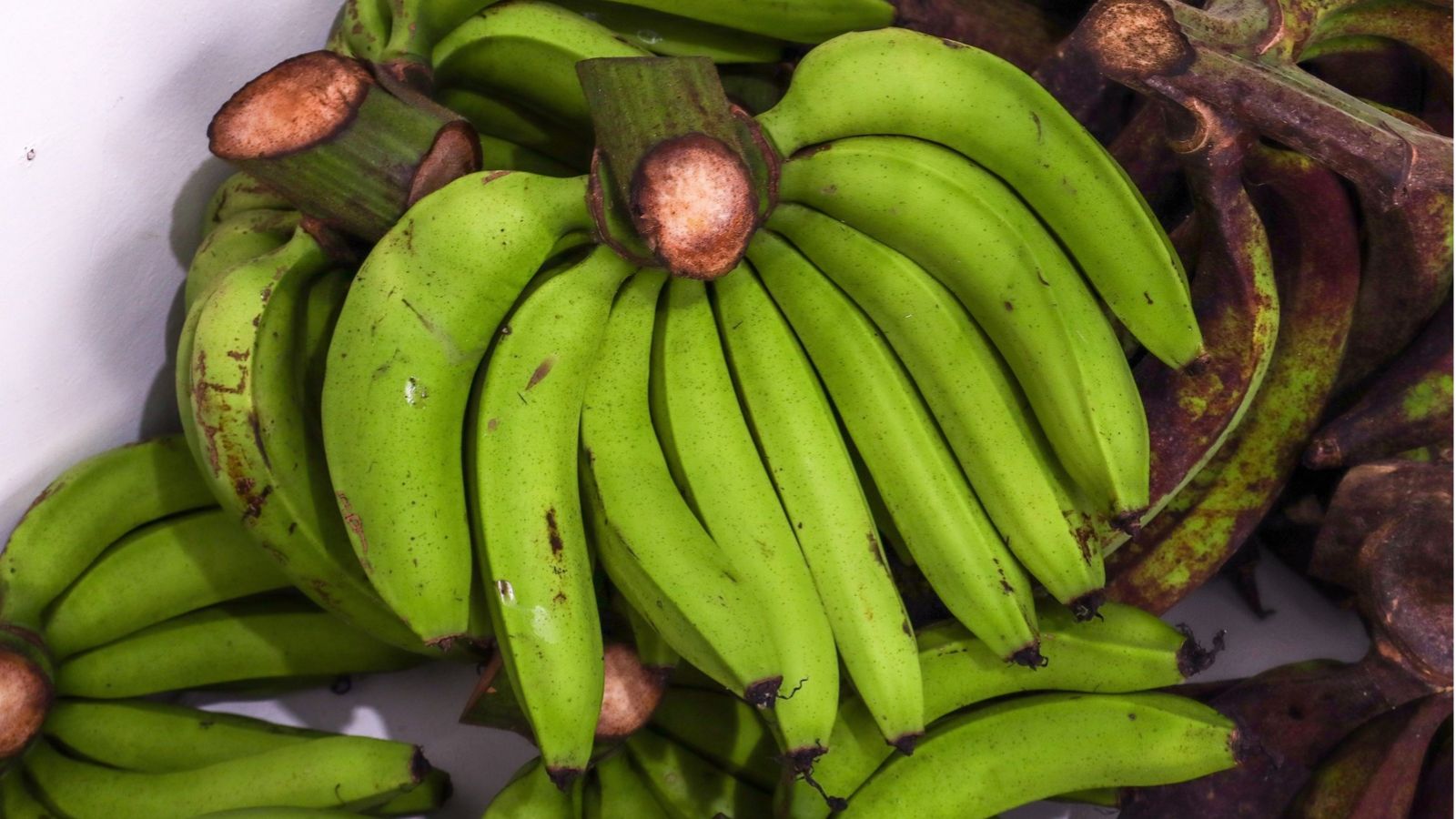
Bananas need a little time on the counter before they reach their sweetest, softest stage. UC Davis recommends storing them at room temperature because refrigeration can disrupt ripening and turn the peel black. Keep unripe bananas out of direct sunlight as they ripen.
One important exception: Joan Salge Blake, a Boston University nutrition professor interviewed by PEOPLE in October 2026, explains that refrigerating already-ripe bananas can slow further softening. A dark peel does not automatically mean the flesh has spoiled. Let the fruit’s ripeness guide your decision rather than treating the refrigerator as permanently off-limits.
Unripe Avocados
A firm avocado may need a little patience before it is ready for toast, salads, or a bowl of fresh fruit. UC Davis classifies avocados as foods that should ripen on the counter first, then move to the refrigerator. Keep them out of direct sunlight as they soften.
Once ripe, refrigeration can help you hold the fruit for longer if you are not ready to use it. The key distinction is timing: the UC Davis recommendation is about ripening stage, not a permanent ban on cold storage. An unripe avocado doesn’t need to go straight into the fridge just because you brought it home.
Unripe Peaches
Peaches are another fruit that benefits from ripening at room temperature. UC Davis recommends leaving them on the counter until they ripen, then refrigerating them if you need to keep them longer. This approach allows the fruit to develop before cold storage slows the process.
Keep the peaches away from direct sunlight while they ripen, and check them regularly. Once they are ripe, the refrigerator becomes useful rather than something to avoid. The lesson from the university’s guidance is simple: storage depends on the fruit’s stage, not an absolute rule that peaches should never be chilled.
European Pears
Bartlett pears offer a particularly clear example of how ripeness changes storage advice. According to UC Davis, these pears soften, sweeten, and turn more yellow as they ripen on the counter. Once ripe, the university’s guide says they can be refrigerated for one to three days without losing their taste.
Do not apply this recommendation indiscriminately to every pear variety. UC Davis lists Asian pears separately among fruits recommended for refrigeration. If you are buying pears for the week, identify the variety and check its ripeness before deciding where to store it.
Related: 10 Pantry Mistakes That Invite Pests Straight Into Your Food
Whole, Unripe Tomatoes
Tomatoes may look perfectly fine in the refrigerator, but cold storage can hurt their flavor. UC Davis says pink tomatoes develop better red color and flavor at room temperature, while refrigeration can slow ripening and reduce flavor. UC Davis Health repeated this recommendation in its September 2025 produce-storage guidance.
Ripe tomatoes do have an exception. Experts interviewed by PEOPLE note that refrigerating surplus ripe tomatoes can slow decay. Once a tomato is cut, however, the advice changes: UC Davis Health recommends covering it and refrigerating it below 40°F within two hours. Whole tomatoes and cut tomatoes should not be treated as the same storage problem.
Whole Sweet Potatoes
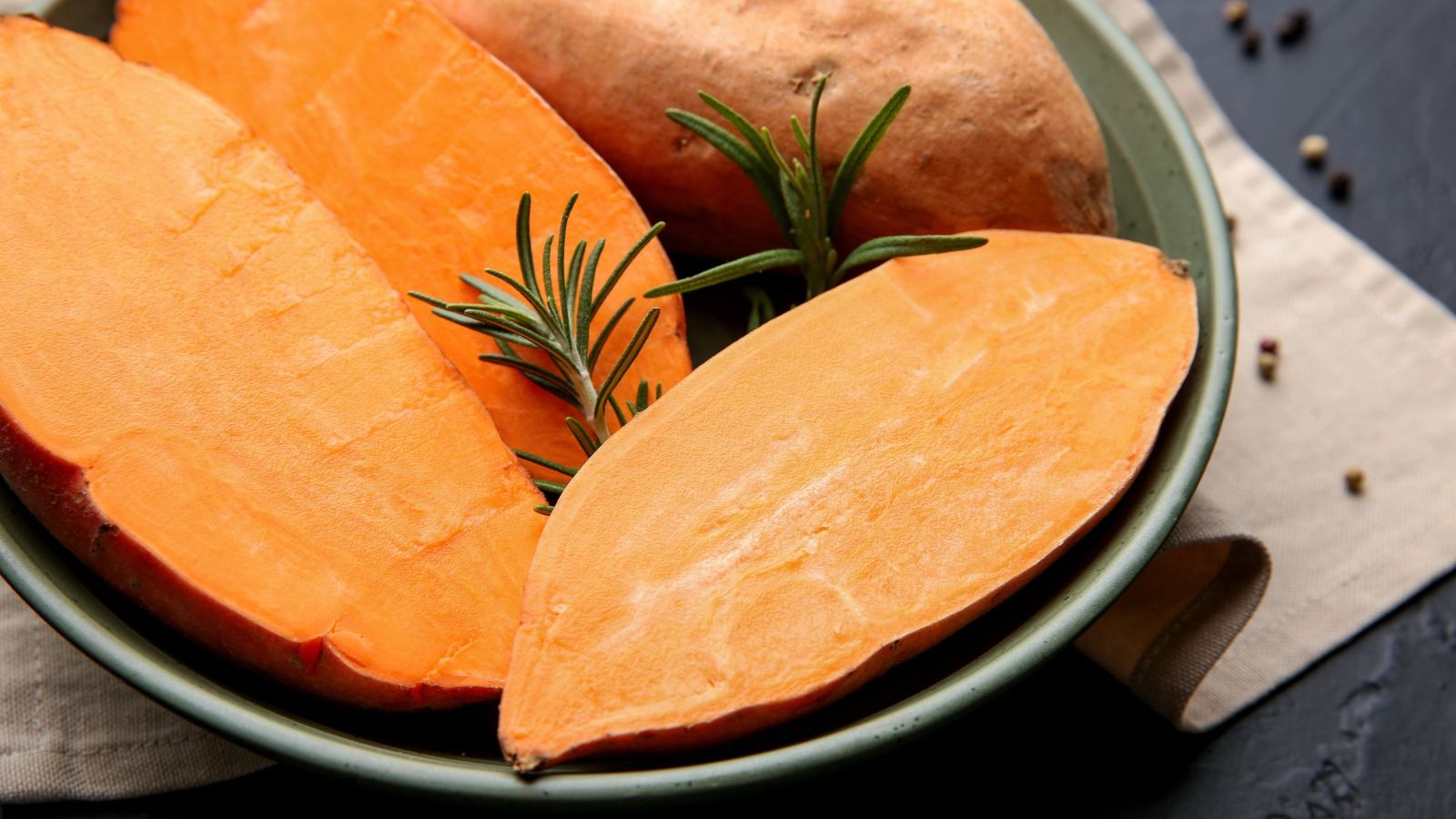
Whole, uncooked sweet potatoes are better suited to a well-ventilated pantry than a refrigerator. UC Davis warns that refrigeration can contribute to off-flavors and a hard core when sweet potatoes are cooked. UC Davis Health recommends storing them in a dark, dry place and avoiding bags.
These instructions apply to whole, uncooked sweet potatoes, not every form of the vegetable. Cut or prepared produce belongs in the refrigerator promptly, according to UC Davis guidance. Before putting your groceries away, consider whether you are storing an intact vegetable or ingredients already prepared for a meal.
Whole Winter Squash and Pumpkins
Winter squash and pumpkins are good candidates for room-temperature storage when they remain whole and intact. UC Davis lists both as produce recommended for room-temperature storage. A suitable spot away from direct sunlight is a better choice than automatically clearing space for them in the refrigerator.
Do not extend this rule to every squash variety. UC Davis places summer squash in its refrigerator category, making the distinction important. Once you cut or prepare winter squash or pumpkin, refrigerate it promptly rather than relying on storage advice for intact produce.
Mangoes
According to UC Davis’s household produce-storage chart, mangoes belong on the counter. Keep them away from direct sunlight while they ripen, and buy quantities you can reasonably use within a few days instead of treating room-temperature storage as indefinite.
This applies to whole fruit, not cut mango. Once you slice the fruit for a fruit bowl or dessert, refrigeration is the right choice. Match storage to how the mango will be used, rather than assuming the same conditions work at every stage.
Plain Honey
Honey can become cloudy and grainy when refrigerated, which may be an unwelcome surprise when you want a smooth drizzle over toast or dessert. Rosemary Trout, a Drexel University food-science specialist interviewed by PEOPLE, explains that glucose in honey can crystallize in the cold. Crystallization changes the texture, but it does not mean the honey has spoiled.
For everyday use, keep plain honey in a tightly closed container at room temperature. Troy Greek Raw Honey also recommends storing it in a cupboard or pantry, away from heat and direct sunlight. The practical concern is preserving a convenient texture, not claiming that refrigeration automatically ruins honey.
Plain Bread
Fresh bread presents one of the clearest cases where the fridge may not deliver the result you want. In a storage comparison, Serious Eats writer Daniel Gritzer tested equal-weight pieces from the same baguette batch. The wrapped refrigerated samples became firmer than the wrapped room-temperature samples, while frozen samples retained the most fresh-baked softness after thawing.
King Arthur Baking’s July 2020 guidance recommends wrapping bread and keeping it at room temperature for short-term use, then freezing portions you will not finish within a few days. It also notes an exception: in a very hot, humid kitchen, refrigeration can be a practical mold-control option if freezing isn’t available. Toasting or reheating can help restore the texture of chilled bread.
Everyday Coffee Beans or Grounds
Your daily coffee deserves storage that protects its aroma without complicating your morning routine. The National Coffee Association recommends airtight, opaque containers in a cool, dark place, away from ovens, dishwashers, and sunny areas. It identifies air, moisture, heat, and light as threats to coffee freshness.
For everyday use, a tightly sealed container in a cool cupboard is a straightforward choice. The association also recommends buying smaller batches, enough for roughly one or two weeks, rather than leaving a large supply open for extended periods. It does not categorically prohibit refrigeration or freezing; with genuinely airtight packaging and careful handling, cold storage can work to avoid condensation.
The Best Storage Rule Is Knowing When to Make an Exception
The biggest mistake is turning useful storage advice into an absolute rule. The University of Minnesota Extension’s guidance on potatoes and onions illustrates why: storage recommendations can vary by ingredient, conditions, and intended use. Potatoes destined for frying, for example, need different handling than potatoes stored for other purposes, so they aren’t straightforward examples of foods that should never be refrigerated.
Use room-temperature storage where it supports ripening or preserves quality, and switch to refrigeration when the guidance calls for it. Whole produce, cut ingredients, ripe fruit, and prepared leftovers do not all follow the same rules. A little attention to those differences can help you use your groceries better without sacrificing flavor or texture.