The recent news that On The Border Mexican Grill & Cantina is closing multiple locations in 2026 has sparked concern across Texas. For decades, the chain has been more than a casual dining spot; it has been a gathering place, a cultural touchstone, and a staple in communities across the state. The closures, following Pappas Restaurants’ acquisition after On The Border filed for Chapter 11 bankruptcy in 2025, are not just empty tables; they represent economic, social, and emotional losses for Texas residents. Here, we explore ten reasons why these closures will profoundly affect locals.
Loss of a Texas Culinary Icon
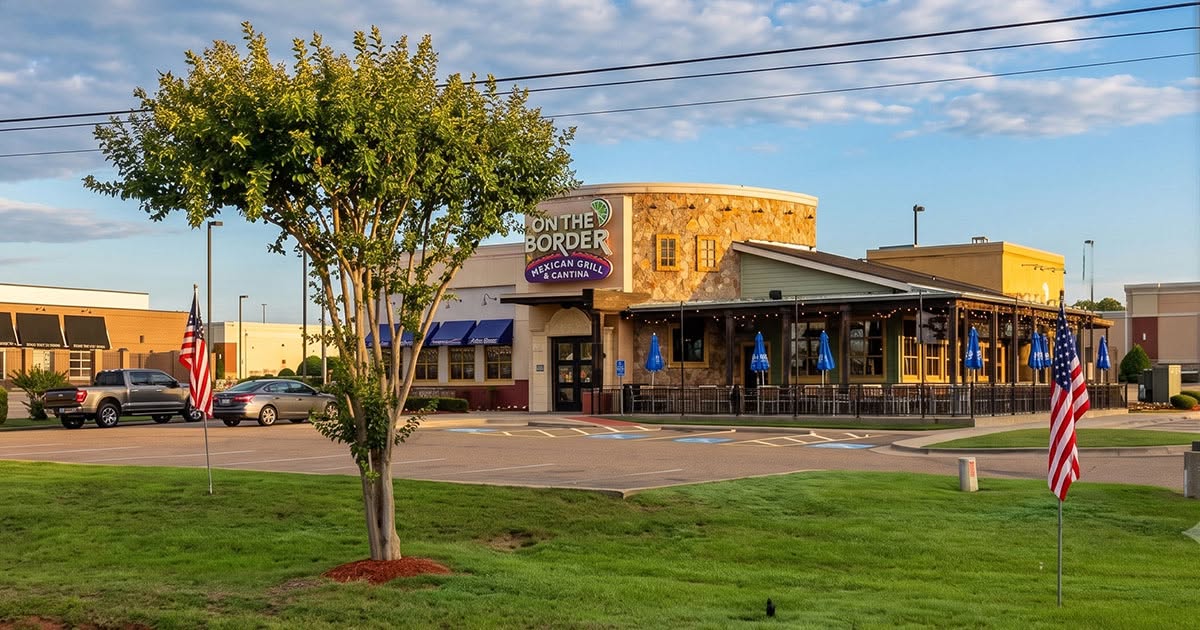
On The Border has been a fixture of Texas dining culture since its founding in Dallas in 1982. Its sizzling fajitas, vibrant margaritas, and classic Tex-Mex dishes are part of the state’s culinary DNA. For generations, families have celebrated birthdays, anniversaries, and graduations at their tables. The closures threaten to erase a recognizable and beloved element of Texas cuisine. Unlike transient restaurant trends, On The Border’s presence has long been interwoven with local identity, making its disappearance feel like a loss of shared heritage.
Texans don’t just eat there; they remember the experiences. From first dates over margaritas to watching children enjoy the kid-friendly menu, On The Border offered consistency and familiarity. Its absence could create a void in the culinary landscape that no newcomer can immediately fill, especially in mid-sized towns where Tex-Mex options are limited.
Job Losses Across Multiple Cities
Each On The Border location employs dozens of staff members, including servers, bartenders, hosts, line cooks, and managers. The sudden closures put hundreds of jobs at risk, forcing employees to scramble for new employment in an increasingly competitive restaurant labor market. In smaller cities, this is particularly devastating because alternative full-service dining jobs are limited.
Job loss also has a domino effect on families. Many employees rely on tips to supplement income and cover household expenses, from rent and utilities to childcare and transportation. Losing a predictable income disrupts family routines and can trigger broader financial stress, affecting education, health, and quality of life.
Disruption to Local Suppliers and Vendors
On The Border’s closure affects more than the restaurant floor. Local suppliers, food distributors, cleaning services, beverage companies, and maintenance contractors depend on steady orders from the chain. When these locations shut down, these businesses face sudden revenue loss.
For instance, produce vendors supplying fresh ingredients like peppers, onions, and cilantro, or local bakeries providing tortillas and bread, may need to find new clients quickly. The ripple effect extends to small, often family-run businesses that are integral to Texas’s regional economy. The closures highlight how a single restaurant chain supports a complex network of local commerce beyond just diners.
Fewer Social Gathering Spots
Texans often use On The Border as more than just a place to eat; it is a space for social connection. Families celebrate milestones, coworkers gather for after-work meals, and friends meet for casual nights out. Losing these familiar spaces removes convenient, communal venues for shared experiences.
This is especially impactful in suburban and mid-sized town markets where casual Tex-Mex dining options are fewer. Residents now must seek alternatives that may be farther away, more expensive, or less welcoming. The closures disrupt not just mealtimes, but the social fabric that links communities together.
Decline in Mall and Shopping Center Traffic
Many On The Border locations are positioned near malls, shopping centers, and commercial hubs. These restaurants are often anchors that drive foot traffic to other businesses. When a location closes, the surrounding retail ecosystem suffers.
Smaller shops, boutiques, and services benefit from customers who arrive for dinner and browse stores. With the chain disappearing, shopping centers may see reduced patronage, affecting sales for independent retailers and potentially weakening the long-term viability of nearby businesses.
Reduced Access to Affordable Tex-Mex Dining
On The Border has long offered a balance between quality and affordability, appealing to families, college students, and casual diners. Its disappearance limits mid-range Tex-Mex options, leaving families with fewer affordable alternatives.
Many loyal customers now face a choice: spend more at higher-end restaurants, settle for fast food, or drive longer distances for familiar Tex-Mex flavors. This shift disproportionately affects households that rely on consistent, reasonably priced dining experiences for weekly meals and celebrations.
Disruption for Regular Patrons and Traditions
For many Texans, On The Border was a routine weekly visit, an annual tradition, and predictable meals. Losing these locations interrupts those routines. The sense of reliability is gone, and customers must adapt to new restaurants that may not match the menu, pricing, or ambiance they’ve known for decades.
Regular patrons who celebrated milestones at specific locations may feel a sense of loss akin to the closure of a neighborhood landmark. Beyond food, these closures impact sentimental ties to community and memory, creating a subtle but profound emotional effect.
Broader Economic Impacts on Local Communities
The economic impact of closures extends beyond immediate employees and suppliers. Restaurants contribute to local taxes, utility payments, and civic engagement. Each closure diminishes municipal revenue streams and reduces funds that support local programs, events, and infrastructure.
Communities also lose opportunities for internships, part-time student jobs, and early employment experience. The cascading effect can affect education, social programs, and overall community vitality, leaving a lasting mark on towns and cities across Texas.
Emotional and Cultural Loss
Tex-Mex cuisine is a cornerstone of Texas identity. On The Border, with its festive décor and signature dishes, has long symbolized more than dining; it represents cultural continuity. Its absence carries emotional weight.
Residents associate the brand with childhood memories, first dates, family traditions, and the comfort of familiar flavors. Closing these restaurants diminishes the shared cultural touchstones that help define local Texan life. In many communities, it’s more than a restaurant; it’s a symbol of home and community pride.
Challenges for Aspiring Tex-Mex Restaurateurs
On The Border has served as a model for emerging Tex-Mex entrepreneurs, offering lessons in operations, menu design, and customer service. With these locations shutting down, up-and-coming restaurateurs lose a benchmark for best practices and brand management.
Local chefs and small-business owners benefit from observing how a recognizable chain balances flavor, pricing, and consistency. The chain’s decline removes a live example of Tex-Mex branding and operational strategy, potentially making it harder for new concepts to thrive in the same markets.