The Iran deal may calm Wall Street, but it will not instantly calm the family budget. For millions of Americans, the real question is not whether oil traders feel better today. It is whether filling the tank will stop feeling like a weekly punishment.
We are watching a familiar American frustration play out again. Prices rise quickly when trouble hits, but relief comes slowly as the danger begins to fade. Even if global oil prices fall, drivers, truckers, small businesses, and families may still be stuck paying more for months.
Gas Prices May Not Fall As Fast As Oil Prices
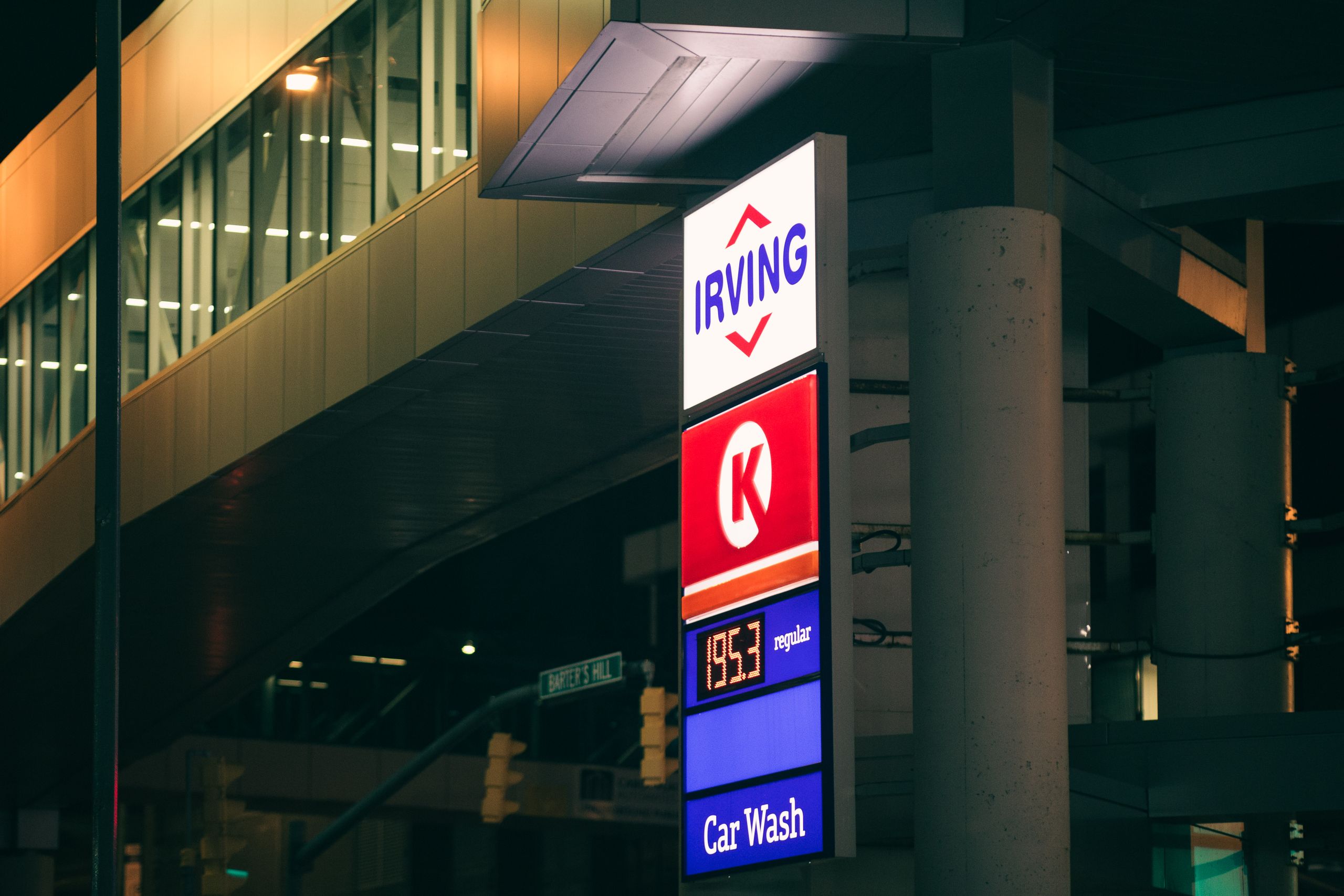
Oil prices can drop in minutes after major news breaks, but gas prices rarely move that quickly. The pump price Americans see is tied to crude oil, refining, delivery, taxes, storage, local competition, and the price stations already paid for fuel.
That means drivers can hear that oil is falling and still see ugly numbers at the gas station. This gap creates real anger because people feel like prices rise the moment there is bad news, then fall after good news.
For working Americans, that delay matters. A few extra dollars per fill-up may not sound dramatic in Washington or on Wall Street, but it adds up fast for commuters, delivery drivers, parents, and anyone who cannot simply drive less.
The Strait of Hormuz Is Still a Global Weak Spot
The Strait of Hormuz remains one of the most important oil routes in the world. When tension rises there, fuel markets around the globe start pricing in fear.
Even after a deal, shipping companies will not treat the waterway like nothing happened. Tanker operators, insurers, and energy firms need confidence that the route is truly safe before normal traffic fully returns.
That uncertainty can keep fuel prices higher than Americans expect. A signed agreement may reduce panic, but it does not erase the risk premium overnight.
Tankers Move Too Slowly To Bring Quick Relief
Americans are used to fast news and instant updates, but the oil system moves at the speed of ships, ports, refineries, and contracts. A tanker stuck near the Persian Gulf cannot magically deliver cheaper crude to a U.S. refinery the next morning.
These vessels take time to load, sail, unload, and return. If shipping was delayed during the crisis, the backlog has to clear before the market feels normal again.
That slow movement is one reason pump prices may stay stubborn. The world can announce a deal in one day, but it may take weeks or months for the fuel supply chain to catch up.
Insurance Costs Could Keep Pressure On Fuel
War risk does not disappear just because leaders shake hands or announce a breakthrough. Insurance companies still have to decide how risky it is to cover ships moving through sensitive waters.
If insurers believe the Strait of Hormuz remains dangerous, they may keep premiums high. Those higher costs can raise the price of transporting crude oil.
Americans may never see those insurance costs listed on a gas receipt, but they can still feel them. Hidden costs often travel quietly through the system until they land at the pump.
Refineries cannot fix the problem overnight.
Crude oil is only the beginning of the fuel story. It still has to be refined into gasoline, diesel, jet fuel, and other products Americans use every day.
Refineries work on schedules, supply contracts, maintenance plans, and regional fuel rules. If crude deliveries were disrupted, refiners may need time to rebuild supply and run at stronger levels.
That delay can keep gasoline and diesel prices elevated. Even when crude gets cheaper, drivers may not feel relief until enough finished fuel reaches local markets.
Diesel Prices Could Keep Rising Every Day. Costs
Gasoline gets most of the attention because regular drivers buy it often. Diesel, however, may be the bigger warning sign for the broader economy.
Diesel powers trucks, delivery fleets, farm equipment, construction crews, freight systems, and parts of the supply chain that keep American life moving. When diesel stays expensive, the cost of moving goods stays expensive too.
That can show up in grocery prices, shipping fees, home repair bills, restaurant costs, and retail prices. Even Americans who drive less can still pay more when diesel remains high.
Small Businesses Could Feel The Worst Squeeze
Big companies often have more room to absorb fuel shocks. Small businesses usually do not. Landscapers, plumbers, contractors, food trucks, delivery companies, mobile cleaners, farmers, and local service providers often depend on vehicles every day. When fuel prices stay high, their profit margins shrink quickly.
Many of these businesses face a brutal choice. They either raise prices and risk losing customers or eat the cost and watch their income fall. That is why high fuel prices are not just a driver problem. They are a Main Street problem.
Summer Travel Could Stay More Expensive
The timing is especially painful because summer travel puts extra pressure on fuel demand. Families planning road trips, airport runs, beach weekends, and visits to relatives may still face higher costs.
Even if crude prices ease, strong seasonal demand can slow the drop at the pump. Gas stations in travel heavy areas may have less reason to cut prices quickly when customers keep showing up.
For families already dealing with higher rent, groceries, insurance, and credit card bills, fuel costs can force hard choices. A summer trip that once felt normal may now feel like a luxury.
Americans May Be Stuck Waiting For Proof, Not Promises
The most frustrating part is that fuel markets do not trust promises alone. They wait for proof. They need proof that the Strait of Hormuz is open. Proof that tankers can move safely. Proof that producers are restarting. Proof that refineries are receiving enough crude. Proof that the deal can survive more than a few news cycles.
Until that proof becomes visible, fuel prices may stay higher than many Americans hoped. The Iran deal may be good news, but for drivers staring at the pump, the pain may not end as quickly as the headlines suggest.