American households are not just fighting high grocery prices at the checkout line. We are also losing money after the groceries get home.
A carton of milk goes sour, lettuce turns slimy, bread grows mold, chicken gets forgotten in the fridge, and leftovers become a science experiment behind the orange juice.
It feels harmless in the moment, but food waste in America has become one of the most expensive habits hiding inside ordinary kitchens.
The painful part is that most of this waste does not come from people being careless on purpose. It comes from rushed shopping, confusing labels, oversized packages, busy schedules, and the quiet belief that buying more food means being prepared. Instead, many families are paying for meals they never eat. These are the wasteful habits draining American wallets one trash bag at a time.
We Keep Buying Groceries Like Life Will Go Perfectly

One of the biggest food waste mistakes Americans make is shopping for the fantasy version of the week. We buy salad kits because we picture healthy lunches. We grab chicken breasts because we imagine home cooked dinners. We add fruit, yogurt, vegetables, sandwich meat, and fresh herbs to make the cart look responsible.
Then real life barges in. Work runs late, kids ask for something different, traffic steals the evening, takeout feels easier, and the fresh food waits in the fridge like an unpaid bill. By the time we remember it, half the groceries have crossed from useful to questionable.
This is why food waste in America is so relatable. Most families are not throwing away food because they enjoy wasting money. They are throwing it away because grocery shopping often reflects ambition rather than reality. A cheaper, smarter cart starts with the week we actually have, not the week we wish we had.
We Treat Food Date Labels Like Emergency Warnings
Many Americans throw away food because the package date scares them. A carton says “best by,” a jar says “use by,” or a package says “sell by,” and suddenly perfectly usable food feels dangerous. That fear sends milk, yogurt, eggs, cereal, canned goods, and pantry staples into the trash too early.
The problem is that many date labels focus on quality rather than automatic safety. A product may taste best before a certain date, but that does not always mean it becomes unsafe the next morning. Smell, texture, mold, packaging damage, and proper storage often tell a better story than the printed date alone.
This confusion costs families money because it turns caution into waste. Nobody should gamble with spoiled food, especially meat, dairy, seafood, or anything that smells wrong. But learning the difference between peak freshness and true spoilage can keep more food on the table and less money in the trash.
We Let Bread Die on the Counter

Bread is one of the most commonly wasted foods in American kitchens because it feels cheap, simple, and replaceable. A loaf lands on the counter with good intentions, then the household eats half of it before the rest turns dry, stale, or moldy. By the next grocery run, another loaf replaces it, and the cycle starts again.
This waste feels small because bread does not look like a luxury item. But repeated every week, even a few wasted slices add up. Toast, sandwiches, breadcrumbs, croutons, breakfast casseroles, French toast, and freezer storage can stretch bread much further than most households realize.
The freezer is the easiest fix. If a family knows it will not finish a loaf in a few days, freezing half of it protects the money already spent. That one habit can save food without changing the family’s meals.
We Buy Lettuce Like It Has a Long Shelf Life
Lettuce is one of the biggest heartbreakers in the fridge. It looks crisp and promising at the store, then somehow becomes wet, limp, and brown before anyone makes the second salad. Bagged lettuce and salad greens are especially easy to waste because they often need to be used quickly and stored carefully.
The problem gets worse when people buy greens as a symbol of eating better, not as part of a real meal plan. A bag of lettuce without a meal plan is not a plan. It is a countdown. If nobody knows when it will be used, it usually ends up forgotten under heavier produce.
We can waste less by treating delicate greens like urgent groceries. They should be used early in the week, stored with moisture control, and added to more than salads. Lettuce can go into wraps, sandwiches, bowls, tacos, and quick lunches before it turns into another sad fridge casualty.
We Waste Milk Because We Store It Wrong
Milk waste is another familiar American kitchen problem. Many households keep milk in the refrigerator door because it is convenient, but the door is often warmer than the back of the fridge. That small storage choice can shorten shelf life, especially in busy homes where the door opens frequently.
Milk also gets wasted when families buy larger containers to save money, then fail to finish them. The gallon looks like the better deal at the store, but it is only cheaper if people drink it before it spoils. A smaller carton that gets finished can be a smarter buy than a larger one that ends up sour.
The fix is practical, not dramatic. Store milk in the colder part of the fridge, buy the size that matches real usage, and plan around it before it expires. Pancakes, oatmeal, sauces, smoothies, and baking can help use it before the smell test becomes bad news.
We Forget Leftovers Until They Become Trash

Leftovers are supposed to save money, but in many homes, they simply delay waste. Dinner goes into a container, the container goes into the fridge, and the fridge slowly turns it invisible. A few days later, nobody remembers what it is or when it was cooked.
This happens because leftovers often lack a second purpose. People get bored eating the same meal twice, especially when it looks less appealing the next day. Without a plan, leftovers become clutter instead of savings.
A better habit is to give leftovers a job immediately. Roast chicken can be turned into tacos, soup, pasta, or sandwiches. Rice can be made into fried rice or a grain bowl. Vegetables can go into omelets, wraps, casseroles, or quick lunches. Leftovers need a future, or they usually become waste.
We Fall for Bulk Deals That Do Not Match Our Lives
Bulk buying can save money, but it can also create expensive waste. Warehouse stores and family-size packages make shoppers feel smart because the price per unit looks lower. The trap appears later when the household cannot finish the food before it spoils.
This is especially risky with fresh produce, meat, dairy, bread, and prepared foods. A large bag of spinach is not a bargain if half of it turns slimy. A huge package of chicken is not a deal if it sits too long in the fridge. Buying more only saves money when the household has a clear plan for cooking, freezing, or sharing it.
The smarter question is simple. Will we finish this in time? If the answer is uncertain, the smaller package may be the cheaper choice. Real savings come from food eaten, not food purchased.
We Ignore the Freezer Until It Is Too Late
The freezer is one of the most underused tools for reducing food waste in American homes. Many families wait until food is close to spoiling before considering freezing it. By then, texture, smell, and confidence may already be gone.
Freezing works best as an early decision. Bread can be frozen before it molds. Meat can be portioned and frozen the same day it is bought. Fruit can be sliced and frozen for smoothies. Cooked meals can be frozen in single portions for rushed nights.
This habit also helps with grocery inflation. A freezer gives families more control over sales, leftovers, and busy schedules. It turns food into future meals instead of future trash.
We Let the Fridge Become a Food Graveyard
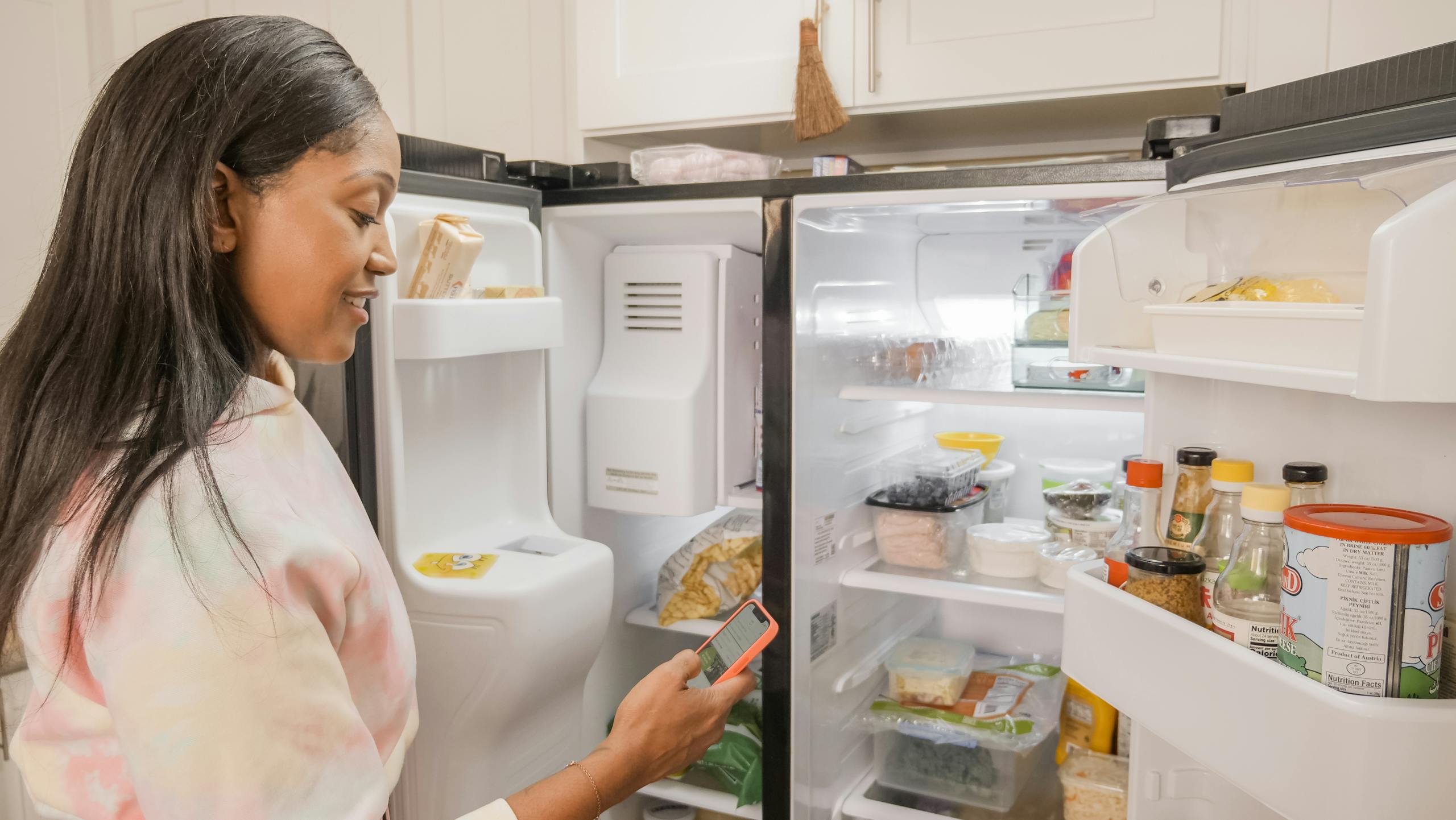
A messy fridge is one of the quietest causes of food waste. When food gets hidden behind jars, takeout boxes, drinks, and half-used containers, people forget what they already bought. Then they buy duplicates, ignore older items, and discover spoiled food during the next cleanout.
Visibility matters because people eat what they see. A clear “use first” area can change the entire rhythm of a kitchen. Foods near their expiration, leftovers, cut fruit, opened dairy products, and fragile produce should be placed where everyone can see them.
A weekly fridge check can save more money than a coupon. Before shopping, we should open the fridge, scan the pantry, check the freezer, and build meals around what is already waiting. The cheapest grocery item is the one already paid for.
Conclusion
Food waste in America hurts because it is so ordinary. It does not arrive as one huge financial mistake. It shows up as moldy bread, sour milk, slimy lettuce, forgotten chicken, untouched leftovers, and bulk deals that never became meals. By the time the trash goes out, the money is already gone.
The good news is that families do not need a perfect kitchen to waste less. We can shop for real schedules, understand date labels better, freeze food sooner, store groceries correctly, use leftovers creatively, and check the fridge before buying more. Those small habits can protect household budgets without making life harder.
At a time when grocery prices already feel heavy, throwing away edible food is one cost Americans can fight back against. The smartest move is simple: stop letting the trash can eat first.