Some relationships feel built on quicksand, promising stability while quietly eroding trust and happiness. In 2026, the pressures of social media, politics, and constant digital noise have turned even the strongest bonds fragile.
These eight harsh truths reveal how modern life can quietly sabotage connections and why awareness is your first defense. Understanding these pitfalls is critical if we want to preserve love and sanity amid the chaos of today.
Digital Obsession Eats Away Intimacy

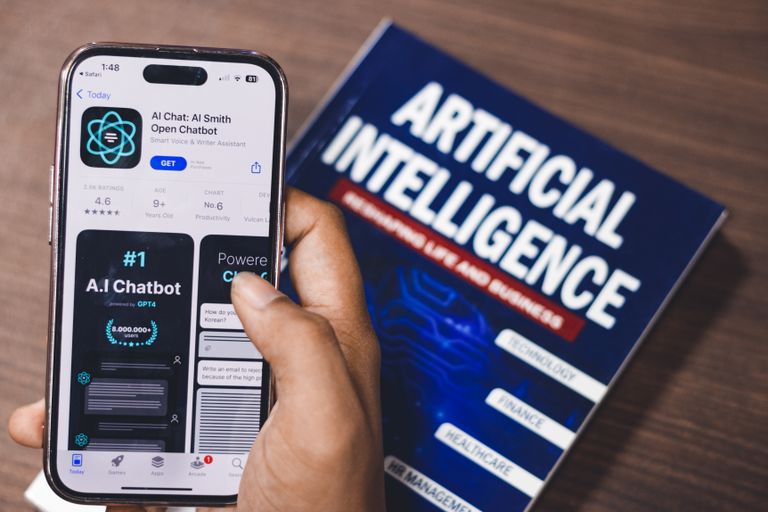
Constant notifications, endless scrolling, and public displays of life online have created a culture where presence is optional, but distraction is mandatory. Partners spend more time curating perceptions than connecting in reality, and this lack of attention slowly erodes emotional intimacy.
The digital world amplifies insecurities and creates comparison traps, leaving couples frustrated and distant. Recognizing this pattern is essential to reclaiming focus, conversation, and true companionship. Technology has replaced meaningful moments with superficial interactions, making every pause in texting feel like silence that cannot be filled.
Couples are less likely to engage in unstructured, quality time that fosters shared memories. The danger is subtle but persistent, as emotional neglect disguised as busyness accumulates unnoticed. Those who fail to disconnect risk drifting into a relationship that feels hollow despite physical proximity.
Political Tensions Invade Private Life
Politics has become a defining factor in identity, and this intensity spills into private relationships. Clashing viewpoints or public disagreements can create stress and resentment that linger long after discussions end.
Couples find themselves arguing over beliefs rather than shared values, turning homes into battlegrounds instead of safe havens. Understanding boundaries around politics is crucial to preventing disagreements from escalating into permanent emotional damage.
Even minor differences can be magnified by news cycles and social media posts, making compromises harder to reach. Heated conversations leave lasting impressions that affect trust and emotional safety.
Without careful navigation, political friction can poison otherwise healthy bonds. Couples must create space to respect differing perspectives while preserving connection and empathy.
Social Comparison Creates Unnecessary Pressure
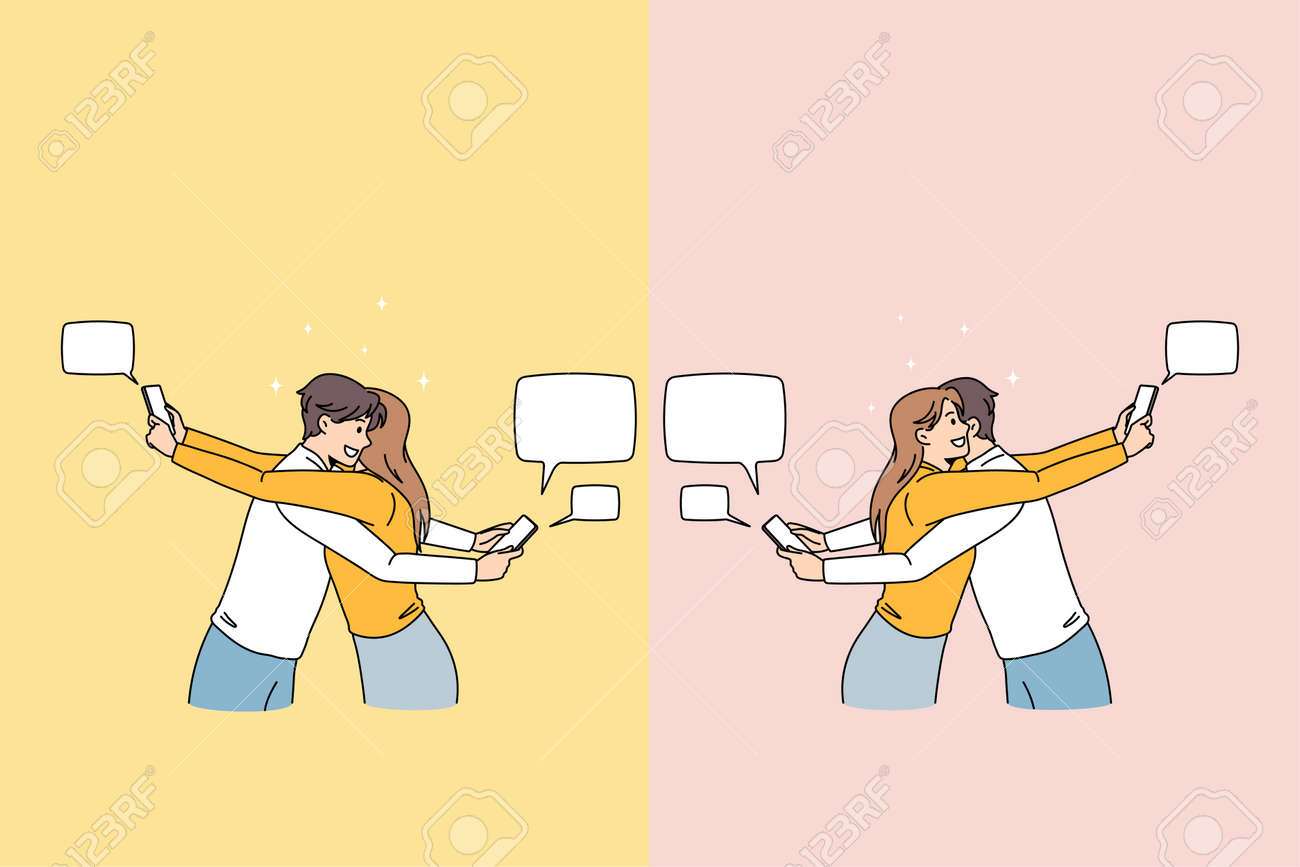
Social media exposes relationships to constant evaluation against curated snapshots of others’ lives. Couples often measure themselves against glamorous portrayals of love, creating unrealistic expectations.
This comparison breeds dissatisfaction and amplifies insecurities about appearance, lifestyle, and affection. Recognizing the distorted nature of these comparisons is essential to avoiding unnecessary conflict and disappointment.
The pressure to match a perceived ideal erodes authenticity and encourages performative gestures. Partners may adopt behaviors that please external audiences rather than foster a real connection. Over time, this misalignment leads to frustration and emotional burnout. Awareness and open conversation are key to resisting the toxic influence of social comparison.
Lack of Emotional Literacy Undermines Communication

Many modern couples struggle to identify, express, and regulate emotions effectively. Without these skills, small conflicts can escalate, and unspoken resentments accumulate unnoticed. Partners may react defensively rather than engage constructively, creating cycles of misunderstanding.
Building emotional literacy is essential to maintaining trust, preventing recurring arguments, and fostering intimacy. The consequences of poor emotional awareness extend beyond disagreements, affecting empathy, patience, and responsiveness.
Relationships fail not from the absence of love but from the inability to navigate emotions collectively. Investing time and effort into emotional education strengthens bonds and prevents subtle decay. Couples who ignore this skill risk ongoing tension and eventual disconnection.
Infidelity Has Evolved Into Digital Forms
Cheating is no longer limited to physical interactions, as emotional infidelity and online connections create new hazards. Texting, private chats, and virtual flirtation can undermine trust while appearing harmless to outsiders. These behaviors introduce secrecy, guilt, and distance, slowly weakening the foundation of loyalty.
Awareness and open dialogue about boundaries are essential to prevent invisible betrayals from becoming destructive patterns. Digital infidelity often begins innocuously, with curiosity or attention-seeking escalating into deeper involvement.
Partners may struggle to recognize the breach until emotional damage is already done. Prevention requires active communication, transparency, and self-reflection. Ignoring the evolving nature of infidelity invites profound relational consequences.
Financial Strain Fuels Constant Conflict

Money remains one of the most hazardous triggers in modern partnerships, amplified by debt, lifestyle expectations, and unequal earnings. Financial disagreements can quickly become sources of tension and blame, eroding trust and cooperation.
Couples under economic pressure are more likely to experience emotional distance and reduced satisfaction. Facing financial realities together with honesty and planning is vital to sustain harmony. Material pressures are intensified by social media exposure and cultural expectations that demand comparison and consumption.
Unaddressed financial stress quietly impacts intimacy, patience, and emotional availability. Strategic communication about resources, goals, and priorities reduces the risk of resentment. Ignoring financial compatibility and planning can quietly sabotage long-term happiness.
Mental Health Challenges Ripple Through Relationships
Anxiety, depression, and burnout are pervasive in modern life and exert hidden pressure on connections. Partners often absorb each other’s stress, leading to emotional exhaustion and misunderstandings. Untreated mental health concerns magnify conflicts, reduce empathy, and impede healthy problem-solving.
Recognizing the integral role of individual mental health in relational health is criticalfor survival in the intense conditions of modern life. Mental health struggles can create cycles of blame or withdrawal, weakening support structures.
Relationships require consistent effort to provide space for healing and recovery. Failure to address mental well-being can turn temporary stress into long-term relational instability. Awareness, therapy, and proactive care safeguard both partners from the hidden erosion of connection.
Unbalanced Priorities Replace Commitment With Convenience

Modern relationships are increasingly shaped by convenience and short-term satisfaction rather than sustained commitment. Career ambitions, personal projects, and lifestyle preferences often take precedence over shared growth. This imbalance can erode loyalty and create emotional gaps that are hard to bridge.
Evaluating priorities and aligning them with relationship goals is essential to prevent long-term dissatisfaction. Commitment involves daily investment in communication, compromise, and shared experiences.
Neglecting these foundations leads to gradual emotional withdrawal and relationship fragility. Couples must intentionally prioritize partnership over convenience to maintain intimacy and mutual support. Ignoring this truth accelerates the decay of otherwise healthy connections.
Conclusion
The landscape of modern relationships in 2026 is harsh, complicated by social media, politics, financial pressures, mental health challenges, and evolving norms. Each of the eight truths outlined highlights areas where awareness, intention, and communication can prevent subtle decay from becoming irreversible damage.
Love survives not because it is easy but because it is deliberate, responsive, and rooted in mutual respect and effort. Avoiding these pitfalls requires vigilance, honesty, and commitment to building connection in a world that constantly threatens to pull it apart. Embracing these lessons equips partners to navigate modern hazards with foresight rather than regret.
Relationships require continuous work, understanding, and prioritization of emotional well-being over convenience or external pressures. Those who act with clarity and care protect their bonds from destruction and create sustainable love that thrives despite the challenges of contemporary life.