Vegetables have a powerful reputation. Once a food lands in the produce aisle, it almost feels automatically innocent. We see green, crunchy, fresh, or plant-based, and we assume the body is getting something deeply nourishing.
That is not always how it works. Some vegetables are mostly water, some are starchy, some come packed with sodium, and some become far less healthy after frying, salting, buttering, or processing. The issue is not that these foods are evil. The issue is that they often get more credit than they deserve. A smarter diet starts with honesty. Not every vegetable needs to be treated like a nutrition hero, and some should not be the main thing we rely on when building a healthy plate.
Iceberg Lettuce
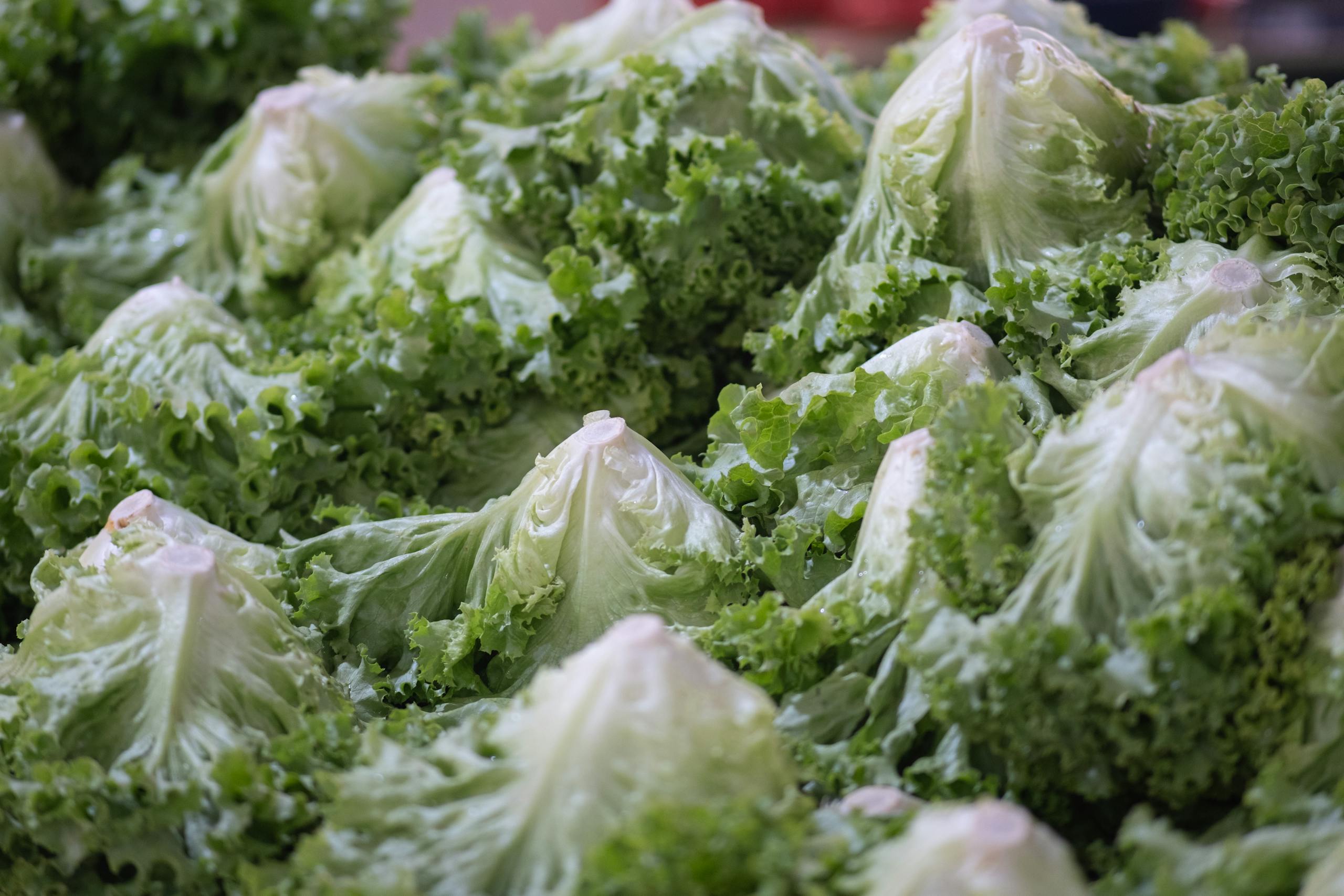
Iceberg lettuce is the classic example of a vegetable that looks healthier than it really is. It brings crunch, freshness, and that clean salad feeling people love, but it does not offer much nutritional depth. Most of its appeal comes from water and texture, not from a strong supply of vitamins, minerals, or fiber.
That is why a big bowl of iceberg can feel like a healthy meal without actually giving the body much to work with. It can still be useful in sandwiches, wraps, tacos, and burgers, but it should not fool anyone into thinking it is a powerful leafy green. When an iceberg becomes the main vegetable on the plate, the meal may look healthier than it really is.
Celery
Celery has been riding on its diet-food reputation for decades. It is crisp, low in calories, and easy to snack on, which makes it seem like one of the cleanest foods around. The problem is that celery is mostly water and does not bring much nutritional value compared with more nutrient-dense vegetables.
People often overrate celery because it feels so light. A few stalks may make a snack plate look responsible, but they do not provide much energy, protein, or serious nourishment. Celery can add crunch to soups, salads, and dips, but it should not be treated like a major health upgrade.
Cucumbers
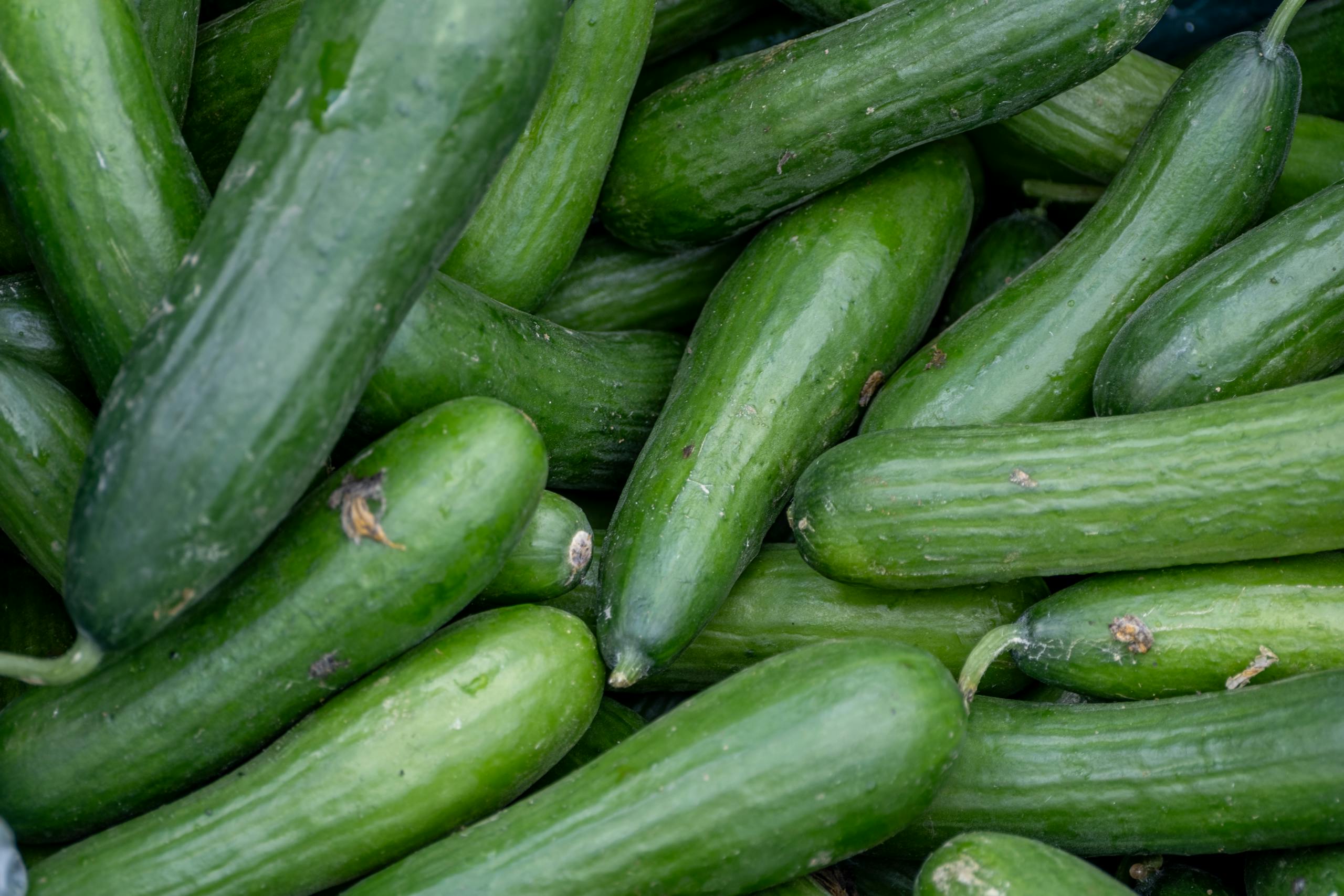
Cucumbers feel fresh, cool, and almost spa-like, which gives them a strong health image. They are great for hydration and add a pleasant crunch to salads, sandwiches, and water. Still, their nutritional value is fairly limited because they are mostly water.
That does not make cucumbers bad, but it does make them easy to overpraise. A cucumber-heavy salad can look clean and refreshing while offering little fiber, protein, or lasting fullness. They work best as a light addition, not as the main vegetable doing the heavy lifting in a meal.
White Potatoes
White potatoes are not automatically unhealthy, but they are one of the easiest vegetables to turn into a problem. A plain potato can offer potassium, vitamin C, and fiber when eaten with the skin. The trouble starts when potatoes are fried, salted, mashed with butter, stuffed with cheese, or turned into chips.
This is where the health halo falls apart. Most people do not struggle with plain boiled potatoes. They struggle with fries, loaded baked potatoes, creamy casseroles, and oversized portions. Because potatoes are starchy, they can also crowd out lighter, more nutrient-dense vegetables when they take over the plate.
Corn

Corn is sweet, familiar, and comforting, but it is more starchy than many people realize. It often gets treated like a light vegetable side, even though it behaves more like a carbohydrate-rich food. That matters when portions get large or when corn is paired with butter, salt, cream, cheese, or sugary sauces.
Corn also shows up in plenty of processed forms, which makes its health image even more confusing. Corn on the cob is very different from corn chips, creamy corn dishes, or sweetened corn-based snacks. It can belong in a balanced diet, but it should not be mistaken for one of the strongest vegetables on the plate.
Canned Vegetables
Canned vegetables can be affordable and convenient, but many versions come with a hidden drawback: sodium. Some are packed in salty liquid to preserve flavor, texture, and shelf life. That can turn a simple vegetable side into a salt-heavy habit, especially when canned vegetables appear in meals several times a week.
The convenience is real, but so is the nutrition trade-off. Canned vegetables may still contain useful nutrients, yet the added sodium can make them less ideal than they appear. Low-sodium versions are a better option, but regular canned vegetables should not be treated as automatically equal to fresh or frozen produce.
Peas
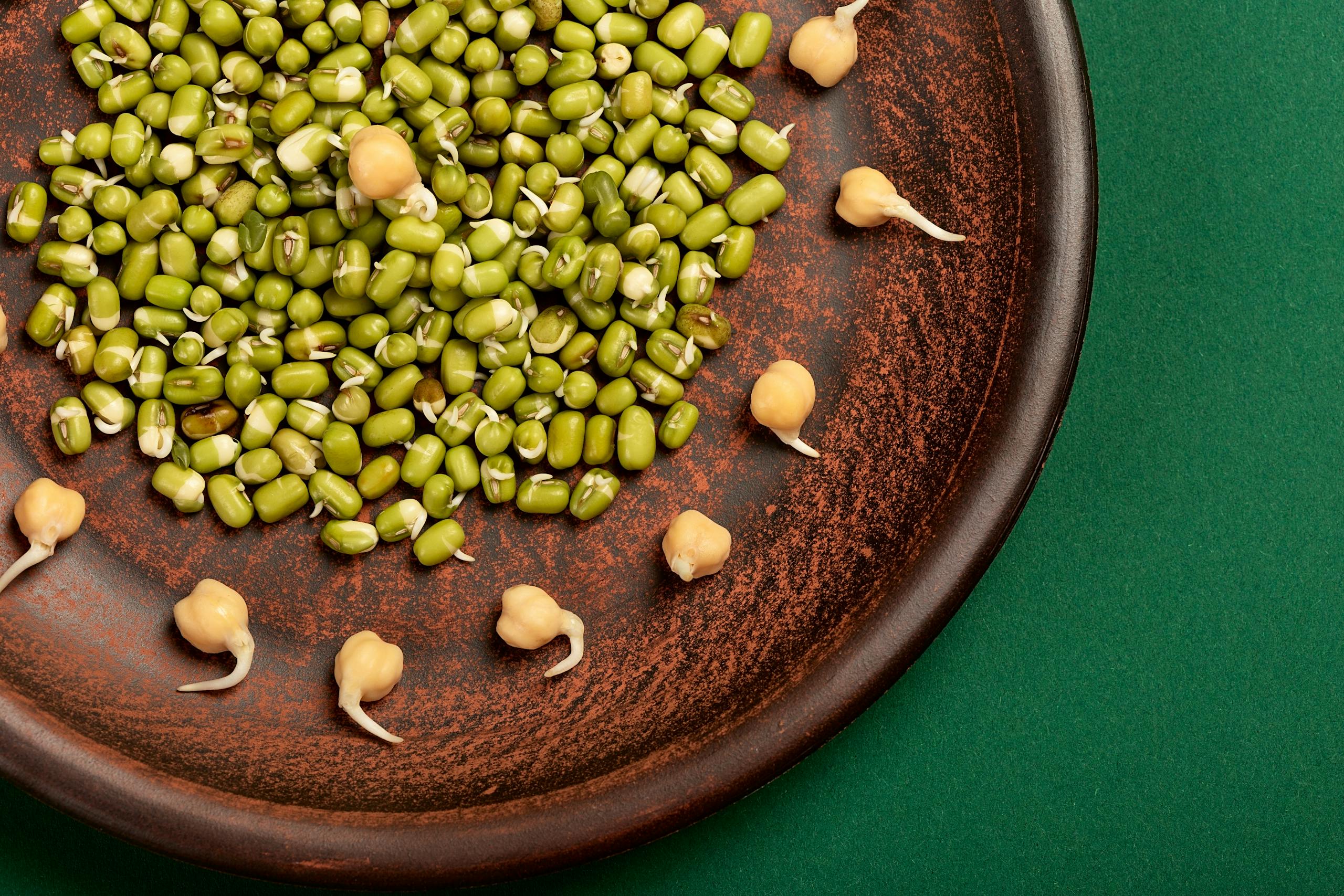
Peas look harmless because they are small, green, and familiar. They do contain fiber and plant-based nutrients, but they are also starchy. That means they should not be treated the same way as lighter vegetables that add volume without bringing as much carbohydrate density.
The problem comes when peas are used as the only green vegetable in a meal. They can make a plate look balanced while still leaning heavily toward starch. A small portion is fine, but peas should not become the default vegetable if the goal is a lighter, more nutrient-packed plate.
Fried Eggplant
Eggplant has a healthy image because it is colorful, plant-based, and common in traditional cooking. It can be a good choice when roasted, grilled, baked, or stewed carefully. The issue is that eggplant absorbs oil very easily, which means fried eggplant can become far heavier than people expect.
This is where many eggplant dishes lose their health advantage. Deep-fried slices, oily stews, and cheese-heavy eggplant casseroles may still contain a vegetable, but they can also carry a lot of added fat and calories. Eggplant is not the problem by itself. The cooking method is usually what turns it into a less healthy choice.
Pickled Vegetables
Pickled vegetables can make a meal taste brighter and more exciting. They add crunch, tang, and sharpness to sandwiches, rice bowls, salads, and wraps. The issue is that many pickled vegetables are high in sodium, especially when eaten often or in large portions.
A few pickled vegetables as a topping can be fine. The problem starts when people treat them like a full vegetable serving without thinking about the salt. Pickled vegetables are better used as a flavor boost than as the main produce on the plate.
Vegetable Chips
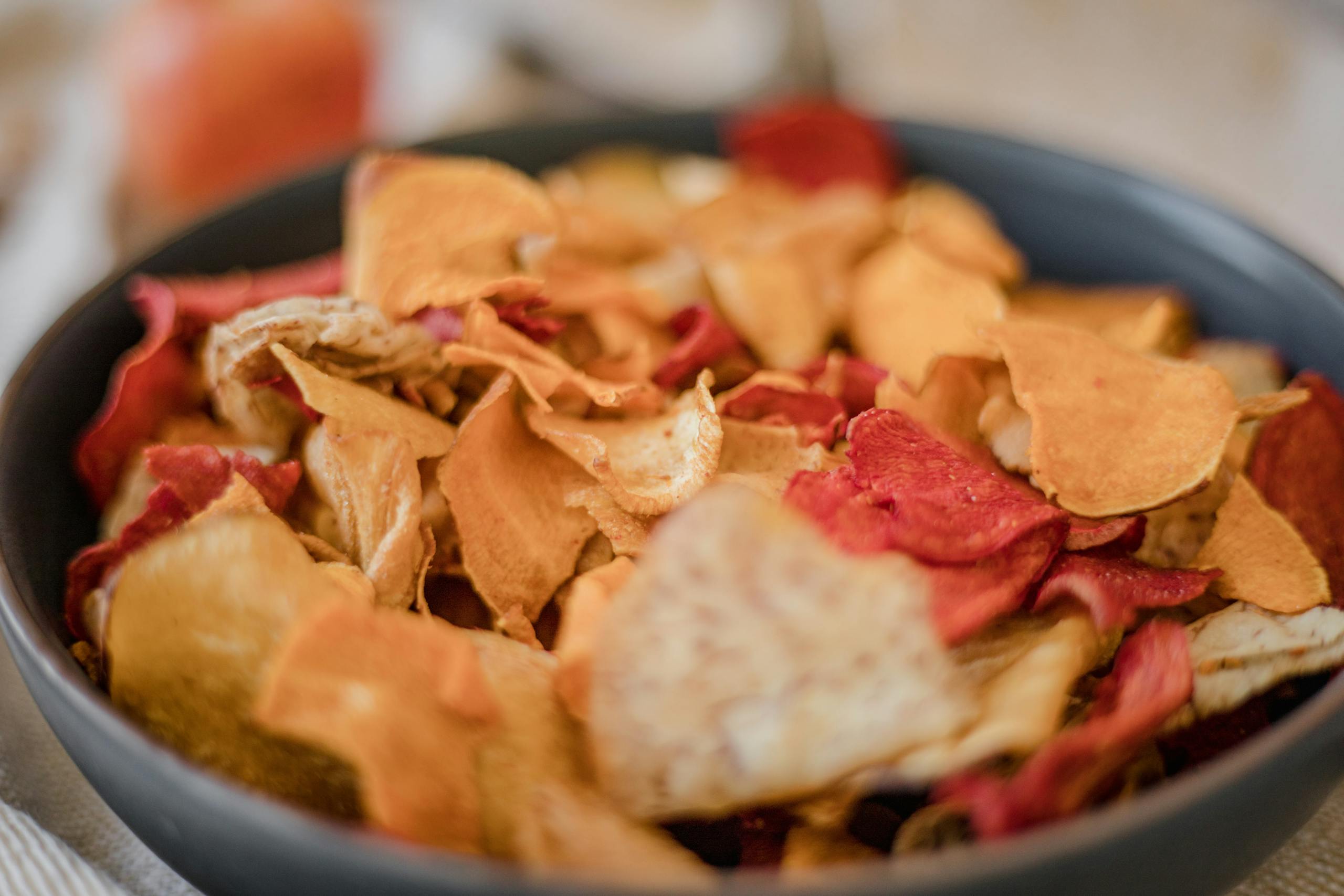
Vegetable chips may be the biggest trick on the snack shelf. The word “vegetable” makes them sound wholesome, but many versions are still salty, oily, and easy to overeat. Beet chips, sweet potato chips, carrot chips, and mixed veggie crisps can look more virtuous than regular chips, but that does not always mean they are much better.
Processing changes the story. Once vegetables are sliced thin, fried or baked with oil, salted, and packaged as snack food, they lose much of the fresh-food advantage people imagine. They may be colorful, crunchy, and fun, but they should not be counted the same way as whole vegetables.
Key Takeaway
The point is not to fear vegetables. It is to stop letting the word “vegetable” do all the work. Iceberg lettuce, celery, cucumbers, potatoes, corn, peas, canned vegetables, fried eggplant, pickled vegetables, and vegetable chips can all fit into a diet in small or occasional amounts.
The problem starts when we treat them like the strongest choices on the plate. Some are too watery to offer much nutrition. Some are starchy enough to need portion control. Some hide sodium, oil, or processing behind a healthy label. The smartest move is to know what each one really brings before giving it too much space in the meal.