Sitting all day does not look dangerous. It looks normal. It looks like answering emails, joining meetings, driving home, eating dinner, and relaxing on the couch because the day has already taken enough from you. That is exactly why it sneaks up on people. The damage does not arrive with sirens. It shows up as stiff hips, tired legs, tight shoulders, lower back pain, poor energy, rising health risks, and a body that slowly gets used to doing less.
We do not need to panic about every chair. We need to stop pretending a full day of stillness is harmless just because we squeezed in one workout or stood up twice. Adults are encouraged to get at least 150 minutes of moderate activity each week, strengthen major muscles at least two days weekly, and spend less time sitting because even light activity can offset some sedentary risk.
Your Legs Stop Doing Their Job

Your legs are not just there to carry you from one room to another. They help pump blood, support circulation, stabilize the body, and keep your metabolism active during the day. When you sit for hours, those large muscles go quiet, and the body loses one of its easiest ways to keep blood and energy moving.
That heavy, restless feeling after a long day at a desk is not your imagination. It is often the result of too much time spent with the lower body folded and inactive. A short walk, a few calf raises, or standing while taking a call can wake the legs back up before stiffness becomes the mood of the whole day.
Your Back Becomes the Office Complaint Department
Back pain often gets blamed on the chair, but the real problem is usually the pattern. Sitting keeps the hips bent, the shoulders rounded, and the spine locked in a narrow position for too long. Even a decent chair becomes a problem when the body has no chance to change shape.
The back then starts speaking for everything else. Tight hips, weak glutes, poor core support, and screen posture all send their complaints to the same place. The better fix is not chasing the perfect sitting position. It is moving often enough that your back does not have to carry the full cost of stillness.
Your Hips Get Tight, and Your Walk Gets Older

Long sitting keeps the hip flexors shortened for hours. Over time, that can make standing, walking, bending, and climbing stairs feel stiffer than they should. The body starts moving with less freedom, and people often mistake that stiffness for aging when it may be a daily routine problem.
Tight hips can also drag the lower back into the fight. When the hips do not move well, the back often compensates. A simple habit of standing more, stretching the front of the hips, walking after long sitting blocks, and strengthening the glutes can make the body feel younger without anything dramatic.
Your Heart Has to Live in a Less Active System
The heart does not work alone. It depends on an active body, moving muscles, healthy circulation, and daily energy use. Too much sedentary time has been associated with higher cardiovascular and overall mortality risk, and public health guidance continues to encourage people to sit less and move more.
This does not mean one long workday ruins your health. The danger comes when sitting becomes the main shape of life. A morning walk, a lunchtime stroll, stairs instead of the elevator, and movement breaks between tasks can turn the heart’s environment from passive to active.
Your Energy Drops Even Though You Barely Moved
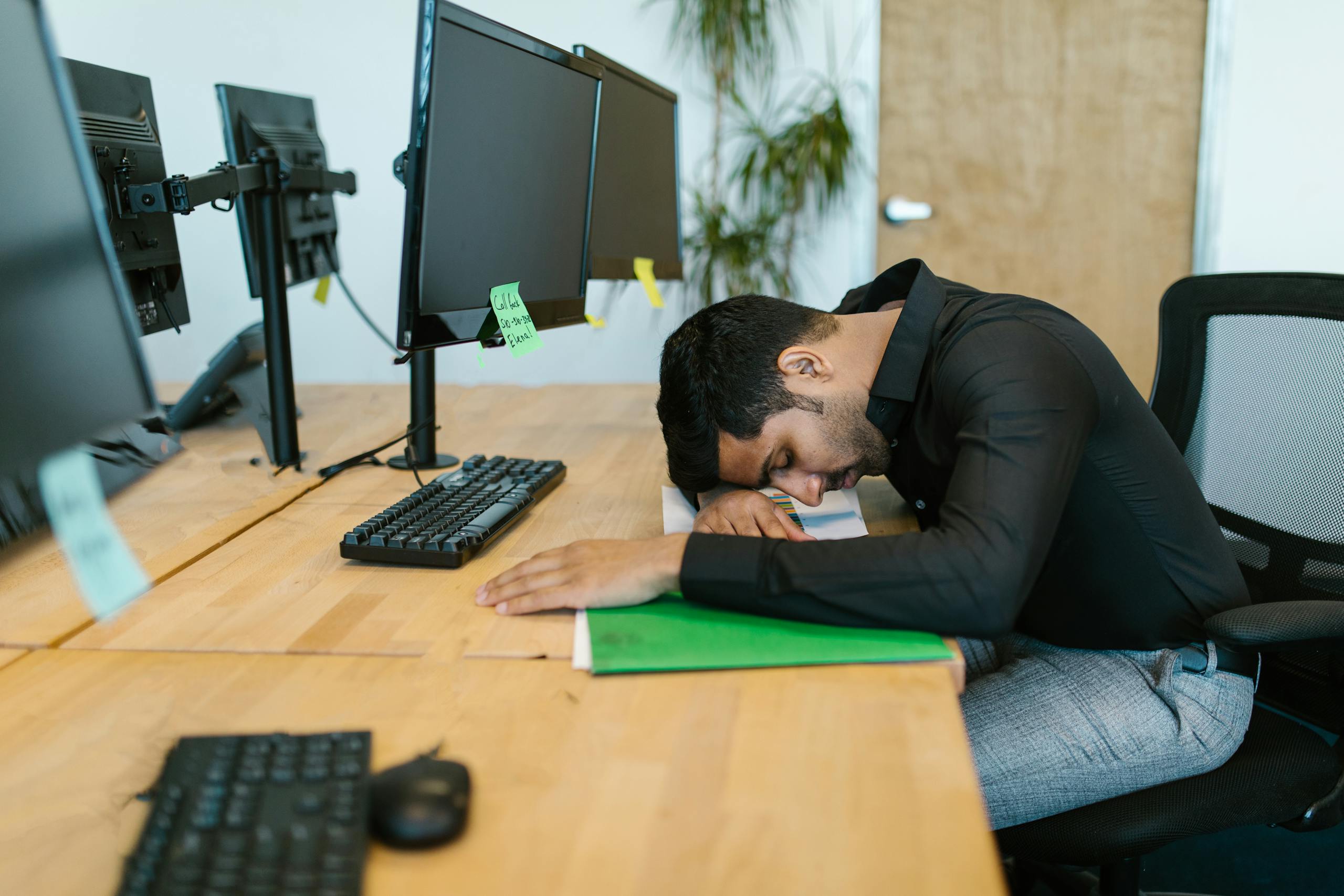
One of the strangest things about sitting all day is how exhausting it can feel. You may not lift anything heavy or walk very far, yet the body feels dull, foggy, and drained. That is because sitting fatigue is different from exercise fatigue. It comes from mental overload mixed with physical underuse.
Movement gives the brain a reset. A few minutes away from the screen can improve alertness, loosen the body, and make the next work block feel less punishing. Another coffee may help for a while, but a quick walk often gives the body what it was actually asking for.
Your Blood Sugar Gets Less Help From Your Muscles
Muscles help the body use glucose. When you move, your working muscles pull sugar from the bloodstream for energy. When you sit for long stretches, that helpful process slows down because the biggest muscles in the body are barely participating.
This is one reason movement after meals can be so useful. You do not need to punish yourself with a hard workout after lunch. A relaxed walk around the block, light chores, or a few minutes of standing and stretching can help the body handle the meal better than sitting motionless until the next task.
Your Shoulders and Neck Start Living Near Your Ears

Desk sitting rarely stays in the lower body. The neck leans forward, the shoulders creep up, and the upper back rounds toward the screen. By the end of the day, the body can look like it has been negotiating with a laptop for eight hours and losing.
The fix starts with awareness, but it cannot end there. Roll the shoulders, stand up, look away from the screen, stretch the chest, and change positions before the tension hardens. The body was not designed to stare at a glowing rectangle with the same posture for half the day.
Your Screen Time Gets Harder to Escape
Sitting all day often blends work time and rest time into one long screen session. First comes the desk. Then comes the commute. Then comes the couch, the phone, the TV, and the late-night scroll. The body changes locations, but the posture barely changes at all.
Real recovery should not look exactly like work with softer lighting. A walk without your phone, a stretch while listening to music, a few chores, or a short evening movement routine can give the nervous system a cleaner break. The body often needs active rest, not more seated stimulation.
One Workout May Not Rescue a Motionless Day
Exercise matters deeply, but it should not be treated like a magic eraser for every hour spent sitting. Health guidance emphasizes both planned activity and reduced sedentary time. The goal is not only to exercise more, but also to break up long periods of sitting.
That is good news because it makes the solution more realistic. We do not have to wait for a perfect gym session to help the body. Small movement snacks across the day can matter: five minutes here, stairs there, a walk after meals, a standing call, and a stretch before the next screen block.
The Easiest Fix Is to Interrupt the Chair

The most useful sitting rule is simple: do not let stillness run the whole day. Set a timer, stand during phone calls, walk after meals, place your water bottle farther away, use stairs, stretch between meetings, and turn short breaks into movement breaks instead of scroll breaks.
The goal is not to become obsessed with movement. It is to make movement normal again. The body responds well to small repeated signals, and those signals add up. Sitting becomes less harmful when it stops being uninterrupted.
Final Thoughts
Sitting all day is dangerous because it feels so ordinary. It hides inside work, travel, entertainment, meals, meetings, and rest until the body quietly adapts to a life with too little motion. The fix does not need to be dramatic. Walk more. Stand more. Stretch more. Break long sitting blocks before they become a full-day pattern.
Choose stairs when you can. Move after meals. Give your back, hips, heart, legs, and mind a reason to wake up. We do not need to hate chairs. We just need to stop letting them control the day. The healthiest routine is not built from one heroic workout. It is built from ordinary movement repeated often enough to remind the body what it was made to do.