A spotless home can still have a dirty secret hiding in plain sight. We may scrub the floors, polish the counters, wipe the bathroom mirror, and still miss the everyday objects that collect the most grime because they look harmless.
The problem is simple. The things we touch, use, step on, sleep on, and clean with often become quiet collection points for bacteria, dust, dead skin, food residue, pet saliva, moisture, and household odors.
These secretly filthy household items do not always look disgusting. Some sit neatly on a countertop, hang beside the bed, rest inside a drawer, or run quietly in the background like hardworking appliances.
That is what makes them easy to ignore. We clean the obvious mess, then forget the invisible buildup.
Soap Dispenser Pumps Get Touched Before Hands Are Clean
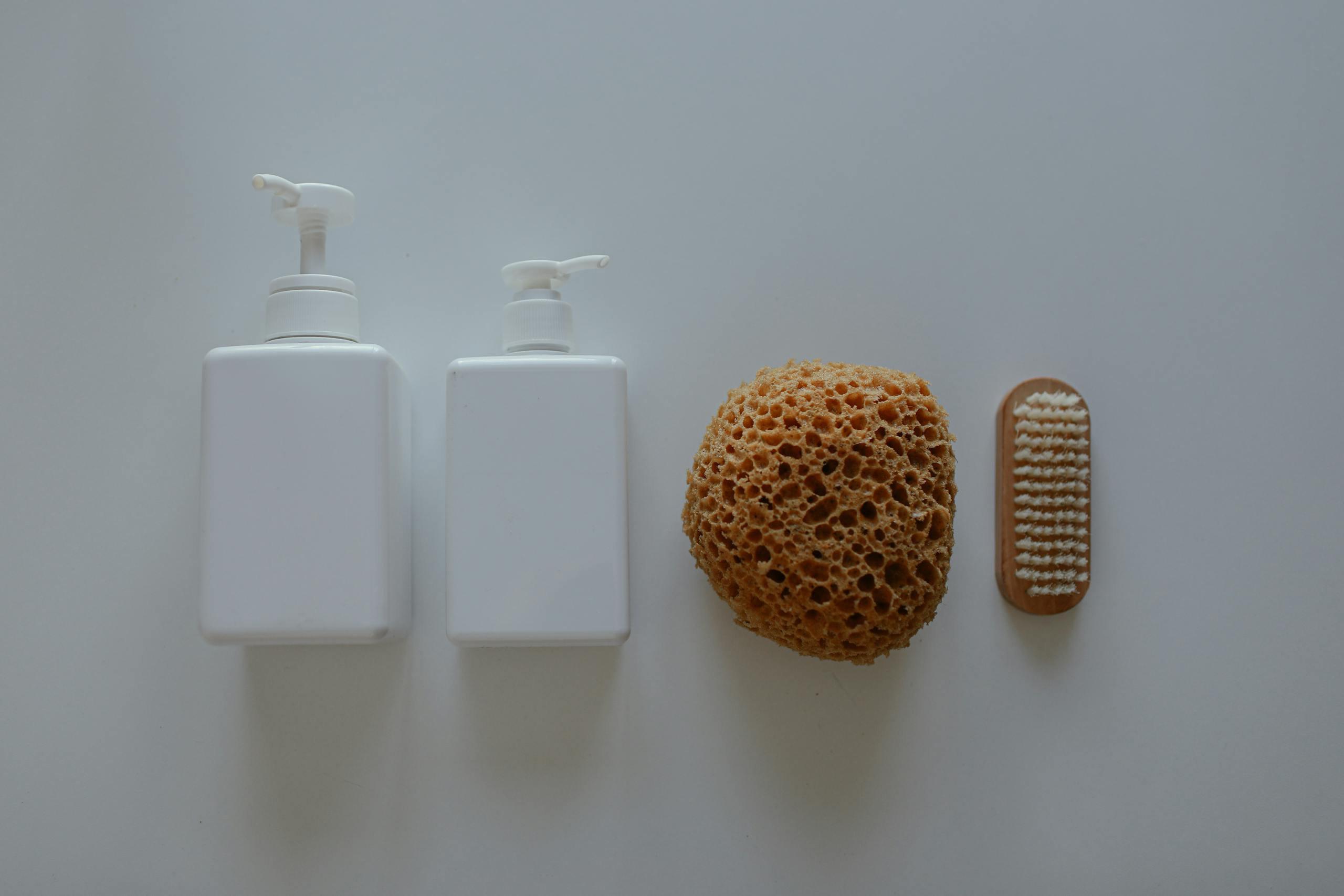
Soap dispenser pumps sit beside the sink like symbols of cleanliness, but they are touched at the dirtiest moment in the handwashing process. We press the pump before our hands are clean, which means the dispenser’s top can collect food residue, bathroom germs, grease, lotion, and anything else we carry to the sink. Over time, even a pretty dispenser can become sticky, cloudy, and grimy around the nozzle and base.
We should wipe the soap dispenser pumps several times a week, especially in bathrooms and kitchens used by multiple people. A disinfecting wipe or a damp cloth with mild soap can remove the film around the pump head, nozzle, and bottle neck. It also helps to clean underneath the dispenser because soap often dries into a sticky ring that traps dust.
Entryway Rugs Drag the Outside World Indoors
Entryway rugs take the first hit from shoes, bags, paws, packages, umbrellas, and anything else coming through the door. They collect soil, pollen, sidewalk grime, moisture, traces of pet waste, lawn chemicals, and street dust. A rug may look decorative, but in practical terms, it is a filter for the outdoor mess we do not want spread through the rest of the home.
We should choose washable entryway rugs whenever possible and clean them more often than living room rugs. Shaking them outside helps remove loose debris, but washing is better for deeper residue. A no-shoes rule also helps, but the rug still needs attention because bare feet, socks, pets, and visitors keep traffic moving across the same small surface.
Washing Machines Can Hold Odor, Mold, and Detergent Residue

A washing machine cleans clothes, towels, bedding, and workout gear, but the machine itself does not stay clean automatically. Moisture, lint, detergent, fabric softener, body oils, and dirt can build up around the drum, rubber seals, detergent drawer, and door. Front-loading machines can be especially prone to musty smells when the door stays shut after a wash cycle.
We should clean the washing machine every few months, or sooner if clothes start smelling stale after washing. Running an empty hot cycle with a washer cleaner or white vinegar can help loosen buildup. After each wash, we should leave the door or lid open for air circulation, wipe the gasket (if the machine has one), and avoid using too much detergent, as excess soap can trap rather than remove residue.
Pet Bowls Can Become Germ Hotspots Quickly
Pet bowls may look harmless after a dog or cat finishes eating, but saliva, food residue, and water slime can build up quickly. Dry food leaves oily dust, wet food sticks to corners, and water bowls can develop a slippery biofilm along the sides and bottom. Since pets eat from these bowls daily, we should treat them with the same care as we do human dishes.
We should wash pet bowls every day, especially after wet food. Stainless steel or dishwasher-safe bowls are easier to sanitize than scratched plastic bowls, which can hold residue in tiny grooves. Water bowls also need regular washing, not just refilling, because adding fresh water to a slimy bowl does not make it clean.
Coffee Makers Hide Moisture in Dark Internal Spaces
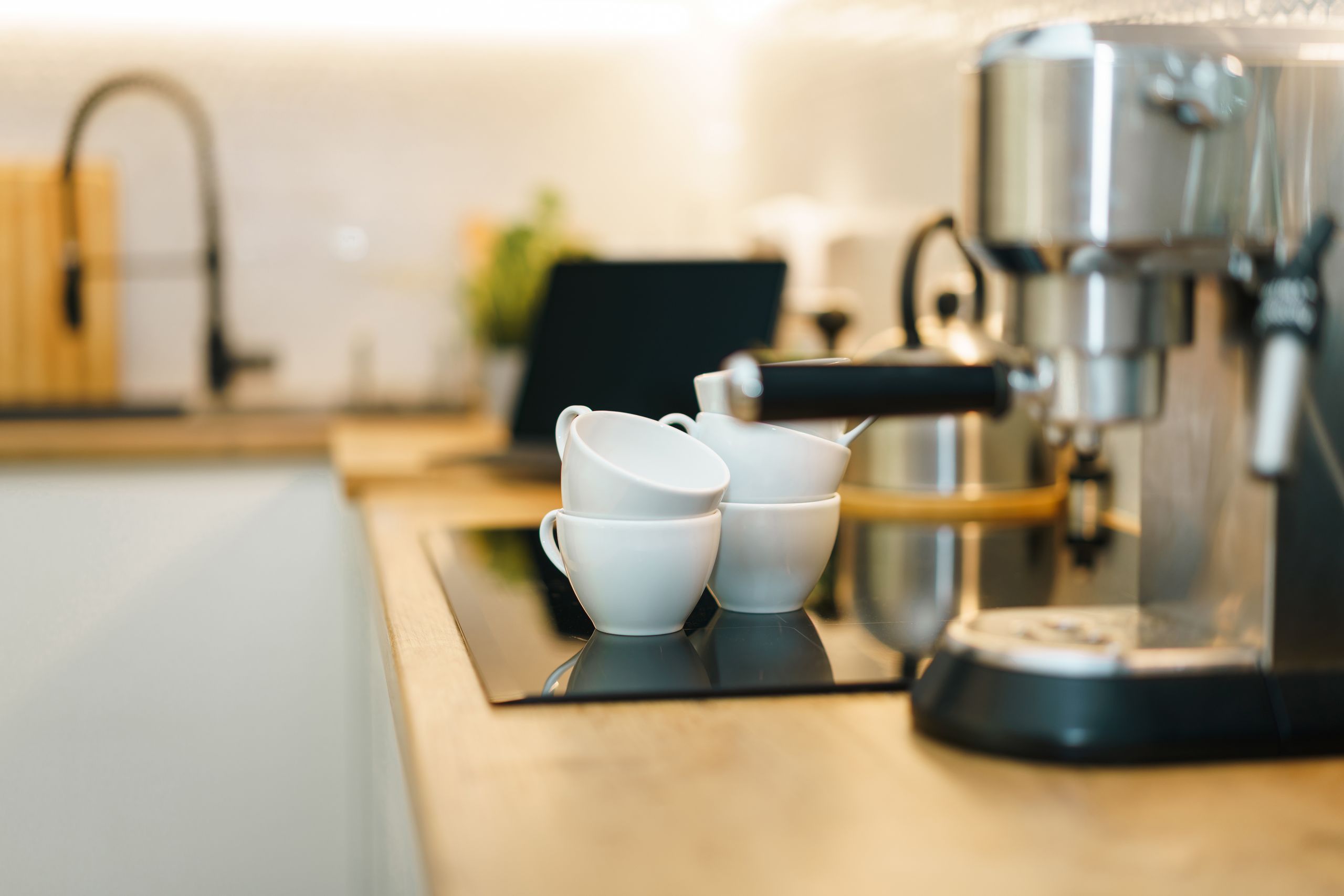
Coffee makers create the perfect mix of warmth, moisture, and organic residue. The pot may get washed, but the water reservoir, internal tubes, lid, filter basket, and drip area often stay damp. Coffee oils can also build up, leading to bitter flavors, stale smells, and sticky residue.
We should clean the removable parts after regular use and descale the machine monthly, or more often for heavy coffee drinkers. A vinegar cycle or an approved descaling solution can help clear mineral buildup and internal residue, followed by several clean-water cycles. We should also leave the reservoir lid open for drying when possible because trapped moisture is one of the main reasons coffee makers start smelling off.
Dishwashers Need Cleaning Even Though They Wash Dishes
A dishwasher handles dirty plates, greasy pans, food scraps, and cloudy glasses, but it still needs cleaning to work well. Food can collect in the filter, spray arms can clog, and grime can gather around the rubber door seal. When the dishwasher smells sour or leaves dishes cloudy, it often means the machine itself needs attention.
We should clean the filter weekly if the dishwasher is used often. The spray arms should be checked for trapped food, and the door edges should be wiped because they do not always get fully rinsed during a cycle. A monthly cleaning cycle with a dishwasher cleaner or a bowl of white vinegar can help freshen the interior and break down buildup.
Remote Controls Carry Grease, Snack Dust, and Germs

Remote controls are handled during movie nights, sick days, sports games, late-night snacks, and lazy weekends. They get touched after eating chips, wiping noses, petting dogs, scrolling phones, and handling blankets. The buttons and grooves trap oil, dust, crumbs, and residue that a quick glance will not reveal.
We should clean remote controls weekly, and more often when someone in the house is sick. A lightly damp microfiber cloth can wipe the surface, while a cotton swab can clean around buttons. The cloth should never be dripping wet because liquid can damage electronics. For shared remotes, keeping sanitizing wipes nearby makes this small habit easier to maintain.
Pillows Absorb Sweat, Skin Oils, Dust, and Dead Skin
Pillows sit under our faces for hours every night. They absorb sweat, hair oils, drool, skincare products, dust, and dead skin cells. Pillowcases help, but they do not block everything, especially when pillows go months or years without deeper cleaning.
We should wash pillowcases weekly and clean pillows according to their care labels every few months. Pillow protectors add another layer of defense and are easier to wash than the pillow itself. After washing, pillows must dry completely, as damp filling can cause odor and mildew. A pillow that smells stale after washing may be ready for replacement.
Shower Curtains and Bath Mats Trap Moisture Every Day
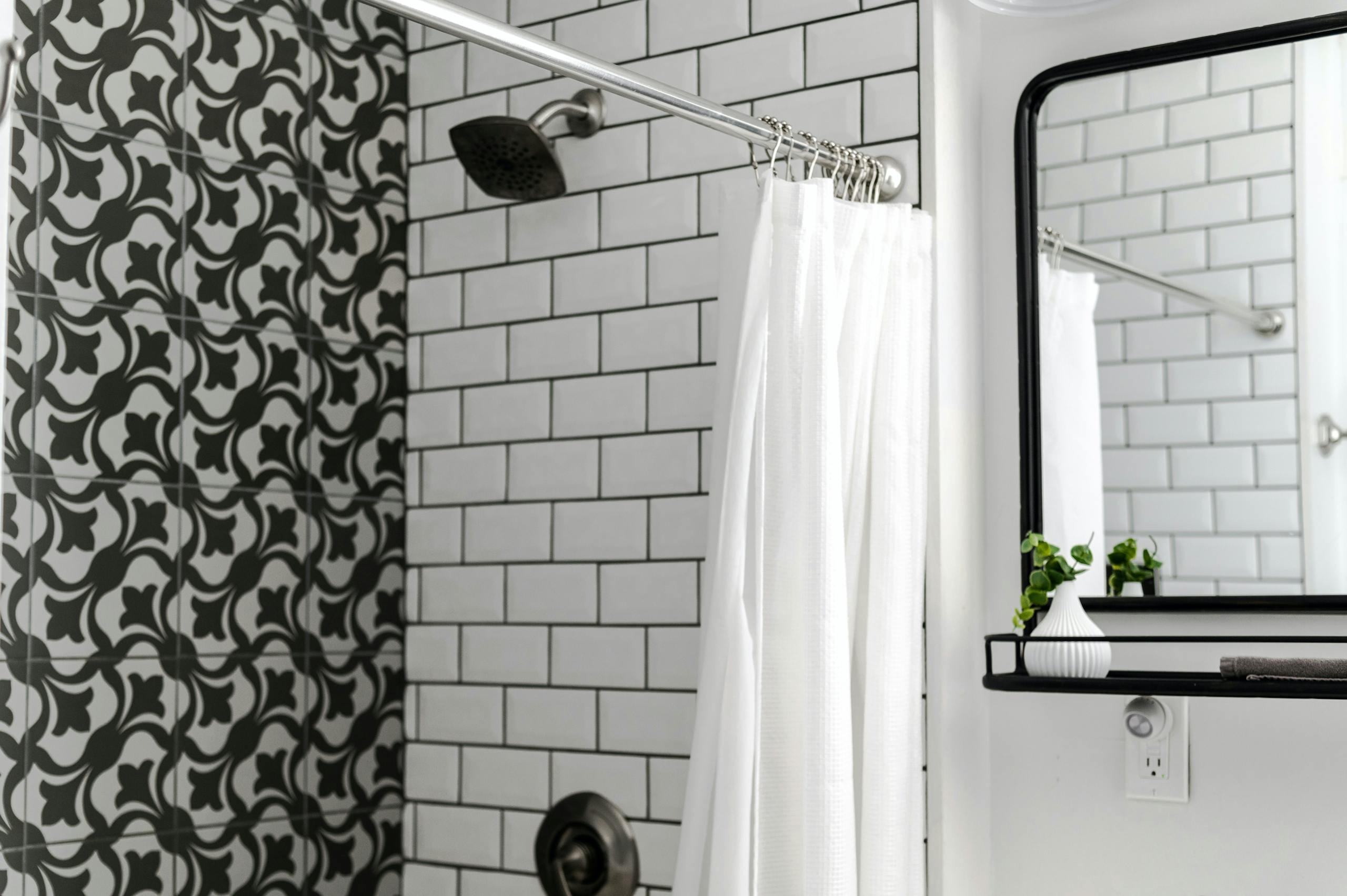
Shower curtains, liners, and bath mats live in one of the dampest parts of the home. Soap residue, body oils, humidity, and poor ventilation can create mildew, musty smells, and dark staining. A bath mat may feel soft underfoot, but it often stays damp long after the shower ends.
We should wash fabric shower curtains and bath mats regularly and replace plastic liners when they become stained or slimy. After showering, spreading the curtain fully helps it dry faster. Bath mats should be hung up whenever possible rather than left flat on the floor, especially in bathrooms with poor airflow.
Trash Cans Stay Dirty Even After the Bag Is Removed
Taking out the trash does not clean the trash can. Leaks from food packaging, drips from bottles, dust, crumbs, and odor-causing residue can collect at the bottom. Kitchen trash cans are the worst offenders, but bathroom and bedroom bins can also hold bacteria and stale smells.
We should wash trash cans monthly and clean spills immediately. A quick rinse outside, followed by warm soapy water and full drying, can remove hidden residue. Using properly sized bags helps prevent leaks, but the can itself still needs routine cleaning because odors cling to plastic over time.
Conclusion
The dirtiest items in a home are not always the ones that look messy. They are often the quiet, familiar objects we touch every day, use without thinking, and assume are clean because they belong in clean spaces.
When we focus only on visible dirt, we miss the hidden buildup that affects freshness, odor, and hygiene. A better approach is to clean by contact, moisture, and frequency of use.
If an item comes into contact with your hands often, wash it often. If it stays damp, dry it and clean it regularly. If it holds food, skin, dust, or pet residue, put it on a schedule before it becomes a problem.
A truly clean home is not about perfection. It is about noticing the small things that quietly make the biggest difference.