A kitchen pantry can make cooking and grocery management easier, but a poorly organized storage area can quickly become frustrating.
Many households keep different food products in the same cupboards, including cereals, canned goods, spices, pasta, snacks, and baking ingredients. When these items are not arranged properly, finding something can become difficult.
Sometimes, people even purchase groceries they already have because older products are hidden behind newer ones.
The good news is that organizing a pantry does not always require expensive shelves or matching storage containers. A few practical changes can make a noticeable difference.
Here are six ways to create a more functional kitchen pantry.
Empty the Pantry Before Organizing It
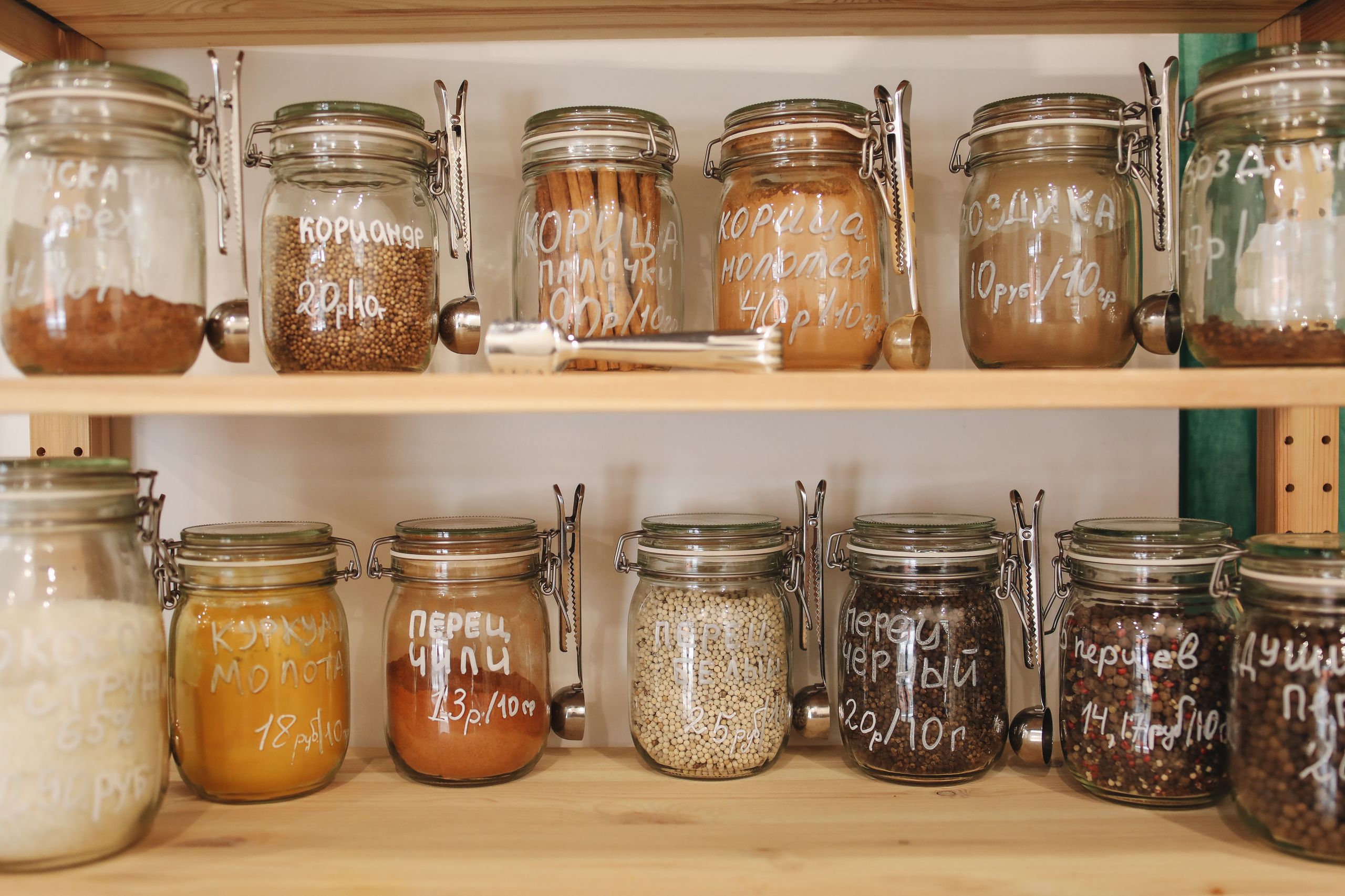
First, remove the items from the pantry so the entire storage area is visible.
This makes it easier to identify products you no longer need and determine how much space is available.
Check the dates on packaged products and remove items that are expired, stale, or unsafe to eat.
After emptying the shelves, clean the surfaces and allow them to dry before returning anything.
This is also a good opportunity to identify shelves that are hard to reach or areas where groceries often get hidden.
Starting with a space makes it easier to create a system that works.
Arrange Groceries According to Categories
Instead of placing groceries wherever there is available space, group similar products together.
For example, canned foods can occupy one section, while pasta, rice, and other dry ingredients can have separate spaces.
Baking supplies can also be grouped.
Another option is to arrange ingredients according to how they are used.
Someone who regularly prepares breakfast may prefer keeping breakfast cereals, spreads and other morning essentials in one accessible area.
The important thing is to choose a system that matches the household’s shopping and cooking habits.
Professional organizer Lisa Eckerle, quoted by Architectural Digest, recommends combining activity-based zones with categories for different food types.
This approach can make the pantry easier to navigate.
Measure Your Shelves Before Buying Containers
Storage containers can improve pantry organization, but purchasing them without measuring available space can create another problem.
Before buying new containers, measure the width, depth, and height of the shelves.
This helps ensure containers fit properly and don’t waste valuable space.
Clear containers can be useful for suitable dry goods because they allow people to see what is inside.
However, not every food product needs to be transferred from its original packaging.
Some items are better stored in their original containers, especially when labels contain important information.
A combination of suitable containers, baskets, and existing storage boxes may be enough.
Make Better Use of Vertical Storage
Many pantries have unused space between shelves.
You can sometimes use this space more effectively with shelf risers or suitable stackable organizers.
Shelf risers can make smaller items easier to see, particularly when products are arranged behind one another.
Turntables can also help organize products stored in corners.
They are useful for keeping certain bottles, sauces, and condiments accessible without moving several other items.
However, storage equipment should be chosen according to the available space.
A crowded pantry filled with unnecessary organizers can become just as difficult to use as an unorganized one.
Add Simple Labels
Labels can help everyone in the household understand where products belong.
Containers marked for rice, flour, sugar, pasta, or snacks make it easier to put items back in the right place.
Labels do not have to be expensive.
Simple stickers and handwritten descriptions can work just as well as professionally printed labels.
For households where several people use the kitchen, clear labels can reduce confusion and make it easier to maintain the arrangement.
When transferring products into containers, retain relevant product information and storage instructions.
Maintain the Arrangement After Every Shopping Trip
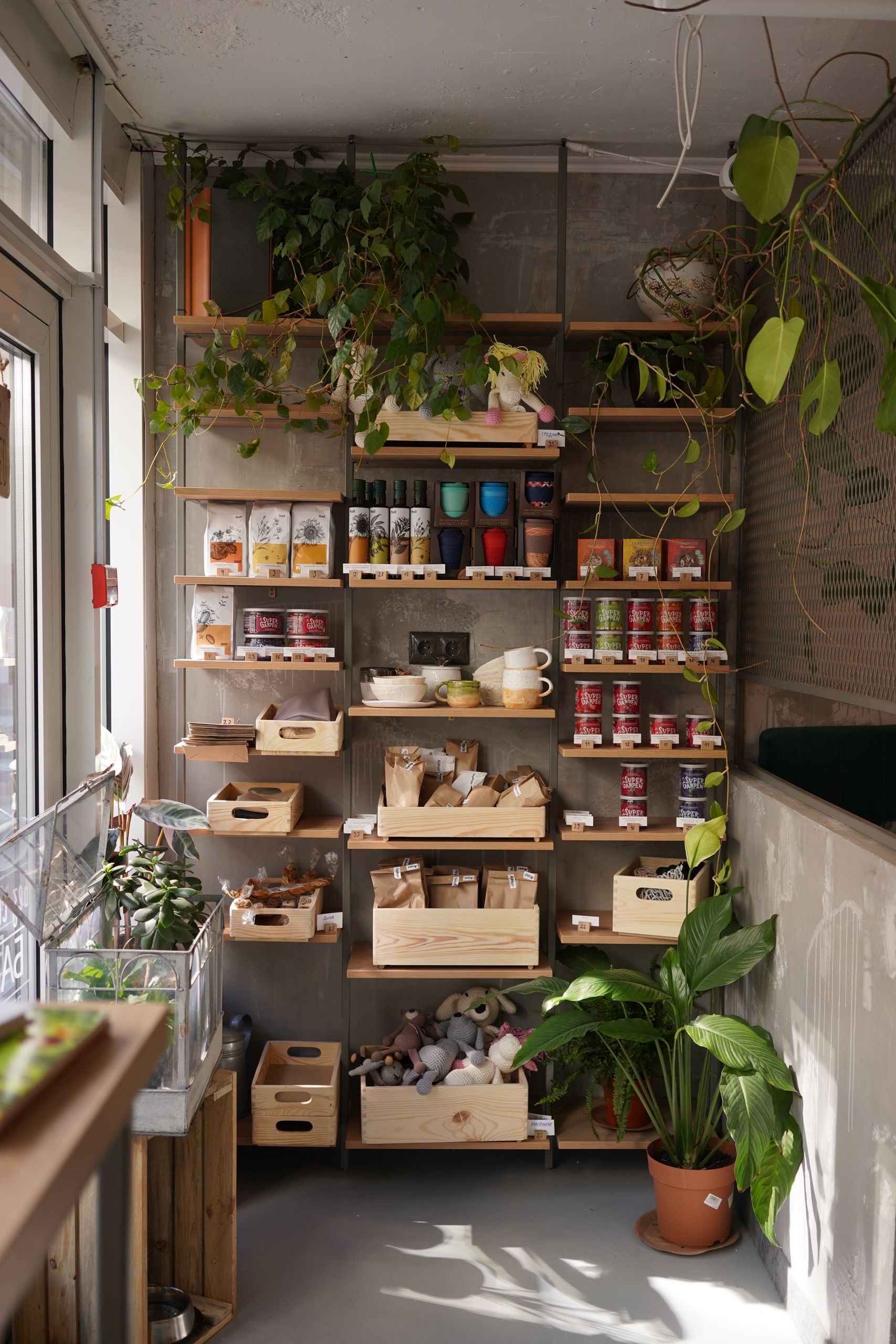
A pantry may look perfectly organized immediately after cleaning, but the arrangement can quickly disappear if new groceries are placed randomly.
One useful habit is to organize groceries as soon as you come home from shopping.
Place each item in its designated section and bring older suitable products forward so they can be used first.
It is also helpful to check the pantry occasionally to identify items that need replacing.
Architectural Digest’s interviewed organizers recommend light resets after grocery shopping and more thorough reviews periodically.
This prevents clutter from building up again.
Final Thoughts
An organized pantry can make everyday cooking easier and help households manage their groceries more effectively.
The goal isn’t to create a picture-perfect storage area, but to make sure everything has a suitable place.
By grouping ingredients, measuring shelves, using appropriate storage containers, and keeping simple routines, even a small kitchen becomes easier to manage.
A little organization can save time every time someone prepares a meal or searches for an ingredient