A restaurant where high school students prepare meals, welcome customers, and handle food service may sound like an unusual classroom project. However, students at the Greene County Career Center in Xenia, Ohio, are gaining experience in what it takes to run a real restaurant.
The school’s student-operated restaurant, The Greene Room, opens its doors to members of the public twice a week, giving students practical experience beyond traditional classroom lessons.
Instead of simply learning recipes and watching demonstrations, students help run a dining establishment.
The program is attracting attention because it gives young people a chance to develop professional skills while still completing their education.
Students Handle the Restaurant Operations
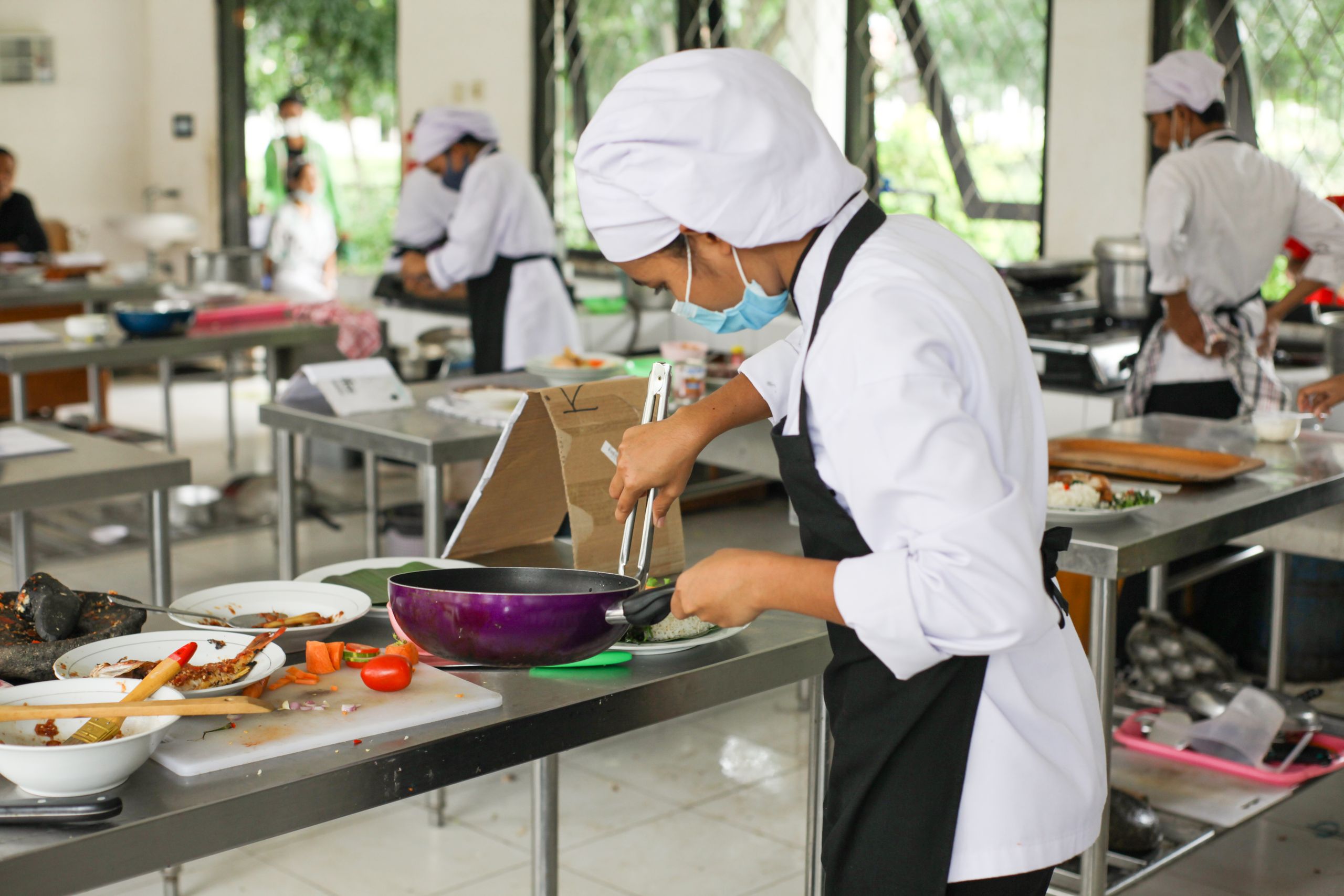
According to WHIO-TV, The Greene Room has a full-size kitchen, a dining room, a host stand, and a complete menu similar to what customers would find in a regular restaurant.
The restaurant opens to the public for lunch on Thursdays and Fridays.
Executive chef and culinary arts instructor Khalid Hamdy explained that students take responsibility for preparing food, cooking meals, serving customers, and setting up the restaurant.
“They prep it, they cook it, they serve it, and they set it up,” Hamdy told WHIO.
This arrangement lets students experience several aspects of restaurant operations instead of focusing only on cooking.
Working in a restaurant requires coordination. Kitchen staff must prepare meals on time, while front-of-house staff need to communicate effectively and manage orders.
Students in the program get to experience these responsibilities in a practical environment.
The opportunity also helps them better understand what customers expect when they visit a restaurant.
A Two-Year Program Is Preparing Students for Different Careers
The culinary arts program is designed for juniors and seniors and runs for two years.
Some students enter with a clear interest in pursuing careers in the food industry.
One of them is senior Oliver Dumont, who told WHIO that his father is a chef and that he wanted to expand his knowledge by joining the program.
Dumont plans to attend pastry school after graduating.
His experience shows how practical education can help students build on existing interests and prepare for further training, while connecting school and plans more clearly.
However, not everyone participating in the program intends to become a professional chef.
Senior Marly Price explained that she enjoys the culinary program even though she does not necessarily see it as her future career.
She described the experience as a lifelong skill.
This is an important part of practical education because students can benefit from learning skills even when they eventually choose careers outside the subject they studied.
The Experience Goes Beyond Learning How to Cook
Running a restaurant requires more than preparing meals.
Students also have opportunities to develop teamwork, communication, organization, and customer service skills.
For example, a busy lunch service requires everyone to understand their responsibilities and work together.
Someone preparing meals must coordinate with other kitchen staff, while someone serving customers needs to communicate clearly and respond to requests.
These experiences can be useful in several industries.
A student who eventually works in hospitality may already understand restaurant operations. At the same time, another who chooses a different profession can still apply the organizational and communication skills learned during the program.
Hamdy also told WHIO that former students have gone on to work as sous chefs and restaurant managers, and one has opened a bakery.
The program therefore offers more than a temporary school activity. It gives students practical exposure that may shape future career decisions.
A Different Approach to Classroom Learning
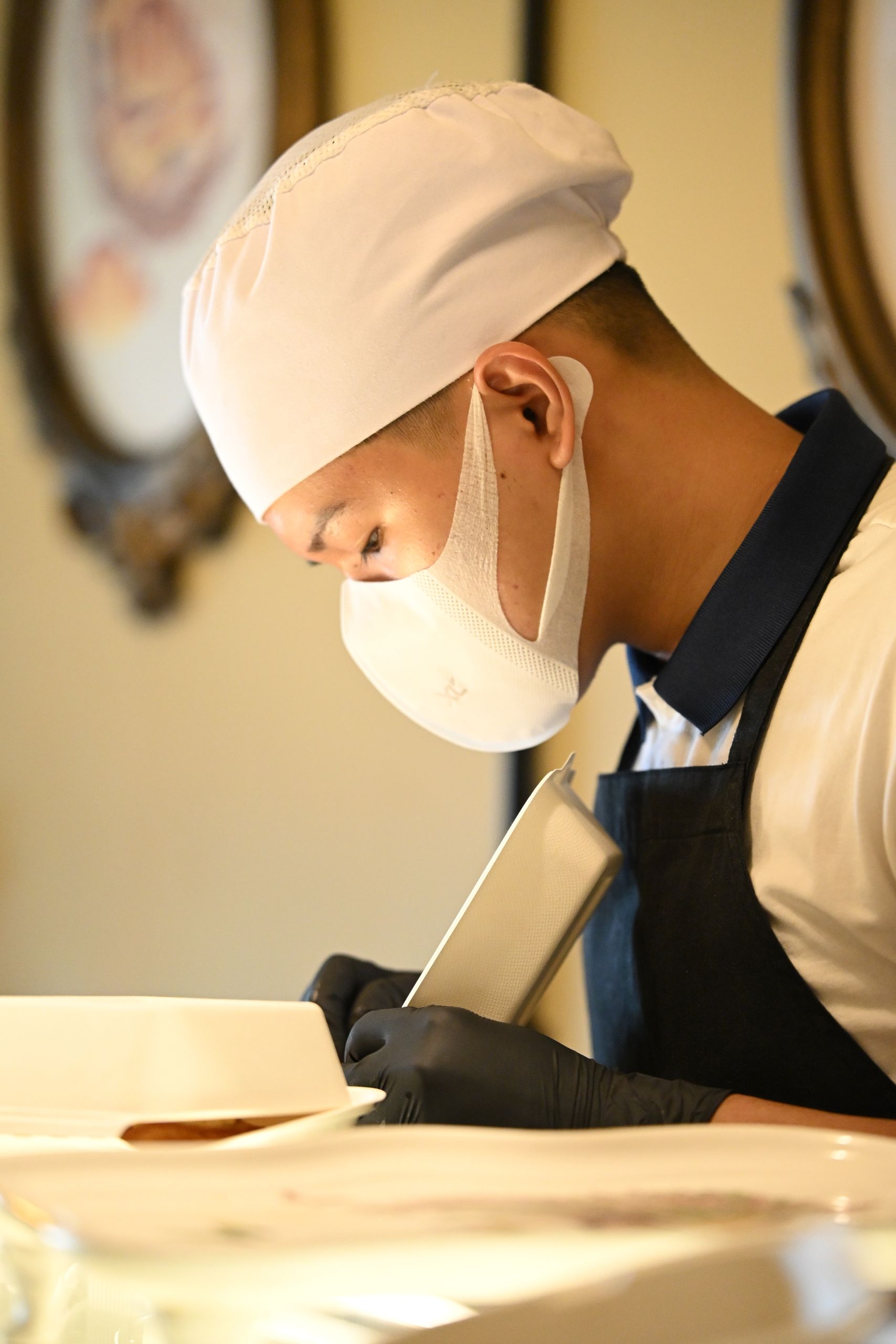
Traditional education often emphasizes theoretical knowledge, but practical programs offer another way for students to understand what they are learning.
A student may understand a recipe during a lesson but gain a different perspective when preparing it for paying customers.
They learn that consistency, presentation, timing, and customer satisfaction all matter.
They also get a chance to see whether they enjoy working in a professional kitchen before committing to a career in the industry.
For schools, programs like this show how career-focused education can connect classroom instruction with real-world responsibilities.
Final Thoughts
The Greene Room at Greene County Career Center shows how students can gain valuable experience while still in high school.
By letting learners participate in an operating restaurant, the program helps them practice culinary skills, understand customer service, and explore possible career paths.
Whether students eventually become chefs, restaurant managers, or pursue completely different professions, the experience can provide lessons that extend beyond the classroom.