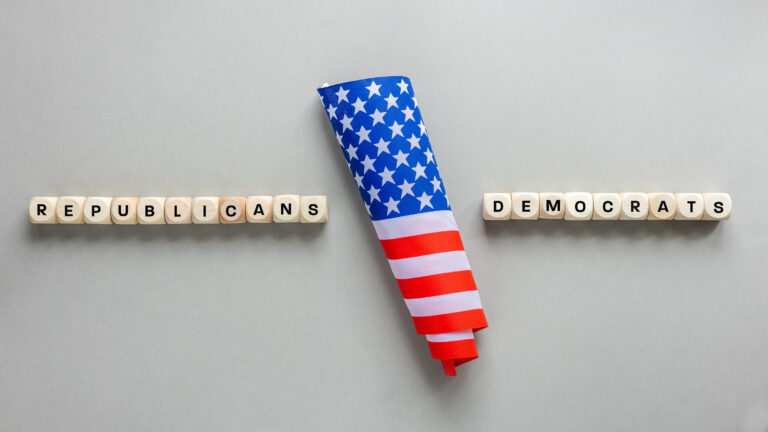
The ICE protest battle is going viral because it feels bigger than one detention center. It touches on fear, politics, food, faith, family, safety, and the kind of America people think they live in. Once a protest becomes a mirror for the whole country, people cannot stop watching.
This story hits nerves that many Americans already carry. It is not only about immigration policy, because it also raises questions about dignity, control, and public trust. That is why the ICE protest battle is going viral across feeds, group chats, and everyday conversations.
America Loves A Public Showdown
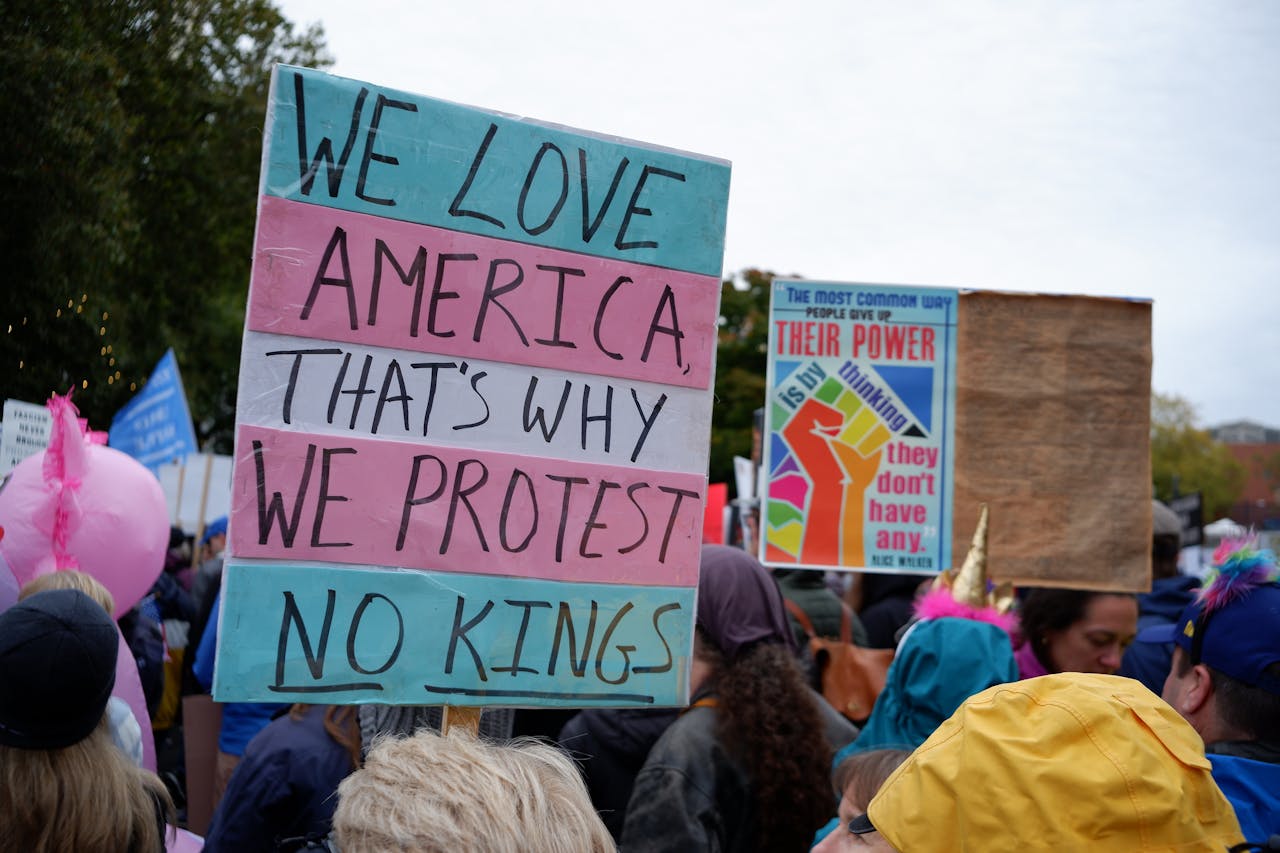
The first brutal reason is simple. America pays attention when conflict moves from paperwork to pavement. A protest outside a detention center gives people a scene they can feel immediately.
Most people do not read long policy documents after dinner. They react to crowds, police lines, signs, chants, fear, and tension. Is that ideal for democracy, or just painfully human?
The viral pull comes from the drama of confrontation. People see two sides facing each other and instantly choose emotional positions. The internet eats that tension like free snacks at a meeting.
Immigration Already Divides The Country
Immigration is one of America’s most emotional issues. It carries fear for some people and deep compassion for others. That split makes every ICE story feel larger than the location.
Some Americans see enforcement as order and protection. Others see detention as harsh treatment that needs public challenge. How can one protest stay small when the topic already divides families?
That national tension gives the story fuel. People share it because it confirms what they already feel. The battle goes viral because everyone thinks it proves their point.
Detainee Conditions Feel Deeply Personal

The claims about detainee conditions make the story hit harder. Food, medical care, bathrooms, air, and basic safety are not abstract ideas. Everyone knows what it feels like to need dignity in ordinary daily life.
When people hear about poor conditions, they picture real bodies in real rooms. They imagine someone hungry, sick, afraid, or ignored. That mental picture can move faster than any legal argument.
This is why the story spreads beyond political circles. It becomes a human comfort issue, not just an immigration issue. FYI, people react quickly when basic living conditions come up.
The Protest Has Strong Visual Energy
Viral stories need images that grab attention quickly. The ICE protest battle has crowds, officers, signs, emotion, and a clear public setting. That combination makes it easy for viewers to understand in seconds.
A complicated policy fight becomes simple on a screen. People see anger, fear, resistance, and authority in one frame. Who needs a long explainer when the image already screams tension?
Visual conflict travels quickly because it feels immediate. People may not know every detail, but they understand a standoff. That instant recognition helps the story move from news to social media fire.
Trust In Institutions Feels Fragile

Another reason the story is spreading is public distrust. Many Americans already question government agencies, private detention operators, politicians, and official statements. This protest lands directly inside that trust problem.
When officials deny claims and advocates raise alarms, people often side with the party they already trust. That can turn every update into another argument. Isn’t it exhausting how every fact now needs a referee?
The viral energy grows because trust feels broken. People do not only want information, but they also want confirmation. That makes the story sticky, emotional, and hard to ignore.
Private Detention Raises Hard Questions
Private detention adds another uncomfortable layer. Many Americans feel uneasy when the words ‘confine’ and ‘business’ appear in the same sentence. That unease makes the story more emotionally charged.
Some people ask who benefits when detention expands. Others argue that private operators can help handle a difficult system. Either way, the question creates suspicion and debate.
That suspicion helps the story spread. People share it because it feels like a hidden machinery moment. IMO, nothing goes viral faster than a system people already suspect.
Faith And Morality Are In The Background

The ICE protest battle also touches spiritual and moral questions. Many Americans think about strangers, mercy, justice, law, and compassion through the lens of faith. Immigration policy can quickly become a test of conscience.
Some people believe order protects communities. Others believe compassion should guide how society treats vulnerable people. Can a country claim values without practicing them in hard moments?
That moral tension makes the story feel personal. It moves beyond politics and enters the soul of public life. People share it because they feel something sacred is at stake.
Protest And Counterprotest Create Instant Tension
A protest alone can draw attention. A protest on the other side creates instant public drama. The emotional stakes rise when opposing groups meet in the same space.
People begin watching for escalation, mistakes, and powerful moments. Supporters want courage, critics want proof of disorder, and observers want context. The internet, naturally, wants the most chaotic clip possible.
That clash effect helps the story go viral. It gives viewers a conflict with clear emotional roles. Once sides gather in public, attention follows like a camera with no off button.
Politicians Become Part Of The Story

Political figures can push a local issue into the national conversation. When officials comment, visit, challenge, or get blocked, the story gains a new layer. Suddenly, it becomes about power as much as protest.
People want to know who showed up and who stayed silent. They judge leaders by their reactions, their timing, and their tone. Is that fair, or just the modern political scoreboard?
This helps the story spread across partisan spaces. Each side uses the moment to frame leadership, weakness, courage, or blame. That political packaging makes the protest easier to share and harder to cool down.
It Reflects A Bigger American Anxiety
The final reason is the deepest one. The ICE protest battle is going viral because many Americans feel the country is changing too fast. Immigration, policing, rights, fear, and identity all sit inside that anxiety.
A detention center protest becomes a symbol of something larger. For some, it signals disorder and weak enforcement. For others, it signals cruelty and a moral emergency.
That is why this story carries so much force. People are not only reacting to one scene in New Jersey. They are reacting to the America they fear may be coming next.
Conclusion
The ICE protest battle is going viral because it brings America’s loudest tensions into one public space. It mixes immigration, human dignity, law enforcement, politics, faith, and viral media into one emotional storm. That kind of story rarely stays local for long.
People keep watching because the issue feels personal, even from afar. Some see a fight for order, while others see a fight for basic humanity. The same scene can create opposite emotions, and that is exactly why it spreads.
The brutal truth is that America often waits for a clash before it pays attention. Quiet suffering rarely trends, but public conflict does. That should make everyone pause.
A healthier country would ask hard questions before tension spills into the street. It would demand facts, dignity, safety, accountability, and peaceful protest simultaneously. Until then, stories like this will keep going viral because they reveal wounds America has not healed.