A sizzling summer barbecue is one of the best ways to gather friends and family, but even seasoned grillers can sabotage their own cookout without realizing it. Small missteps in technique, timing, or preparation can drastically alter the flavor, texture, and overall quality of your food.
Understanding common grilling mistakes and implementing smart solutions can make the difference between a memorable feast and a disappointing meal.
From mismanaging the heat to neglecting grill maintenance, each error has a simple fix. By mastering proper techniques, you ensure your meats stay juicy, your vegetables char perfectly, and your guests leave satisfied. Here’s a comprehensive guide to 12 grilling mistakes and the precise steps to prevent them.
Using Lighter Fluid Instead of a Chimney Starter

Many rely on lighter fluid to start charcoal grills quickly, but this shortcut often leaves a chemical taste on your food. Lighter fluid can also create uneven heating, affecting how your food cooks. A safer, more flavor-preserving approach is to use a chimney starter filled with natural lump charcoal or briquettes, which ignite evenly and leave no chemical residue.
Chimney starters may require patience, but they allow for a pure smoky flavor and consistent temperature. By waiting a few extra minutes for the coals to ash over, you ensure even heat distribution and eliminate the risk of food contamination. Your grilled meats and vegetables will taste cleaner, with a natural smoky aroma that enhances the overall cookout experience.
Applying BBQ Sauce Too Early
Applying sugary barbecue sauces at the start of grilling can lead to burnt, bitter surfaces. Sugars in most sauces caramelize quickly at high heat, resulting in a charred exterior before the inside is cooked. The key is to reserve the sauce for the final five to ten minutes of cooking.
Brushing on the sauce near the end allows it to thicken, glaze, and enhance the flavor without burning. This method ensures a perfect balance of caramelization and moisture retention, letting your ribs, chicken, and pork finish with a rich, glossy finish.
Not Using a Meat Thermometer
Eyeballing meat doneness is unreliable and often leads to undercooked or dry food. Undercooked proteins pose health risks, while overcooked items lose flavor and tenderness. Investing in a quality meat thermometer ensures accurate internal temperature readings, which is essential for safety and taste.
Insert the thermometer toward the end of the cooking process to check doneness for steaks, burgers, and poultry. This approach guarantees juicy, perfectly cooked results every time, with minimal guesswork.
Throwing Water on Grill Flare-Ups
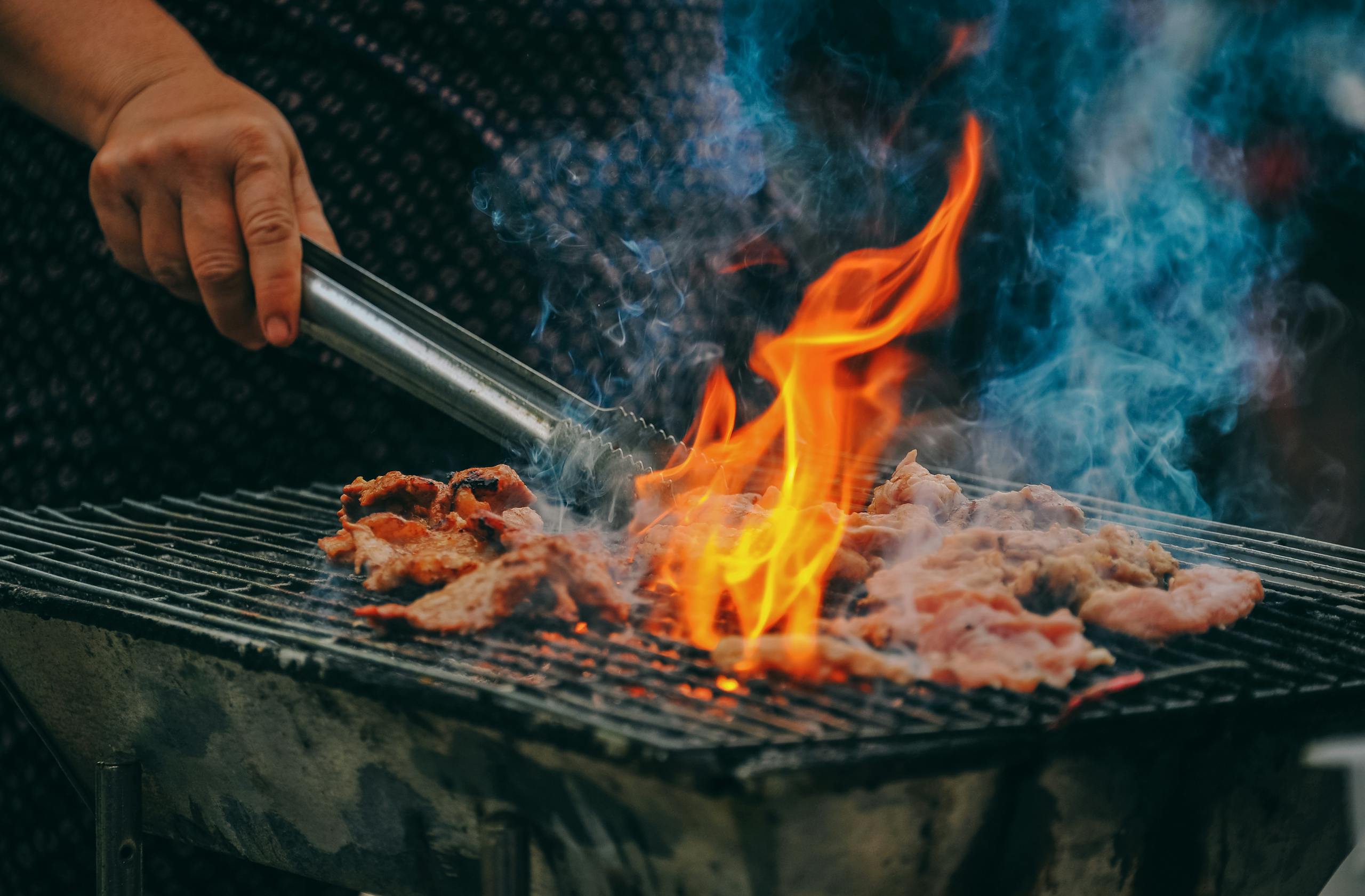
Pouring water on flare-ups might seem instinctive, but it often intensifies flames or spreads grease fires. Sudden temperature changes can also warp grill components. A safer alternative is to control flare-ups by using the grill lid, adjusting food placement, or moving items to cooler zones.
Always have a fire extinguisher or a container of baking soda on hand. These tools allow quick, safe suppression of grease fires without risking injury or flavor contamination.
Crowding the Grill
Overloading the grill reduces airflow, lowers heat, and leads to uneven cooking. Proper spacing between items ensures heat circulation, consistent searing, and easier flipping. This simple adjustment prevents soggy vegetables and undercooked meats.
By arranging your food with small gaps, you maintain temperature balance and avoid long cook times. Guests enjoy evenly cooked, visually appealing dishes, and you have more control during grilling.
Not Oiling the Grill
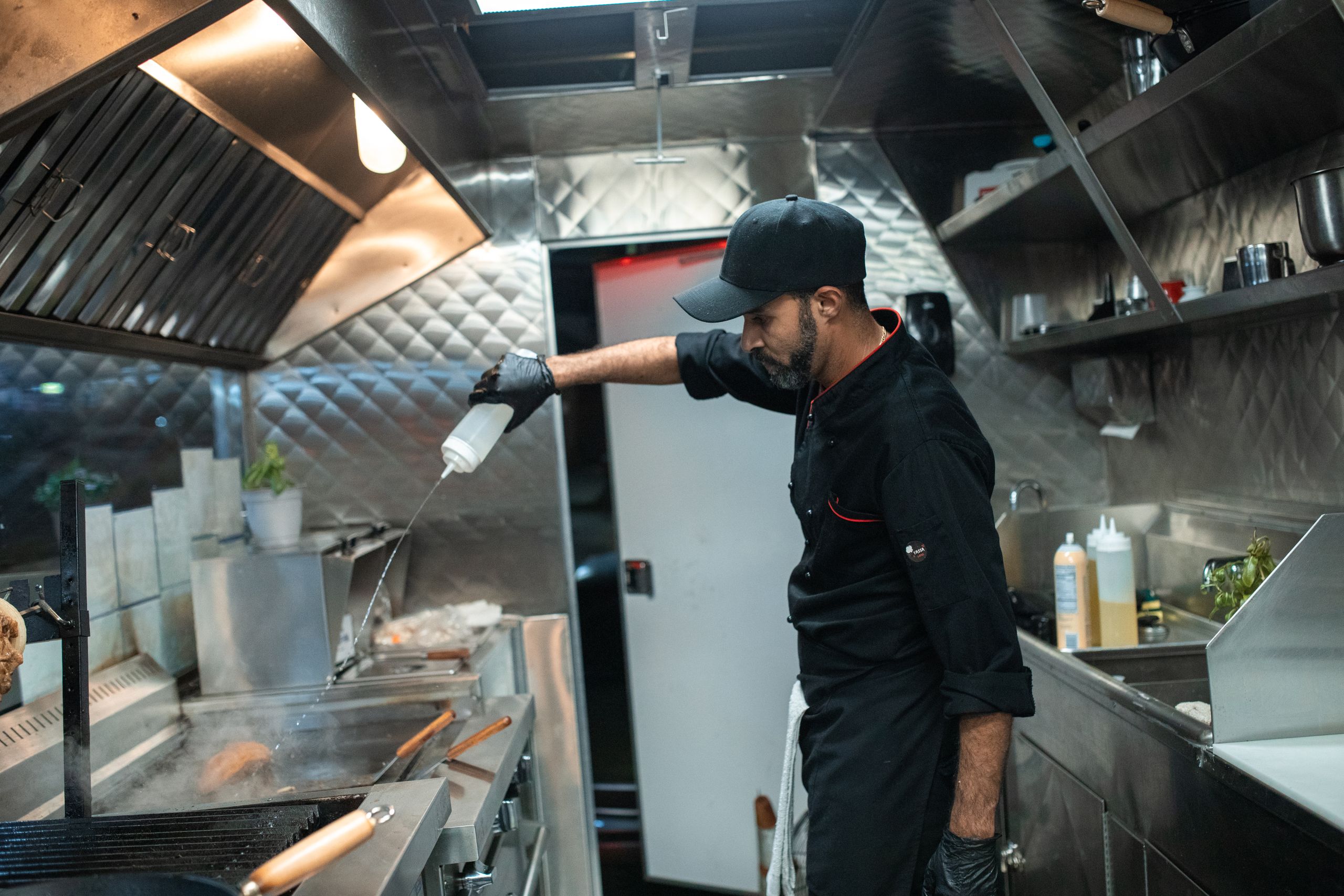
Failing to oil grates can cause food to stick, tearing delicate items like fish or vegetables. Using a high-smoke-point oil, such as canola, vegetable, or grapeseed, prevents sticking and protects grill grates from corrosion. Apply oil with a paper towel held with tongs, or spray it, before heating.
This creates a non-stick surface that allows even cooking and easy flipping. The result is flawless presentation, intact proteins, and hassle-free cleanup.
Forgetting to Let Meat Rest
Cutting meat immediately after cooking causes juices to escape, leaving the cuts dry. Resting allows internal moisture to redistribute, yielding juicier, more tender results. Typical resting time is five to ten minutes.
During this period, carryover cooking finishes, flavors concentrate, and the texture improves. This small step dramatically enhances the eating experience for all grilled items.
Ignoring Indirect Grilling
Direct heat is ideal for thin cuts but can burn thicker cuts like ribs, bone-in poultry, or roasts. Using indirect heat lets these items cook slowly and evenly, preventing charred exteriors and raw interiors. Position food away from flames to regulate temperature naturally.
Indirect grilling enhances tenderness and allows for even flavor development. Combining direct searing with indirect finishing produces perfectly cooked, flavorful results across all meats.
Conclusion
By avoiding these common mistakes, each barbecue becomes an opportunity to impress. Implementing proper techniques in preheating, oiling, spacing, and temperature management ensures flavor, safety, and visual appeal. Master these practices, and your next cookout will deliver consistently perfect, mouthwatering results every time.