A quiet street can fool you. The porch lights glow, the trash cans sit at the curb, the dog barks two houses down, and everything looks like another normal American evening. Someone is unloading groceries. Someone is walking in from work. Someone is rushing inside before dinner burns.
But a burglar does not always see a neighborhood the way residents do.
They may notice the garage left open for “just a minute.” The package is sitting by the door. The ladder beside the fence. The dark backyard. The full mailbox. The expensive TV box is leaning near the trash. Small details can start telling a story before anyone inside realizes the house is being studied.
The goal is not to make people afraid of their own front porch. It is to understand the things burglars notice before choosing a house, because small habits can make a home look less inviting to the wrong person.
The House Looks Empty Too Often
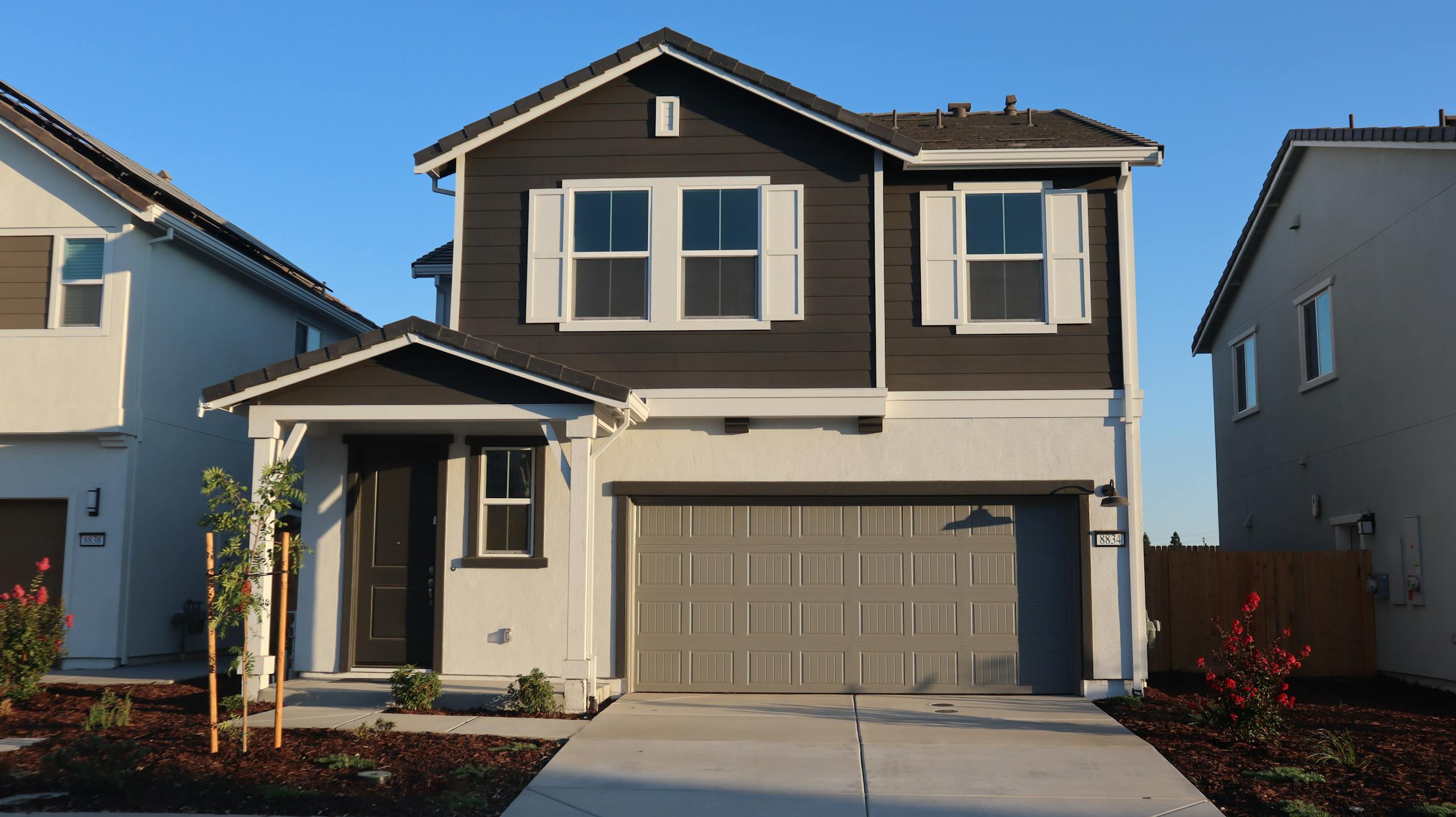
An empty-looking house sends a message fast. No car in the driveway. No lights are changing at night. No movement near the windows. No one is collecting mail. No normal signs of life.
Burglars often prefer homes that look predictable. If the house appears vacant every weekday at the same time, the risk may seem lower to them. Timers, neighbor help, smart lights, and simple routine changes can make a home feel less abandoned when nobody is there.
Doors and Windows Look Too Easy
A beautiful front door means little if it looks weak, old, loose, or poorly locked. The same goes for windows that sit low, stay cracked open, or appear hidden from street view. Entry points are often where a burglar’s attention goes first.
Basic security still matters because simple access is tempting. Many prevention checklists stress basic locking habits, especially for doors, windows, and upper floors, that people sometimes forget. A locked home is not perfect protection, but it removes the easiest invitation.
The Yard Offers Too Many Hiding Spots
Tall shrubs may look pretty from the sidewalk, but they can also block views of windows, doors, and side paths. Overgrown landscaping gives someone a place to pause without being noticed. That matters more than many homeowners realize.
A clean, visible yard can make a home feel welcoming. Trimmed bushes, open sightlines, and clear paths remove cover. The point is not to strip the yard bare. It is to avoid giving strangers a private corner near the house.
Packages Sit Outside for Hours
A package on the porch may look harmless, but it can suggest nobody is home. Multiple boxes make the message louder. A delivery left all afternoon can tell a watcher that the house is empty during certain hours.
Porch theft and burglary are not the same thing, but the clues overlap. Delivery alerts, lockers, pickup points, trusted neighbors, and hidden delivery instructions can help. A porch that does not advertise absence is less useful to someone looking for an easy opportunity.
The Lighting Leaves Dark Corners
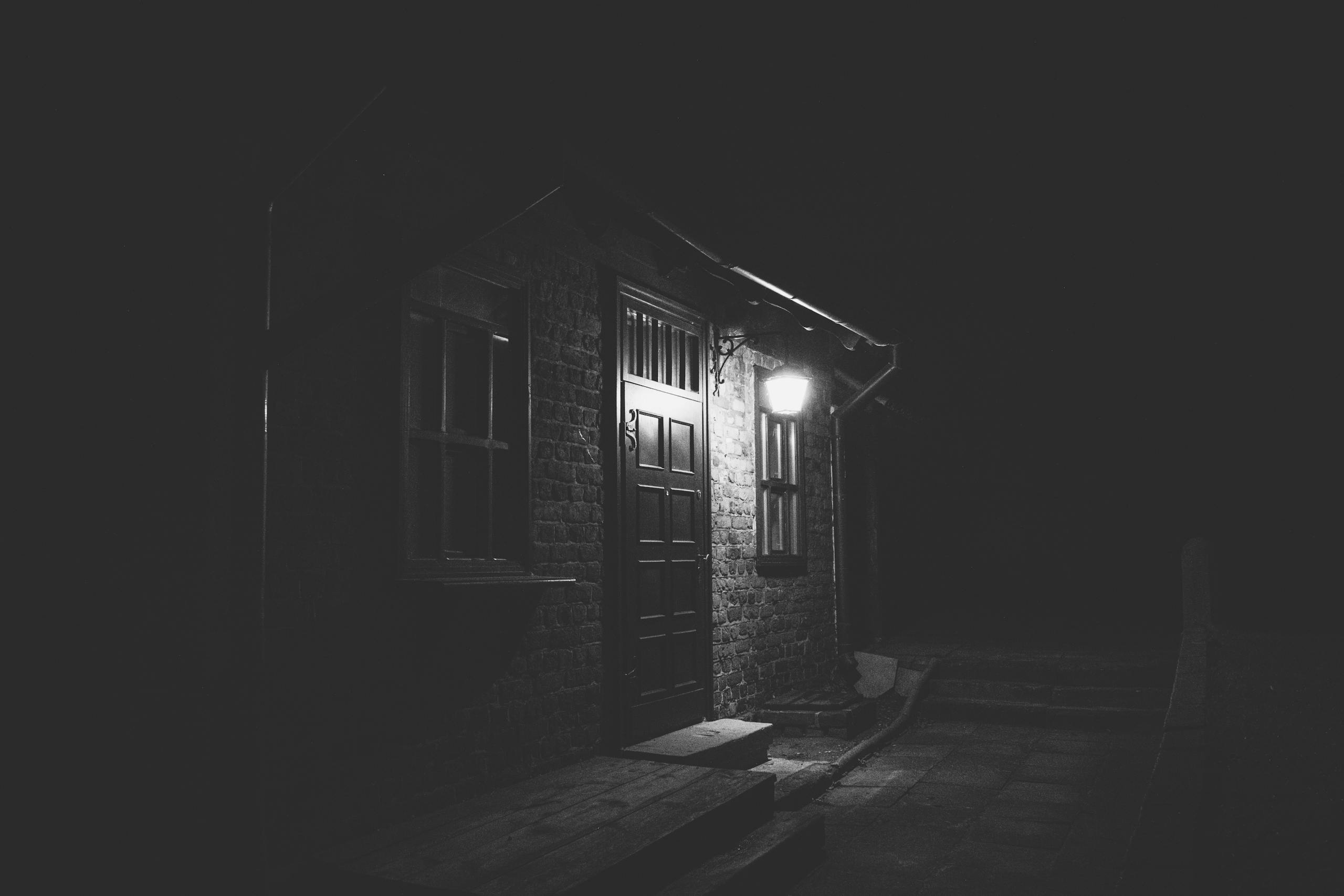
Darkness can turn a normal home into an easier target. A shadowy side yard, unlit back door, or blacked-out driveway may give someone time to test doors, peek through windows, or move without drawing attention.
Good lighting does not need to look like a stadium. Motion lights, porch lights, and rear security lights can change the feel of a property. Safety guidance often notes that exterior lights matter, especially near doors and the back of the house, where activity is easier to hide.
Valuables Are Visible From Outside
Open blinds can turn a living room into a showroom. A laptop on the table, a gaming system near the TV, jewelry on a dresser, or tools in the garage may catch the wrong eyes. People often forget how much can be seen from a sidewalk at night.
This is one of the easiest risks to reduce. Close blinds after dark, move expensive items away from windows, and avoid leaving valuables in parked cars. Security advice often reminds homeowners to keep valuables hidden, because visible rewards can make a home look worth the risk.
The Garage Looks Careless
A garage can reveal more than people intend. Bikes, tools, ladders, sports equipment, boxes, and expensive gear often sit in plain sight when the door is open. Even a quick peek can tell someone what the household owns.
The garage can also provide tools that help someone access the home. A ladder, a pry bar, or an unlocked side door can create problems fast. Closing the garage, locking interior doors, and storing tools out of view can make the property look less convenient.
Social Media Says the Family Is Away
Vacation photos feel innocent. So do airport selfies, beach updates, and posts about being out of town for the weekend. The problem is timing. Posting in real time can announce that a house is empty.
This risk is easy to overlook because sharing has become normal. Waiting to post until after returning home is safer. So is checking privacy settings and avoiding public updates that reveal travel plans, home routines, or expensive new purchases.
Trash Reveals Expensive Purchases
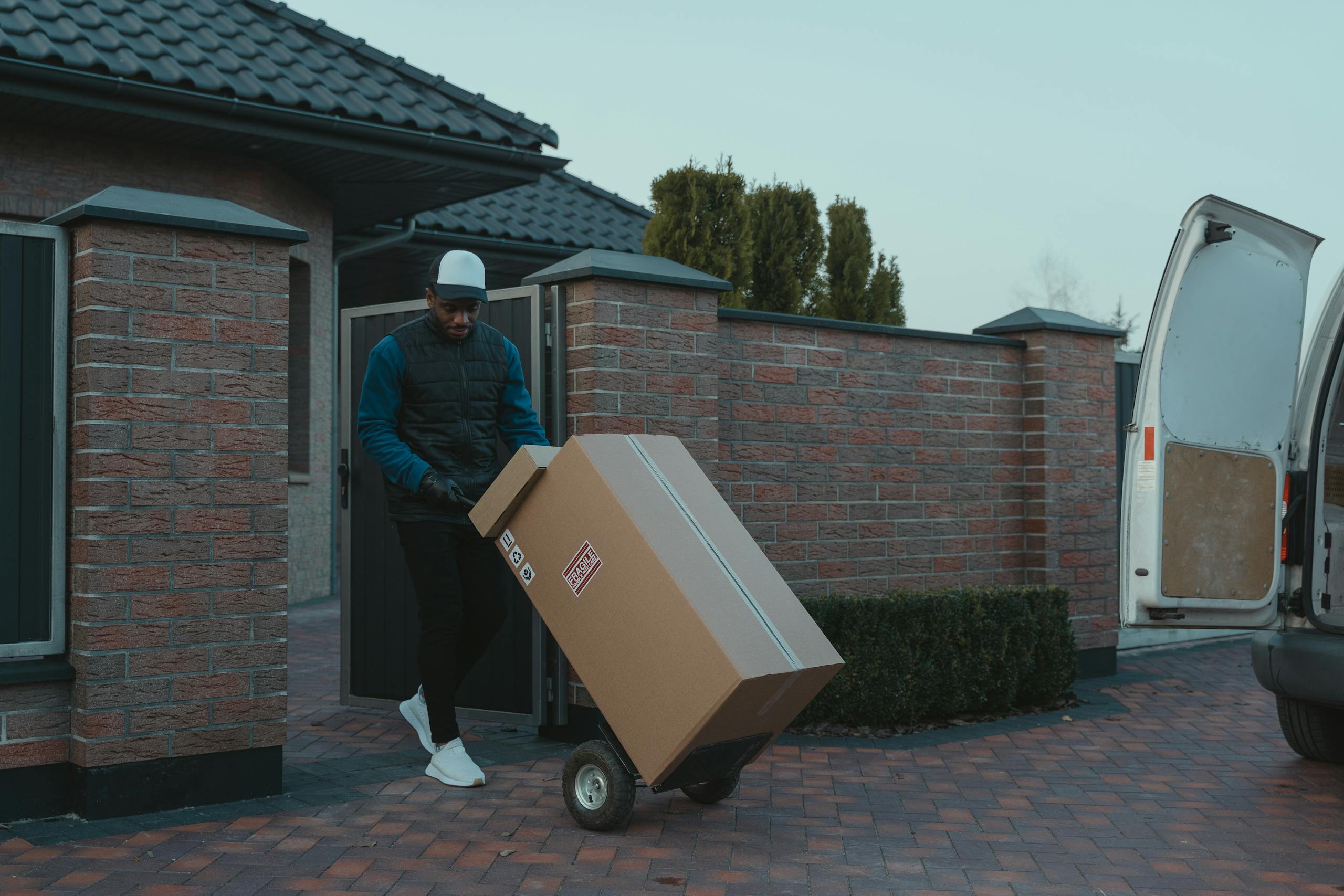
The curb can talk. A huge TV box, computer packaging, gaming console box, or appliance carton tells strangers what just entered the house. Around holidays, birthdays, graduations, and tax refund season, the clues can pile up quickly.
Breaking down boxes and placing them inside bags or bins can reduce the signal. The trash should not become a free catalog of its contents. A little discretion at the curb can keep new purchases from becoming public information.
Security Signs Are Missing
A burglar looking for an easy house may notice whether cameras, alarms, dogs, neighbors, or warning signs are visible. A home with no visible deterrents may seem less risky than one that looks watched, recorded, or connected to neighbors.
No single sign guarantees safety. Still, deterrents can change the calculation. Some prevention guidance recommends visible cues such as alarm system decals, neighborhood watch signs, or other signals that the home is protected.
The Neighborhood Feels Disconnected
Burglars may pay attention to whether neighbors notice each other. A street where nobody waves, nobody reports strange activity, and nobody checks on packages can feel easier to move through unnoticed.
A connected neighborhood does not need to become nosy or tense. Simple awareness helps. Knowing who belongs on the street, checking on nearby homes, and communicating about suspicious patterns can make a block feel less anonymous.
Spare Keys Are Too Predictable
The old hiding spots for spare keys are no longer clever. Under the mat. Inside the fake rock. Above the door frame. In the flowerpot. Near the back step. Many people use the same places because they are convenient.
Convenience can create risk. A trusted neighbor, a smart lock, a secure lockbox, or a safer backup plan is usually better than leaving access where someone might expect it. Security checklists often warn against obvious shortcuts and support strong door protection because weak entry habits can undo every other precaution.
Conclusion

The things burglars notice before choosing a house are often ordinary. Dark corners. Open garages. Visible valuables. Packages. Travel posts. Weak locks. Full mailboxes. Overgrown shrubs. A home that looks empty too often.
That does not mean every stranger is watching or every quiet street is unsafe. Most people are simply living their lives. But prevention works best before anything happens, not after a police report and a broken door.
A safer home does not have to feel like a bunker. It just needs fewer easy signals. Lock what should be locked. Light what should be visible. Hide what should not be advertised. Ask a neighbor for help when you travel. Make the house look lived in, noticed, and harder to approach casually.
Peace of mind often begins with the small details that criminals hope people ignore.