That luxurious cream on the shelf feels like a secret weapon. The sleek packaging, soft lighting, and celebrity endorsements make it seem like your skin will transform instantly overnight. Every detail, from the gold lettering to the perfectly balanced scent, is designed to create a sense of indulgence and effectiveness that can make you forget about more practical options.
But when you try it at home, the results often feel underwhelming. Your skin may look almost the same, or worse, react negatively. Expensive beauty products can promise the world, yet sometimes your wallet gets more of a workout than your face. Understanding why the highest price tag does not automatically mean superior results can help you shop smarter and avoid buyer’s remorse.
You’re Paying for Prestige, Not Performance

Luxury beauty thrives on perception. The weighty jar, elegant design, and star-studded advertising campaigns make the product feel special even before you open it. Companies spend millions cultivating the idea that you are purchasing something transformative, and that carefully crafted experience is part of what you are paying for.
Even well-made luxury items may contain the same active ingredients as affordable alternatives. A moisturizer might contain the same humectants, oils, and emollients as a drugstore version. The difference often lies in marketing and presentation, not efficacy. Paying for the story behind the brand is a subtle trap many shoppers fall into without realizing it.
Ingredients Matter More Than Price
Skin responds to chemistry, not branding. Moisturizing agents like glycerin, ceramides, hyaluronic acid, and petrolatum appear in products across price ranges, often delivering nearly identical hydration. Active ingredients such as retinoids, niacinamide, vitamin C, and sunscreen filters are widely available in drugstore lines, and when properly formulated, their effectiveness does not require a luxury label.
The key is concentration, stability, and compatibility with your skin type. A high-priced serum with unstable vitamin C or a fragrance-heavy cream might irritate sensitive skin, while a well-formulated drugstore option can provide consistent benefits without the risk of inflammation or breakouts. Knowledge of ingredients and their proper use is far more critical than the number on the price tag.
Your Skin Can Reject Luxury

Even the most expensive cream can trigger breakouts, redness, or stinging if it is wrong for your face. Oily or acne-prone skin may feel suffocated by a rich moisturizer, while sensitive skin may flare in response to certain fragrances or essential oils. Dry skin may thrive on emollients, but only if the formulation matches its unique barrier needs.
High price does not equal high tolerance. People often continue using luxury products to justify the investment, ignoring warning signs. Persistent irritation, clogged pores, and breakouts indicate that your skin does not care how much you paid it responds only to what it actually needs. Recognizing this early saves both money and frustration.
Marketing Buzz Can Overshadow Reality
Words like “renewing,” “age-defying,” “brightening,” or “glow-boosting” create the illusion of almost miraculous results. Labels can feel scientific and clinical, even when the product’s performance is minor or incremental. These terms are designed to generate urgency and desire, which often outweigh evidence of real benefit.
Your skin is influenced by ingredients and routine, not marketing claims. Understanding what each product is designed to do prevents overspending on promises that deliver little beyond temporary enjoyment of texture or fragrance. Critical evaluation helps you distinguish between actual treatment and clever advertising.
Consistency Trumps Cost
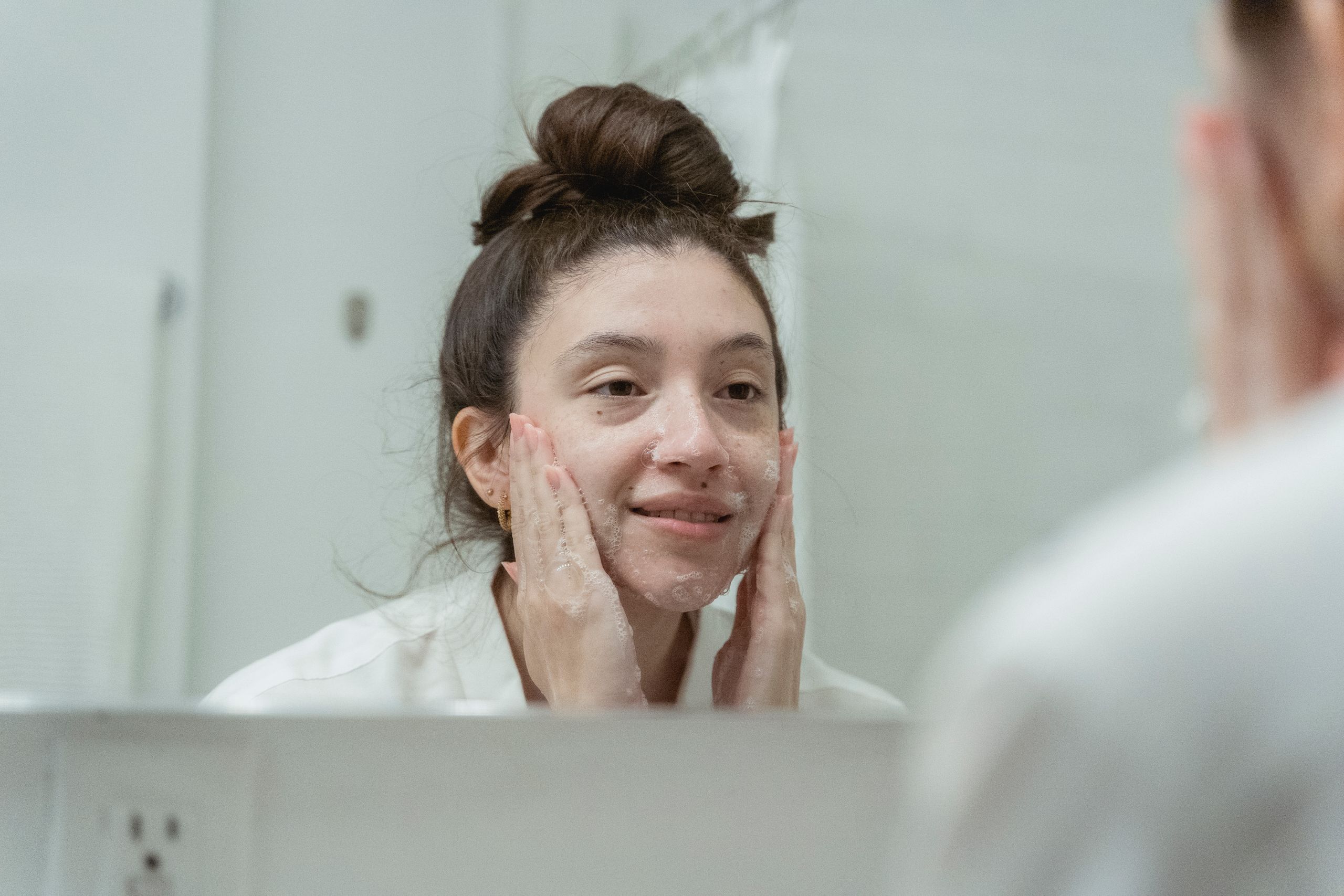
A daily skincare routine consisting of a gentle cleanser, moisturizer, sunscreen, and targeted treatments produces far better results than sporadic use of expensive products. Regular application ensures your skin barrier remains intact, and your active ingredients perform effectively.
If a serum is so costly that you ration it, you undermine its benefits. Skipping days or using only minimal amounts can prevent your skin from showing measurable improvement. The most expensive product in your drawer is meaningless if it cannot be incorporated into a consistent, manageable routine.
Affordable Options Have Caught Up
Drugstore brands have dramatically improved in formulation, packaging, and ingredient transparency. Today’s affordable products can include fragrance-free moisturizers, barrier-repairing creams, mineral sunscreens, retinoids, and gentle cleansers that rival many luxury lines. Innovation is no longer limited to high-end labels.
Price is no longer a reliable indicator of quality. Savvy shoppers can compare concentrations, ingredient stability, and formulation methods to ensure they are receiving value. Many budget-friendly products now incorporate the same science-backed ingredients once exclusive to luxury brands, making quality accessible without a hefty financial commitment.
Texture Doesn’t Equal Treatment

Luxury products often feel velvety, silky, and indulgent, creating a spa-like experience in your own home. This sensory satisfaction has real value, but it does not guarantee measurable skin benefits. Many creams feel luxurious on application but provide only basic hydration or temporary softness.
Enjoying texture is valid, but it should not justify the price alone. Spending hundreds on a product that is mostly aesthetic rather than functional is often less effective than investing in a modestly priced, consistently effective routine tailored to your specific skin needs.
Expensive Products Can Encourage Risky Habits
High cost can make users overlook irritation or burning, assuming that strong reactions indicate effectiveness. This mindset can damage the skin barrier, cause redness, and worsen existing concerns. Even premium products can be too harsh if layered incorrectly or used too frequently.
Learning to listen to your skin is crucial. Expensive products do not make you immune to damage, and blindly trusting marketing claims can be costly in both financial and dermatological terms. Smart skincare prioritizes safety and efficacy over prestige or price.
Conclusion
Expensive beauty products are not inherently superior, and affordable alternatives often perform just as well or better. Effective skincare relies on ingredients, routine consistency, and understanding your individual skin type.
Luxury items can be enjoyable when they enhance your self-care routine, but their cost should never dictate your regimen. In the end, informed choices, patience, and attention to what your skin actually needs are far more valuable than a high price tag, delivering long-term results without wasting money.