Rising prices have changed the way many households look at everyday waste. A half-used bottle, a leftover spoon of rice, or a stack of extra napkins no longer feels like clutter. It feels like money sitting quietly in the kitchen drawer.
In the United States, food waste alone is estimated at 30 to 40 percent of the food supply, which means the small things we throw away every day are part of a much bigger spending problem. Add that to the fact that American households spent an average of $10,169 on food in 2024, and suddenly those “cheap” habits start looking less ridiculous and more like financial common sense.
Washing and Reusing Resealable Bags
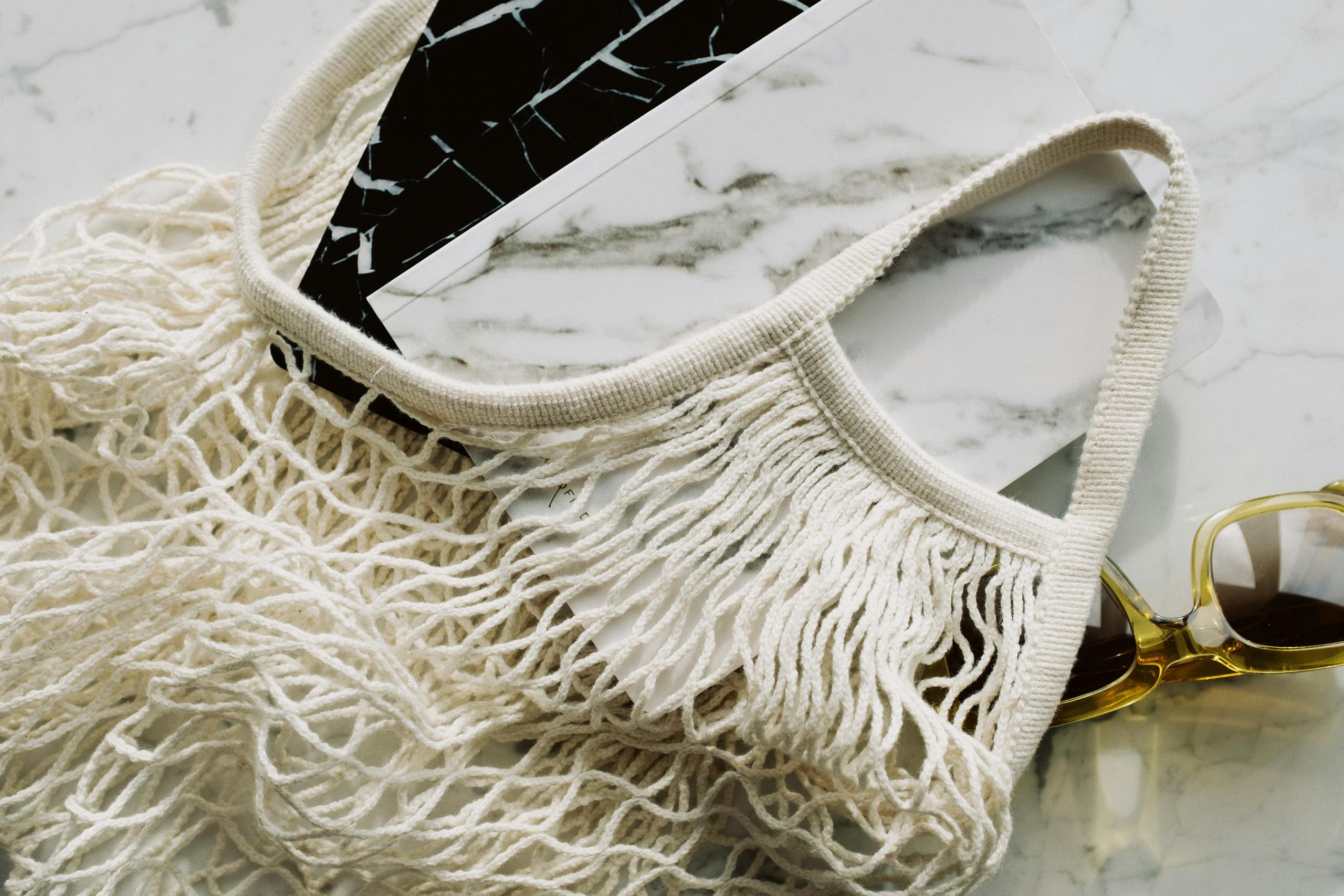
We know someone is serious about waste when a resealable bag gets washed, dried, and placed back in rotation like a loyal kitchen tool. It may look extreme to people who toss plastic bags after one sandwich, but the habit makes sense when we think about how often households use small disposable items without noticing the cost.
A clean bag that holds bread, crackers, dry snacks, or chopped vegetables can often be reused safely for similar low risk storage. The key is knowing the difference between smart reuse and risky reuse, since bags that held raw meat or greasy food should not be treated the same way. The real benefit is not just saving pennies but building a mindset that refuses to turn convenience into automatic waste.
Saving Takeout Napkins for Everyday Spills
A drawer full of takeout napkins can look messy, but it is also one of the easiest ways to stop buying more paper products than necessary. Restaurants, coffee shops, and delivery orders often include extra napkins that never touch food, yet many people throw them away without thinking.
We can use those napkins for lunchboxes, car spills, quick counter wipes, or small messes that do not require a full paper towel. The habit works best when the napkins are stored neatly instead of shoved into a chaotic drawer. Done right, it turns accidental extras into a quiet household backup system.
Keeping Condiment Packets Instead of Buying Duplicates
Ketchup, mustard, soy sauce, hot sauce, taco sauce, and honey packets can pile up fast. Some people see them as junk, but waste conscious households see them as perfectly usable flavors sitting in tiny plastic sleeves.
This habit becomes useful when we pack lunches, season leftovers, or need a small amount of sauce without opening a full bottle. The smarter version of this habit involves checking dates, tossing damaged packets, and keeping everything in a small labeled container. We save money only when the packets actually get used, not when they become a museum of forgotten fast food orders.
Diluting the Last Drops of Soap and Shampoo
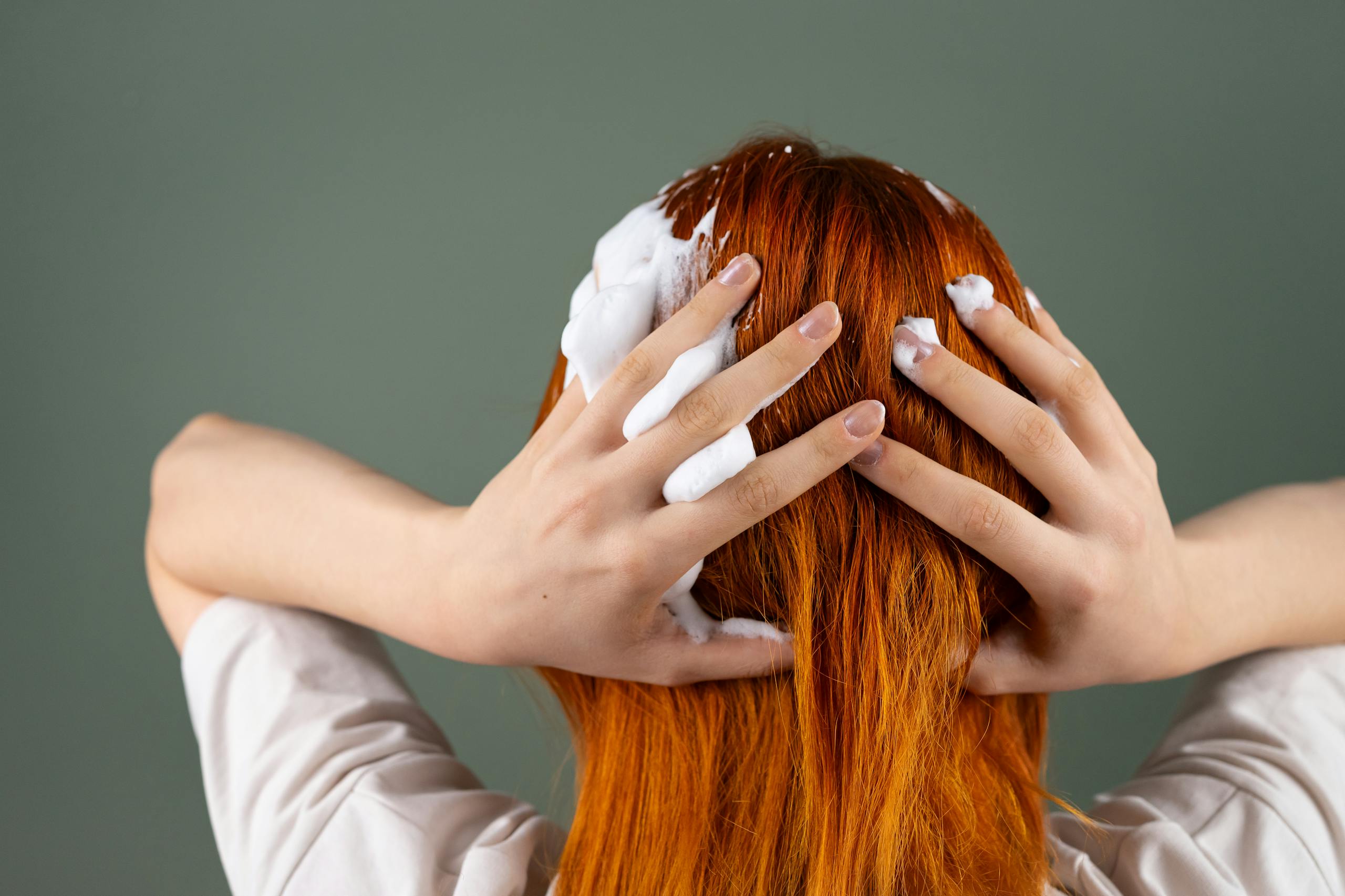
There is always more product hiding inside a bottle than the pump wants to admit. Adding a little water to hand soap, dish soap, shampoo, or conditioner can stretch the final uses and stop us from tossing containers too early.
This works best near the end of the bottle, not as a permanent way to weaken every product in the house. We should also avoid over diluting products that need strength to clean properly. Still, using the last bit before opening a new bottle is a classic waste hater move, and it feels strangely satisfying.
Turning Glass Jars Into Free Storage Containers
A pasta sauce jar does not stop being useful once the sauce is gone. Washed glass jars can store rice, beans, buttons, screws, homemade dressing, craft supplies, coins, leftovers, or pantry odds and ends.
This habit saves money because storage containers can become surprisingly expensive, especially when we keep buying matching sets that vanish into cabinets. Glass jars also make it easier to see what we already own, which reduces duplicate purchases. The only rule is simple: keep what we can realistically use and recycle the rest before the kitchen starts looking like a jar warehouse.
Reusing Gift Bags and Tissue Paper
Gift bags are one of the easiest things to reuse because many of them survive birthdays, holidays, baby showers, and graduations in perfect condition. Throwing them away after one use feels especially wasteful because they are designed to look nice, not to serve a long term purpose.
A small collection of folded bags, ribbons, and tissue paper can save money during gift heavy seasons. The habit becomes even better when we organize bags by size and occasion. We do not need to buy new wrapping supplies every time life demands a present.
Using Bread Bags and Grocery Bags as Small Trash Liners
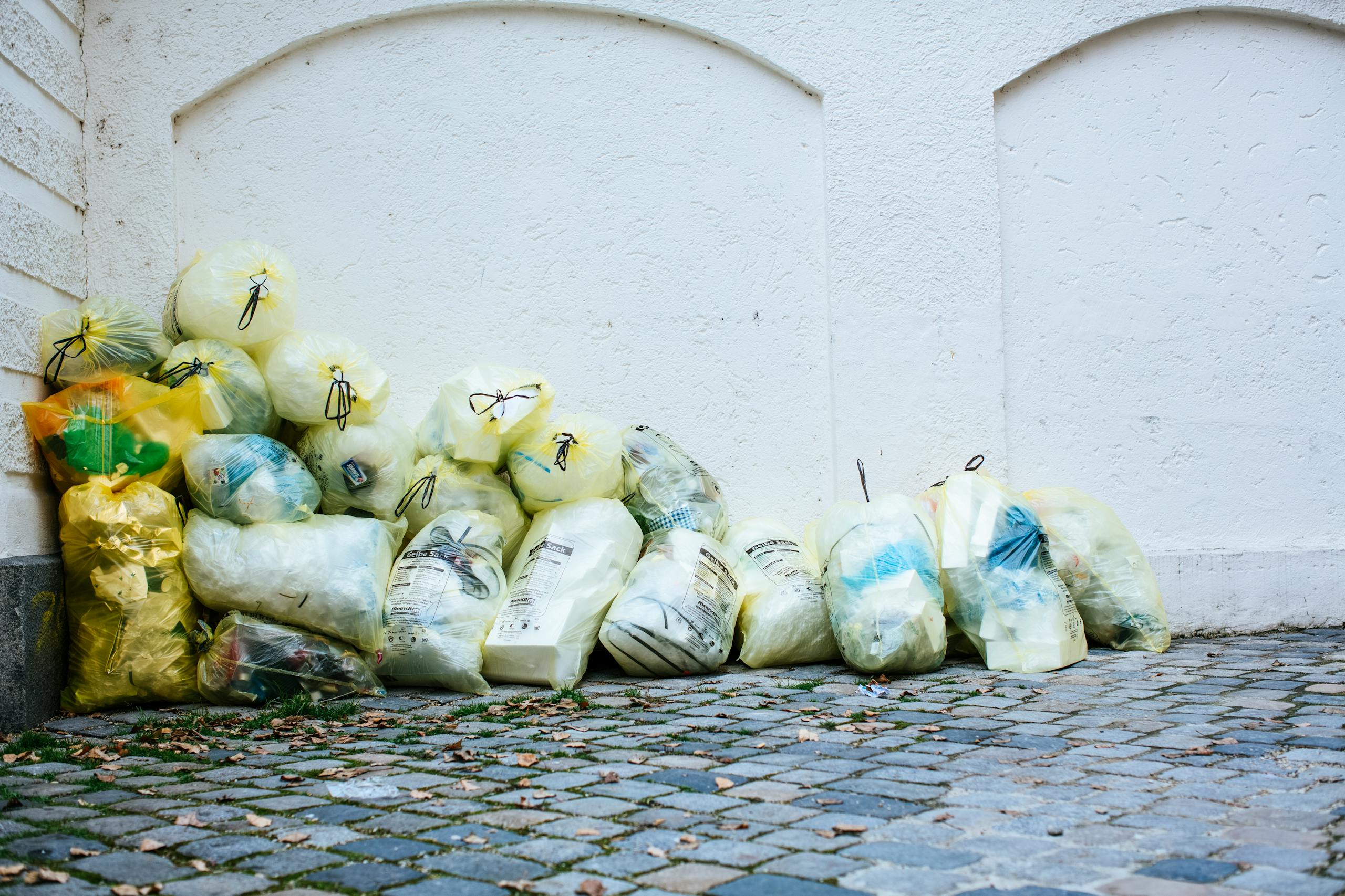
Tiny trash cans do not need expensive liners. Bread bags, produce bags, and grocery bags can handle bathroom trash, car trash, pet cleanup, or small household waste.
This habit gives plastic one more job before it leaves the house. It also keeps us from buying rolls of small trash bags when we already have usable bags coming in through normal shopping. The result may not look fancy, but frugality rarely asks for applause.
Wearing Clothes Until They Truly Wear Out
Some people replace clothes when trends change. Waste haters replace clothes when the fabric surrenders. A shirt with fading color becomes a sleep shirt, then a cleaning shirt, then a rag.
This habit pushes back against the pressure to treat clothing as disposable. Buttons can be reattached, small tears can be stitched, and old jeans can be used for chores. We get more value from every item when we stop confusing “old” with “useless.”
Saving Tiny Leftovers Instead of Throwing Them Away
A spoonful of rice, half a chicken breast, or a small scoop of vegetables may not look like a meal by itself. Combined with other leftovers, however, it can become fried rice, soup, an omelet filling, a wrap, or a quick lunch.
Food waste is one of the most expensive forms of household waste because we already paid for the food, carried it home, stored it, cooked it, and then threw it away.
EPA data shows that 66 million tons of wasted food came from the food retail, food service, and residential sectors in 2019, with about 60 percent sent to landfills. Saving leftovers is not glamorous, but it is one of the most direct ways to protect the grocery budget.
Cutting Open Tubes to Reach Hidden Product
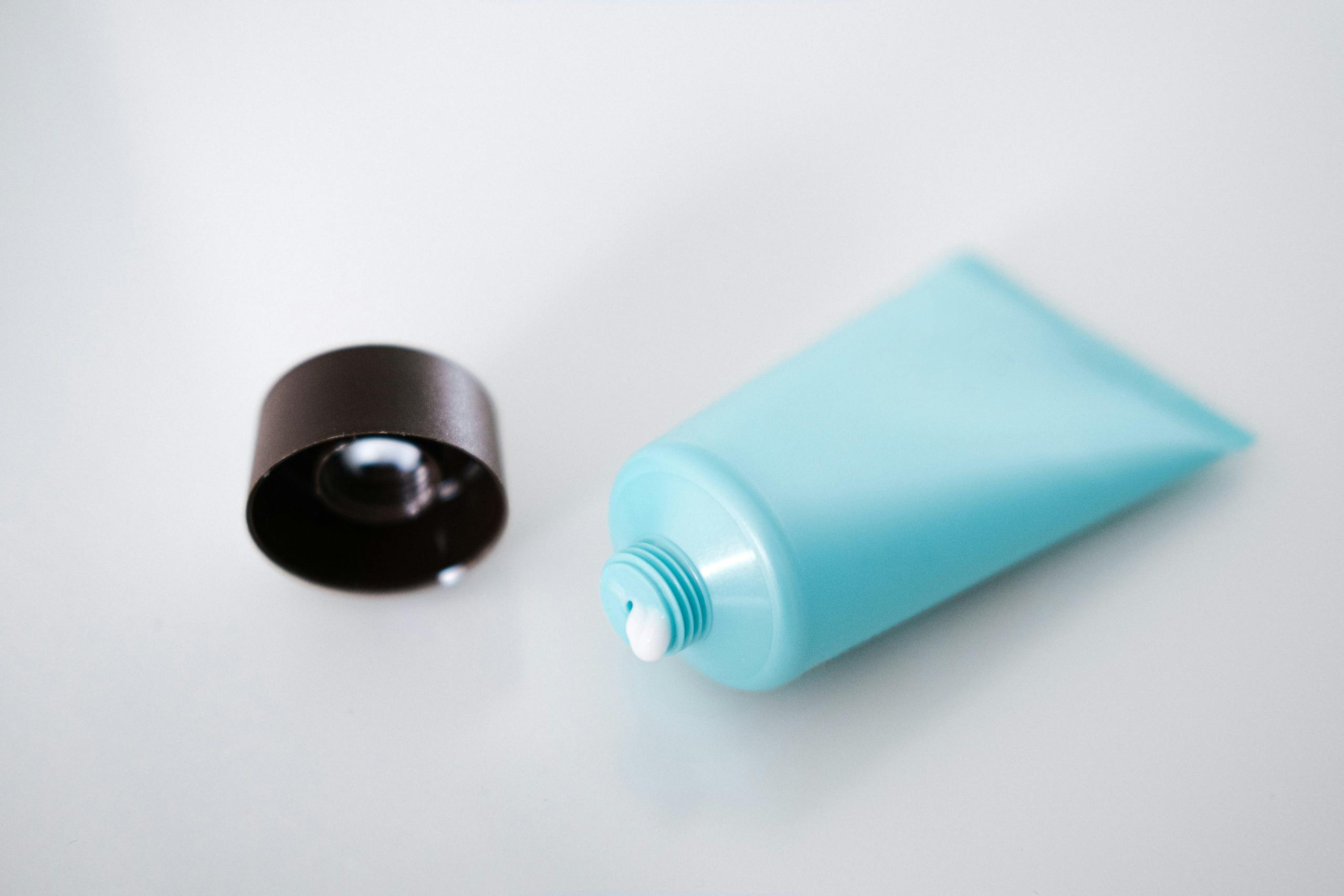
Toothpaste, lotion, sunscreen, makeup, and ointment tubes often hold several more uses after they stop squeezing properly. Cutting the tube open reveals how much product was trapped along the sides and bottom.
This habit feels almost rebellious because it exposes how much we are trained to throw away early. A small spatula, cotton swab, or clean finger can pull out enough product to last days. We should store opened tubes carefully and use them quickly, but the savings are real when the item is expensive.
Conclusion
The cheapest habits are not always about being broke, stingy, or old fashioned. Many of them come from a sharper way of seeing value. We stop treating money as something that only leaves through big purchases and start noticing how it leaks through trash cans, junk drawers, half-used bottles, and forgotten leftovers.
Frugality becomes powerful when it stays practical. We do not need to save every packet, jar, bag, rag, and ribbon until the house feels crowded. We only need to build habits that help us buy less, use more, waste less, and respect the things we already paid for.