A stranded fishing boat, a billionaire’s luxury yacht, and a missed radio call turned a routine Alaska rescue into a much bigger story.
A small fishing boat stranded in the remote waters of Southeast Alaska needed help. The rescue ended safely, but the story took an unexpected turn when people learned that one of the nearby vessels was Launchpad, the massive superyacht connected to Meta founder Mark Zuckerberg.
That detail quickly transformed a simple maritime assistance call into a debate about wealth, responsibility, and what really happened on the water.
The central question spread fast. Why did another vessel respond when a billionaire’s yacht was reportedly nearby? The answer, however, is more complicated than the headlines initially made it seem.
The stranded boat was not facing an immediate life threatening emergency. Zuckerberg’s representatives said the yacht crew did not ignore the request for help and instead missed the initial Coast Guard broadcast because they were monitoring a different radio channel. By the time they became aware of the situation, another vessel had already responded.
That vessel was the Wilderness Legacy, a passenger cruise ship operating in the area. Its crew changed course, reached the stranded boat, and helped tow it to safety. The boat was later refueled, bringing the immediate problem to a safe and uneventful end.
The rescue itself was successful, but the contrast between the two vessels kept the story alive. One was a passenger ship that heard the request and responded, while the other was a massive luxury yacht linked to one of the world’s richest technology executives. That contrast became the emotional center of the controversy.
A simple fuel problem became a global headline
AramilFeraxa, CC BY 4.0, via Wikimedia Commons
The incident began when a 21 foot skiff traveling through Southeast Alaska ran out of fuel. The boat was moving between Petersburg and Juneau when its occupants contacted the U.S. Coast Guard for assistance. Officials assessed the situation and determined that the vessel needed help but was not in immediate danger.
The Coast Guard then issued a marine assistance broadcast to nearby vessels. These broadcasts allow ships already in the area to respond when another boat encounters a problem that does not necessarily require a full emergency operation. In remote Alaska waters, that kind of cooperation can make a major difference.
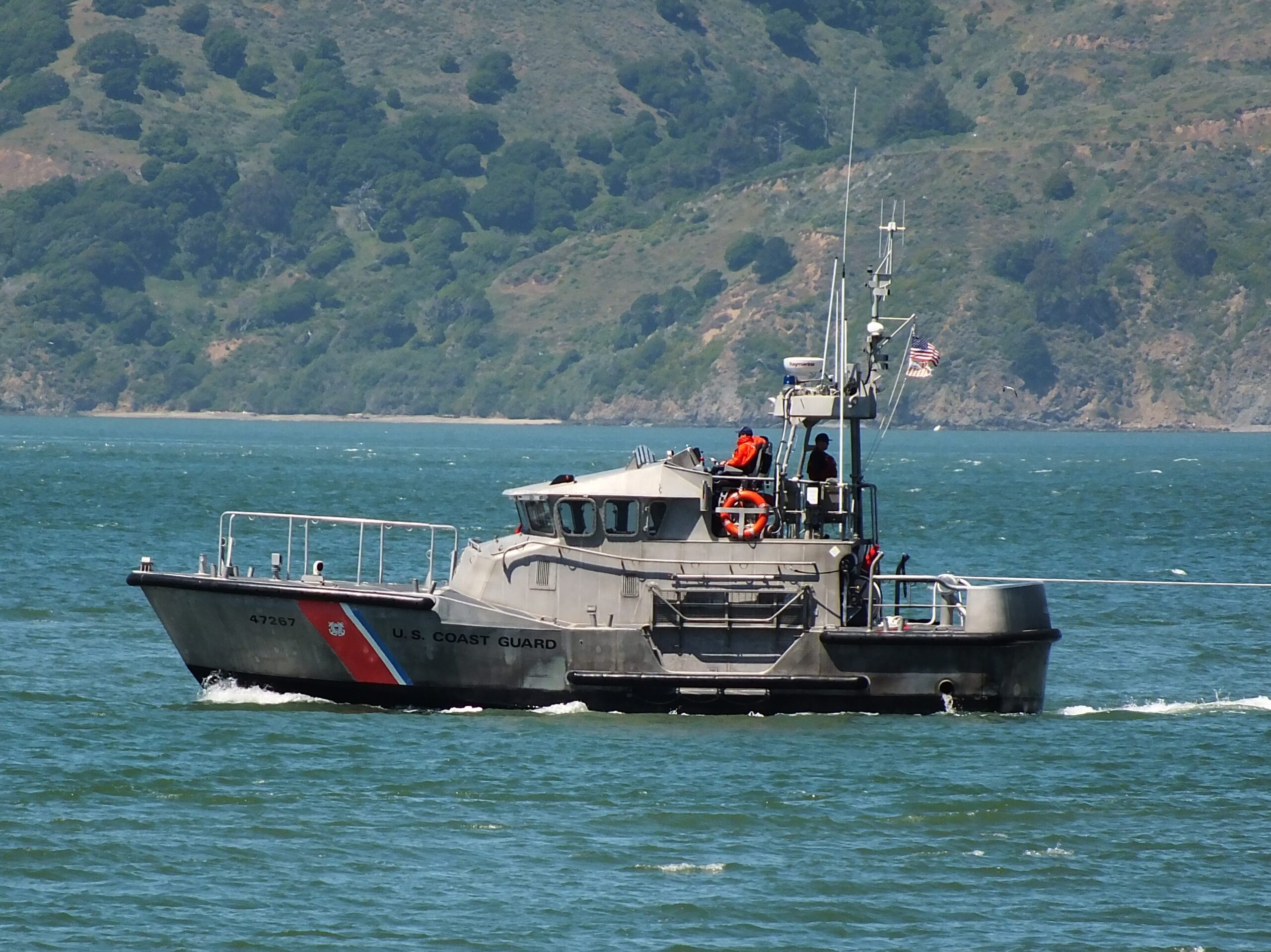
The Wilderness Legacy heard the request and headed toward the stranded skiff. Its crew helped tow the vessel into Farragut Bay, where it could be refueled. No major injuries were reported, and the boat was able to continue after receiving assistance.
Under ordinary circumstances, the incident might have ended there. Boats run out of fuel, other vessels help, and the story rarely travels far beyond the local area. The presence of Launchpad changed that almost immediately.
The yacht attracted attention because of its connection to Zuckerberg. A routine Coast Guard assistance call suddenly involved a vessel associated with extreme wealth, advanced technology, and global celebrity. That combination gave the incident a level of public interest it otherwise might never have received.
The missed radio call that changed everything
The greatest detail in the dispute is the radio communication. Zuckerberg’s representatives said Launchpad’s crew was not aware of the Coast Guard request when it was first broadcast. They said the yacht was monitoring a different channel and therefore did not hear the initial call.
That distinction matters because maritime assistance often depends on receiving the right communication at the right time. A vessel can be relatively close to another boat and still miss a request if it is not monitoring the channel carrying that broadcast. Physical distance does not automatically mean a crew knows assistance is needed.
The situation was also not treated as a Mayday emergency. The Coast Guard determined that the stranded boat needed assistance but was not facing an immediate threat to life. That separates the incident from a case in which a vessel knowingly ignores people in severe distress.
Still, the public reaction showed how quickly expectations rise when a famous billionaire is involved. Some critics questioned whether a vessel with Launchpad’s size and resources should have responded sooner. Zuckerberg’s representatives maintained that the crew simply did not hear the request before another vessel stepped in.
The controversy ultimately came down to a narrow but important sequence of events. One vessel received the request and responded, while another reportedly did not receive it in time. Everything that followed grew from that difference.
Alaska’s waters make every rescue different
Southeast Alaska is not ordinary boating territory. The region contains thousands of islands, narrow passages, shifting weather conditions, and long stretches of water between communities. Fishing boats, cruise ships, private yachts, and commercial vessels regularly operate in the same remote environment.
In places like this, cooperation at sea is especially important. Help may be far away, and the vessel closest to a problem can sometimes become the fastest source of assistance. That reality has helped shape a long maritime tradition of helping others whenever it can be done safely.
The Wilderness Legacy’s role fits naturally into that tradition. Its crew heard the call, adjusted course, and provided practical assistance to a boat that had run out of fuel. The response was simple, effective, and ultimately enough to resolve the situation.
Launchpad became controversial largely because of perception. A stranded fishing boat is one kind of story, but a stranded fishing boat near a billionaire’s superyacht is something entirely different. The presence of enormous wealth changes how people interpret even routine events.
That reaction says as much about public expectations as it does about maritime procedure. People tend to assume that extraordinary resources should come with extraordinary responsibility. When a luxury yacht is nearby, and another vessel provides the help, questions are almost guaranteed to follow.
A safe ending, but a much bigger debate
At its core, the Alaska incident ended successfully. The stranded boat received help, the passengers reached safety, and no major emergency developed. The Wilderness Legacy crew handled the situation before it could become something more serious.
What made the story unusual was everything surrounding the rescue. A missed radio broadcast, a billionaire’s yacht, and a smaller passenger vessel combined to create a controversy far larger than the original problem. The boat needed fuel, but the public conversation quickly shifted toward accountability and expectations.
The incident also shows how easily a routine event can become a global story when a famous name is attached. Without Zuckerberg’s yacht nearby, the rescue might have remained a brief local maritime incident. With Launchpad in the picture, every detail suddenly carried more weight.
The final lesson is not that a dramatic rescue was ignored. The available account points instead to a communication failure, followed by another vessel successfully responding to the call. The help came from the ship that heard the message, while the controversy centered on the one that apparently did not.