A Sloppy Joe is easy to recognize until someone asks where it came from.
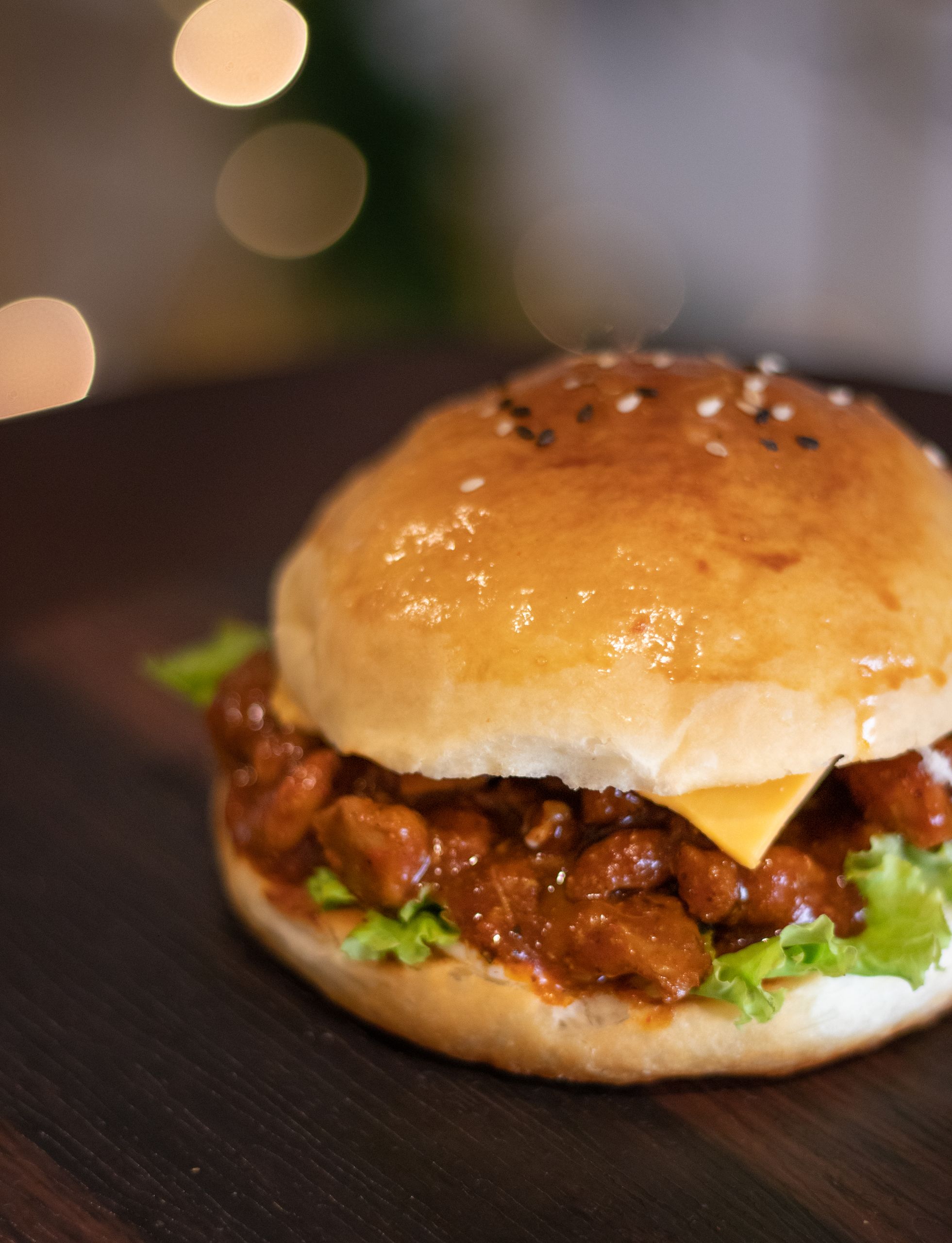
For many Americans, the name means ground beef in tomato-based sauce, piled onto bread with little concern for keeping everything neatly inside. But tracing that sandwich to a single inventor leads to competing stories involving an Iowa cook, a Havana bar, and a Key West establishment associated with Ernest Hemingway.
The answer is less tidy than the sandwich: the accounts reviewed here do not establish one definitive inventor. Public radio’s The Dinner Party Download explored the competing claims in 2015 without declaring a winner.
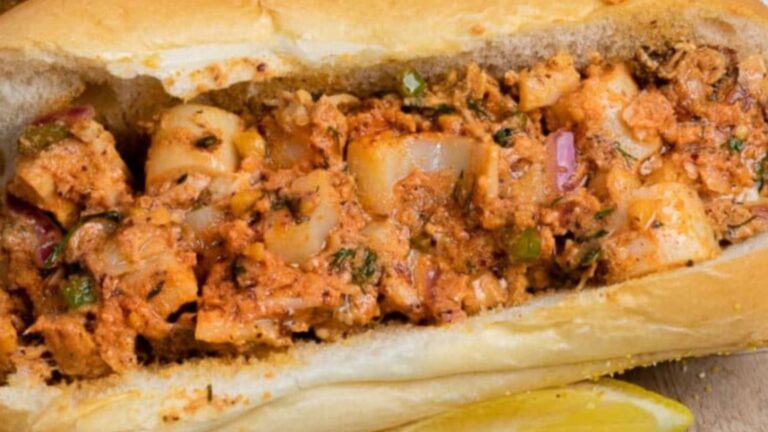
There is another complication. In northern New Jersey, a Sloppy Joe can mean a layered deli sandwich with sliced meats, Swiss cheese, coleslaw, and Russian dressing. Confusing that regional specialty with the saucy ground-beef version makes an already tangled history harder to follow.
The Iowa Story Starts With Loose Meat
One familiar origin story places the sandwich in Sioux City, Iowa, during the 1930s.
As The Dinner Party Download recounts in its examination of Sloppy Joe history, a cook named Joe supposedly added tomato sauce to ground beef, creating the sandwich that became his name. The program presents this as one competing account, not a settled historical finding.
The story appeals because it’s simple. A cook makes a small change to a loose-meat sandwich, and the resulting dish acquires his name.
It also highlights an important culinary distinction. Loose meat describes the filling’s form: crumbled meat rather than a patty. Tomato sauce is what connects the Iowa account to the familiar, saucy Sloppy Joe.
That makes the story a plausible account of how a sandwich could evolve. It does not, by itself, establish who first made it or whether the name began there.
A memorable explanation is not necessarily a documented invention.
Havana and Key West Offer Another Route
The competing barroom story takes the sandwich south, first to Havana and then across the Florida Straits.
The Dinner Party Download recounts a tradition involving Havana’s Sloppy Joe’s and a sandwich related to ropa vieja, the Cuban preparation of shredded beef simmered in tomato sauce. In that telling, Hemingway connects the Havana establishment to the Key West bar, where a ground-beef version becomes part of the story.
The official history published by Sloppy Joe’s Bar in Key West supports a narrower connection. It dates the bar’s official beginning to December 5, 1933, and says Hemingway encouraged owner Joe Russell to adopt the Sloppy Joe’s name from a Havana establishment.
That is useful evidence for how the Key West business explains its name. It is not proof that Russell, Hemingway, or the Havana proprietor invented the American ground-beef sandwich.
The distinction matters because two histories can overlap without being identical. A bar’s name can travel. A sandwich can travel. A recipe can change along the way.
Establishing the first does not automatically establish the other two.

Related: 6 Tiny Restaurant Touches That Are Quietly Winning Over Diners and Making Every Visit Feel Personal
New Jersey’s Sloppy Joe Is a Different Sandwich
Then comes the sandwich that can surprise anyone expecting hot ground beef.
At Town Hall Deli in South Orange, New Jersey, a Sloppy Joe is a layered construction of deli meats, Swiss cheese, coleslaw, and Russian dressing on three slices of rye bread. Its “Original Joe” combines ham, tongue, and Swiss.
The deli’s history traces its origin to a 1930s visit to Havana by Maplewood’s mayor, Mayor Sweeney. According to that account, he enjoyed a sandwich at Sloppy Joe’s and, after returning home, asked the deli’s proprietors to reproduce it for a card game.
Town Hall calls itself the birthplace of the Sloppy Joe. That claim needs its regional context: the sandwich described on its website is not the tomato-sauced ground-beef version at the center of the Iowa story.
Treating them as interchangeable would erase the most useful detail. The same name refers to substantially different sandwiches.
The New Jersey account is therefore not simply another claim about who first put saucy ground beef on a bun. It is also a story about a separate deli tradition, and its claimed inspiration from Havana.
Recipe History and Name History Are Different Questions
The familiar Sloppy Joe combines loose ground meat, tomato-based sauce, and bread. The competing accounts approach that combination from different directions.
The Iowa story emphasizes adding sauce to ground beef. The Havana tradition introduces a tomato-simmered beef sandwich. The Key West account connects establishments through a shared name. New Jersey preserves that name in a different kind of sandwich altogether.
Those distinctions explain why naming an inventor is difficult. “Who first made this filling?” and “Who first called a sandwich a Sloppy Joe?” are not necessarily the same question.
How the Sloppy Joe Became a Familiar Meal
The sandwich’s inventor remains disputed, but its later history offers clearer milestones.
A 2020 report in MEL Magazine notes that Sloppy Joe references appeared regularly in newspapers during the 1940s and that the sandwich was being served in school cafeterias by 1949. Those examples place it in everyday American dining well before packaged sauce became part of the story.
Another milestone arrived in 1969 with the introduction of Manwich. Conagra Brands spokesperson Dan Skinner told the publication that Hunt’s developed the canned sauce as it expanded beyond its existing tomato and vegetable products.
The sauce offered a shortcut for preparing the filling at home. Skinner also credited the brand’s mid-1970s advertising slogan, “A sandwich is a sandwich, but a Manwich is a meal,” with helping its popularity grow. That is the company’s account of its marketing impact, rather than an independent measurement.
These milestones do not settle who invented the Sloppy Joe. They help explain how a sandwich with an uncertain beginning became associated with cafeteria lunches and convenient home cooking.
A Familiar Sandwich With an Unfinished History
The competing stories invite curiosity without requiring a winner.
Sioux City supplies the straightforward kitchen explanation. Havana and Key West connect food, travel, and barroom naming. South Orange shows how one name can become attached to a different regional favorite.
For a food so readily associated with familiarity, that uncertainty is part of its interest. The sandwich can feel like an old friend even when its family tree remains unsettled.
If a familiar sandwich can carry several communities’ memories without a proven inventor, does knowing its single birthplace matter as much as understanding the traditions that kept it on the menu?