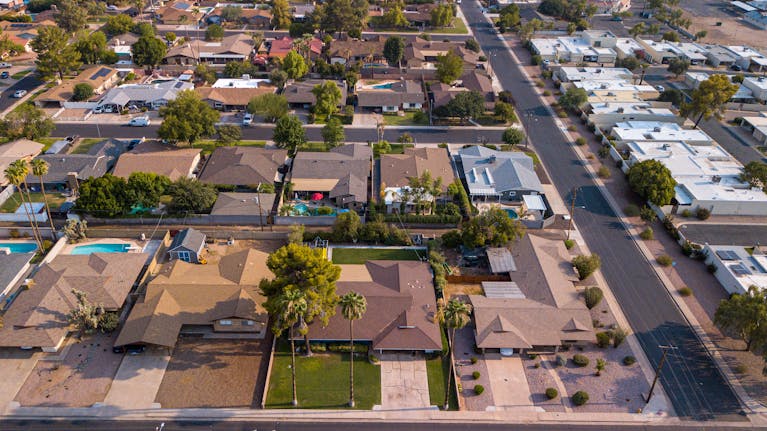
Arizona has always sold a beautiful promise: desert sunsets, mountain views, warm winters, and neighborhoods that feel close enough to big cities without swallowing you whole. But that dream is getting more expensive in the towns people used to see as smarter, quieter alternatives to Phoenix, Scottsdale, and Tucson.
The danger for buyers is simple: by the time a place becomes popular enough for everyone to notice, the best prices may already be disappearing.
This is why certain Arizona towns are getting so much attention from buyers, retirees, families, investors, and remote workers. Some offer strong schools, some offer mountain air, some offer luxury, and others offer space that still feels possible compared with the state’s flashier ZIP codes. These eight towns could become harder to afford if demand keeps moving faster than ordinary buyers can keep up.
Gilbert

Gilbert has gone from a quiet agricultural community to one of Arizona’s most polished suburban success stories. Families like it because it feels clean, safe, organized, and packed with the kind of everyday conveniences that make life easier.
The schools have a strong reputation, the restaurants keep multiplying, and downtown Gilbert has become the kind of place where people can imagine raising kids, meeting friends, and building a long term life without feeling stuck in a sleepy suburb.
That popularity is exactly why Gilbert feels risky for buyers who are waiting too long. It is still less expensive than Scottsdale, but that gap is part of the attraction, and gaps like that tend to shrink when enough buyers notice them. Once a town offers family appeal, entertainment, job access, and a polished lifestyle in one package, prices rarely stay gentle for very long.
Flagstaff
Flagstaff is not trying to be another Phoenix suburb, and that is part of its power. It offers cooler weather, pine trees, four seasons, mountain scenery, and access to outdoor life that feels completely different from the desert heat many people associate with Arizona.
Add Northern Arizona University, tourism, local employers, and a steady stream of people looking for a lifestyle change, and Flagstaff becomes more than a pretty town in the mountains.
The problem is that Flagstaff has a limited feel by nature. There is only so much mountain town charm to go around, and buyers who want cooler weather in Arizona often end up circling the same places. When a town combines climate relief, student demand, tourism, and lifestyle appeal, home prices can rise quickly because people are not just buying a house there. They are buying escape.
Queen Creek
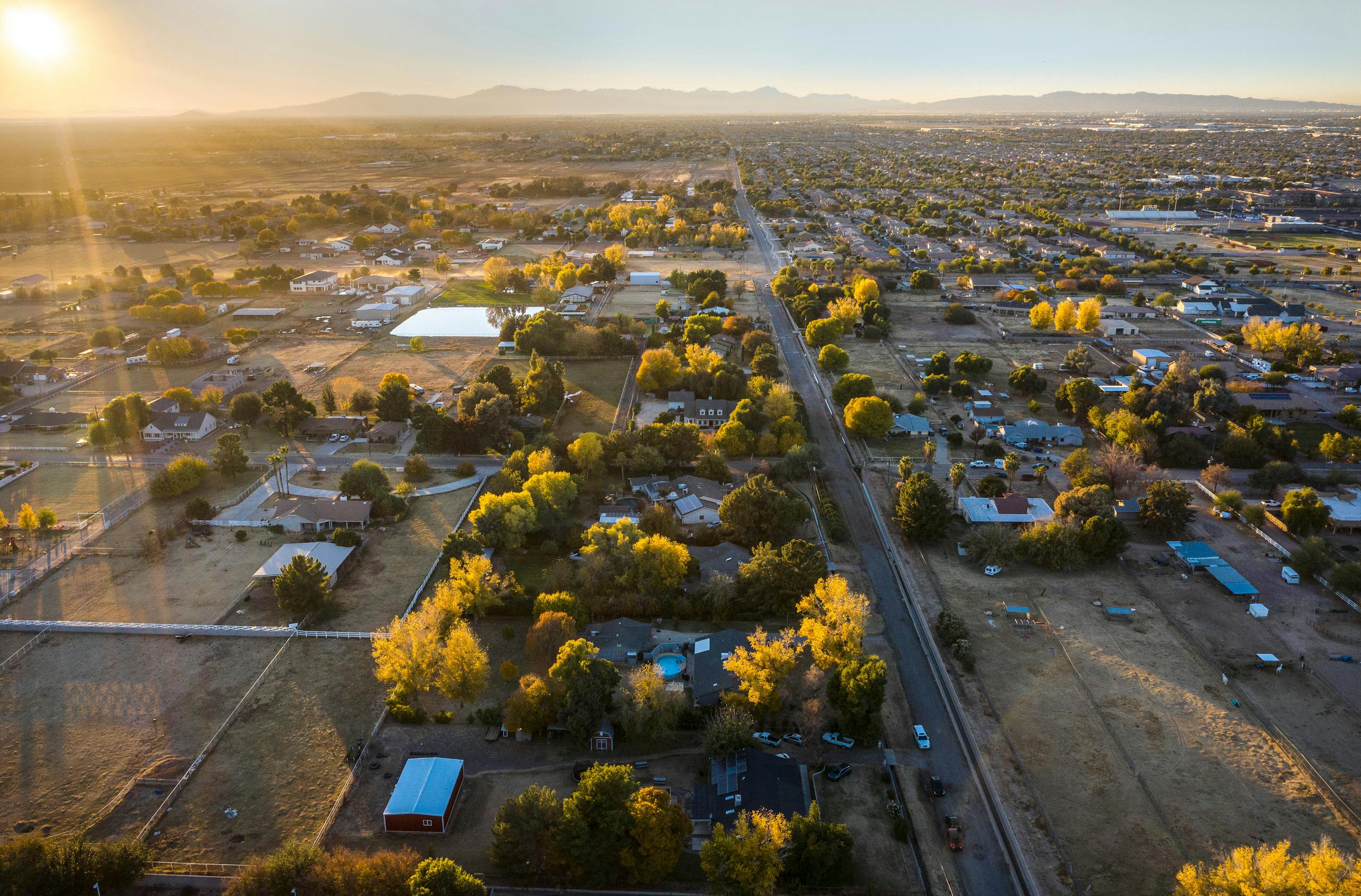
Queen Creek still carries the emotional pull of a smaller town, even as growth pushes it into a much bigger spotlight. People like the open space, newer homes, family centered atmosphere, and community events that make it feel warmer than some larger suburbs. For buyers who want access to the Phoenix metro area without feeling buried in the city, Queen Creek offers a tempting middle ground.
That middle ground is getting crowded. More families and professionals are looking for room, newer construction, and a neighborhood rhythm that feels calmer than the busiest parts of the Valley. As more buyers chase that same balance, Queen Creek could become one of those places people later describe with regret: affordable enough once, expensive once everyone caught on.
Paradise Valley
Paradise Valley is not pretending to be affordable, and that honesty almost makes it more intimidating. This is Arizona luxury at its most polished, with large lots, mountain views, grand homes, privacy, and access to both Phoenix and Scottsdale. Buyers who enter this market are not usually looking for a bargain. They are looking for prestige, space, beauty, and a neighborhood name that carries weight.
That makes Paradise Valley a different kind of price pressure story. It is not about first time buyers fighting for starter homes. It is about wealthy buyers competing for rare land, custom homes, views, and privacy in one of the most exclusive parts of the state.
When inventory is limited, and money is not the biggest obstacle for many shoppers, prices can move in a way that feels detached from the normal housing conversation.
Goodyear
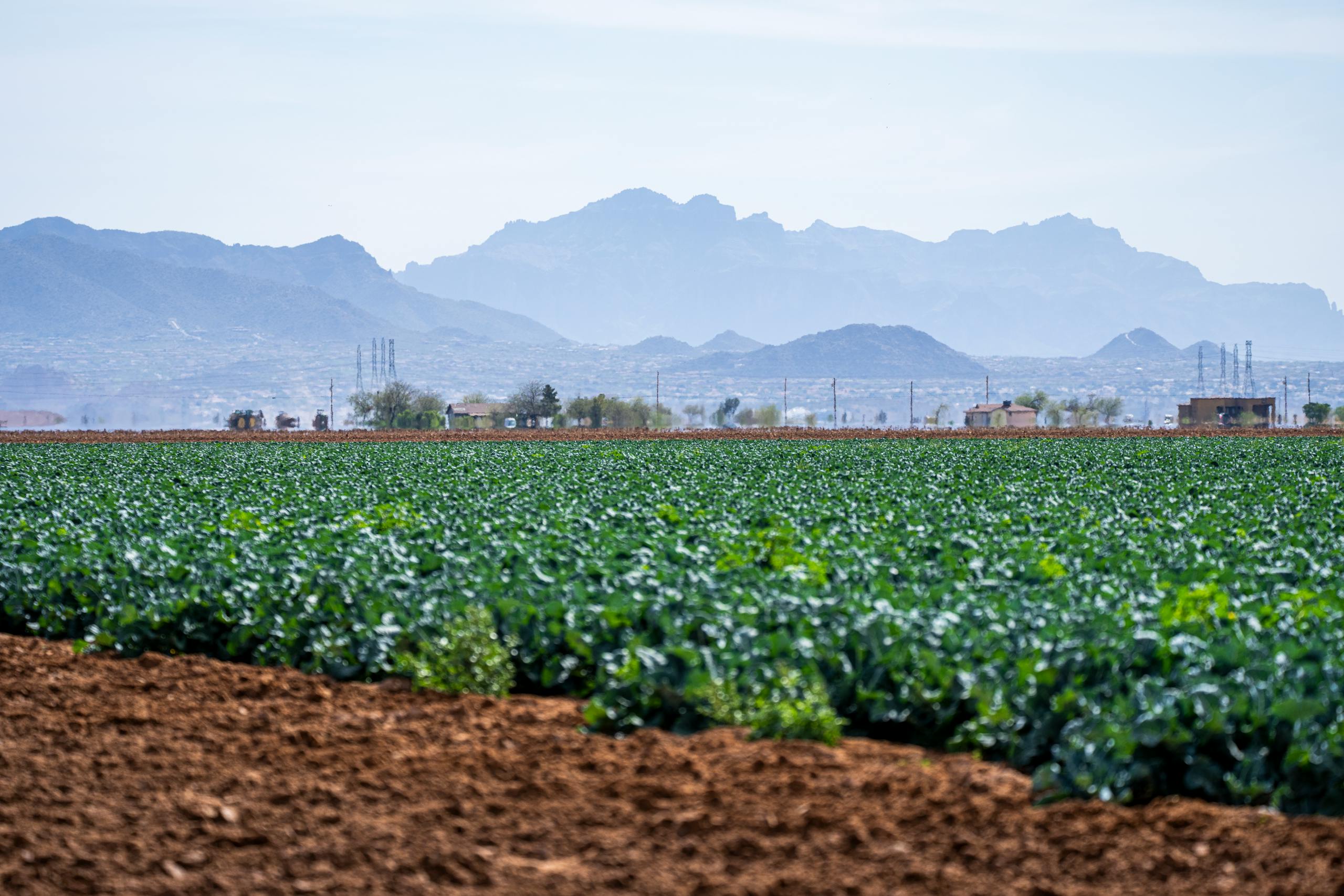
Goodyear is one of those West Valley names that keeps getting louder. It offers newer communities, access to Phoenix, more space for the money, and a growing employment story that gives buyers a reason to look beyond the older, familiar suburbs.
Infrastructure, housing development, and business investment have helped turn Goodyear into a serious contender for people who want value without feeling disconnected from opportunity.
The catch is that value does not stay hidden forever. Once major employers, builders, and relocating families start treating a city like the next practical choice, momentum can build quickly. Goodyear may still feel more approachable than some East Valley suburbs, but that is exactly why buyers are watching it closely. Today’s better deal can become tomorrow’s crowded bidding zone.
Chino Valley
Chino Valley appeals to people who want Arizona without the constant pressure of big city life. It offers a slower pace, outdoor access, northern Arizona scenery, and a quieter feel that can be hard to find in the faster growing parts of the state. For buyers tired of traffic, density, and endless suburban sameness, Chino Valley feels like a reset button.
That quiet appeal could also push prices higher. Remote workers, retirees, and buyers priced out of larger markets often begin searching for smaller towns that still offer beauty and livability. Once those buyers arrive, the local housing market can tighten quickly because smaller towns usually do not have endless inventory waiting. Chino Valley’s charm could become its pressure point.
Chandler
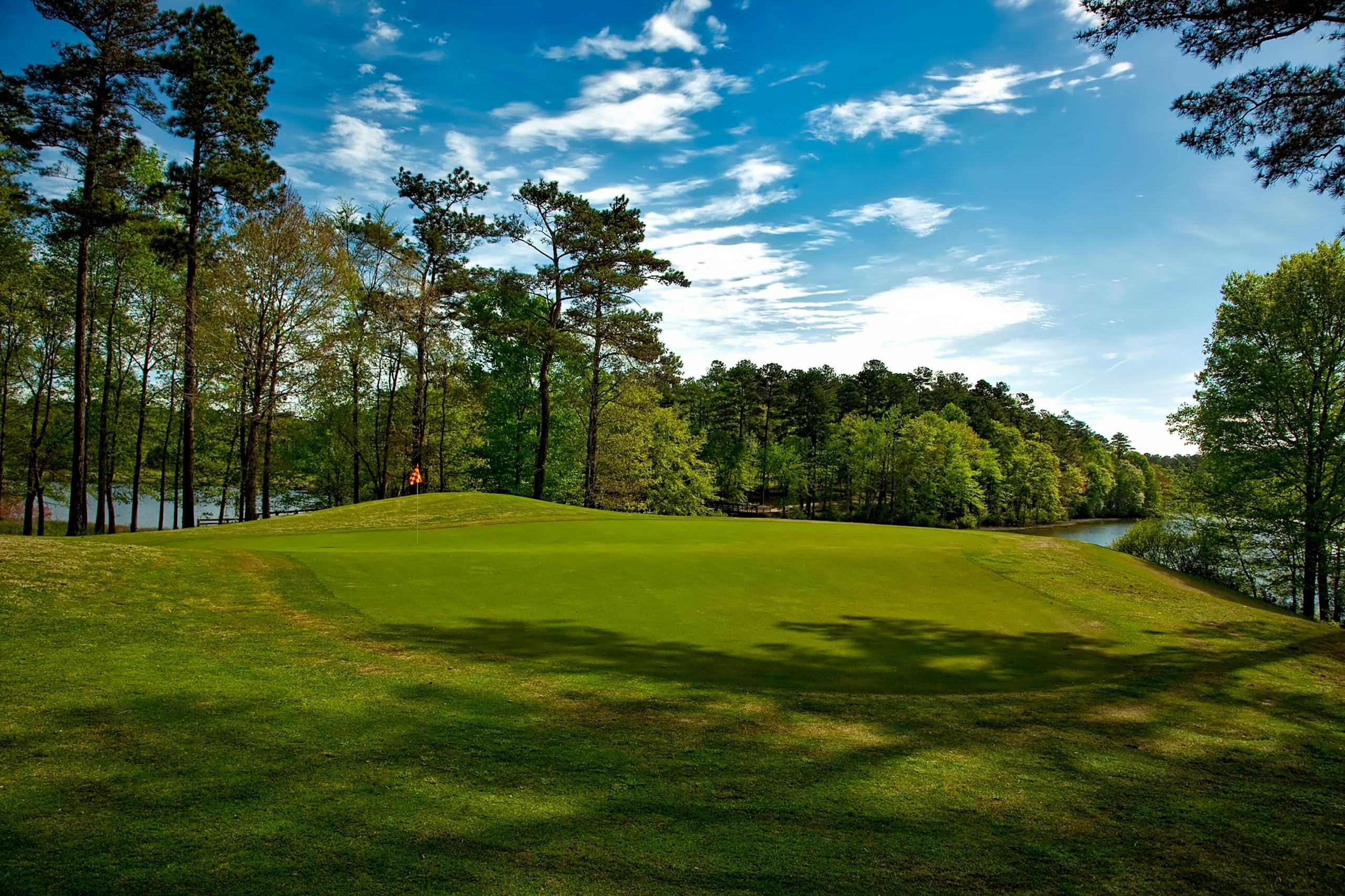
Chandler has the advantage of being established without feeling stale. It offers jobs, restaurants, shopping, parks, golf, schools, and quick access to the wider Phoenix metro area. For many buyers, Chandler feels like a safer bet than a raw growth market because it already has the amenities people want. You do not have to imagine what it might become. Much of the appeal is already there.
That maturity can make Chandler more expensive over time because buyers are paying for certainty. They know the commute patterns, the school options, the lifestyle, and the local conveniences.
When a suburb already has a strong reputation and continues to attract new interest, sellers often hold the advantage. Chandler may not feel like a hidden gem anymore, but that does not mean buyers can afford to ignore it.
Show Low
Show Low brings a very different kind of Arizona fantasy. It offers White Mountain scenery, cooler air, hiking, biking, and a lifestyle that feels far away from desert congestion. For families, retirees, and outdoor lovers, it can feel like the kind of place where money stretches further, and life slows down in a good way. That combination gives Show Low a quiet magnetism.
The danger is that scenic affordability rarely stays secret. Buyers who feel shut out of hotter markets often start looking at towns where nature, space, and lower prices still meet.
If more people see Show Low as a smart lifestyle move, demand could rise before local wages or inventory can keep pace. The town’s softer price trend may look like a warning sign to some, but to others, it may look like a rare opening.
Arizona’s housing story is no longer just about Phoenix, Scottsdale, or Tucson. Smaller cities and towns are now carrying their own pressure, shaped by jobs, schools, climate, lifestyle shifts, remote work, retirement dreams, and the simple desire for more space. The towns that feel comfortable today can become expensive tomorrow when enough buyers decide they want the same version of Arizona.
That does not mean every buyer should rush into a deal out of fear. It means waiting without a plan can be costly in places where demand has a clear reason to grow. Anyone watching these eight towns should study local inventory, compare monthly payments carefully, and move with discipline rather than panic. In Arizona’s most desirable pockets, hesitation can have a price tag.