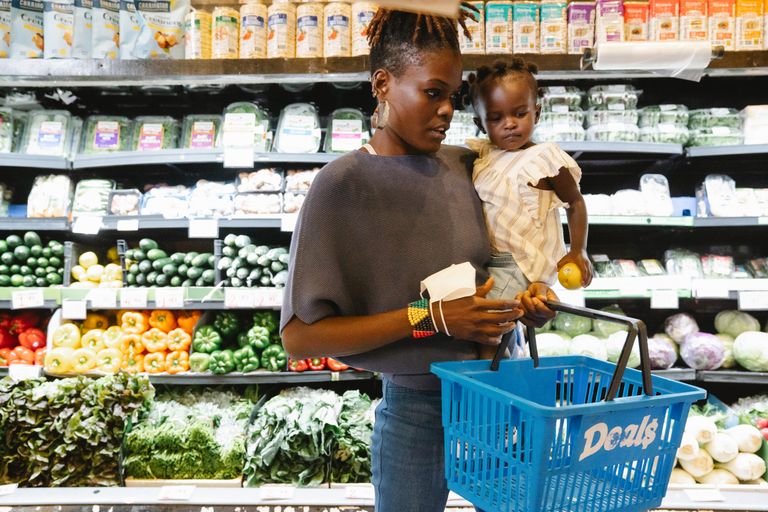
A new wave of SNAP restrictions is quietly reshaping grocery aisles across America. What began as soda and candy bans is becoming a complex, state-by-state puzzle that affects millions of families, small retailers, and even rural communities.
By 2028, nearly half of all states are expected to impose rules on sugary drinks, candy, energy drinks, and certain prepared desserts. For low-income households relying on SNAP benefits, this is not just a policy change; it’s a shift in how they plan meals, budget, and navigate stores.
“You Can’t Buy That With SNAP” The Checkout Shock

Many SNAP users won’t know a product is restricted until they try to swipe their card. A soda, candy bar, or energy drink may scan as ineligible, leaving families embarrassed and scrambling to pay cash. Lines can grow, and frustration rises when the rules vary from one state to the next.
This is the human side of the policy. Beyond calorie counts and ingredient lists, the restrictions land at checkout, testing patience and dignity for families who already juggle limited resources.
State-by-State Confusion Adds Stress
Each state sets its own rules, meaning a drink banned in Ohio might still be allowed in Kansas, while energy drinks are restricted in Missouri. Even the same product can be coded differently depending on local definitions or retailer systems.
For SNAP families who move, travel, or live near a border, this creates a constant learning curve. What was once a simple shopping trip can now feel like navigating a regulatory maze.
Small Stores Face Big Challenges
Retailers authorized to accept SNAP must also comply with new stocking rules, carrying more varieties of produce, dairy, protein, and grains. Large supermarkets may manage the changes easily, but small corner stores, gas station markets, and rural shops may struggle with higher costs, spoilage risks, and compliance pressures.
If they fail to meet the new standards, stores could lose SNAP authorization, limiting access in neighborhoods where options are already scarce.
Rural and Food Desert Implications
In urban areas with multiple supermarkets, shoppers may find alternatives. But in rural communities or food deserts, restrictions hit differently. Limited stores, higher prices, and fewer fresh options can turn healthy-food intentions into logistical challenges.
These restrictions highlight a systemic issue: access matters as much as policy. Without affordable, nutritious options nearby, banning sugary drinks and candy may punish families rather than promote health.
Health vs. Dignity: The Core Debate
Supporters argue that restricting junk food encourages healthier eating. Critics counter that low-income Americans shouldn’t face stricter food policing than anyone else at the grocery store.
The tension is real: families want nutrition but also need choice and dignity. Restrictions may nudge habits, but they also risk making food access feel conditional or judgmental.
Special Diets and Medical Needs
Not all banned items are indulgences. Some families rely on specific foods for allergies, diabetes, or other medical conditions. Restricting these items can create unintended health consequences and deepen inequality.
The lawsuit against USDA highlights these concerns, showing that policy decisions ripple into complex household realities that go beyond sugar and soda.
Retail Technology Is the Hidden Battlefield
For restrictions to work, point-of-sale systems, product databases, and cashier training must all be precise. Mislabeling a product can deny a valid purchase or allow a banned item, creating frustration and errors at checkout.
This makes the rollout more than a shopper issue; it’s a technology and logistics challenge for retailers nationwide.
SNAP’s Scale Amplifies the Impact
SNAP serves over 40 million people monthly and processes billions in grocery spending annually. Even narrow restrictions affect millions of shopping trips, small businesses, and state budgets.
The program’s sheer scale means small policy tweaks can ripple across communities, grocery aisles, and public perception.
What Families Should Do Now
Check state-specific implementation dates and restricted product categories. Keep a small cash backup for unexpected denials, ask retailers for clarification, and watch for updates on approved food items.
Planning is critical. Understanding the rules, knowing local store compliance, and preparing for checkout surprises can help families navigate restrictions without stress or wasted benefits.
Bottom Line
These SNAP restrictions are more than a ban on candy or soda; they are a nationwide experiment in nutrition policy, technology enforcement, and social equity. The true test will be whether families can shop with dignity, small stores can comply without closing doors, and healthier options are genuinely available when the rules take effect.
This is a policy that touches millions, shapes diets, and tests the balance between public health goals and real-life grocery realities. Families, retailers, and policymakers will all feel the impact as these rules roll out.