Imagine walking into your favorite grocery store only to discover that everyday essentials have become more expensive or temporarily unavailable. It’s a frustrating experience, especially when you’re trying to keep your household grocery budget under control.
According to the U.S. Department of Agriculture’s October 2026 Food Price Outlook, grocery prices are projected to rise 2.3% in 2026, with some categories facing steeper increases. Although there’s no evidence of an approaching nationwide food shortage, unexpected storms, delivery disruptions, and rising expenses can make grocery shopping more challenging.
Keeping a small supply of everyday pantry essentials can help you stay prepared without spending a fortune or buying more than you need. Here are 10 practical foods worth keeping stocked.
Canned Beans
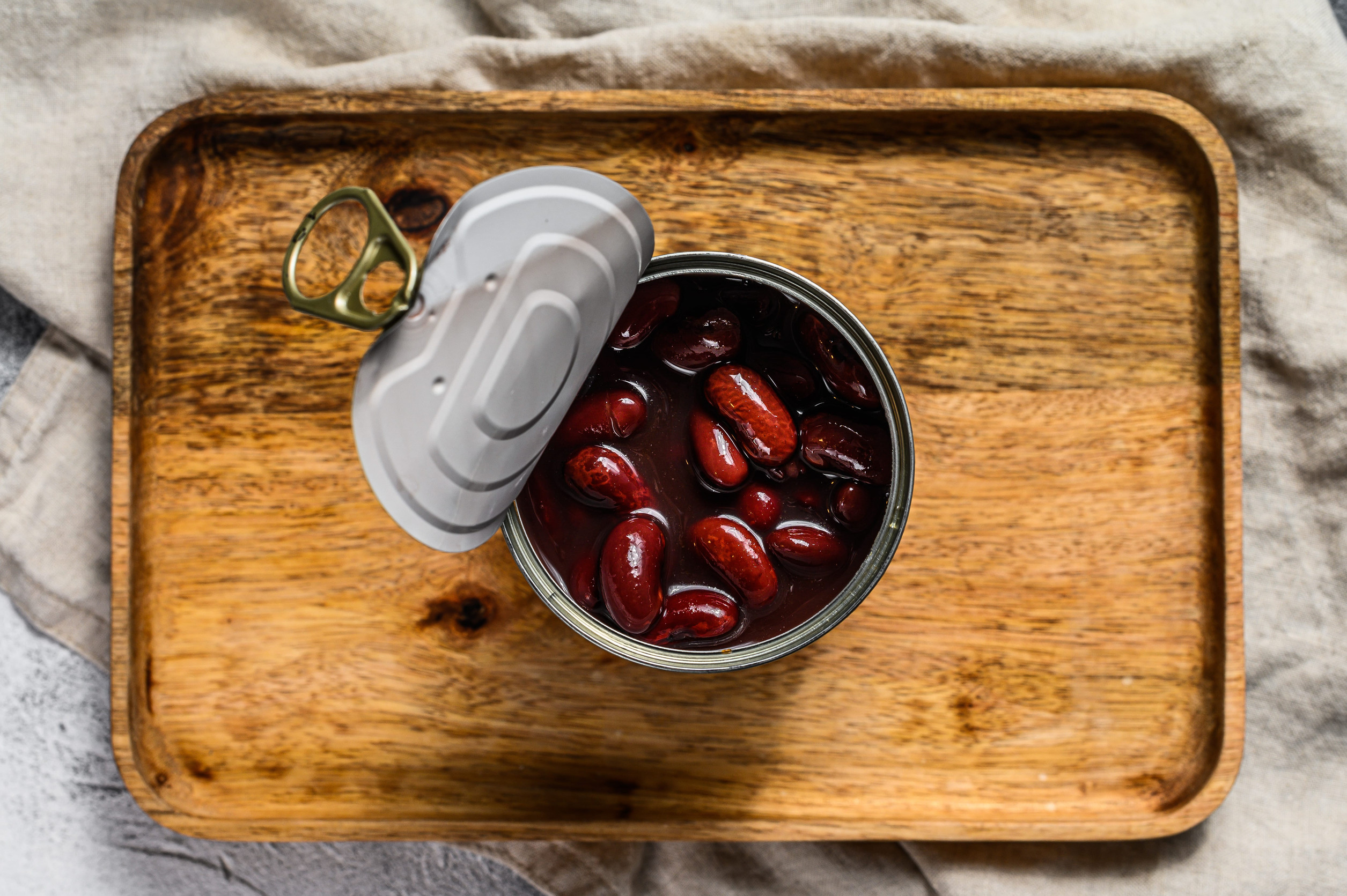
Canned beans are one of the most useful pantry staples because they’re affordable, convenient, and easy to incorporate into everyday meals.
Black beans, kidney beans, chickpeas, and other varieties work well in soups, stews, rice dishes, and salads.
Unlike dried beans, commercially cooked canned beans don’t require lengthy preparation, making them particularly helpful when cooking facilities are limited.
The Federal Emergency Management Agency’s Ready.gov guidance recommends keeping ready-to-eat canned foods as part of household emergency supplies.
Choose varieties your family regularly enjoys and purchase manageable quantities. Having a few extra cans available means you won’t have to make an unexpected shopping trip whenever your meal plans change.
Rice
Rice is a dependable pantry staple that works with countless everyday meals. Whether you prefer white rice, brown rice, or another variety, it can serve as the foundation for dishes made with beans, vegetables, and other ingredients.
The USDA identifies dry rice among foods suitable for pantry storage when kept under appropriate conditions. Store it in a cool, dry place and protect opened packages from moisture and pests.
One important consideration is that rice requires water and cooking. It isn’t a practical stand-alone food during emergencies when cooking fuel or electricity is unavailable.
However, for normal meal planning and temporary grocery disruptions, having rice on hand can provide useful flexibility.
Canned Chicken and Tuna
Fresh meat may not always be convenient to purchase or store, especially during power outages or unexpected disruptions.
Commercially shelf-stable canned chicken and tuna provide alternatives that can be kept in the pantry before opening.
They also require little preparation, making them suitable for sandwiches, crackers, salads, and other simple meals.
According to the USDA’s shelf-stable food guidance, certain commercially processed meat and seafood products can be stored without refrigeration.
Always check the package instructions because not every canned product is shelf-stable. Smaller containers are particularly convenient when refrigeration isn’t available for leftovers.
Dried Pasta
Dried pasta is another convenient food to keep stocked because it’s easy to store and works with numerous pantry ingredients.
Spaghetti, macaroni, and other varieties can be combined with canned vegetables, sauces, and seasonings to create familiar meals.
It’s also an ingredient many families use regularly, making it easier to rotate older packages into everyday cooking. Keep pasta in a cool, dry location and follow the manufacturer’s storage recommendations.
Remember that dried pasta requires cooking water and a heat source. For that reason, it works best alongside ready-to-eat foods rather than replacing them in an emergency pantry.
Canned Vegetables
Fresh vegetables are useful for daily cooking, but they can become difficult to keep available when shopping routines are interrupted.
Canned corn, green beans, carrots, and peas offer convenient backup options. They can be incorporated into soups, rice dishes, pasta, and other familiar meals without requiring extensive preparation.
Ready.gov includes ready-to-eat canned vegetables among recommended emergency supplies. Choose the varieties you already use instead of buying unfamiliar products simply because they have long storage lives.
The USDA forecasts higher fresh vegetable prices in 2026, but that doesn’t mean canned vegetables are about to disappear from store shelves.
Peanut Butter
Peanut butter is a convenient pantry addition because it requires no cooking and can be paired with several everyday foods.
It works with bread, crackers, and other familiar ingredients. Ready.gov specifically lists peanut butter among suggested emergency food supplies.
For households with peanut allergies, a suitable alternative spread may be more appropriate. Always check product labels for storage instructions, especially after opening.
Buying reasonable quantities rather than oversized containers can also help ensure the product gets used before its quality declines.
Canned Soups and Stews
Having a few ready-to-eat meals in the pantry can make unexpected disruptions easier to manage. Canned soups, stews, and chili are convenient because many varieties require minimal preparation.
They can be particularly useful when there isn’t enough time to cook a full meal. However, not all canned soups are the same. Some are ready to eat, while condensed varieties require water or other ingredients.
Check the instructions before purchasing and consider smaller containers if you’re preparing for situations without refrigeration.
Choose meals your household already enjoys so the food becomes part of your regular routine rather than sitting unused.
Breakfast Cereal and Granola
Breakfast cereal and granola are easy pantry foods to overlook when preparing for grocery disruptions. They require no cooking and can be eaten directly from the package. Ready.gov includes both among its suggested emergency food options.
Store packages away from moisture and pests, and use older supplies before opening newer ones. If your family normally eats cereal with milk, consider keeping an appropriate shelf-stable milk product available as well.
The most practical emergency foods are often ordinary products that fit naturally into your household’s existing meals.
Dried Beans and Lentils
Dried beans, peas, and lentils are versatile ingredients that can be used in numerous home-cooked dishes. They work well in soups, stews, and meals served with rice.
The USDA recognizes dried legumes as shelf-stable pantry foods under suitable storage conditions. However, they have an important limitation: preparation often requires significant water and cooking time.
That’s why dried beans are best kept as part of a regular cooking pantry rather than relied upon exclusively during power outages. Keeping both canned and dried varieties can provide more flexibility when circumstances change.
Shelf-Stable Milk
Milk is a common household grocery item, but fresh varieties require refrigeration. Shelf-stable milk offers a convenient alternative for certain situations.
Commercially packaged varieties can be stored without refrigeration before opening when the label specifically identifies them as shelf-stable.
Ready.gov recommends nonperishable pasteurized milk among emergency food supplies. Smaller cartons can be useful during power outages because they reduce the amount left over after opening.
Once opened, however, many shelf-stable milk products require refrigeration. Always follow the manufacturer’s storage instructions.
How to Stock Your Pantry Without Wasting Money
Building a reliable pantry doesn’t mean purchasing everything at once or filling every cabinet with emergency supplies.
Start by checking what you already own. Identify everyday foods that are running low, then gradually replenish them during regular grocery trips.
The USDA recommends storing shelf-stable foods away from excessive heat, moisture, and unsuitable storage conditions.
Inspect canned goods before use, and avoid containers that are bulging, leaking, or severely damaged. Rotate products by using older purchases first and placing newer supplies behind them.
For emergency preparedness, don’t forget drinking water and a manual can opener. Ready.gov recommends keeping water and other essential supplies available for several days.