Most people want to believe goodness pays off. We grow up hearing that honesty matters, kindness wins, loyalty proves character, and courage eventually gets rewarded. It sounds beautiful, neat, and easy to believe.
Then real life walks in wearing muddy shoes. Sometimes, the person who tells the truth gets punished before the liar does. Sometimes the loyal friend ends up emotionally exhausted. Sometimes the brave witness loses safety, money, sleep, and peace.
That does not mean people should stop doing good. It means good intentions need wisdom, boundaries, timing, and protection. Doing the right thing can still be noble, but it can also come with a cost nobody warns you about.
Online Activism Can Trick You Into Feeling Finished

Online activism feels easy because it gives people an instant sense of purpose. You sign a petition, share a post, comment under a campaign, and suddenly feel like you have helped. That small digital action can feel powerful, especially when the issue is emotional.
The problem starts when the post becomes the whole effort. A person may share a cause loudly but never donate, volunteer, call anyone, organize anything, or help people in real life. The click becomes a moral receipt.
That is where good intentions get slippery. Public support can create private laziness when people confuse visibility with sacrifice. The cause still needs action, even after the internet sees you care.
Ethical Shopping Can Make People Feel Morally Superior
Buying better products can be a good thing. People choose fair trade coffee, cruelty-free beauty products, sustainable clothing, or local food because they want their money to support kinder systems. That choice can reflect real values.
The danger arises when ethical buying becomes a personality trophy.Someone buys the responsible product, then looks down on people who cannot afford it or do not shop the same way. A grocery cart becomes a moral scoreboard.
Being thoughtful with money does not automatically make someone thoughtful with people. A person can buy organic vegetables and still treat a cashier badly. They can wear sustainable fashion and still act selfishly at home.
The right thing loses its shine when it becomes a badge of superiority. Good choices should soften people, not make them smug.
Saving a Broken Friendship Can Drain the Life Out of You

Friendship gets romanticized almost as much as love. People are told to fight for old friends, stay loyal, forgive messy behavior, and keep the bond alive because history matters. Sometimes that advice is beautiful.
Other times, it becomes a trap with a nostalgic soundtrack. A friend who constantly belittles you, competes with you, disappears when you need support, or brings chaos into your life is not just difficult; it’s toxic. They are emotionally expensive.
Trying to save that kind of friendship can slowly shrink you. You start explaining their behavior, lowering your standards, and calling pain “history” because walking away feels cruel. But staying can be cruel, too.
The right thing is not always endless access. Sometimes the healthiest act of loyalty is admitting that a friendship has already ended, even if nobody said it out loud.
White Lies Can Break Trust Faster Than the Truth
White lies usually begin with kindness. Parents soften painful facts. Friends hide uncomfortable details. Families tell cheerful versions of difficult situations to protect someone.
On the surface, it feels gentle. But truth has a way of finding a loose thread. Children eventually notice when adults bend reality. Friends eventually sense when something is being hidden.
Loved ones eventually realize that the comforting version was not the honest version. That discovery can sting more than the truth would have. The damage is not always the lie itself.
The damage is the quiet question that follows. What else was not true? Honesty does not have to be harsh. A child does not need every painful detail. A friend does not need cruelty dressed up as honesty. But gentle truth usually ages better than polished fiction.
Promoting a Good Cause Can Push People Away

Good causes need voices. People speak up about unfair treatment, unsafe workplaces, bad policies, poverty, abuse, discrimination, and social problems because silence helps the wrong people stay comfortable.
Still, the way a cause is presented matters. If the message sounds insulting, self-righteous, or disconnected from ordinary life, people may reject it before they understand it. They stop hearing the issue and start reacting to the tone.
That is one of the painful realities of advocacy.A cause can be morally right and still communicated badly. People do not like feeling shamed, cornered, or treated like villains before they have even joined the conversation.
The goal is not to impress people who already agree. The goal is to move people who are unsure, distracted, tired, or resistant. A good cause deserves a message strong enough to survive outside its own circle.
Whistleblowing Can Cost You Your Career
Whistleblowers often look heroic from a distance. They expose corruption, unsafe practices, fraud, abuse, or serious misconduct because they believe the truth matters more than comfort. Society loves that kind of courage in theory.
Real life is not always so generous. The person who speaks up may lose their job, reputation, income, professional network, and sense of safety. Even when they are right, they can become the problem that powerful people want removed.
That is what makes whistleblowing so brutal. The person trying to protect others may end up isolated, attacked, or financially broken. The institution may protect its image before it protects the truth teller.Courage matters, but preparation matters too.
Documentation, legal advice, trusted allies, financial planning, and emotional support can turn a reckless risk into a protected stand. The truth should be defended, but the truth teller should not walk into fire blind.
Overprotective Parenting Can Leave Children Fragile

Protecting children feels like love in motion.A parent sees danger, sadness, rejection, failure, or embarrassment coming and naturally wants to step in. That instinct is human and tender. But children also need small doses of struggle.
They need to lose sometimes, feel awkward sometimes, solve problems sometimes, and discover that discomfort does not destroy them. Without that practice, the real world can feel terrifying.Overprotection can accidentally train children to fear ordinary difficulty.
They may panic at criticism, crumble during conflict, avoid responsibility, or expect adults to fix every hard moment. The parent meant to create safety, but the child may grow without independence.Wise parenting does not abandon children to pain.
It stands nearby while they learn how to handle it. Protection matters, but preparation matters just as much.
Too Much Exercise Can Turn Health Into Punishment
Exercise is usually one of the best choices a person can make. It can improve strength, mood, confidence, sleep, and overall health. For many people, movement becomes a powerful way to feel disciplined and alive. The problem begins when fitness stops being cared for and starts becoming controlled.
A person may ignore pain, skip rest days, train through exhaustion, or feel guilty whenever they miss a workout. The body becomes a project that is never good enough. That kind of discipline can look admirable from the outside.Inside, it can feel like pressure, fear, and punishment.
The gym becomes another place where a person chases approval instead of peace.Health should make life bigger.If exercise starts damaging relationships, sleep, mental balance, or physical recovery, the “right thing” has crossed into the wrong territory. Strong bodies need rest, too.
Reporting Serious Crime Can Put You in Danger
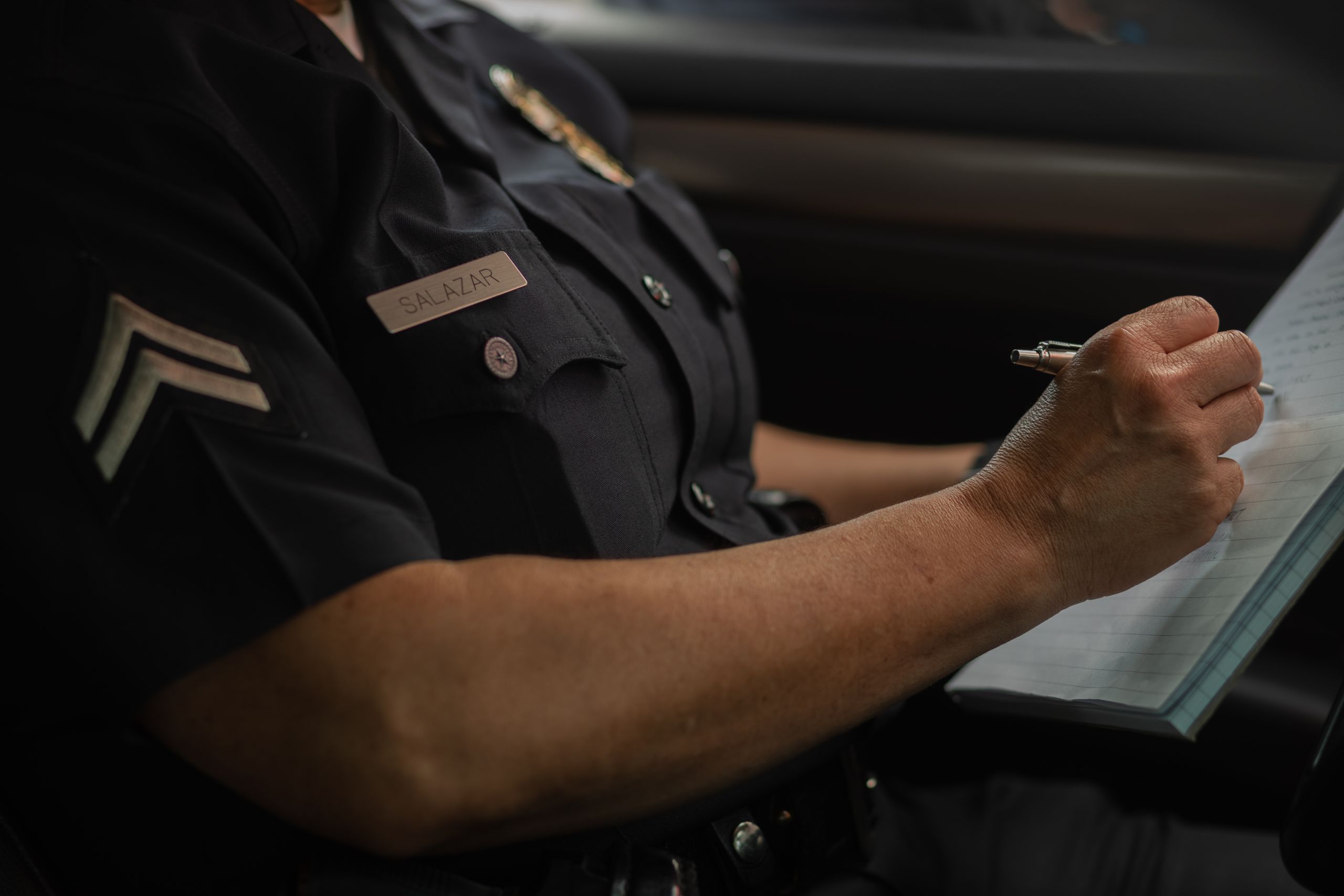
Communities need people who are willing to speak up. When serious crime goes unreported, dangerous people gain confidence, victims stay trapped, and neighborhoods become quieter for all the wrong reasons. Reporting harm can be an act of courage.
But that courage can come with real risk. A witness may face threats, intimidation, social pressure, court stress, or fear that their identity will not stay protected. The person trying to help may suddenly start looking over their shoulder.
This is why crime reporting is not always simple. It may be necessary, but it can also change someone’s daily life. Safety, legal guidance, documentation, and trusted support can matter as much as the report itself. Doing the right thing should never mean pretending danger is not real. Brave people deserve protection, not just praise after they have already been put at risk.
Testifying Against Powerful People Can Change Your Whole Life
Telling the truth against powerful people sounds noble until the pressure begins. Courts, investigations, workplace inquiries, and public scandals often depend on someone brave enough to speak up about what happened. Without witnesses, many ugly truths stay buried.
But powerful people rarely lose quietly. They may attack credibility, spread rumors, threaten careers, intimidate families, or use money and influence to make the truth teller look unstable.The witness may enter the process hoping for justice.
They may leave with a life they barely recognize. That is the heavy side of moral courage. The public may benefit from someone’s honesty while that person carries the private cost for years. Truth matters. But people who tell it need more than applause. They need protection, legal help, emotional care, and long-term support once the headlines fade.
Helping Everyone Can Leave You Empty

Kind people often become the emergency room for everyone else’s feelings. Friends call when life falls apart. Relatives expect favors. Coworkers dump their problems because they know the helpful person will say no easily.
At first, being needed can feel meaningful. Then it becomes exhausting. The helpful person starts answering messages while tired, giving money they need, and carrying problems that do not belong to them.
Their kindness becomes a public resource. Everyone uses it, but few people refill it. That is how a generous heart becomes burned out. Helping is beautiful when it comes from fullness. It becomes dangerous when it comes from guilt, fear, or the need to be seen as good.
A person can burn out trying to prove they care. The right thing is not always saying yes. Sometimes the right thing is admitting, “I care, but I cannot carry this.” Boundaries do not make kindness weaker. They keep it alive.
Conclusion
Doing the right thing is still worth it, but it is not always simple.
Online activism, loyalty, honesty, whistleblowing, parenting, fitness, and public courage can all backfire when they are done without limits or support.
The strongest people are not the ones who sacrifice themselves every time.
They are the ones who learn how to do good without disappearing in the process.
Goodness should guide your life, not quietly ruin it.