A beautiful plant can change the whole mood of a room. It can soften a cold corner, brighten a patio, make a kitchen feel alive, and give a garden that polished look every homeowner loves. But when we share our homes with dogs and cats, greenery has to do more than look good. It has to be safe.
Many common houseplants and garden favorites carry toxins that can irritate the mouth, upset the stomach, damage the heart, harm the liver, or trigger life threatening kidney problems in pets. The scary part is that some of these plants are sold in grocery stores, garden centers, bouquet sections, holiday displays, and online plant shops with no obvious warning for pet owners.
We do not have to give up plants completely. We simply need to know which ones belong outside a pet friendly home, which ones need strict separation, and which ones should never be brought into the house at all. These are the toxic plants pet owners should treat seriously before a curious cat chews a leaf or a bored dog digs up a bulb.
Why Toxic Plants Are So Dangerous for Dogs and Cats

Pets explore the world with their mouths. A dog may chew a bulb because it smells earthy and interesting. A cat may nibble a leaf because it moves in the breeze, looks like grass, or sits beside a favorite window. That small moment can become an emergency when the plant contains substances that affect the digestive system, kidneys, liver, heart, or nervous system.
Toxicity also changes from plant to plant. Some plants mainly cause drooling, vomiting, and mouth irritation. Others can trigger seizures, abnormal heart rhythm, organ failure, or death. The part of the plant matters too.
In many bulb plants, the bulb is far more dangerous than the flower. In sago palm, the seeds are especially toxic, but the entire plant can still be dangerous. With true lilies, even small exposure can be a serious concern for cats.
The pet also matters. Cats are extremely sensitive to certain lilies, while dogs are often the bigger concern with sago palm because they are more likely to chew and swallow large pieces. A small dog or kitten may react severely to an amount that seems tiny to a human. That is why we should never judge danger by how harmless a plant looks.
True Lilies Can Be Life Threatening for Cats
True lilies are among the most dangerous flowers for cat owners. Easter lilies, tiger lilies, Asiatic lilies, daylilies, Japanese show lilies, and similar varieties can cause serious kidney injury in cats. The danger is especially frightening because exposure does not always require a cat to eat a whole flower.
A cat may chew a leaf, lick pollen from its fur, drink vase water, or bite a petal, and that can still become a veterinary emergency.
We should treat lilies as a no go flower in any home with cats. They are common in spring bouquets, sympathy arrangements, Easter displays, and grocery store floral sections, so the risk often enters the house as a gift.
Dogs may develop stomach upset after eating lilies, but cats face the more severe danger. If a cat has contact with a true lily, waiting for symptoms is the wrong move. Immediate veterinary guidance can make the difference between a manageable exposure and a devastating outcome.
Sago Palm Is One of the Most Dangerous Plants for Dogs
The sago palm looks harmless because it resembles a small decorative palm, but it is actually a cycad. It appears in warm climate landscaping, patio pots, and indoor ornamental displays. The plant is especially dangerous because every part is considered toxic, with seeds carrying a high concentration of toxins. Dogs are at particular risk because many will chew the seeds or fronds out of curiosity.
The major concern with sago palm is severe liver damage. Early signs may include vomiting, diarrhea, loss of appetite, drooling, weakness, or bloody stool. More serious cases can progress to tremors, seizures, jaundice, bleeding problems, and liver failure. We should not place this plant in a pet home at all. Keeping it on a high shelf is not enough if a leaf drops, a seed falls, or a determined dog gets access to the pot.
Oleander Is Beautiful but Dangerous From Leaf to Flower
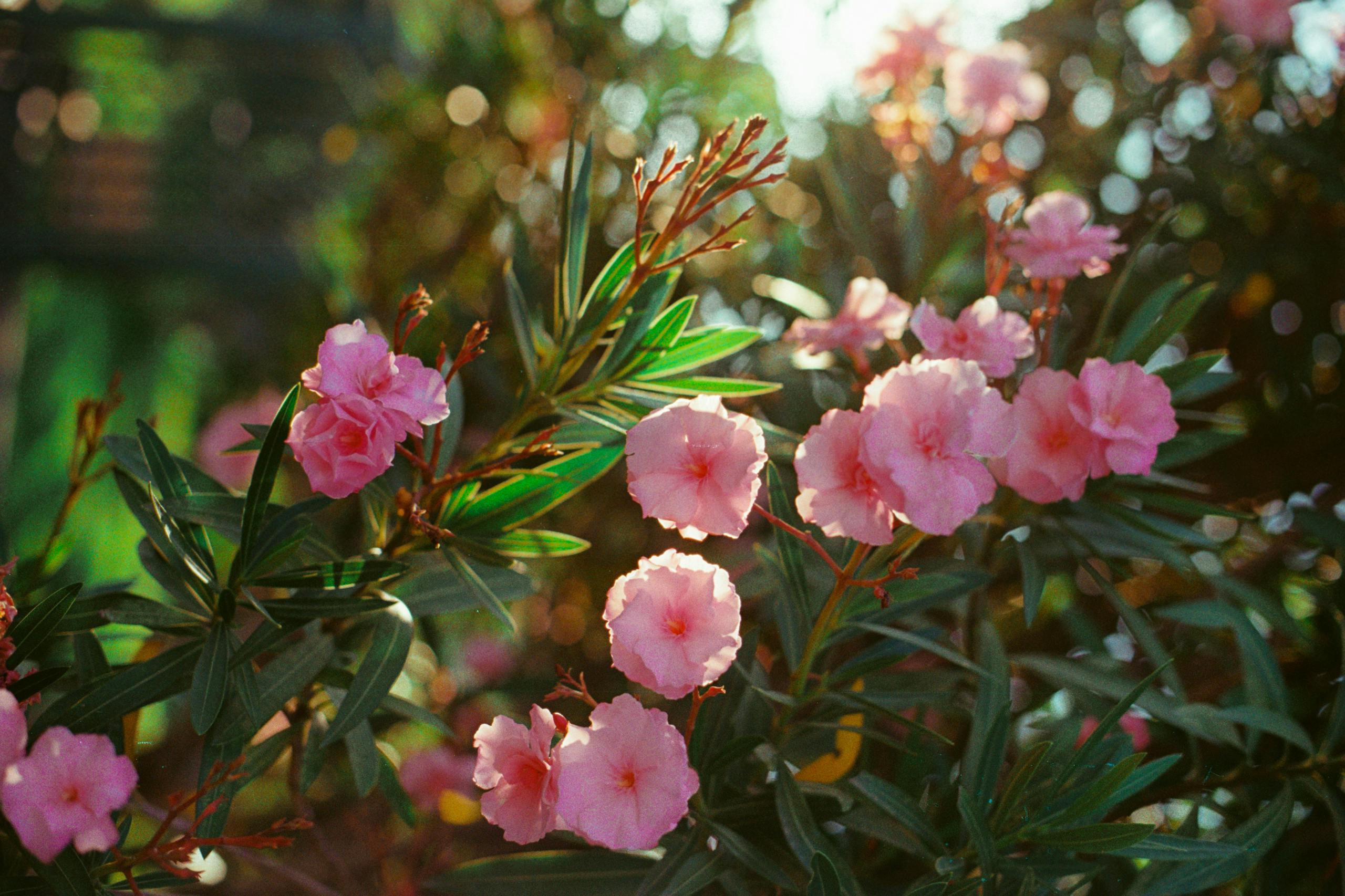
Oleander is admired for its evergreen leaves and bright flowers, especially in warm regions where it grows as a hedge or outdoor shrub. The problem is that oleander contains potent cardiac toxins. These toxins can interfere with heart function after ingestion, making this plant dangerous for dogs, cats, horses, and other animals.
Every part of the oleander should be treated as unsafe. Leaves, flowers, stems, and even dried plant material can create problems. Pets that chew oleander may show vomiting, drooling, diarrhea, weakness, abnormal heart rhythm, tremors, or collapse.
Because oleander is often planted outdoors, we should check yards, rental properties, parks, and walking routes. A pet does not need to live with the plant indoors to be exposed to it.
Azaleas and Rhododendrons Can Cause Severe Poisoning
Azaleas are popular because they bring bold color to gardens, walkways, and front yards. They belong to the rhododendron family, and that whole group deserves caution around pets. The toxic compounds in azaleas can affect the digestive system, nervous system, and heart. Even a few leaves can be enough to cause serious symptoms in some animals.
A pet that eats azalea may drool heavily, vomit, develop diarrhea, appear weak, lose coordination, or show changes in heart rate. Severe cases may involve low blood pressure, tremors, seizures, coma, or death.
We should be especially careful in spring, when azaleas bloom, and pets spend more time outdoors. If we move into a new home, azaleas are one of the first landscaping plants worth identifying before letting pets roam freely.
Daffodils Are Risky Because the Bulbs Carry Strong Toxins
Daffodils look cheerful and innocent, but they are not pet-safe plants. Their bulbs contain concentrated toxic compounds, including lycorine, which can trigger strong vomiting. The flowers and leaves can also be harmful, but the bulb is the biggest concern because dogs may dig it up and chew it.
Warning signs can include drooling, vomiting, diarrhea, abdominal pain, weakness, and mouth irritation. Larger ingestions may cause more serious issues, including changes in heart rhythm or breathing. We should be careful with garden beds, spring bulb storage, and indoor bulb forcing projects.
A dog that likes to dig should never have unsupervised access to daffodil beds, especially when bulbs are newly planted or freshly exposed.
Tulips Are a Hidden Hazard in Spring Gardens
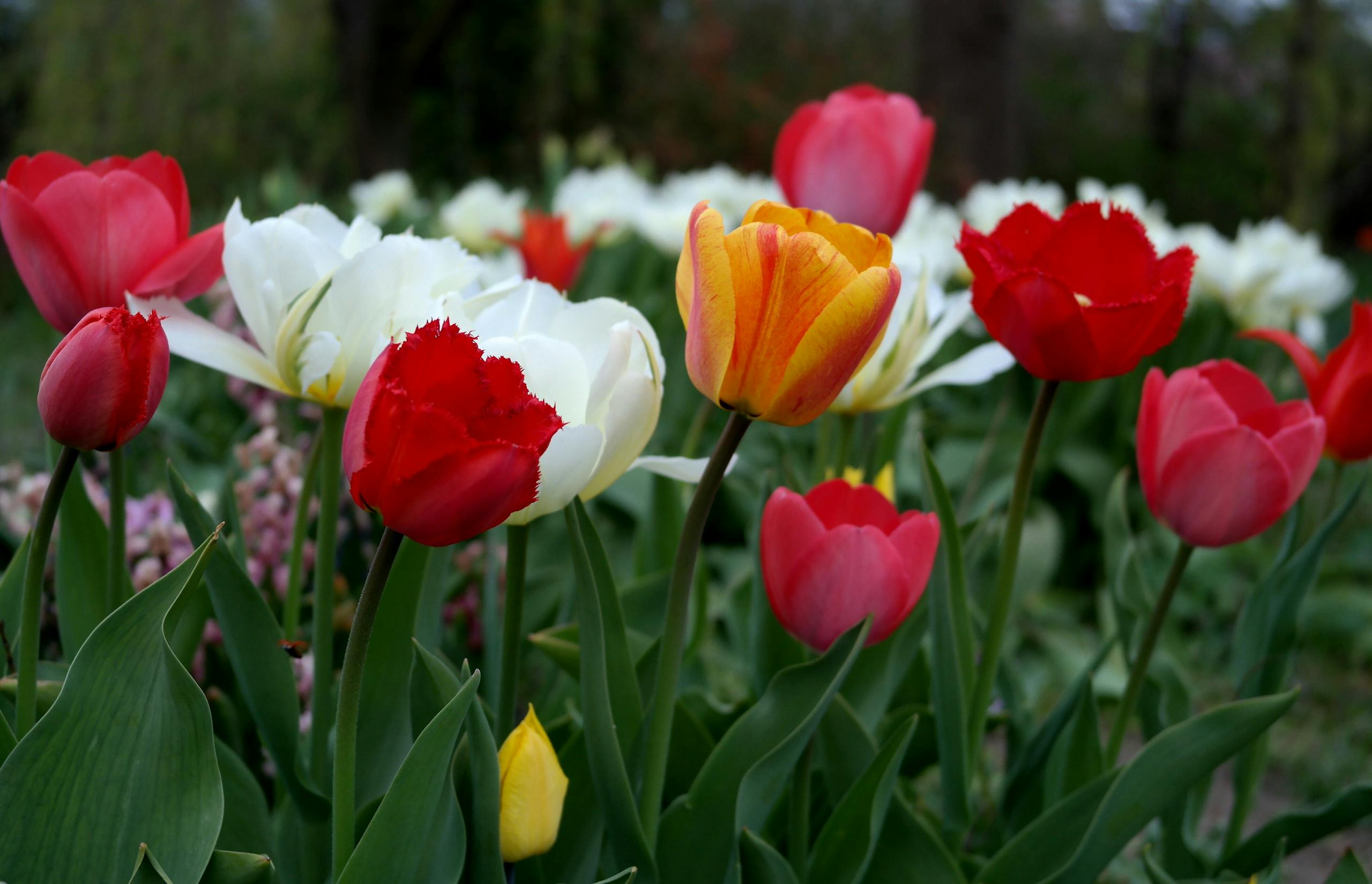
Tulips are everywhere in spring. They fill supermarket displays, gift bouquets, garden beds, and decorative pots. Their bright colors make them feel friendly, but tulips contain compounds that can irritate the mouth and digestive tract. The bulb contains the highest concentration, which makes planted gardens and stored bulbs especially risky for dogs.
Cats and dogs that chew tulips may drool, paw at the mouth, vomit, or develop diarrhea. A pet that swallows part of the bulb may show stronger symptoms because the bulb is more concentrated than the leaves or petals.
We should keep tulip arrangements out of reach and store bulbs in sealed containers. In pet yards, safer flowers are a better choice than trusting a curious animal to ignore fresh soil and buried bulbs.
Hyacinths Can Irritate the Mouth and Stomach
Hyacinths are often grouped with tulips because they are spring bulbs with similar petal risks. Their bulbs contain the most concentrated toxic material, but leaves and flowers can still cause problems. The strong fragrance may attract attention, and the bulb shape can tempt dogs that enjoy digging or chewing.
Pets that bite into hyacinth bulbs may experience intense mouth irritation, drooling, vomiting, and diarrhea. Some may paw at their face, refuse food, or act uncomfortable after chewing the plant.
We should treat hyacinths as outdoor only plants in homes with pets, and even then, they should be placed where digging dogs cannot reach them. If a pet gets into a bag of bulbs before planting, that should be handled as a possible poisoning event.
Cyclamen Is Especially Dangerous in the Root Area
Cyclamen is a common houseplant sold for its bright flowers and patterned leaves. It often appears in grocery stores and gift shops during cooler months, which makes it easy to bring home without thinking about pet safety. The plant contains irritating compounds, and the highest concentration is found in the tubers or root area.
Cats and dogs that chew cyclamen may develop vomiting, diarrhea, drooling, and stomach discomfort. Larger exposure to the tuber can become more serious and may affect heart rhythm or cause seizures. We should be cautious with cyclamen because a fallen pot can expose the most dangerous part of the plant. If a pet likes to dig in indoor soil, this plant is a poor choice for the home.
Kalanchoe Contains Cardiac Toxins
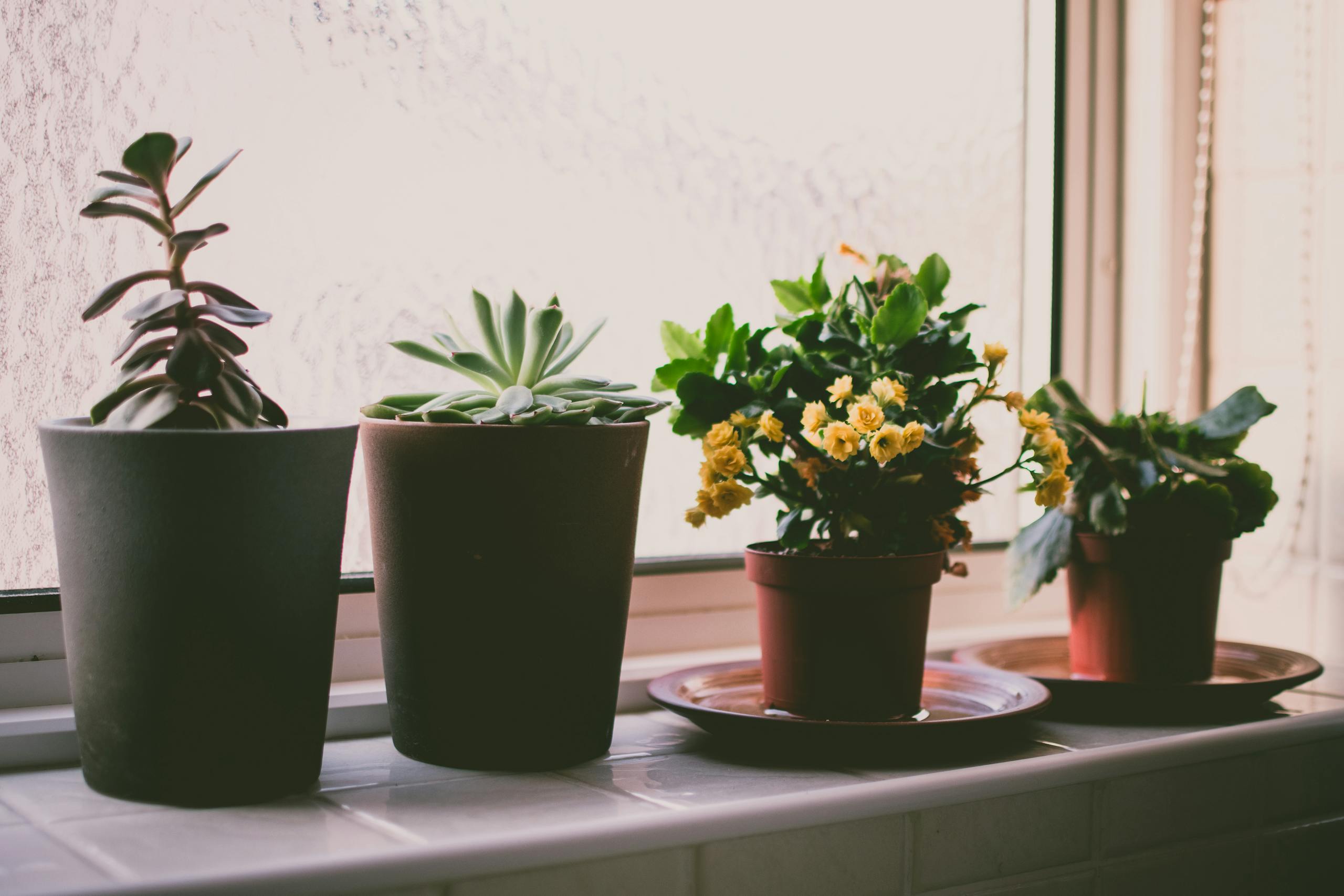
Kalanchoe is popular because it is colorful, compact, and easy to care for. It has thick leaves and clusters of flowers in shades of pink, red, yellow, orange, and white. Many people keep it on windowsills or give it as a cheerful indoor plant. For pets, though, kalanchoe can create real trouble.
The plant contains compounds that may affect the heart, especially when a pet eats a larger amount. Common signs include vomiting, diarrhea, drooling, and weakness. More serious cases may involve abnormal heart rhythm, collapse, or changes in behavior.
Because Kalanchoe is often placed at cat height on windowsills or side tables, we should avoid it in homes where pets climb, nibble leaves, or knock plants over.
Conclusion
Plants can make a home feel calm, fresh, and alive, but pet safety has to come before aesthetics. The most dangerous plants are not always rare or exotic. They are often the familiar ones sitting in grocery aisles, front yards, office corners, holiday displays, and spring bouquets.
We can protect dogs and cats by removing the highest risk plants, checking labels before buying greenery, and acting fast when exposure happens. A pet safe home does not have to be bare. It simply needs smarter plant choices, safer placement, and a little less trust in anything that looks pretty but hides a poison risk behind its leaves.